Opinion: Do Macramé Wall Hangings Exude Boho Charm Or Are Just Dust-Collecting Décor?
Macramé wall hangings are back in style, but do they add warmth and character or simply collect dust? This piece explores whether their boho appeal truly belongs in modern homes.
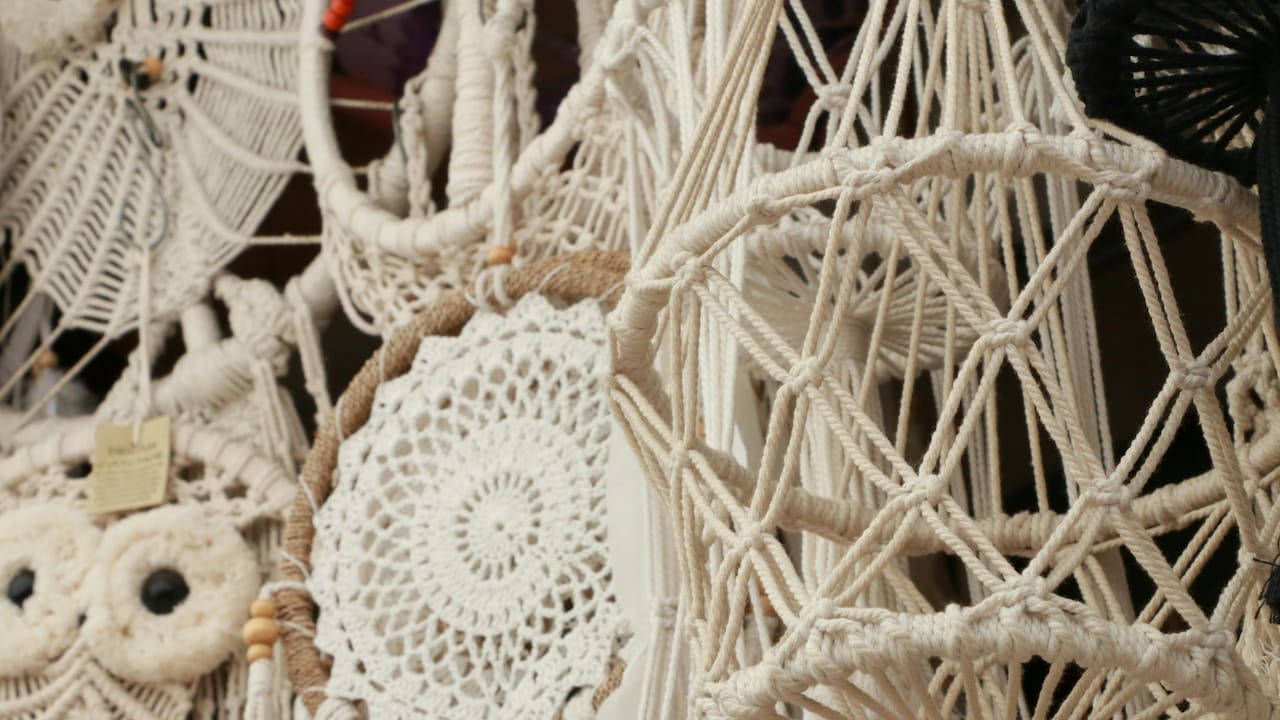
Macrame In Modern Homes: Is It Timeless Boho Charm Or High-Maintenance Decor? Check Now.
Walk into any thoughtfully styled living room or a cosy café tucked into a busy lane, and chances are a macramé wall hanging greets the eye. Soft cotton threads knotted into patterns, sometimes adorned with beads or feathers, sway gently against neutral walls. They feel warm, artisanal, and effortlessly stylish.
Yet, the charm of macramé often sparks debate. Some see it as a soulful addition that brings texture and personality. Others dismiss it as a fleeting trend that gathers dust faster than admiration. The divide feels particularly relevant in urban homes, where space, climate, and maintenance matter as much as aesthetics.
So, does macramé truly belong in contemporary interiors, or has it simply ridden the wave of nostalgia and social media appeal? The answer lies somewhere between admiration and practicality, woven as intricately as the knots themselves.
Opinion Piece: Do Macramé Wall Hangings Exude Boho Charm Or Are Just Dust-Collecting Décor?
Photo Credit: Pexels
The Case For And Against Macramé In Modern Homes
The Revival Of A Vintage Craft
Macramé is not a newcomer. Its roots trace back centuries, carried across cultures by artisans who valued craftsmanship over convenience. The recent revival feels less like a sudden trend and more like a rediscovery.
Homes today often crave authenticity. Handmade décor offers that rare sense of imperfection that factory-made items cannot replicate. A macramé piece, with its uneven knots and subtle variations, carries a human touch. It feels lived-in, not staged.
In a world dominated by sleek furniture and polished surfaces, such tactile softness stands out. The revival also aligns with a broader shift towards slow living. People now appreciate objects that tell a story rather than simply fill a space.
However, nostalgia alone cannot sustain relevance. The comeback of macramé raises a valid question: does its heritage translate well into modern homes, or does it belong to a different era entirely?
Boho Aesthetic: Effortless Or Overdone?
The bohemian aesthetic has long symbolised freedom, creativity, and a rejection of rigid design rules. Macramé fits naturally into this philosophy. It pairs beautifully with indoor plants, cane furniture, and soft lighting.
But there is a fine line between curated charm and visual clutter. When every wall starts to feature woven hangings, dreamcatchers, and textured fabrics, the space risks looking predictable rather than unique.
The overexposure of boho décor on social media has diluted its originality. What once felt eclectic now sometimes appears formulaic. Macramé, in this context, becomes less of a statement piece and more of a checklist item.
That said, when used thoughtfully, it still brings warmth. A single, well-placed hanging can soften a stark wall and add character. The key lies in restraint. Boho charm works best when it whispers rather than shouts.
The Practicality Question
Aesthetic appeal often takes centre stage, but practicality quietly shapes long-term satisfaction. Macramé, for all its beauty, demands care. Cotton threads attract dust, especially in homes near busy roads or construction zones.
Cleaning these pieces is not always straightforward. Unlike flat wall art, macramé cannot simply be wiped down. It requires gentle shaking, occasional washing, and careful drying to maintain its shape.
For households juggling work, family, and daily chores, this added maintenance can feel unnecessary. A décor item should ideally enhance a space without adding to the to-do list.
Still, practicality varies with lifestyle. In quieter homes with controlled environments, macramé may remain manageable. The real question is whether the effort aligns with the joy it brings.
Climate And Its Silent Influence
Humidity and dust levels play an understated yet crucial role in home décor choices. Macramé, made primarily from cotton, reacts to both.
In humid conditions, threads can absorb moisture, leading to a slightly limp appearance. Over time, this may affect the structure of intricate designs. Dust, on the other hand, settles easily into the fibres, dulling the original colour.
These factors often go unnoticed during purchase. A piece that looks pristine in a store or online listing may behave differently once it becomes part of everyday living.
Yet, climate does not entirely diminish its appeal. With proper placement, such as away from kitchens or open windows, macramé can still retain its charm. Awareness, rather than avoidance, makes all the difference.
The Emotional Pull Of Handmade Décor
There is something undeniably comforting about handmade objects. They carry a sense of effort, patience, and intention. Macramé, with its repetitive knotting, embodies this quiet dedication.
In a fast-paced world, such pieces offer a pause. They remind people of simpler times, where creation took precedence over consumption. This emotional connection often outweighs practical concerns.
Many choose macramé not just for how it looks, but for how it feels. It adds a layer of softness to spaces that might otherwise feel impersonal.
This emotional pull explains why macramé continues to find its way into homes despite its limitations. It is not merely décor; it is a subtle expression of values and preferences.
Affordability And Accessibility
One of macramé's strengths lies in its accessibility. Compared to high-end art pieces or designer installations, it offers an affordable way to elevate interiors. Prices can range from ₹500 for smaller pieces to ₹5,000 or more for intricate designs.
This wide range makes it appealing to young homeowners and renters who wish to personalise their spaces without overspending. It also supports small businesses and independent creators, adding an ethical dimension to the purchase.
However, affordability can sometimes lead to overuse. When décor becomes easily accessible, it risks losing its uniqueness. A balance between accessibility and individuality becomes essential.
Macramé thrives when chosen thoughtfully, not impulsively.
Social Media And The Illusion Of Perfection
Scrolling through curated feeds often presents macramé in its best light. Sunlit rooms, perfectly arranged furniture, and spotless walls create an idealised image.
Reality, however, rarely mirrors these visuals. Every day living brings clutter, dust, and wear. Macramé, in such settings, may not always maintain its picture-perfect appeal.
This contrast between expectation and reality can influence perception. What seemed like a must-have item may slowly lose its charm when faced with practical challenges.
Yet, social media also plays a positive role. It has revived interest in handmade crafts and introduced them to a wider audience. The key lies in viewing these images as inspiration rather than benchmarks.
Minimalism Vs Maximalism
Modern interiors often swing between minimalism and maximalism. Macramé sits somewhere in between. It adds texture without overwhelming the space, provided it is used sparingly.
In minimalist homes, a single macramé piece can act as a focal point. It breaks the monotony of plain walls and introduces subtle depth.
In maximalist settings, however, it risks blending into the background. Surrounded by multiple elements, its uniqueness may fade.
Understanding the existing design language of a space helps determine whether macramé enhances or disrupts the overall aesthetic. It is not a one-size-fits-all solution.
Longevity: Trend Or Timeless?
Trends often come and go, leaving behind a trail of once-loved items. The question of macramé's longevity remains open-ended.
Its roots in traditional craftsmanship suggest a certain timelessness. Yet, its current popularity is undeniably linked to design trends.
If chosen purely because it is fashionable, it may lose appeal once trends shift. But when selected for its craftsmanship and personal resonance, it stands a better chance of enduring.
Longevity, therefore, depends less on the object itself and more on the intention behind its selection.
Opinion Piece: Do Macramé Wall Hangings Exude Boho Charm Or Are Just Dust-Collecting Décor?
Photo Credit: Pexels
The Verdict: Charm With Caveats
Macramé wall hangings neither deserve outright dismissal nor blind admiration. They occupy a nuanced space within home décor.
Their charm lies in their texture, warmth, and handmade appeal. They bring softness to interiors and support artisanal crafts.
At the same time, they demand care and thoughtful placement. Without this, they risk becoming exactly what critics claim: decorative pieces that gather dust and fade into the background.
The choice ultimately rests on individual priorities. For those who value aesthetics and craftsmanship, macramé offers quiet satisfaction. For others who prioritise practicality, it may feel like an unnecessary addition.
Products Related To This Article
1. Decazone Beige Wood Macrame Wall Hanging Shelf
2. Sarmaya - The Handcraftes Tales Walnut Brown Macrame Wall Hanging Shelf
3. Gathari Blue & Beige Wooden Wall Shelf
4. Homesake Beige Triangle Macrame Wall Hanging Shelf
5. Sarmaya - The Handcraftes Tales Mustard Macrame Wall Organiser
6. VAH Kya Bat Hai !! White Macrame Wooden Wall Hanging Shelf with Jute Rope
7. Decazone Beige Wood Macrame Wall Hanging Shelf
Macramé wall hangings tell a story that extends beyond design trends. They reflect a desire for authenticity in an increasingly polished world. Their knots hold both history and modern aspiration, making them more than just decorative objects.
Yet, like any design element, they require intention. When chosen with care and maintained thoughtfully, they can elevate a space. When added without consideration, they risk becoming visual clutter.
Perhaps the real question is not whether macramé exudes charm or collects dust. It is whether a home makes space for objects that prioritise feeling over function.
And in that delicate balance, macramé continues to hang quietly, waiting to be either admired or overlooked.
(Disclaimer: This article may include references to or features of products and services made available through affiliate marketing campaigns. NDTV Convergence Limited (“NDTV”) strives to maintain editorial independence while participating in such campaigns. NDTV does not assume responsibility for the performance or claims of any featured products or services.)



![Steam Iron Teflon Shoe Cover for ES-300,ST-96 [Only For ES-300 and ST-96 Model Electric Steam Irons]](https://m.media-amazon.com/images/I/51wwkttondL._SL160_.jpg)