Do Magnetic Screen Doors Really Keep Mosquitoes Out? A Summer Guide
Magnetic screen doors promise fresh air without mosquitoes. But do they really work? This article explores their effectiveness, practicality and whether they’re worth using during peak summer months.
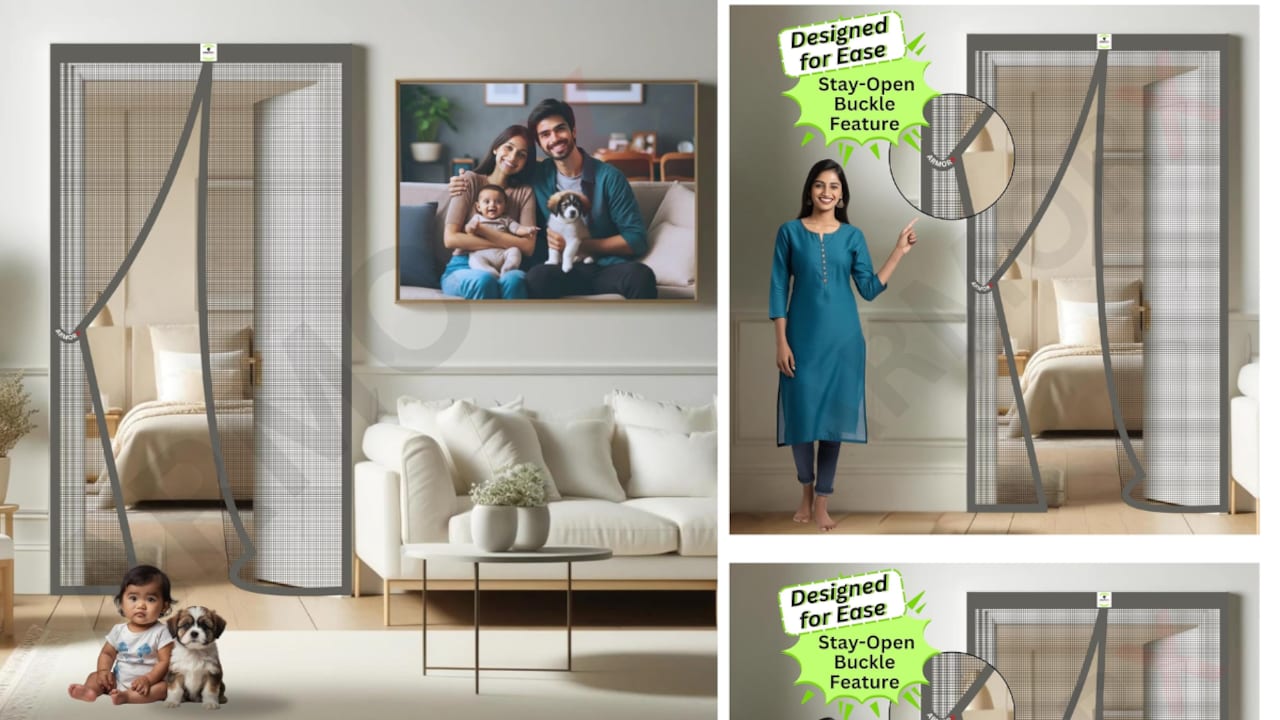
Magnetic Screen Doors For Summer: Know Whether These Screens Effective In Keeping Mosquitoes Out.
Summer carries a certain charm, long evenings, mangoes on the table, and a welcome breeze drifting through open doors. Yet, along with that breeze comes an all-too-familiar nuisance: mosquitoes. The nightly ritual of swatting, spraying, and scratching often feels unavoidable.
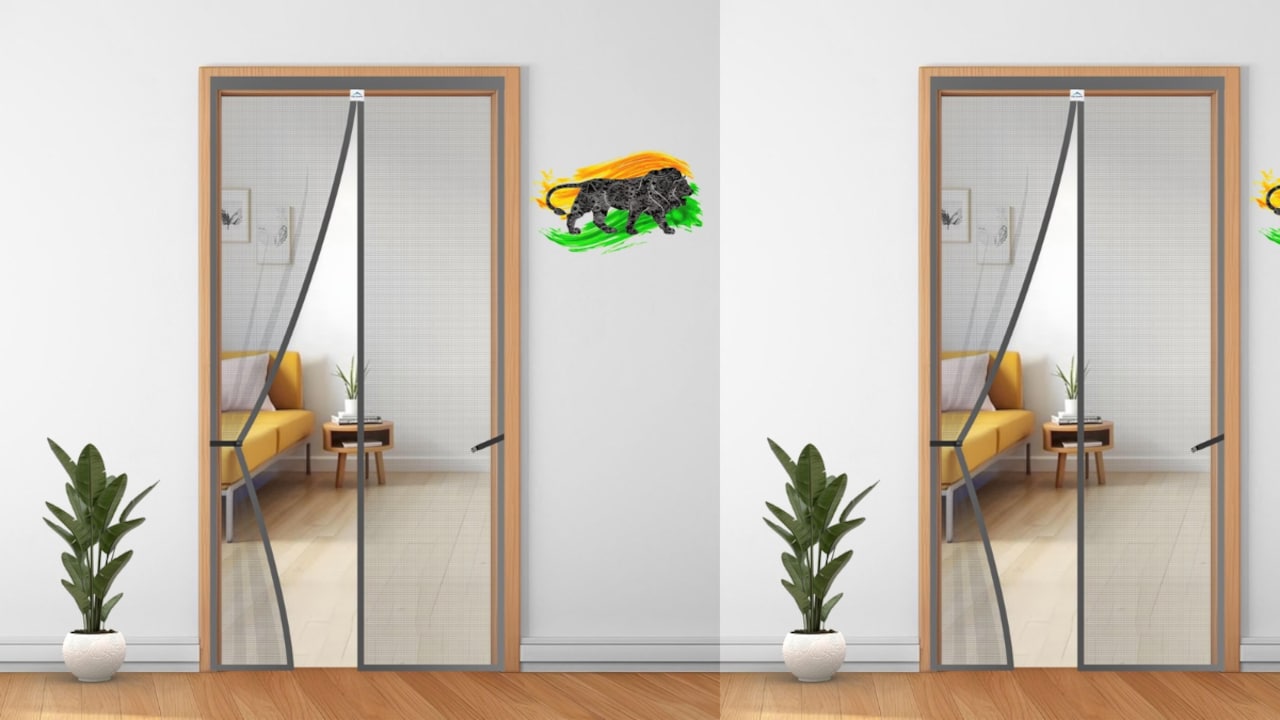
Things to know about magnetic screen doors; Photo Credit: Amazon
In recent years, magnetic screen doors have quietly entered homes as a simple solution. These lightweight mesh curtains promise fresh air without the buzzing intruders. They snap shut with magnets, creating a hands-free barrier that seems almost too convenient.
But convenience does not always equal effectiveness. Can a strip of mesh and a few magnets really stand up to persistent mosquitoes? Or is it just another seasonal purchase that ends up folded away after a few weeks?
This article takes a closer look, beyond the marketing claims, at how magnetic screen doors perform in real homes, especially during those humid, mosquito-heavy evenings.
Also Read: No More Buzz Or Bites: Shop Mosquito Nets For Windows And Beds At Affordable Prices
Key Factors That Determine The Effectiveness Of Magnetic Screen Doors
What Are Magnetic Screen Doors And How Do They Work?
Magnetic screen doors are essentially mesh curtains split down the centre and lined with small magnets. When pushed open, they part easily. Once someone walks through, the magnets snap back together, sealing the gap almost instantly.
The idea feels simple, almost obvious. Instead of constantly opening and closing a solid door, this mesh barrier allows continuous airflow while keeping insects out. Installation usually requires adhesive strips or Velcro, making it a quick fix even for rented spaces.
In many homes, especially those with balconies or gardens, doors stay open for ventilation. Traditional solutions like sliding nets or fixed frames can feel bulky or expensive. Magnetic screens step in as a lighter alternative.
Children and pets often adapt to them quickly. There's something satisfying about walking through and hearing that gentle click as the magnets reconnect. Yet, that same simplicity raises questions. Can such a flexible barrier truly block something as small and persistent as a mosquito?
Why Mosquitoes Are Harder To Keep Out Than Expected
Mosquitoes do not need much space to enter. A tiny gap along a doorframe or an uneven closure can be enough. Unlike flies, they are light, agile, and persistent, often finding their way indoors despite multiple barriers.
Even well-fitted doors sometimes fail because of human habits. Doors get left ajar, especially during busy evenings when people move in and out. Lights inside attract mosquitoes, turning homes into inviting spaces.
Humidity adds to the challenge. During monsoon months, mosquito populations surge, making even small entry points more significant. A screen that works well in mild conditions may struggle when mosquito density increases.
Magnetic screen doors aim to solve this by closing automatically. However, their effectiveness depends heavily on how tightly they seal. Any misalignment or loose edges can compromise the barrier, allowing mosquitoes to slip through unnoticed.
Ease Of Installation And Everyday Convenience
One of the biggest advantages of magnetic screen doors lies in their ease of installation. No drilling, no complicated tools, just a bit of patience and careful alignment. Within minutes, a doorway transforms into a functional insect barrier.
This convenience makes them especially appealing for temporary setups. Tenants often prefer solutions that do not damage walls or require permanent fixtures. Even homeowners appreciate the ability to remove or replace the screen without hassle.
Daily use feels intuitive. Hands full of groceries? No problem. The screen parts easily and closes behind. Children running in and out do not need reminders to shut the door. Even pets quickly learn how to nudge through.
However, convenience can sometimes come at the cost of durability. Adhesive strips may weaken over time, especially in humid conditions. If the screen shifts even slightly, gaps can appear, reducing its effectiveness against mosquitoes.
Do Magnetic Screens Actually Keep Mosquitoes Out?
The central question remains: do these screens truly work? The answer sits somewhere between yes and “it depends.”
When installed correctly, magnetic screen doors can significantly reduce the number of mosquitoes entering a home. The fine mesh acts as a physical barrier, while the automatic closure prevents doors from being left open.
However, perfection is rare. If magnets do not align properly or if the mesh does not sit flush against the frame, small openings can form. Mosquitoes, being persistent, will exploit these gaps.
In areas with moderate mosquito activity, the difference can feel dramatic. Evenings become more comfortable, and the need for sprays or coils decreases. But in high-density areas, especially during peak monsoon, the screen may need support from other measures.
In short, magnetic screens work best as part of a broader strategy rather than a standalone solution.
Material Quality And Its Impact On Performance
Not all magnetic screen doors are created equal. The quality of the mesh and magnets plays a crucial role in determining effectiveness.
High-quality mesh features tighter weaves that block even the smallest insects. Cheaper versions often use thinner material with larger gaps, which may allow tiny mosquitoes to pass through.
Magnets also vary. Strong, evenly spaced magnets ensure a proper seal every time the screen closes. Weak or poorly placed magnets can leave small openings, especially in the middle section.
Durability matters too. Frequent use, exposure to sunlight, and humidity can wear down the material. A screen that looks perfect on day one may start sagging or tearing within weeks if the quality is poor.
Spending a little more, around ₹500 to ₹1,500, often results in better performance and longer life. It becomes less of a seasonal purchase and more of a reliable fixture.
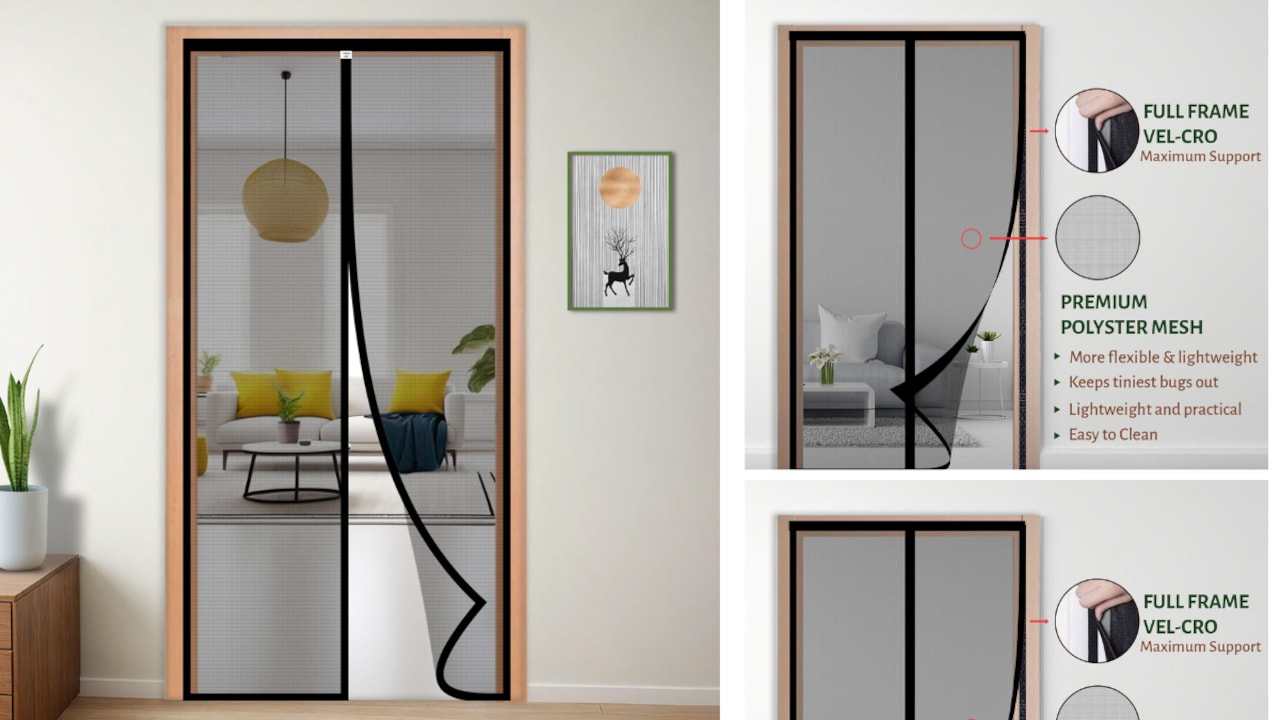
High-quality mesh contain tighter weaves that can block even the smallest insects; Photo Credit: Amazon
Maintenance And Longevity Over Time
Magnetic screen doors require minimal maintenance, but neglect can reduce their effectiveness. Dust, pollen, and everyday grime can accumulate on the mesh, making it look dull and slightly clog the airflow.
A simple wash every few weeks keeps the screen fresh. Most can be cleaned with mild soap and water, then air-dried. This small effort extends both appearance and function.
Magnets may lose alignment over time, especially if the screen is pulled aggressively. Occasional adjustments help maintain a proper seal. Adhesive strips might also need replacement, particularly in humid climates.
Longevity depends largely on usage. In a busy household where the door sees constant traffic, wear and tear appear sooner. Still, with basic care, a good-quality screen can last an entire season or more.
Compared to other pest-control solutions, the upkeep feels manageable and cost-effective.
Comparison With Traditional Mosquito Prevention Methods
Traditional methods like coils, sprays, and liquid vapourisers remain common. They offer immediate relief but come with drawbacks such as strong odours and potential health concerns.
Magnetic screen doors take a different approach. Instead of killing mosquitoes, they aim to prevent entry altogether. This creates a more natural environment without chemical exposure.
Electric rackets and plug-in devices still have their place, especially for dealing with mosquitoes that manage to get inside. However, they address the problem after it occurs.
Fixed mesh doors provide a more permanent solution but often require higher investment and professional installation. Magnetic screens offer a middle ground, affordable, flexible, and easy to set up.
For many households, combining methods works best. A screen reduces entry, while occasional use of repellents handles any remaining intruders.
Suitability For Different Types Of Homes
Magnetic screen doors suit a wide range of living spaces, but their effectiveness can vary depending on the setup.
Apartments with balconies often benefit the most. The screen allows fresh air while keeping insects at bay, especially during evening hours when doors remain open.
Independent houses with gardens may face heavier mosquito activity. In such cases, the screen still helps but may not eliminate the problem entirely. Additional measures often become necessary.
Homes with uneven door frames or textured surfaces may find installation slightly challenging. Ensuring a tight fit becomes crucial to avoid gaps.
Despite these variations, the flexibility of magnetic screens makes them adaptable. Whether in a compact flat or a spacious house, they offer a practical starting point for mosquito control.
Cost Versus Value: Are They Worth Buying?
Magnetic screen doors fall into an affordable price range, typically between ₹300 and ₹1,500, depending on quality and size. This makes them accessible without requiring a major investment.
The value lies in their simplicity. Unlike expensive installations, they deliver immediate results with minimal effort. For many households, even a partial reduction in mosquitoes feels worth the cost.
However, expectations should remain realistic. These screens do not create a completely sealed environment. They reduce entry but do not guarantee total elimination.
Considering their price, ease of use, and versatility, they offer good value. Especially during peak summer and monsoon months, the comfort they provide often outweighs the modest expense.
Common Mistakes That Reduce Effectiveness
Even the best magnetic screen door can fail if installed or used incorrectly. One common issue involves poor alignment. If the centre seam does not meet perfectly, gaps appear, inviting mosquitoes in.
Loose edges around the frame also create entry points. Ensuring the screen sits flush against the surface is essential. Skipping this step often leads to disappointment.
Frequent rough handling can weaken the magnets or tear the mesh. Treating the screen gently helps maintain its function over time.
Another overlooked factor is lighting. Bright indoor lights attract mosquitoes. Even with a screen in place, reducing light exposure near entrances can make a noticeable difference.
Awareness of these small details can turn an average screen into an effective barrier.
Products Related To This Article
1. ARMORX High Tensile Polyester Magnetic Door Mosquito Net
2. LifeKrafts Polyester Magnetic Mosquito Net for All Door Types & Sizes
3. Classic Mosquito Net for Door Fiberglass Magnetic Curtain Auto Closing Insect Screen for All Door Types with Self Adhesive Hook Tape
4. Titan Mall Magnetic Screen Door with Super Tight Self Closing Magnetic Seal and Durable Polyester Mesh, Full Frame Mounting Tape
5. Classic Mosquito Net for Door Fiberglass Magnetic Curtain Auto Closing Insect Screen for All Door Types with Self Adhesive Hook Tape
Magnetic screen doors offer a refreshing blend of simplicity and practicality. They bring in fresh air while keeping many unwanted insects out, making summer evenings far more enjoyable.
While they are not a perfect solution, they perform well when installed correctly and used alongside other preventive measures. Their affordability and ease of use make them an appealing option for many households.
In the end, they do not promise a mosquito-free world, but they certainly make it more comfortable. And sometimes, that gentle click of magnets closing behind is enough to signal a small but meaningful victory against those persistent evening intruders.
(Disclaimer: This article may include references to or features of products and services made available through affiliate marketing campaigns. NDTV Convergence Limited (“NDTV”) strives to maintain editorial independence while participating in such campaigns. NDTV does not assume responsibility for the performance or claims of any featured products or services.)