Does Matching Storage Always Make A Home More Organised? The Clutter Myth Explained
Matching storage may make a home look tidy, but it does not always reduce clutter. True organisation comes from smart habits, clear categories and keeping only what is useful.
Does Matching Storage Really Make Your Home More Organised?
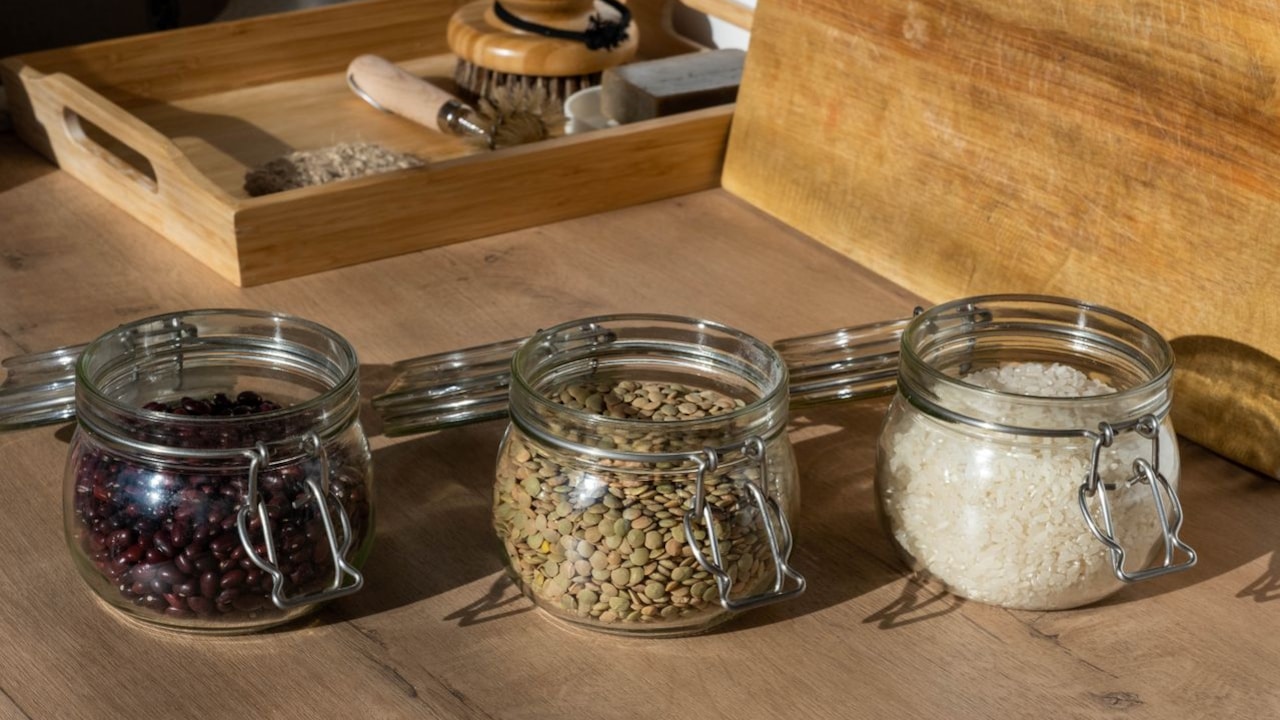
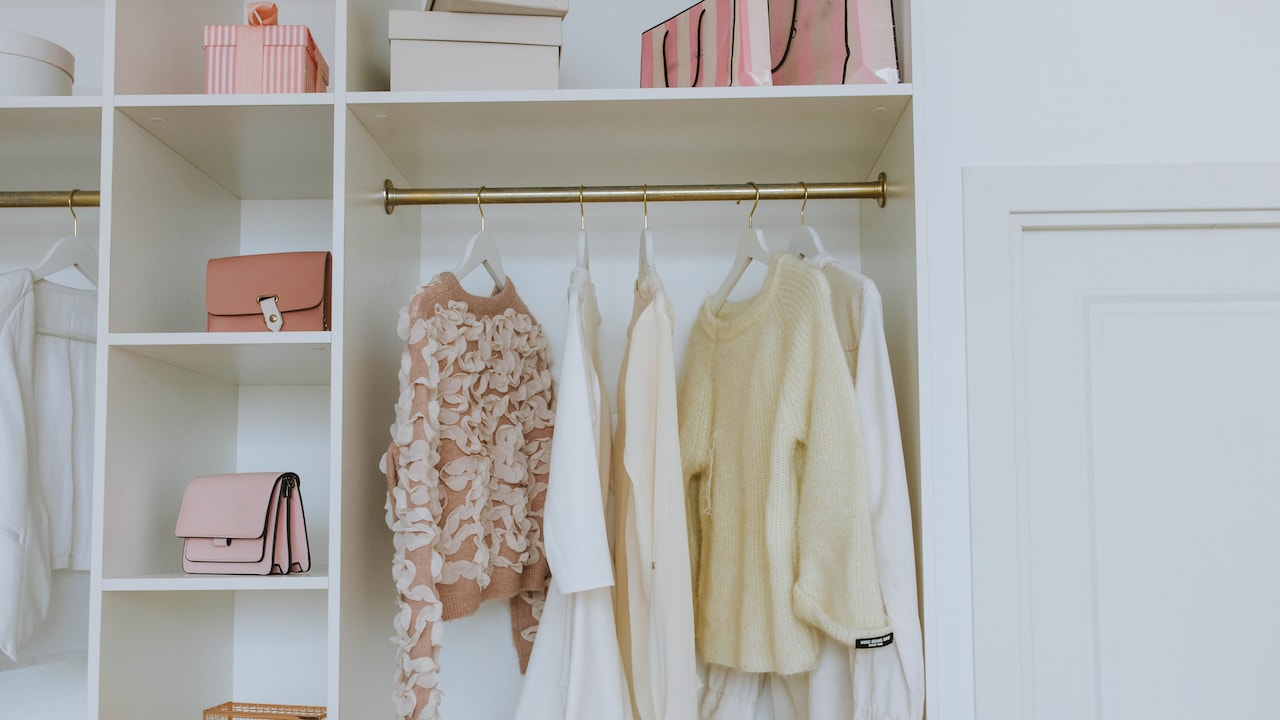
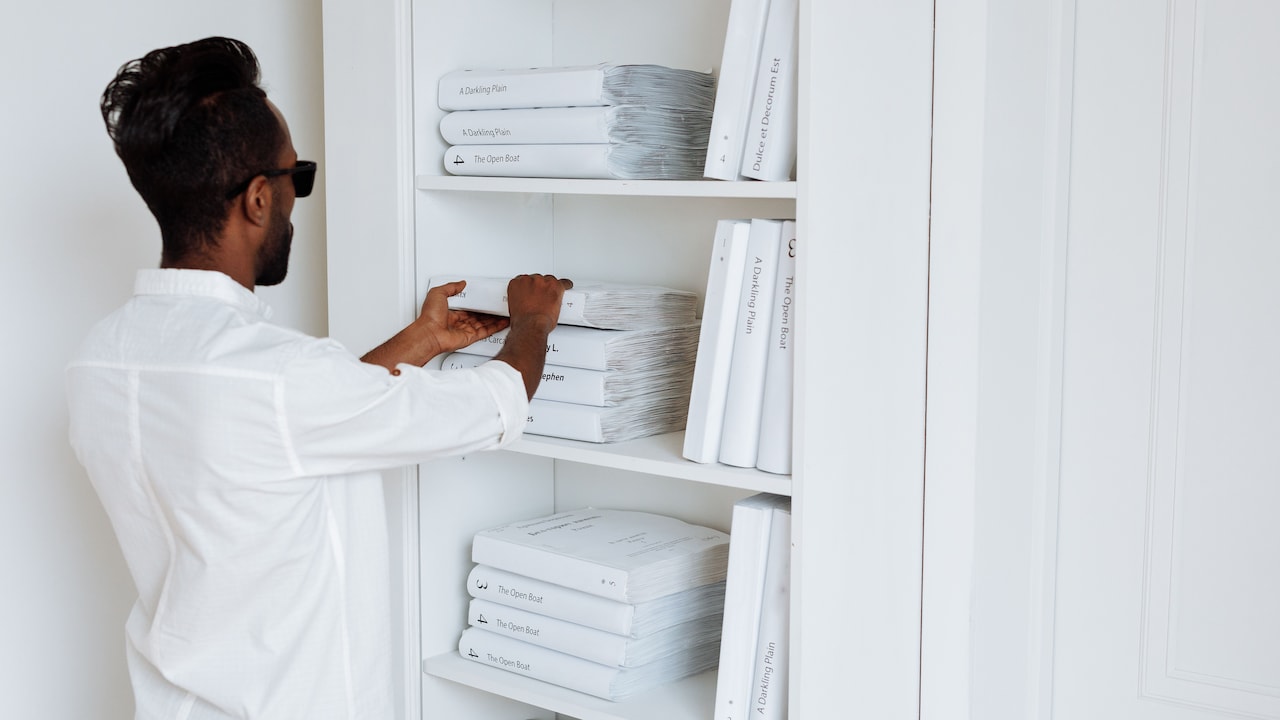
A row of beige baskets can make even a chaotic cupboard look calm. Matching spice jars promise culinary confidence. Coordinated boxes seem capable of turning a crowded bedroom into a peaceful retreat. Home organisation has become closely linked with visual harmony, helped along by glossy catalogues, social media makeovers and shops filled with attractive storage solutions. Yet matching storage often hides clutter rather than solving it. A labelled container may still hold five broken chargers, three mystery keys and a warranty card for an appliance that retired years ago. The surface looks tidy, but the confusion remains.
Does Matching Storage Really Make Your Home More Organised?; Photo Credit: Pexels
A genuinely organised home does not need to resemble a showroom. It needs to make daily life easier. People should be able to find what they need, put it back without effort and understand when a space has reached its limit. Matching storage can support that goal, but it cannot replace decision-making. Before buying another set of boxes, it helps to examine the clutter myth hiding behind the coordinated lids.
Why Matching Storage Does Not Always Solve Clutter
1. Matching Containers Create Visual Calm, Not Automatic Order
There is no denying the appeal of matching storage. When boxes share the same colour, shape and size, a room appears quieter. Visual noise reduces, shelves look balanced, and even an ordinary utility area gains a polished finish. That sense of calm matters, especially in compact flats where open shelves remain constantly visible.
The problem begins when visual calm gets mistaken for functional order. Ten matching baskets may look impressive, but their contents can still be completely random. One might contain medicines, sewing supplies, old bills and a single birthday candle. Another may hold cables that belong to devices nobody owns anymore. The containers match; the logic does not.
Good organisation answers simple questions. What belongs here? How often is it used? Can every family member find it? Can it be returned easily? A coordinated appearance offers no guarantee that these questions have been answered.
Matching containers work best after belongings have been sorted and reduced. Otherwise, they simply give clutter a smart uniform and invite it to stay longer.
Also Read: 10 Best Home Organisers Under ₹1,200 to Declutter And Maximise Space
2. Buying Storage Before Decluttering Often Creates More Clutter
A trip to a homeware shop can feel wonderfully productive. There are drawer dividers, stackable tubs, rotating trays and baskets in every possible shade of calm. Spending ₹2,000 on organisers may seem like the first brave step towards a tidier home.
Unfortunately, buying storage before decluttering often adds another layer to the mess. New boxes arrive, but old belongings remain untouched. The household now owns the original clutter plus a fresh collection of containers. Some fit awkwardly. Others remain empty. A few become temporary dumping grounds within days.
Decluttering must come first because it reveals what actually needs to be stored. Once duplicates, damaged items and unused purchases leave the space, fewer organisers may be necessary. The right solution could be one tray rather than six boxes.
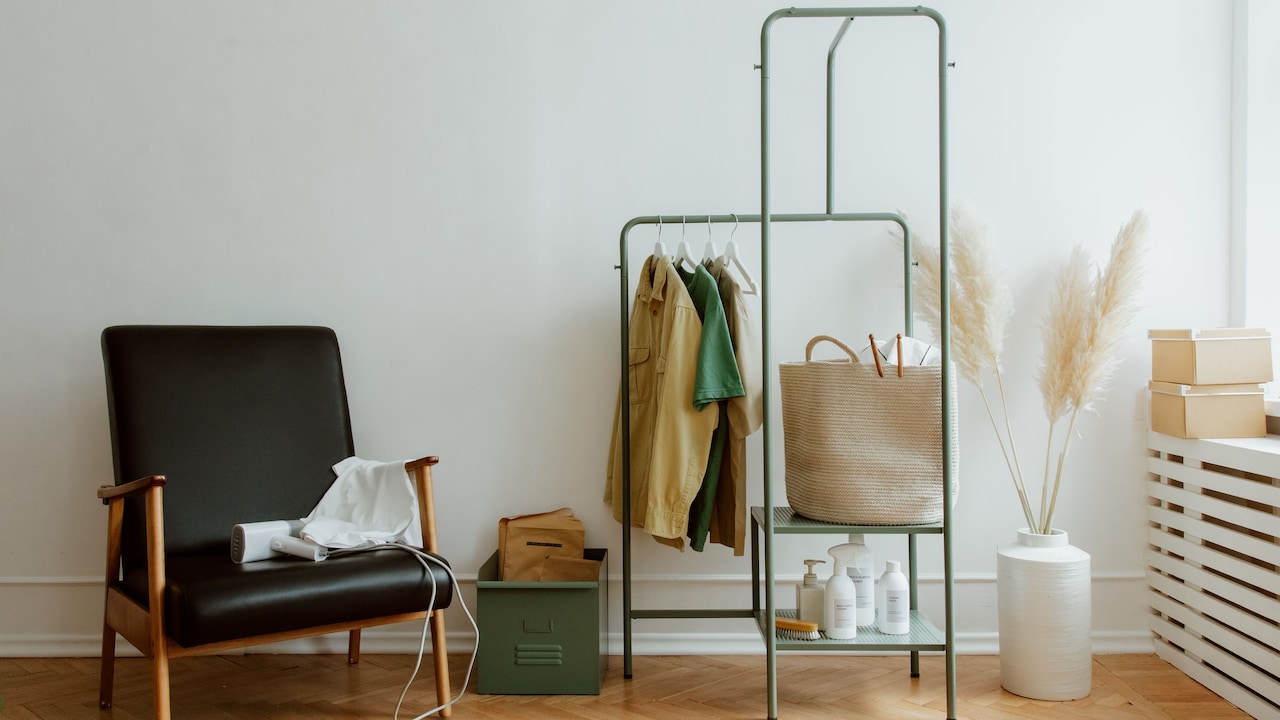
Measure shelves only after deciding what deserves to stay. Notice how frequently each item is used and where it naturally gets dropped. Storage should respond to real behaviour, not shopping excitement. Otherwise, the organiser becomes yet another object waiting to be organised.
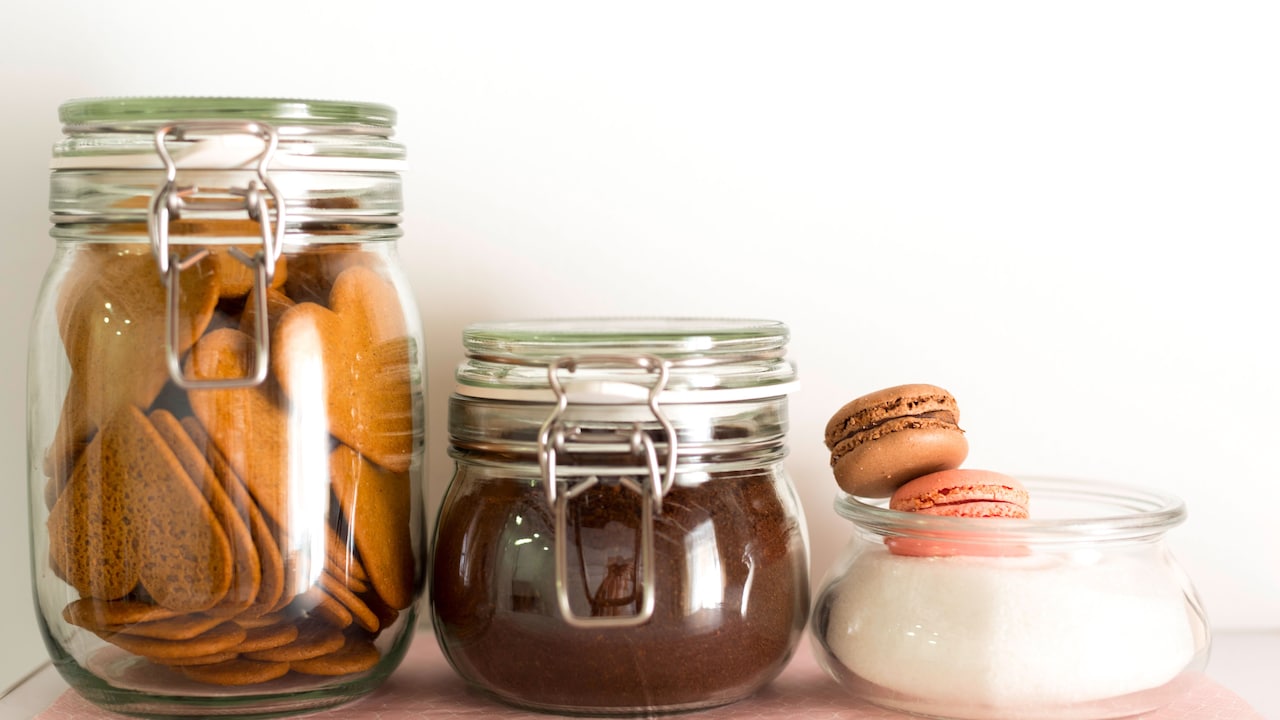
Does Matching Storage Really Make Your Home More Organised?; Photo Credit: Pexels
3. Hidden Clutter Is Still Clutter
A closed cupboard can offer instant emotional relief. Shut the door, and the room appears transformed. Visitors see clear surfaces, the family enjoys a temporary sense of control, and the overflowing shelf becomes tomorrow's problem.
Matching storage makes this disappearing act even more convincing. Opaque boxes hide tangled wires, duplicate toiletries, forgotten paperwork, and clothes waiting for an imaginary occasion. Everything looks contained, but nothing has truly been resolved.
Hidden clutter causes practical trouble. It encourages repeated purchases because nobody remembers what already exists. A new packet of batteries appears while two older packets sit beneath a pile of instruction manuals. Another bottle of floor cleaner enters the house because the first three are buried at the back.
Useful storage should make possessions easier to understand, not easier to forget. Clear containers, simple labels or shallow drawers can help, but regular editing matters more. Every cupboard needs breathing room and visible boundaries.
Closing a door is sometimes necessary. Pretending the contents no longer count is where the trouble begins.
4. Labels Cannot Rescue Confusing Categories
Labels have become the fashionable signature of an organised home. A neat sticker reading “Essentials” or “Miscellaneous” looks reassuring, particularly when written in an elegant font. Yet vague labels often disguise vague thinking.
What exactly belongs in “Essentials”? Medicines, passports, spare buttons, torch batteries and emergency cash could all qualify. “Miscellaneous” is even more dangerous. It becomes a polite name for objects that have no proper home.
Strong categories reflect how people search for things. A box marked “Phone Chargers” gives a clear instruction. A file labelled “Electricity Bills 2026” removes guesswork. A kitchen container marked “Baking Tools” works only when the household actually bakes and knows what counts as a baking tool.
Too many categories can also make storage exhausting. Nobody wants to conduct a small administrative enquiry before putting away scissors. Categories should feel obvious, broad enough to maintain and specific enough to be useful.
A label is merely a signpost. When the destination makes no sense, beautiful lettering cannot prevent everyone from getting lost.
5. Real Organisation Must Match Daily Habits
Homes often become disorganised because storage systems fight natural behaviour. Shoes gather near the entrance because that is where people remove them. Bags land on dining chairs because no hook exists nearby. Letters collect on the kitchen counter because the filing cabinet lives in another room.
An attractive system placed in the wrong location rarely survives. Family members may admire it for a week, then return to their usual habits. This is not laziness. It is evidence that the system demands too much effort.
Effective storage begins by observing where clutter naturally appears. A small tray near the door may handle keys better than a matching box hidden inside a cupboard. Open hooks may suit frequently used bags better than zipped fabric cases. A basket beside the sofa may control newspapers more successfully than a magazine rack across the room.
Organisation should shorten routines, not create new chores. The best system feels almost invisible because it works with everyday movement. When storage matches behaviour, tidiness becomes easier to maintain without repeated lectures or dramatic weekend clean-ups.
6. Too Much Storage Can Encourage Too Much Stuff
More storage sounds like an obvious solution to clutter. A larger wardrobe, extra cabinets or a bed with built-in drawers promises valuable space. Yet additional capacity often invites additional possessions.
Empty shelves rarely stay empty. Sale purchases, festival decorations, unused gifts and “might need it someday” objects slowly occupy them. Soon, the new cupboard becomes as crowded as the old one. The home gains furniture, but not freedom.
Storage needs limits. A single shelf for towels encourages sensible quantities. A fixed drawer for takeaway containers prevents lids from multiplying like enthusiastic relatives at a wedding. When the space fills, something must leave before something new enters.
This boundary is more powerful than endless expansion. It turns storage into a decision-making tool rather than a hiding place.
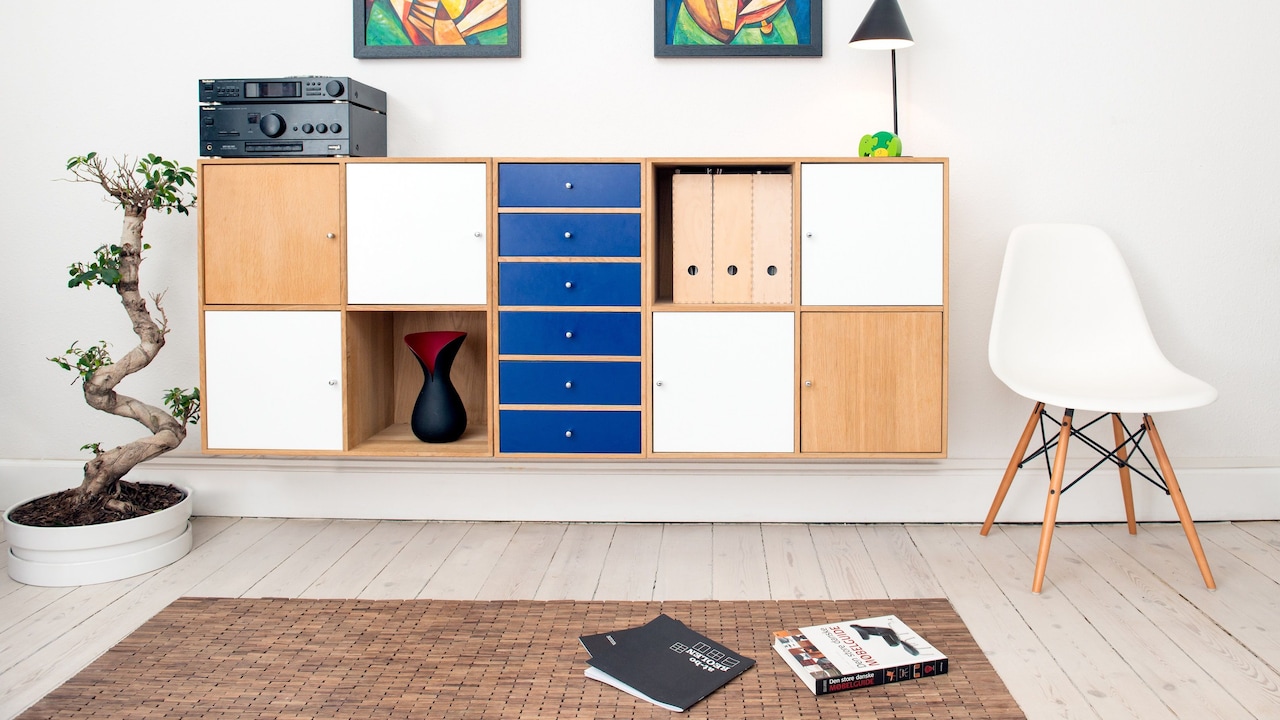
Before adding another cabinet, consider whether the problem is insufficient space or excessive ownership. Many homes do not need a cleverer way to keep everything. They need permission to release items that no longer serve a purpose, hold meaning or support daily life.
Does Matching Storage Really Make Your Home More Organised?; Photo Credit: Pexels
7. Perfect Symmetry Can Waste Valuable Space
Matching containers often create symmetry, but symmetry is not always efficient. Identical boxes may leave awkward gaps on shelves or force small objects into oversized containers. A tall basket can waste vertical space when its contents occupy only the bottom third.
Homes contain belongings of different shapes and sizes. Pressure cookers, school supplies, jewellery, winter blankets and cleaning products cannot all thrive in the same style of box. Forcing everything into matching storage may create an attractive arrangement with surprisingly poor capacity.
Flexible organisation uses the space intelligently. A narrow tray may suit cutlery, while a deep basket handles bulky packets. Adjustable dividers can serve a desk drawer better than fixed compartments. Reused jars may organise small hardware more effectively than an expensive coordinated set.
Visual consistency can still appear through repeated colours, simple labels or similar materials. Every container does not need to be identical.
A home is not a shop display. Practical variation often produces better results than flawless symmetry. The aim is to use space well, not to make every shelf ready for a photoshoot.
8. Family-Friendly Systems Matter More Than Stylish Ones
A storage system succeeds only when the people living in the home can use it. A perfectly arranged cupboard may fail if children cannot reach their school supplies or older family members struggle with heavy lids. Beautiful boxes become barriers when they demand too much lifting, opening or remembering.
Shared homes need simple rules. Frequently used items should sit within comfortable reach. Children benefit from broad, recognisable categories such as “Art Materials” or “Outdoor Toys”. Everyday kitchen tools should remain close to the area where they are used. Labels can include pictures when younger children share the space.
Family habits also differ. One person may happily fold every T-shirt into precise rectangles, while another treats folding as an unreasonable demand from civilisation. Open shelves, hooks or baskets may work better than systems requiring perfect technique.
Organisation should reduce conflict rather than create another standard everyone keeps failing to meet. A slightly imperfect basket that the whole family uses is more valuable than a flawless drawer maintained by one exhausted person. Ease, access and cooperation create lasting order.
9. Sentimental Clutter Needs Decisions, Not Decorative Boxes
Sentimental possessions are difficult to organise because they carry stories rather than simple functions. Old greeting cards, childhood drawings, wedding invitations and inherited objects can make decluttering feel disloyal. Matching memory boxes seem to offer a gentle compromise: keep everything, but make it look orderly.
Yet emotional clutter still needs boundaries. When every school notebook, faded ribbon and souvenir enters storage, meaningful objects lose their importance. Treasures become buried beneath items kept through guilt or habit.
A better approach is to choose what represents the memory most clearly. One favourite drawing may capture a school year better than an entire stack. A few photographs can preserve an event without keeping every decorative item associated with it. Digital copies may protect letters or artwork when physical space is limited.
A dedicated memory box can help, but its size should remain fixed. The boundary encourages thoughtful selection.
Letting go of an object does not erase the person, celebration or chapter connected with it. Memories live through stories and relationships, not through an unlimited supply of coordinated containers.
10. Maintenance Determines Whether Any System Works
Even the smartest storage system will fail without maintenance. Homes are active spaces. Groceries arrive, children grow, hobbies change, and paperwork appears with remarkable confidence. Organisation is not a one-time makeover; it is a small, repeating practice.
Matching storage may make maintenance more pleasant, but regular attention keeps it functional. A five-minute evening reset can return objects to their places. A monthly cupboard check can remove expired products and unwanted duplicates. Seasonal reviews help clothing, decorations and bedding stay relevant.
The system must also change when life changes. A shelf once used for baby supplies may later serve schoolbooks. A home office created during a busy work period may need rethinking when routines shift. Holding on to an outdated system can create as much frustration as holding on to outdated possessions.
The goal is not permanent perfection. It is quick recovery. An organised home can become messy during a hectic week, then return to order without a heroic cleaning campaign. That resilience matters far more than matching lids.
Products Related To This Article
1. TEX-RO Plastic Wardrobe for Clothes: Versatile Plastic Cupboard for Storage Organizer
2. JD FRESH 5 Tier X-Large Cupboard for Storage
3. BAMEOS 4 Tier Foldable Plastic Rack for Storage
4. MECHDEL Wardrobe Organizer for Storage
5. 12 Door Plastic Wardrobe for Kids
6. mechdel Cupboard Rack for Clothes Plastic Cabinet
7. Lukzer | MGR-002 | Gold | Metal Garment Rack with Wheels
Matching storage is not useless. It can reduce visual noise, make shelves easier to scan and bring a welcome sense of calm to busy rooms. Problems arise only when containers become a substitute for sorting, reducing and making clear decisions.
A home becomes organised when possessions have sensible places, limits feel visible and everyday routines remain easy. The right storage may include coordinated baskets, reused cartons, open hooks, clear jars and one slightly battered tray near the entrance. It does not need to look perfect to work beautifully.
Before purchasing another matching set, examine what the space truly needs. Remove what no longer belongs, group what remains and notice how the household actually behaves. Then choose storage that supports those habits.
Order does not come from making every box look the same. It comes from knowing what each box contains, why it deserves space and how easily it can return there after use.
(Disclaimer: This article may include references to or features of products and services made available through affiliate marketing campaigns. NDTV Convergence Limited (“NDTV”) strives to maintain editorial independence while participating in such campaigns. NDTV does not assume responsibility for the performance or claims of any featured products or services.)