Why Microfibre Cloths Stop Absorbing Water After A Few Washes
Microfibre cloths lose absorbency when detergent, fabric conditioner, grease, lint, minerals or heat clog and damage their fine fibres. The right washing and drying habits can restore performance and extend their life.
Why Microfibre Cloths Stop Absorbing Water After A Few Washes
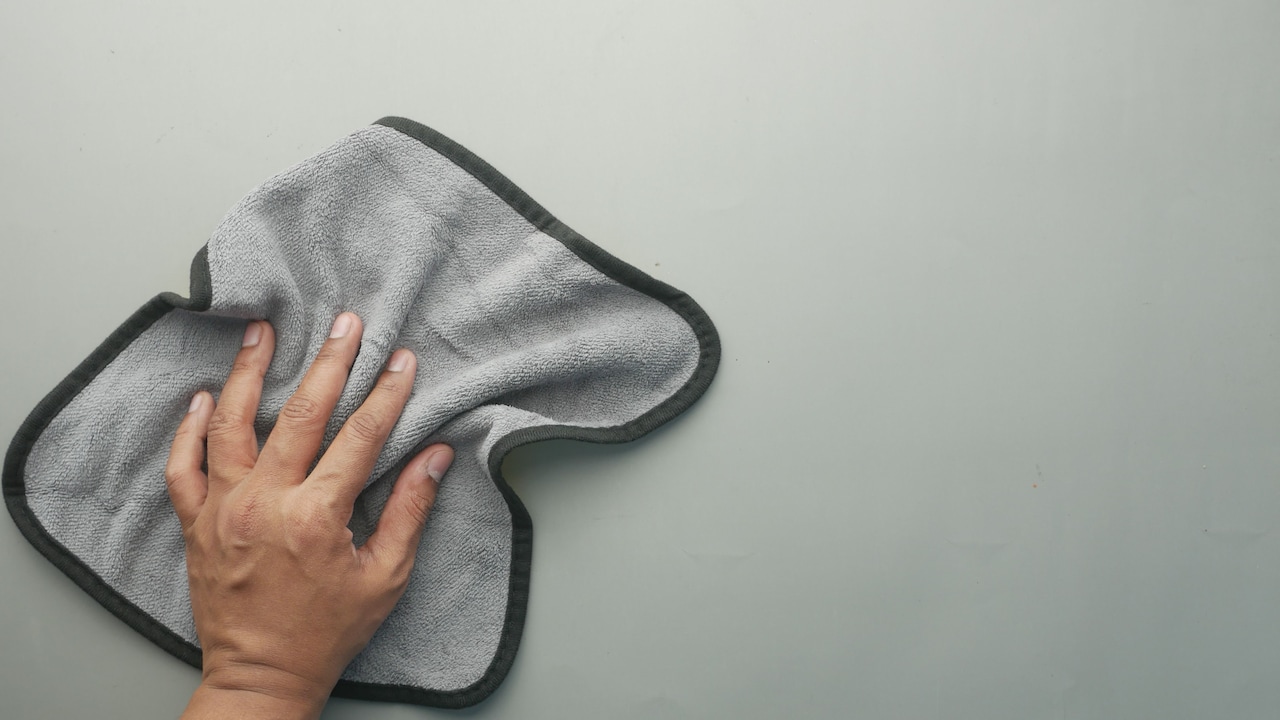
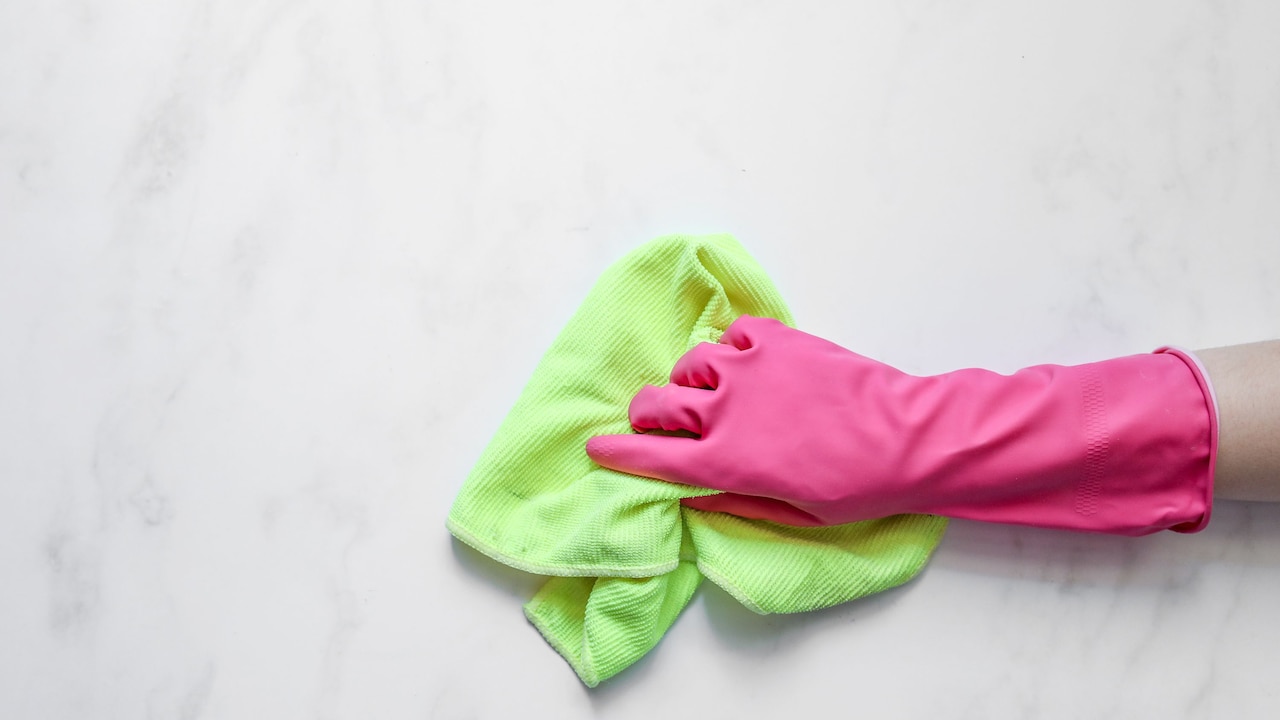
Few household cleaning tools make a better first impression than a fresh microfibre cloth. It glides across a wet counter, drinks up every drop and leaves behind a neat, streak-free surface. For a while, it seems like the quiet superstar of the cleaning cupboard. Then something changes. After a few trips through the washing machine, the cloth stops behaving like a thirsty sponge. Water sits on top of it. Kitchen spills get pushed from one side of the slab to the other. Mirrors develop cloudy streaks, and the once-fluffy fabric starts feeling waxy or strangely smooth. The cloth has not forgotten its job. Its structure has simply become clogged, damaged or coated.
Why Microfibre Cloths Stop Absorbing Water After A Few Washes
Photo Credit: Pexels
Microfibre works because thousands of extremely fine synthetic strands create spaces that trap water, dust and oil. These strands need to remain open and clean. Common laundry products and washing habits can fill those spaces or flatten the fibres. The good news is that most absorbency problems can be prevented, and many affected cloths can recover.
Common Reasons Microfibre Cloths Lose Their Absorbency
Fabric Conditioner Coats The Tiny Fibres
Fabric conditioner makes shirts and bedsheets feel soft because it leaves a thin lubricating coating on their fibres. That pleasant softness may suit a cotton kurta, but it causes trouble for microfibre cloths.
Microfibre depends on countless microscopic gaps. These gaps pull in moisture and hold it through capillary action. When fabric conditioner covers the strands, it seals many of those gaps. The cloth may still feel smooth, but water can no longer travel easily into its structure. Instead, droplets remain on the surface or slide away.
Even a small amount can create problems. Conditioner left inside the washing machine dispenser or drum may transfer to a load of cleaning cloths. Dryer sheets can cause similar damage because they release softening chemicals during drying.
The safest rule is simple: keep microfibre away from all fabric-softening products. Wash it separately when possible, especially after a regular laundry cycle that used conditioner. An empty rinse cycle can help clear the machine first. That extra step may seem fussy, but it protects cloths that might otherwise need replacing far too soon.
Too Much Detergent Leaves A Sticky Residue
More detergent does not always mean cleaner laundry. In the case of microfibre, an enthusiastic pour can produce the opposite result.
Microfibre strands are exceptionally fine and densely packed. They trap detergent easily, especially when the washing machine uses a short cycle or too little water. If the detergent does not rinse away fully, it settles between the fibres and forms a sticky layer. That layer attracts grime and blocks moisture.
The cloth may come out smelling fresh, yet perform badly. A tell-tale sign appears when it feels slightly stiff, slippery or soapy after drying. It might also create foam when placed under running water, even though the wash finished hours earlier.
Use a small quantity of mild liquid detergent. Heavily perfumed formulas, built-in softeners and thick washing gels often leave more residue. Powder can also lodge between the fibres if it fails to dissolve.
An extra rinse cycle can make a noticeable difference. It removes trapped soap without requiring harsh chemicals. In many homes, cutting the detergent quantity also reduces monthly laundry costs. A modest scoop often cleans better than a generous one when the goal involves preserving delicate fibre performance.
High Washing Temperatures Can Damage The Structure
Microfibre cloths usually contain polyester and polyamide, both of which are synthetic materials. They tolerate regular cleaning, but extreme heat can weaken or distort their fine structure.
Hot water softens synthetic fibres. Repeated exposure may cause them to curl, flatten or fuse together. Once that happens, the spaces that once drew in water become smaller or disappear. The cloth may look normal from a distance, but its microscopic architecture has changed.
A steaming wash can feel reassuring after wiping a greasy stove or dusty window grille. However, hotter does not automatically mean more hygienic or effective. A warm cycle, combined with a suitable detergent and proper drying, usually handles everyday cleaning well.
Check the care label before choosing a temperature. Many microfibre products perform best at around 30°C or 40°C. Cloths used for heavier messes may tolerate warmer settings, but boiling water remains risky unless the manufacturer specifically permits it.
In places where summer tap water already feels warm, there is rarely any need to raise the temperature aggressively. Gentle washing protects the cloth's shape, saves electricity and keeps its water-grabbing ability intact for longer.
Grease Builds Up Between The Strands
Kitchen microfibre cloths face a difficult life. They wipe oil splashes, masala stains, butter marks and greasy fingerprints. A quick rinse may remove the visible mess, but oily residue often remains deep inside the fabric.
Water alone struggles to remove fat. Over time, grease coats the fine strands and changes how they interact with moisture. Since oil repels water, a greasy cloth may begin behaving like a raincoat. Droplets gather on the surface instead of sinking in.
This problem often appears after cleaning chimneys, gas hobs, tiled backsplashes or containers used for ghee. The cloth may also develop a stale smell, particularly in humid weather.
Rinse greasy cloths soon after use rather than leaving them folded near the sink. Wash them with a small amount of grease-cutting liquid detergent and warm water. Avoid mixing them with lightly used dusting cloths, as oil can spread throughout the load.
For stubborn build-up, soaking the cloth briefly in warm water with a little plain detergent can loosen the residue. A thorough rinse matters afterwards. The aim is to remove the grease, not replace it with a layer of soap.
Washing Microfibre With Cotton Causes Lint Clogging
A microfibre cloth acts like a magnet for loose particles. That quality helps it collect dust from shelves and screens, but it becomes a disadvantage inside a mixed laundry load.
Cotton towels, bath mats and everyday garments release tiny pieces of lint during washing. Microfibre grabs those particles and holds them tightly. The lint fills the gaps between the synthetic strands, reducing the cloth's ability to absorb water and pick up dirt.
The damage may appear harmless at first. A few white specks on a dark cloth do not look serious. After several mixed washes, however, the surface can feel rough and less flexible. It may leave fluff on glass, steel or polished furniture.
Wash microfibre cloths together and keep cotton items separate. This approach also prevents cleaning cloths from transferring grease or dirt onto clothes.
A mesh laundry bag can help when only a few cloths need washing. It keeps them together and reduces contact with lint-producing fabrics. Still, a separate cycle works best when practical.
That small change often solves the mystery of why a cloth looks clean yet performs like an old handkerchief caught in a drizzle.
Why Microfibre Cloths Stop Absorbing Water After A Few Washes
Photo Credit: Pexels
Tumble-Dryer Heat Can Melt Fine Fibres
A tumble dryer offers speed and convenience, especially during the monsoon when clothes seem determined to remain damp forever. Yet high dryer temperatures can shorten the life of microfibre cloths.
The fibres are much thinner than human hair. Strong heat can soften their tips, cause strands to stick together or permanently flatten the fabric. The cloth may lose its fluffy feel and become smooth, shiny or stiff. Once the fibres fuse, washing cannot fully separate them again.
Dryer sheets add another problem. Their softening agents transfer onto the cloth and create a water-repelling coating.
Air-drying remains the safest choice. Hang cloths in a shaded, well-ventilated area and spread them out properly. Harsh sunlight for long periods may also weaken some synthetic materials, so baking them on a scorching terrace all afternoon offers no advantage.
When tumble drying becomes unavoidable, choose the lowest heat setting and skip dryer sheets entirely. Remove the cloths as soon as they dry rather than leaving them inside a hot drum.
Microfibre dries quickly because it holds less internal moisture than thick cotton. A little patience usually protects both the fabric and the electricity bill.
Chlorine Bleach Breaks Down The Material
Bleach can make stained laundry look brighter, but chlorine-based products treat microfibre harshly. They attack the polyamide portion of the fabric and weaken the fine strands responsible for absorbency.
Repeated bleaching may create several changes. The cloth can lose colour, develop rough patches or become thin in certain areas. More importantly, damaged fibres cannot trap moisture and dirt efficiently. The cloth may still look usable, yet its cleaning power drops sharply.
A stained cloth does not always need bleaching. Cleaning tools naturally collect marks, especially after tackling turmeric, tea, coffee or tomato gravy. A pale yellow patch may look dramatic, but it does not necessarily mean the cloth remains dirty.
Wash stains promptly with mild detergent. For tougher marks, use an oxygen-based laundry product only when the care label allows it. Oxygen cleaners generally act more gently than chlorine bleach, though proper dilution still matters.
Avoid mixing cleaning chemicals in an attempt to rescue a cloth. Some combinations release dangerous fumes, and no ₹100 cleaning cloth deserves a chemistry experiment in the bathroom.
A slightly discoloured cloth that still absorbs well remains more useful than a spotless one with damaged fibres.
Also Read: Top 7 Cleaning Tools That Reach The Spots Most People Ignore
Ironing Flattens The Absorbent Surface
Microfibre cloths rarely need to look crisp. Yet they sometimes end up in an ironing pile alongside napkins, pillow covers and kitchen towels. One pass of a hot iron can cause lasting trouble.
Direct heat presses the raised fibres flat. At higher temperatures, it may also soften or melt the synthetic strands. The cloth loses the textured surface that helps it pull water into its microscopic channels.
Ironing can create a deceptive finish. The cloth may look neat and feel smooth, but that polished surface works against absorption. It starts smearing spills rather than collecting them.
The solution requires almost no effort: do not iron microfibre. After washing, shake each cloth gently and hang it flat or drape it over a drying rack. This helps the fibres remain open as they dry.
Avoid placing heavy objects on damp cloths too. A pile of wet cleaning rags left beneath a bucket can compress the surface and encourage unpleasant smells.
Domestic habits often favour tidy stacks and sharp folds, but microfibre prefers a less disciplined life. Let it stay slightly fluffy and informal. Its job involves cleaning a home, not attending a wedding reception.
Hard-Water Minerals Settle Inside The Cloth
Many households receive hard water containing high levels of calcium and magnesium. These minerals can collect inside washing machines, kettles, taps and, unfortunately, microfibre cloths.
During repeated washes, mineral deposits settle between the strands. The fabric gradually becomes stiff and less absorbent. Detergent also reacts poorly with hard water, which can create additional residue. Together, soap and minerals form a dull coating that blocks the spaces needed to trap moisture.
The signs often appear slowly. A cloth that once felt soft becomes scratchy. Glass develops streaks after wiping, and the fabric may look grey even after washing.
An occasional rinse with diluted white vinegar can help dissolve mineral and detergent build-up. Use only a small amount in the rinse compartment and never combine vinegar with chlorine bleach. Run another plain-water rinse when necessary to remove the smell.
A washing-machine water softener may also help in areas with severe hardness, provided it suits the appliance and fabric instructions.
Hard water rarely announces itself dramatically. It works quietly, wash after wash, until the cloth behaves more like a plastic sheet than an absorbent cleaning tool.
Improper Drying Encourages Odour And Residue
A damp microfibre cloth rolled into a ball creates the perfect setting for unpleasant smells. Moisture, trapped dirt and poor airflow allow bacteria and residue to build up quickly.
This does more than create a sour odour. Dirt and organic matter settle deeper into the cloth while it remains damp. When the cloth finally dries, those particles harden between the fibres. The next time it meets water, absorption feels slower and the smell may return immediately.
The familiar habit of leaving a wet cloth on the edge of the sink often causes the problem. In humid weather, the centre may stay damp for hours even when the outer surface feels dry.
After use, rinse the cloth thoroughly and hang it open. Do not leave it soaking in dirty water or buried beneath other cleaning rags. Wash heavily soiled cloths soon rather than waiting for the weekend laundry load.
Make sure every cloth dries completely before folding or storing it. A ventilated basket works better than a sealed plastic box.
Freshness does not come from strong perfume. It comes from removing dirt, rinsing well and allowing air to finish the job.
Why Microfibre Cloths Stop Absorbing Water After A Few Washes
Photo Credit: Pexels
Products Related To This Article
1. SOFTSPUN Microfiber Cloth Silk Banded Edges
2. ShineXPro Microfiber Cloth For Car
3. SOFTSPUN Microfiber Double Side Chenille Mitt
4. Humble Ultra Soft Microfiber Cleaning Cloth
5. ShineXPro Microfiber Cleaning Cloth Roll
6. Dylect® 400 GSM Microfiber Cleaning Towels for Car
7. Castrol Microfibre Cloth 400 GSM Thick (40x40cm)
Microfibre cloths rarely stop absorbing water without a reason. Their performance declines when products, minerals, grease, lint or heat interfere with the tiny strands that make them effective.
Fabric conditioner and excess detergent coat the fibres. Hot water, tumble dryers and irons can flatten or melt them. Grease repels moisture, while cotton lint and hard-water deposits clog the gaps. Even something as simple as leaving a wet cloth crumpled near the sink can shorten its useful life.
Fortunately, caring for microfibre does not require expensive products or complicated routines. Use a little mild detergent, choose a cool or warm wash, rinse thoroughly and keep the cloths away from conditioner, bleach and strong heat. Wash them separately from cotton and let them air-dry fully.
A good-quality cloth can survive many cleaning cycles when treated properly. That means fewer replacements, less household waste and more value from every rupee spent. Most importantly, the cloth returns to doing what it promised on day one: soaking up the mess instead of spreading it across the kitchen counter.
(Disclaimer: This article may include references to or features of products and services made available through affiliate marketing campaigns. NDTV Convergence Limited (“NDTV”) strives to maintain editorial independence while participating in such campaigns. NDTV does not assume responsibility for the performance or claims of any featured products or services.)






![Steam Iron Teflon Shoe Cover for ES-300,ST-96 [Only For ES-300 and ST-96 Model Electric Steam Irons]](https://m.media-amazon.com/images/I/51wwkttondL._SL160_.jpg)