Manual or Electric Breast Pump: Which Is More Comfortable And Efficient For Daily Use?
Manual vs electric breast pumps: comfort matters. This comparison breaks down ease of use, physical comfort, noise, and daily practicality to help choose the option that best fits real routines and needs.
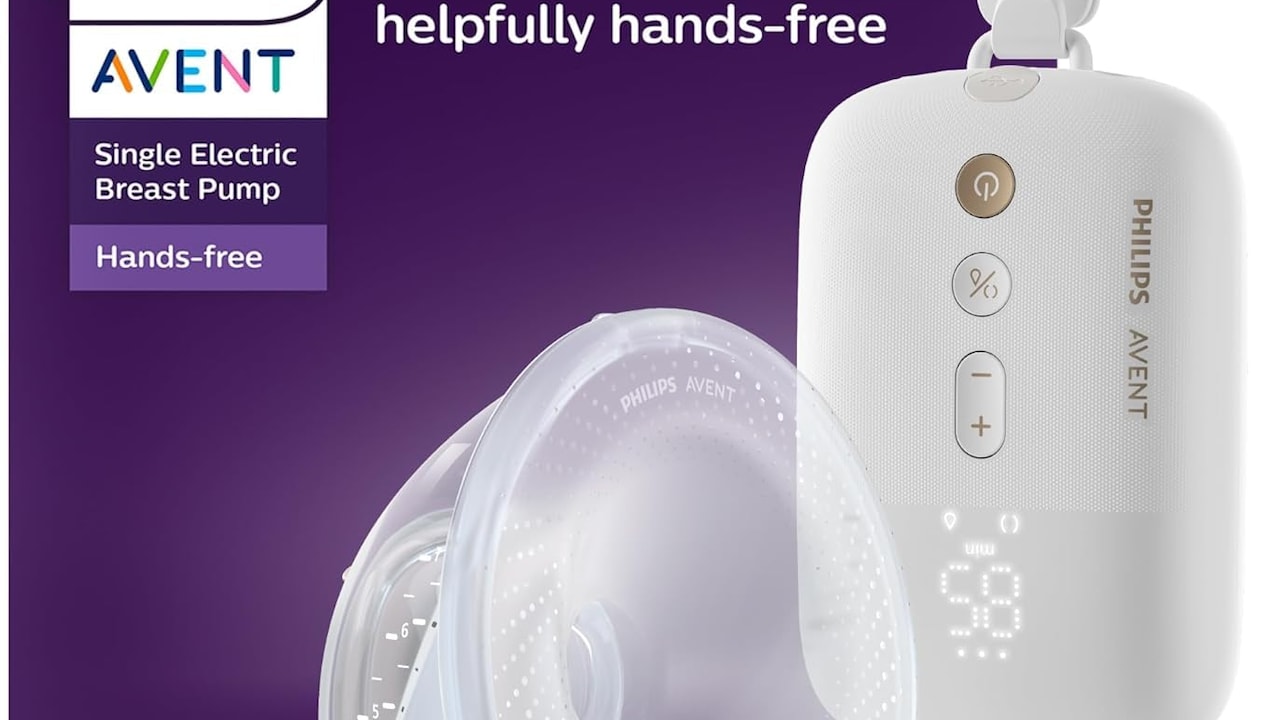
Breast Pump Comparison - Manual vs Electric: Know Which One Is More Comfortable.
Breastfeeding journeys rarely follow a neat rulebook. Some days feel smooth and fulfilling, while others arrive with sore shoulders, tired hands, and a clock that never slows down. In the middle of this, a breast pump often becomes a quiet companion. The question then arises: should the choice lean towards a manual breast pump or an electric one?
Comfort means different things to different people. For some, it is about gentle suction and control. For others, it is about speed, efficiency, and freeing up a hand to sip chai or check on a sleeping baby. This article explores both options in depth, focusing on how they feel during real-life use rather than glossy promises on boxes.
The aim here is not to declare a single winner but to unpack the experience of using each type. From physical strain to emotional ease, from quiet moments at home to busy days outside, every detail matters. Let this comparison guide that decision with warmth, clarity, and a touch of realism.
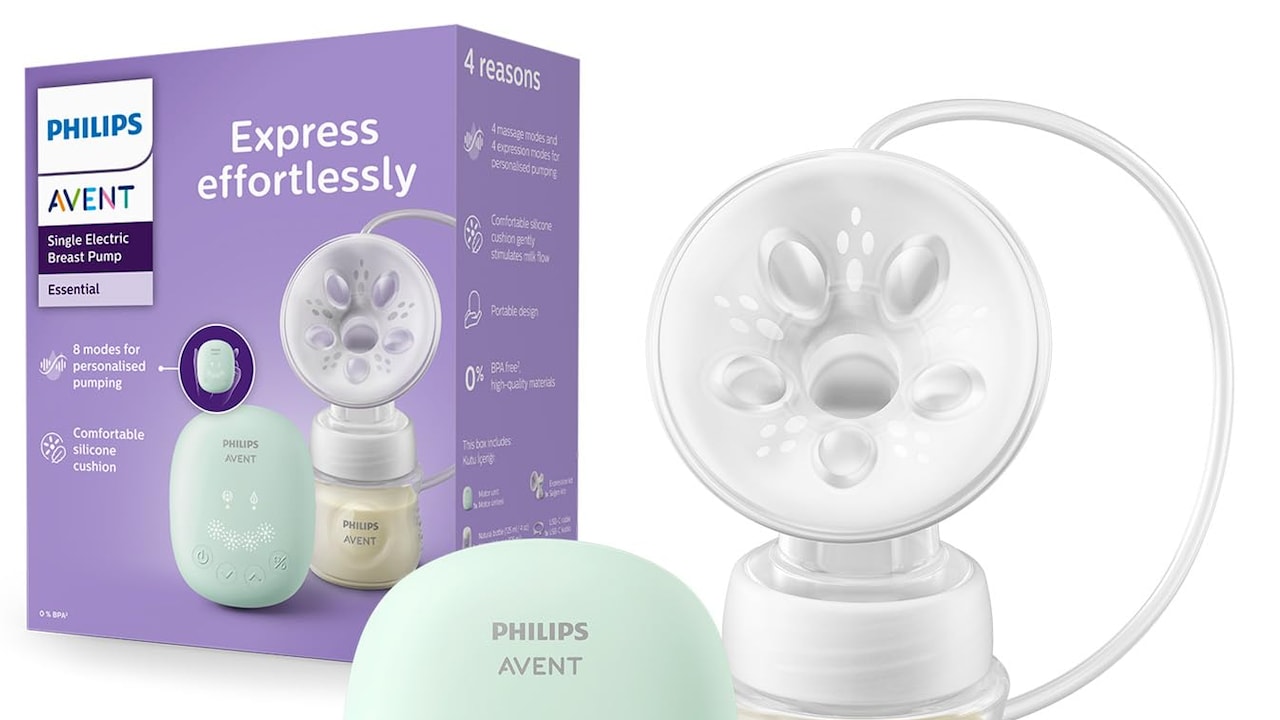
Best Breast Pump Comparison: Manual vs Electric: Which Feels More Comfortable
Photo Credit: Amazon
Breaking Down Comfort: What Really Matters When Pumping
1. Understanding Comfort Beyond Cushioning
Comfort in a breast pump goes far beyond soft silicone shields. It includes how the body feels during and after pumping, how natural the rhythm seems, and how much effort the process demands. Manual pumps often shine here because they allow complete control. The suction can be adjusted instantly, matching natural let-down patterns without sudden pulls.
Electric pumps, on the other hand, rely on preset modes. Many offer stimulation and expression phases, which can feel reassuring once the body adapts. However, the initial sessions may feel overwhelming, especially for first-time users still learning their comfort thresholds.
Another overlooked aspect is posture. Manual pumps encourage sitting upright and staying present. Electric pumps may tempt multitasking, which sometimes leads to awkward positions and shoulder strain. True comfort blends physical ease with mindful use. Understanding this broader picture helps in choosing a pump that supports the body rather than rushing it.
2. Physical Effort and Body Strain
Manual breast pumps demand hand movement, which can feel empowering or exhausting depending on the day. Short sessions feel manageable, even soothing, as the rhythm stays under control. Yet, during longer pumping schedules, wrist and hand fatigue can creep in, especially during night sessions when energy runs low.
Electric pumps reduce physical effort significantly. Once set up, the motor does the work. This suits those pumping several times a day or managing low energy levels. However, comfort may dip if the suction feels too strong or the flange size does not fit well.
Neck and back strain also come into play. Electric pumps, especially double ones, often involve leaning forward to manage tubes and bottles. Manual pumps feel simpler and lighter, allowing relaxed seating. Comfort here depends on pumping frequency, body strength, and daily routine demands.
Also Read: Breast Pump Buying Guide: What Every New Mum Should Know Before Choosing One
3. Emotional Comfort and Sense of Control
Emotional comfort holds as much weight as physical sensation. Manual pumps offer a strong sense of connection. The pace follows the body's signals, creating a calm and reassuring experience. This control can ease anxiety, especially during early weeks when confidence is still building.
Electric pumps bring predictability. Timed sessions and consistent suction reduce guesswork. For some, this structure feels comforting, especially during busy days or shared caregiving schedules. Yet, the mechanical hum may feel impersonal to others, especially during quiet nights.
Emotional ease also links to confidence. Manual pumps may feel less intimidating, with fewer parts and settings. Electric pumps require learning curves, which can feel stressful initially. Comfort grows when the pump aligns with emotional needs, whether that means simplicity or structure.
4. Noise Levels and Mental Ease
Silence carries its own comfort. Manual pumps operate quietly, making them ideal for late-night sessions or shared living spaces. The absence of noise helps maintain a calm environment, which often supports better milk flow.
Electric pumps produce varying noise levels. Modern models are quieter than older ones, yet a gentle hum remains. During daytime use, this rarely matters. At night, however, the sound may feel disruptive, especially in smaller homes where walls carry every vibration.
Mental comfort ties closely to noise. Some find the rhythmic sound reassuring, almost like white noise. Others feel distracted or rushed by it. Manual pumping allows full awareness of surroundings, making it easier to relax. Choosing between silence and sound becomes a personal comfort decision rather than a technical one.
5. Comfort During Long-Term Use
Short-term comfort differs greatly from long-term experience. Manual pumps work well for occasional use, travel, or relieving engorgement. Over weeks and months, however, repeated hand motion may lead to soreness.
Electric pumps suit long-term and exclusive pumping routines. The consistent suction maintains efficiency without physical exhaustion. Comfort improves further with correct flange sizing and adjustable settings.
Maintenance also affects long-term comfort. Manual pumps are easy to clean and assemble, reducing daily hassle. Electric pumps involve multiple parts, which can feel tiring over time. The comfort of a pump extends into routines beyond pumping itself, including cleaning, storage, and setup.
6. Flexibility and Comfort on the Go
Mobility plays a huge role in daily comfort. Manual pumps fit easily into handbags, making them perfect for outings, family visits, or workdays. Their lightweight design and lack of cords allow discreet use almost anywhere.
Electric pumps vary. Some portable models offer battery options, yet they remain bulkier. Managing wires and power sources can feel inconvenient outside home settings. Comfort dips when pumping feels like a logistical task rather than a simple break.
Emotional comfort also matters here. Manual pumps allow quick, low-pressure sessions without drawing attention. Electric pumps may require private spaces and setup time. For those constantly on the move, flexibility becomes a major comfort factor influencing daily ease.
7. Sensitivity and Gentle Pumping
Breast sensitivity varies widely. Manual pumps excel in gentle expression. The suction can be eased instantly, preventing discomfort during tender days. This makes them suitable during early postpartum phases or when nipples feel sore.
Electric pumps offer adjustable suction, yet finding the right setting takes time. Higher suction does not always mean better output and may cause discomfort if misused. Comfort improves once the ideal rhythm is found.
Material quality also matters. Soft silicone shields feel gentler than hard plastic. Both pump types now offer improved materials, yet manual pumps often feel less aggressive due to slower, controlled suction. Comfort here relies on listening to the body rather than chasing speed.
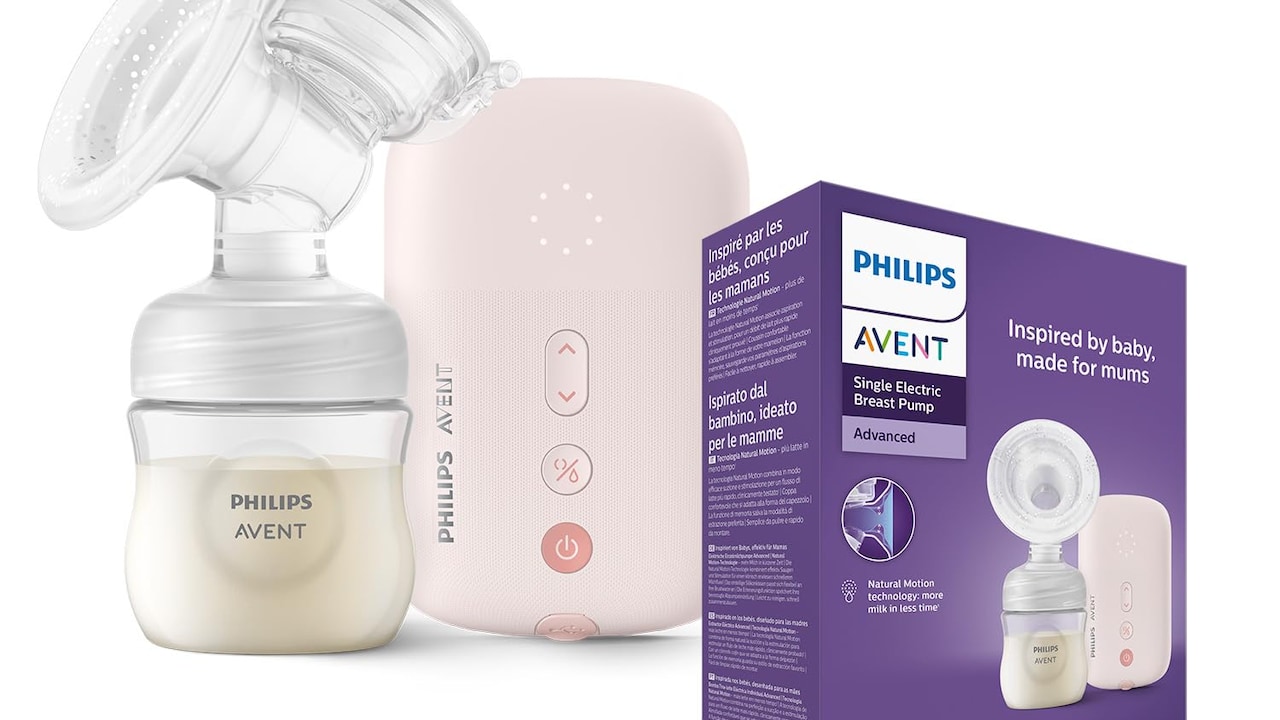
Best Breast Pump Comparison: Manual vs Electric: Which Feels More Comfortable
Photo Credit: Amazon
8. Time Efficiency and Mental Comfort
Time pressure affects comfort more than expected. Manual pumps require active involvement, which may feel slow on busy days. Yet, the focused time can also feel meditative, offering a rare pause.
Electric pumps save time, especially double pumps that express from both sides simultaneously. This efficiency brings mental relief, particularly for those juggling work, home, and childcare. However, faster sessions may feel rushed emotionally.
Comfort balances between time saved and time enjoyed. Some appreciate the quiet slowness of manual pumping. Others value the quick efficiency of electric pumps. Mental comfort grows when the pumping method matches the daily pace rather than fighting it.
9. Budget Comfort and Value for Money
Financial comfort matters just as much. Manual breast pumps cost significantly less, often ranging between ₹800 and ₹2,000. This affordability reduces pressure and regret if preferences change later.
Electric pumps involve higher investment, typically starting around ₹3,000 and rising beyond ₹10,000. While expensive, they offer long-term value for frequent use. Comfort improves when the purchase feels justified rather than burdensome.
Maintenance costs also differ. Manual pumps need fewer replacements. Electric pumps may require spare parts and electricity or batteries. Comfort includes peace of mind, knowing the choice fits both needs and budget without strain.
10. Personal Lifestyle and Daily Rhythm
Lifestyle ultimately shapes comfort. Manual pumps suit relaxed routines, occasional pumping, and those who enjoy control. Electric pumps suit structured schedules, frequent sessions, and multitasking lifestyles.
Household dynamics also matter. Shared caregiving, work-from-home routines, and space availability influence comfort. A pump that fits seamlessly into daily rhythm feels more comfortable than one that disrupts it.
Comfort grows when expectations stay realistic. No pump solves every challenge. The right choice supports daily life rather than adding pressure. Understanding personal rhythm helps in choosing a pump that feels like an ally rather than an obligation.
Products Related To This Article
1. Philips Avent Hands-Free
2. NISCOMED Manual Breast Pump with Soft Silicone Massage Cushion
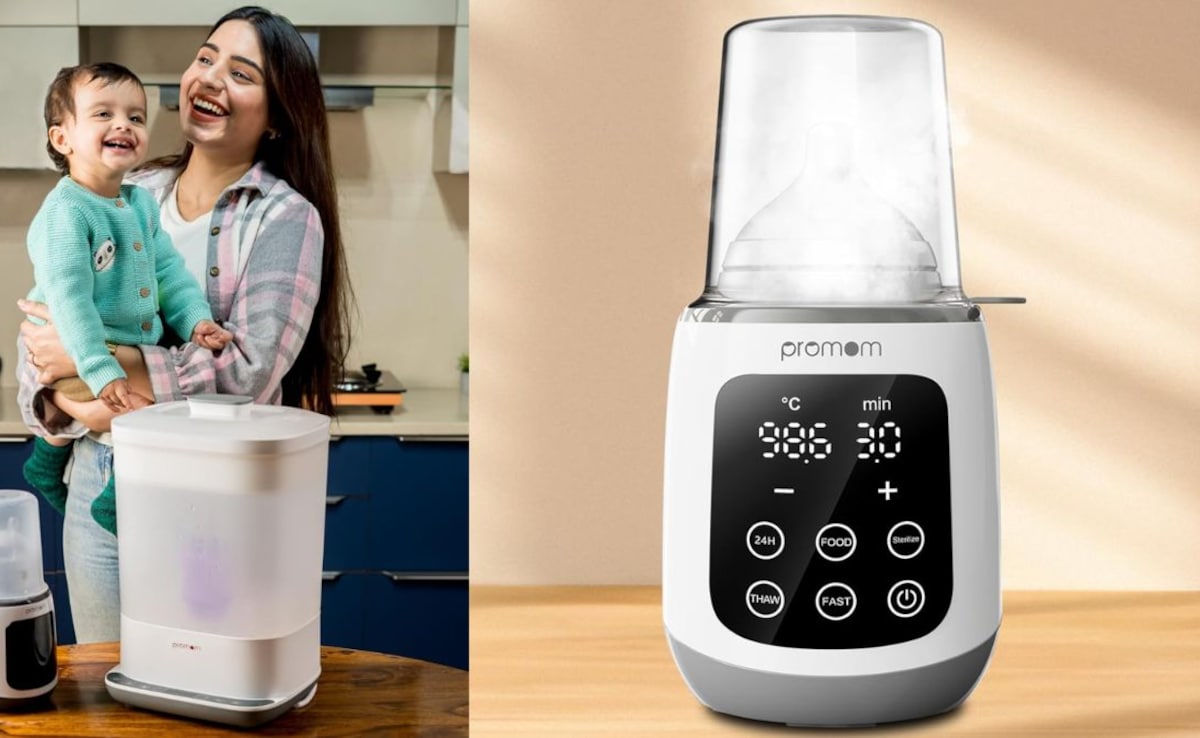
3. Promom Electric Breast Pump, Cordless
4. SYGA Manual Breast Pump with Feeding Nipple White-porcelain
5. Bump2Cradle
Comfort in breast pumping does not follow a single definition. Manual and electric breast pumps each offer distinct experiences shaped by control, effort, time, and emotional ease. Manual pumps feel gentle, quiet, and personal, ideal for flexibility and occasional use. Electric pumps offer efficiency, consistency, and relief from physical effort, especially during long-term routines.
The most comfortable choice depends on daily life, body needs, and emotional preferences. Listening to personal rhythms and staying open to adjustments makes the journey smoother. Breastfeeding and pumping already demand patience and care. The right pump simply supports that journey, offering comfort in moments that matter most.
(Disclaimer: This article may include references to or features of products and services made available through affiliate marketing campaigns. NDTV Convergence Limited (“NDTV”) strives to maintain editorial independence while participating in such campaigns. NDTV does not assume responsibility for the performance or claims of any featured products or services.)