Indoor vs Outdoor Security Cameras: Best Placement Tips for Complete Home Safety
Indoor and outdoor security cameras serve different roles. This guide explains where to place each camera for maximum coverage, better privacy, and complete home safety without blind spots.
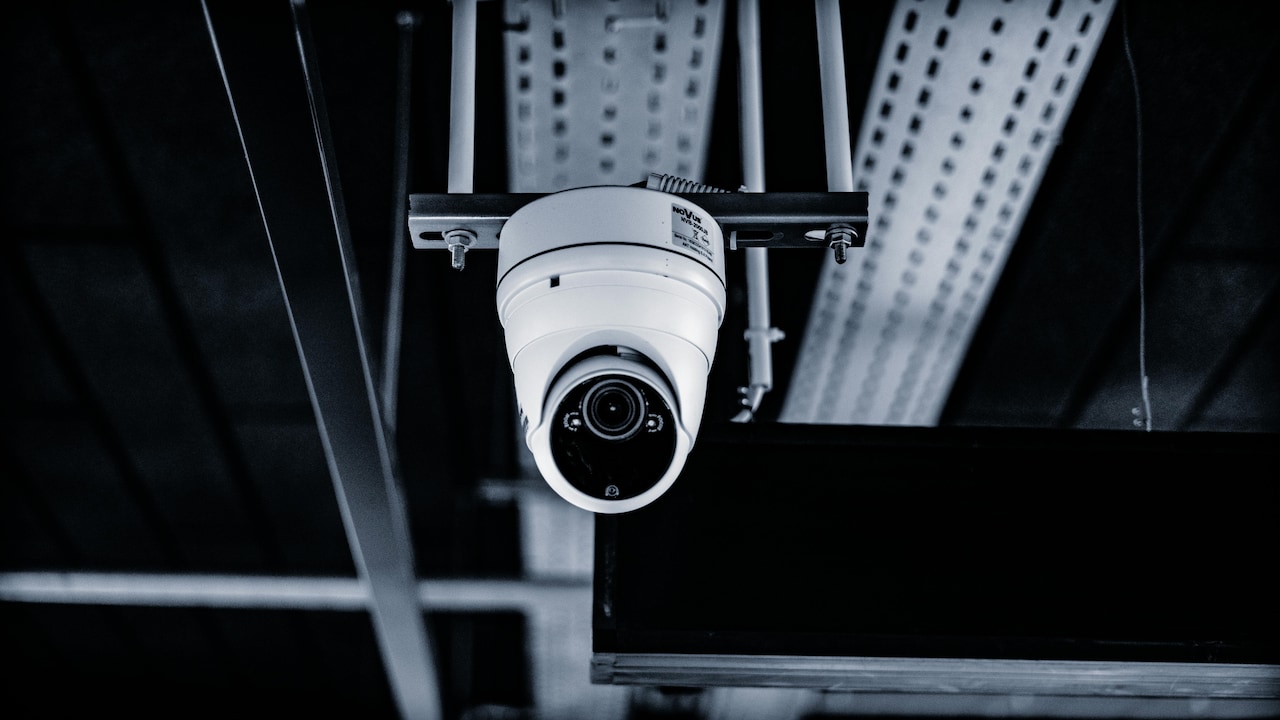
Indoor vs Outdoor Security Cameras: Where To Place Each For 360 Home Safety.
A locked door once felt like enough. Then came parcel thefts, curious strangers, wandering pets, and the occasional neighbourhood drama. Today, security feels less about fear and more about awareness. Cameras offer that awareness, but only when placed with intention.
Indoor and outdoor security cameras work like teammates. One watches what happens outside the gate, the other keeps an eye on life indoors. Confusing their roles often leads to wasted money and weak coverage. A weatherproof camera inside the living room looks odd. A delicate indoor camera outside rarely survives the first monsoon.
This article explores how to place indoor and outdoor cameras for true 360° safety. Expect practical advice, familiar situations, and a few gentle laughs along the way. No technical jargon overload, just clear guidance that makes sense for modern homes, flats, and independent houses alike.
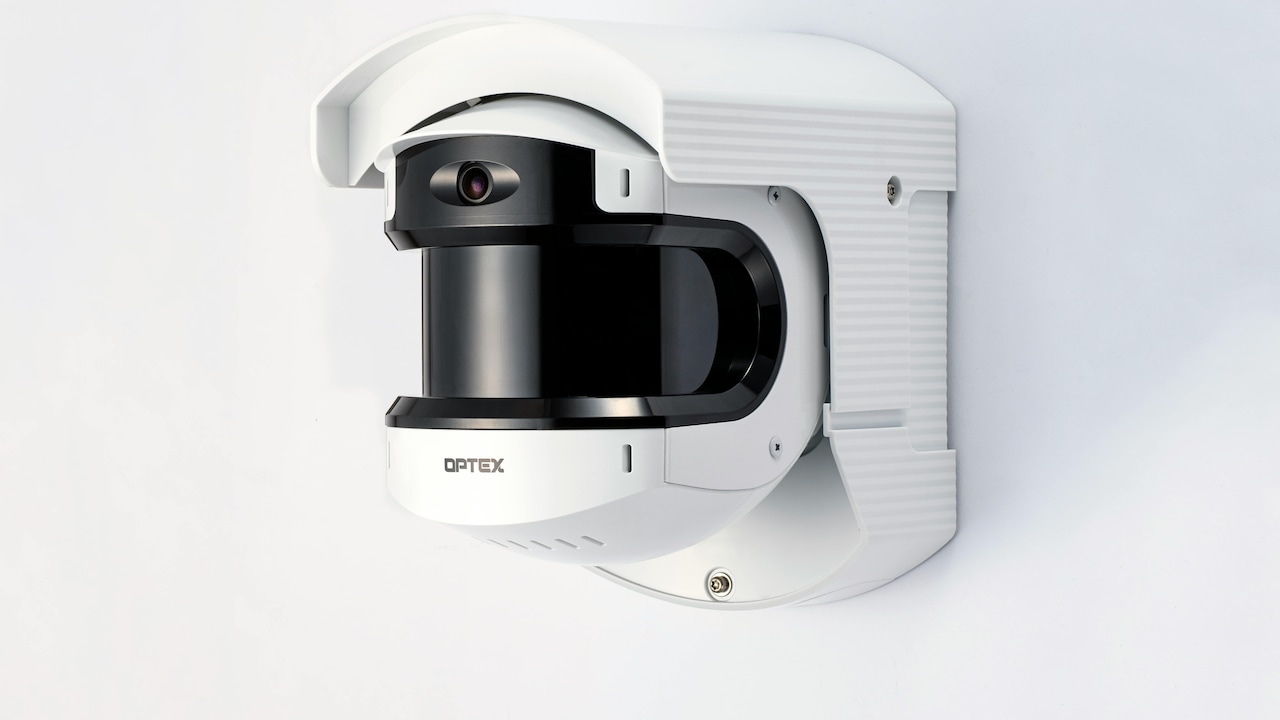
Indoor vs Outdoor Security Cameras: Where To Place Each For 360 Safety; Photo Credit: Pexels
How To Decide The Right Camera For The Right Space
1. Understanding the Core Difference Between Indoor and Outdoor Cameras
Indoor and outdoor cameras may look similar online, but their jobs differ greatly. Indoor cameras focus on controlled spaces. They handle steady lighting, predictable movement, and close-range activity. Outdoor cameras face dust, rain, heat, darkness, and the occasional curious crow.
Outdoor models come with weather resistance, night vision that works at longer distances, and sturdier builds. Indoor ones prioritise clarity, wider angles for smaller rooms, and often include features like two-way audio or privacy shutters.
Using the right camera for the right space avoids constant maintenance and frustration. An indoor camera placed outside may stop working after one heavy rain. An outdoor camera inside may feel bulky and unnecessary.
Think of it like footwear. Slippers feel great indoors, but fail on a muddy road. Heavy boots protect outdoors but feel awkward in the bedroom. Cameras follow the same logic. Match the tool to the terrain, and everything runs smoother.
2. The Front Door: Where Outdoor Cameras Truly Shine
The front door tells more stories than any other part of a home. Couriers arrive, guests wait, salespeople knock, and strangers sometimes linger too long. This spot demands an outdoor camera.
A camera placed above the door or slightly angled from the side captures faces clearly without blocking movement. Height matters. Too low, and it risks tampering. Too high, and faces turn into unhelpful blurs.
Many households invest ₹3,000–₹6,000 in a decent outdoor camera for this area, and the return feels immediate. Missed deliveries have reduced. Late-night knocks feel less intimidating. Even neighbours appreciate the added vigilance.
Good placement avoids pointing directly at the road or neighbours' homes. That keeps footage relevant and avoids awkward conversations later. The front door remains the first line of defence, and an outdoor camera here works like a calm, silent guard.
Also Read: Best Smart Security Cameras That Outsmart Everyday Threats
3. Living Rooms and Common Areas: Indoor Cameras with Boundaries
Living rooms act as crossroads. Family members gather, guests pass through, and valuables often sit in plain sight. An indoor camera here adds awareness, especially when the house stays empty during work hours or travel.
Placement should feel subtle, not intrusive. A corner shelf or high wall mount works well. The camera should cover entry points like doors or balconies without staring directly at sofas or dining tables.
Privacy matters deeply in shared spaces. Many indoor cameras now include scheduling features or physical lens covers. These allow monitoring only when needed, such as during office hours or overnight.
The goal stays simple. Capture unusual movement, not daily life. A well-placed indoor camera blends into the background while quietly doing its job. When positioned thoughtfully, it protects without making the home feel like a surveillance zone.
4. Bedrooms and Personal Spaces: When Less Is More
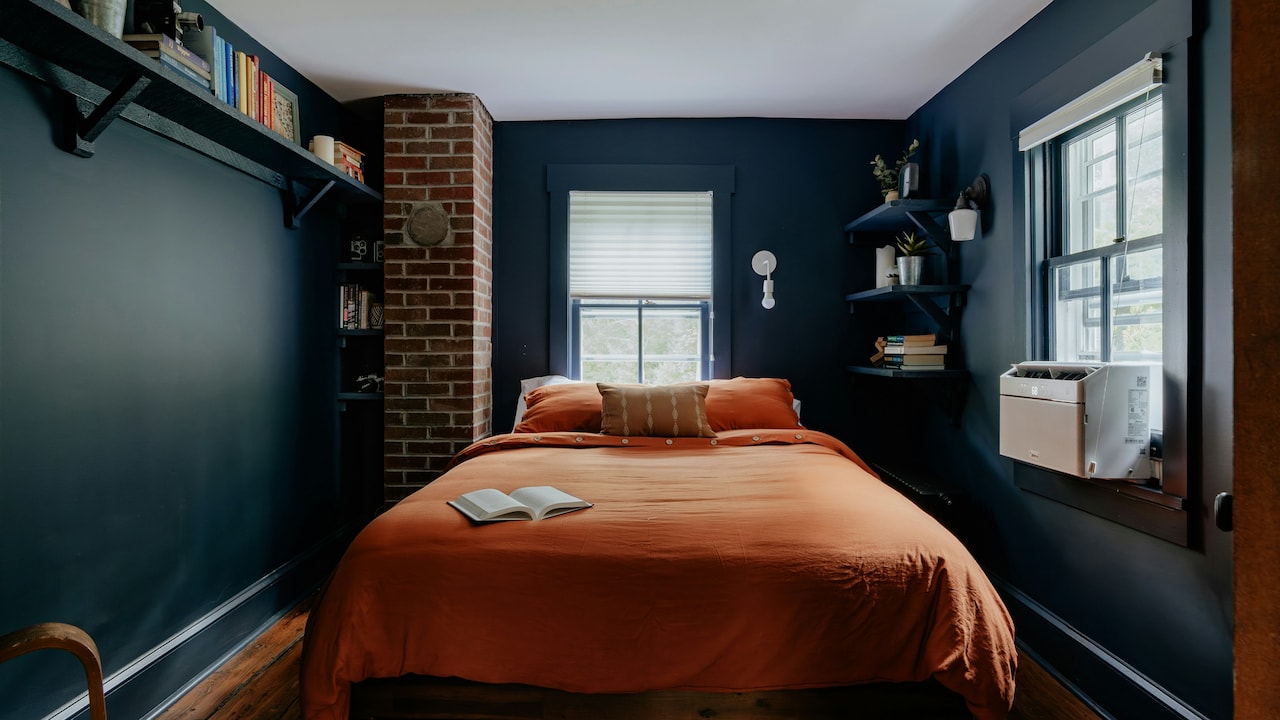
Bedrooms spark debate. Some see cameras here as unnecessary, while others value them for added security or monitoring children and elders. The key lies in intention and restraint.
Indoor cameras in bedrooms work best when aimed at entry points rather than beds. A wide-angle view of the door provides alerts if someone enters unexpectedly. It also helps caregivers check in remotely without disturbing sleep.
Cameras with strong privacy controls matter most here. Manual on-off buttons, app-based schedules, and clear indicator lights build trust. Without these, discomfort grows quickly.
Outdoor cameras never belong in bedrooms, even if marketed as “all-purpose.” Size, noise, and unnecessary durability make them unsuitable.
Personal spaces deserve respect. Use cameras here only when a clear reason exists, and place them with empathy. Security should never come at the cost of comfort.
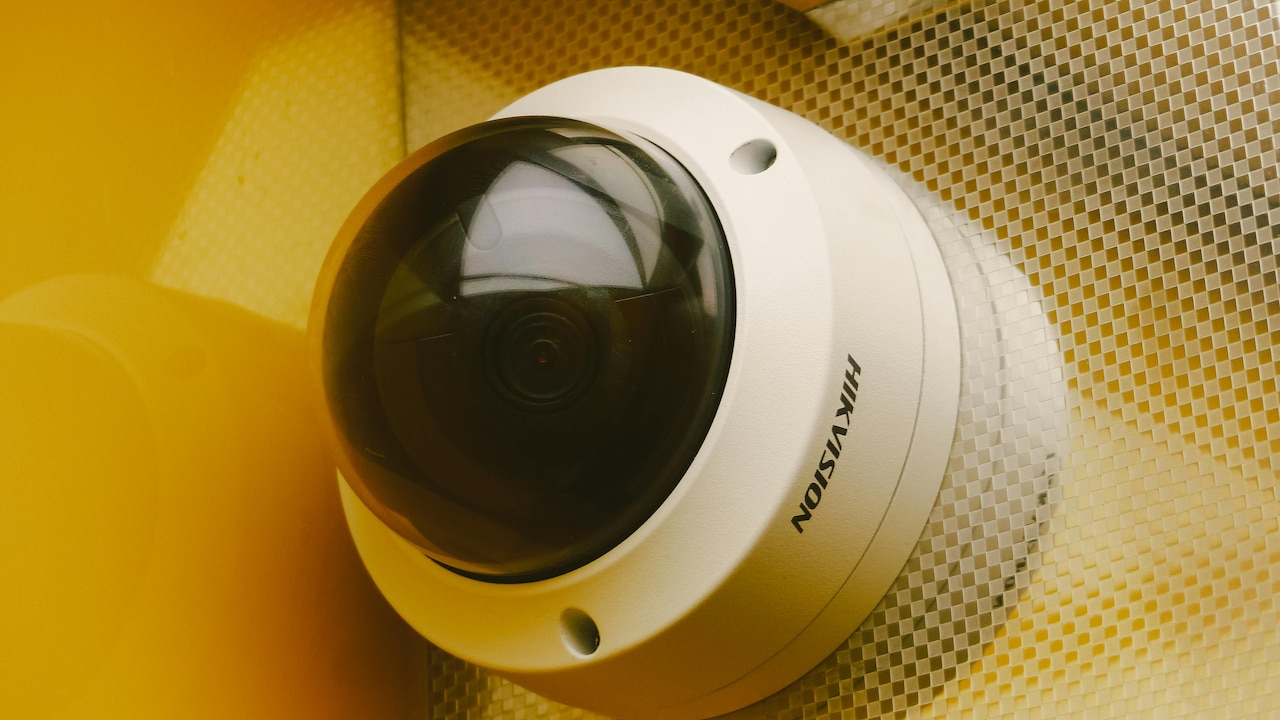
Indoor vs Outdoor Security Cameras: Where To Place Each For 360 Safety; Photo Credit: Pexels
5. Balconies, Terraces, and Back Entrances: The Forgotten Zones
Balconies and back doors often escape attention. Yet these areas offer easy access, especially in apartments or corner houses. Outdoor cameras suit these spots perfectly.
A balcony camera watches over sliding doors, laundry areas, and even pets during the day. On terraces, cameras help track maintenance staff or detect late-night movement.
Placement should avoid direct exposure to harsh sunlight. Angling the camera slightly downward reduces glare and improves clarity. Mounting under a shade or overhang extends lifespan significantly.
Many people hesitate to invest here, assuming trouble rarely comes from behind. Experience often proves otherwise. A modest outdoor camera priced around ₹4,000 can cover these blind spots effectively.
Security feels complete only when all entry points receive attention. Balconies and back entrances deserve their share of watchful eyes.
6. Kitchens and Utility Areas: Practical Indoor Coverage
Kitchens bustle with activity, but they also connect to service doors, utility balconies, or staff entry points. Indoor cameras here help monitor movement without disrupting daily routines.
A camera placed above cabinets or near the ceiling captures entrances clearly. It also helps keep an eye on appliances when away, offering peace of mind during long trips.
Privacy again plays a role. Avoid pointing cameras at cooking surfaces or dining spots. Focus on access points and walkways instead.
Outdoor cameras do not suit kitchens. Heat, steam, and constant indoor movement confuse motion sensors designed for open spaces.
Indoor cameras here work quietly and practically. They observe patterns rather than people, which keeps monitoring useful and respectful.
7. Parking Areas and Garages: Outdoor Cameras with a Wide View
Vehicles often represent significant investments, both financial and emotional. Parking areas demand outdoor cameras with wide angles and strong night vision.
Mount cameras high enough to capture number plates and movement without blind spots. Cover entrances and exits rather than individual vehicles. This approach provides context during incidents.
Lighting enhances results. Pairing cameras with motion-activated lights improves footage clarity and deters unwanted visitors.
Indoor cameras struggle in garages due to dust, temperature changes, and low light. Outdoor cameras handle these challenges with ease.
A reliable setup here reduces anxiety about scratches, theft, or unexplained dents. Watching over parked vehicles brings surprising peace of mind.
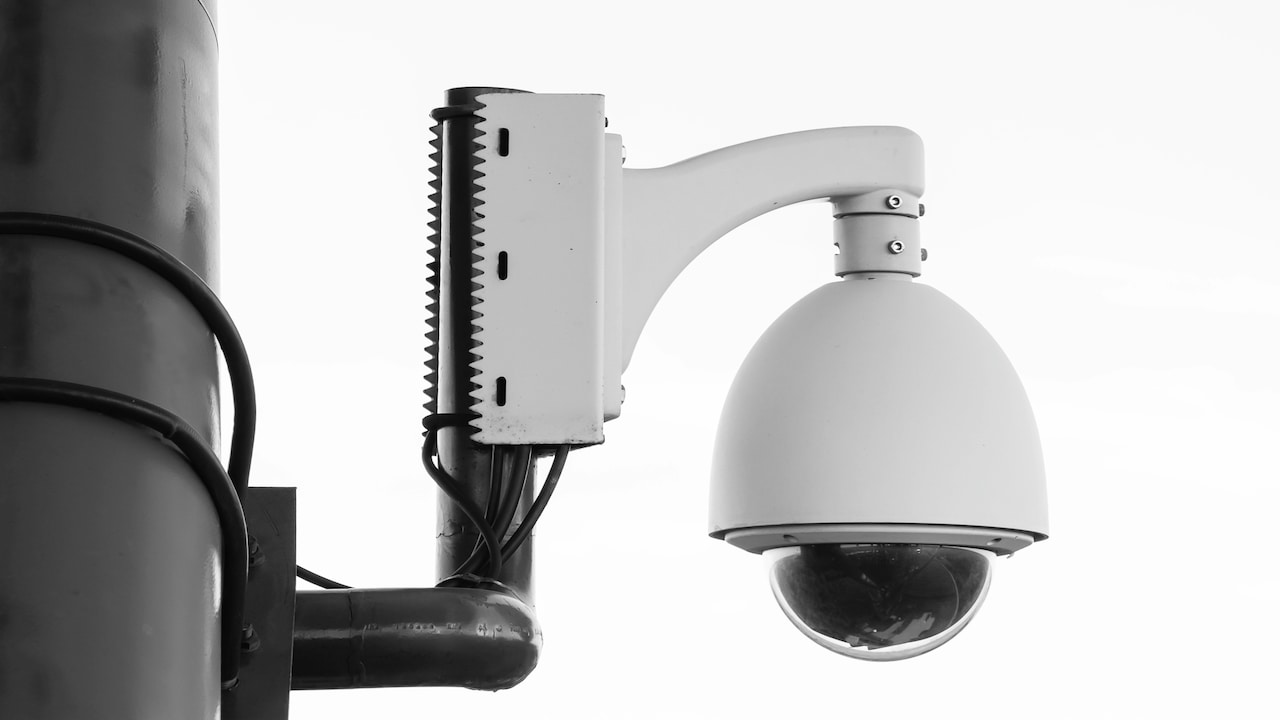
Indoor vs Outdoor Security Cameras: Where To Place Each For 360 Safety; Photo Credit: Pexels
8. Staircases and Hallways: Strategic Indoor Monitoring
Staircases and hallways act as funnels. Almost everyone passes through them. Indoor cameras placed here capture movement between rooms without invading personal spaces.
Mount cameras high on walls to avoid accidental bumps. A downward angle ensures faces and actions stay visible.
These areas work well for motion alerts. Unexpected movement at odd hours triggers instant notifications, which proves especially useful in larger homes.
Outdoor cameras offer no advantage indoors here. Their stronger sensors may trigger false alerts due to shadows or ceiling fans.
Hallways offer efficient coverage with minimal intrusion. One well-placed indoor camera here often replaces the need for several scattered ones.
9. Gardens and Open Yards: Outdoor Cameras That See Beyond Walls
Gardens, lawns, and open yards create beauty but also vulnerability. Outdoor cameras here provide early warnings before someone reaches the house.
Place cameras on exterior walls facing open spaces. Avoid placing them too low, where plants or animals trigger constant alerts.
Weatherproofing matters greatly in these areas. Dust, rain, and insects test durability daily. Cameras built for outdoor use handle these conditions without complaint.
Some households add audio alerts or sirens to garden cameras. These features scare off intruders before they get closer.
A watched yard feels safer, especially during evenings. Outdoor cameras here extend protection beyond doors and windows.
10. Creating a Balanced Camera Ecosystem for 360° Safety
True safety does not rely on one powerful camera. It comes from balance. Indoor and outdoor cameras must work together, covering each other's blind spots.
Outdoor cameras watch boundaries. Indoor cameras observe movement within. Together, they create a complete picture rather than scattered clips.
Smart placement reduces costs. Instead of overspending on one type, mixing both wisely saves money and improves coverage. Many homes achieve full protection with four to six cameras placed strategically.
Apps that unify feeds help manage everything easily. Switching views feels seamless, and alerts make sense rather than overwhelm.
Security should feel empowering, not stressful. A balanced camera setup offers confidence, clarity, and calm, all without turning the home into a fortress.
Products Related To This Article
1. CP PLUS 4MP Quad HD Smart Wi-Fi CCTV Camera
2. Qubo Smart 360° 3MP [2K] Wi-Fi Security Camera [2026 Edition] by Hero Group
3. Imou 2K 3MP Outdoor Security Bullet CCTV Camera, Color Night Vision
4. Trueview 3Mp HD 4G SIM-Based Pan-Tilt CCTV Camera
5. Eufy Security 2K Pan and Tilt, Plug-in Security Indoor Camera with Wi-Fi
Indoor and outdoor security cameras serve distinct roles, much like different rooms in a home. Treating them as interchangeable tools often leads to blind spots, wasted money, and unnecessary discomfort.
Outdoor cameras protect boundaries, entrances, and open spaces. Indoor cameras quietly monitor movement within, respecting privacy when placed thoughtfully. Together, they create layers of protection that feel natural rather than forced.
Smart placement matters more than fancy features. Understanding daily routines, entry points, and personal comfort leads to better decisions than chasing the latest gadget.
When cameras sit where they truly belong, safety stops feeling like a constant worry. It becomes part of the background, quietly doing its job while life carries on as usual.
(Disclaimer: This article may include references to or features of products and services made available through affiliate marketing campaigns. NDTV Convergence Limited (“NDTV”) strives to maintain editorial independence while participating in such campaigns. NDTV does not assume responsibility for the performance or claims of any featured products or services.)












![Steam Iron Teflon Shoe Cover for ES-300,ST-96 [Only For ES-300 and ST-96 Model Electric Steam Irons]](https://m.media-amazon.com/images/I/51wwkttondL._SL160_.jpg)