When Boxers Betray You: Why They Never Look or Fit Right After Washing
Boxers fit perfectly in the shop, then turn weird after one wash. This is why waistbands roll, fabric twists, and sizing goes rogue, plus simple fixes to keep them fitting right.
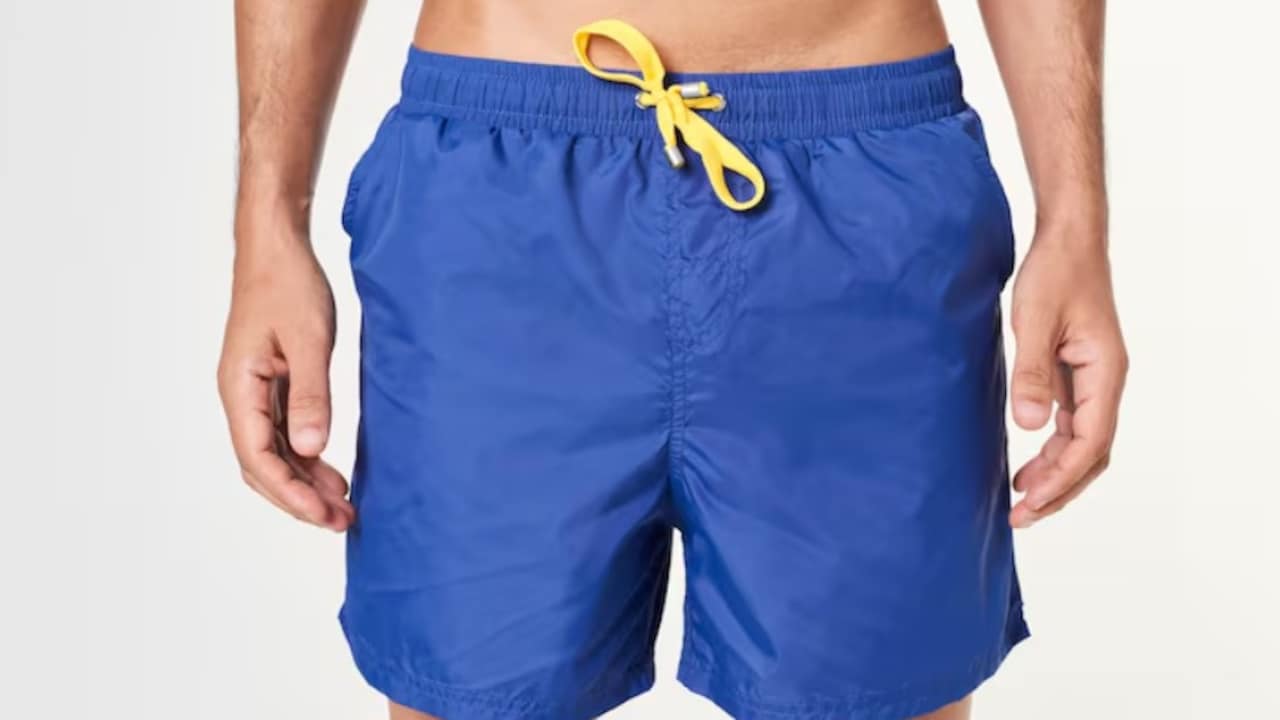
Why Boxers Shrink, Twist Or Feel Loose After Washing And How You Can Easily Fix It.
There are few heartbreaks as quiet and irritating as pulling out a clean pair of boxers and realising they've changed overnight. They looked sharp in the shop. They felt comfortable on the first wear. They gave that rare feeling of “yes, this is the one”.
Then the first wash happened.
Suddenly, the legs flare out like they're auditioning for a windmill. The waistband rolls and bites. The fabric loses that smooth, confident feel and becomes either rough or limp. Some pairs even develop a weird permanent twist, like they've decided to live life diagonally.
And the worst part? Nobody warns anyone about this. There's advice for washing shirts, jeans, and sarees, but underwear for men gets treated like it's indestructible. Toss it in, spin it hard, dry it in harsh sun, and hope for the best.
Unfortunately, boxers don't survive hope. They survive good care, better fabric choices, and a bit of science.
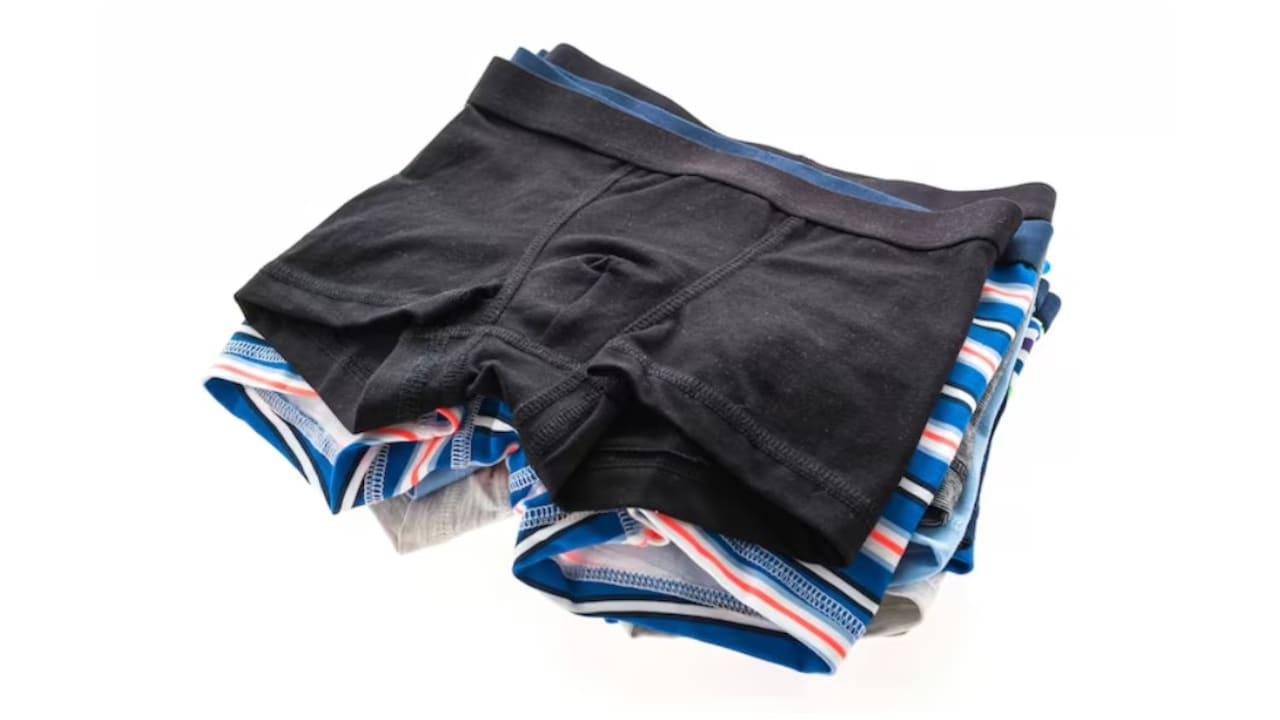
When Boxers Betray You: Why They Never Look or Fit Right After Washing; Photo Credit: Pexels
Why Boxers Lose Their Shape: The 10 Biggest Culprits
1) Fabric Has a Memory, and Washing Wakes It Up
Boxers don't just “shrink” or “loosen”. They change shape because fabric is built from fibres that react to water, heat, friction, and tension. When boxers are stitched, the fabric is stretched and pulled into place. It looks neat and sits well.
Then washing happens, and the fibres relax. Cotton fibres absorb water and swell. The weave shifts. The yarns move back toward their natural state. That's why the boxer that looked crisp and structured suddenly feels softer but also less “together”.
It's a bit like a fresh haircut after a shower. The shape you loved was partly styling. Washing removes the styling.
Cheaper cotton blends are especially guilty. Many brands use thin cotton or cotton-poly mixes that look great under store lighting and feel fine on Day 1. But after washing, they reveal their true personality: less structure, more drama.
That's also why some boxers start hanging oddly. The fabric loses its original tension and begins to drape in unpredictable ways. It isn't your imagination. The boxer is genuinely becoming a different garment.
2) Heat Is the Villain: Hot Water and Harsh Sun Are Boxer Killers
Nothing ruins boxers faster than heat. Not the emotional heat. The literal kind.
Hot water breaks down elastane and weakens the elasticity. High heat also causes cotton to contract quickly, which creates uneven shrinkage. That's why the waistband might stay the same size, but the body tightens, or the legs shrink, and the rise becomes awkward.
Then comes the drying stage, which is where many boxers meet their downfall.
Drying in harsh sunlight seems harmless because it feels “natural”. But strong sun can stiffen fibres and weaken elastic over time. It also fades darker colours fast. So those navy or charcoal boxers start looking like tired old shorts from a college hostel.
Even worse is the dryer. Many households now use one, and while it's convenient, it's brutal on underwear. Tumble drying repeatedly stretches, heats, and batters the fabric. It speeds up pilling and makes the waistband lose its snap.
Boxers are not built for violence. They're built for comfort. Washing needs to match that.
Also Read: 5 Breathable Boxers For Men Under ₹500 In The Myntra Monsoon Sale That Survive Humidity
3) Elastic Waistbands Don't Age Gracefully
The waistband is the crown jewel of any boxer. It decides comfort. It decides fit. It decides whether the day feels normal or mildly annoying.
And elastic is delicate.
Most waistbands contain rubber or spandex threads wrapped in fabric. In washing, those threads get pulled, heated, and stressed. Over time, they lose elasticity. That's why some boxers start slipping even though the fabric still looks fine.
Then there's the rolling waistband problem, which feels personal. Waistbands roll because the elastic inside loses stiffness or the fabric around it shrinks unevenly. If the waistband fabric shrinks but the elastic doesn't shrink equally, it starts buckling. That creates that familiar curl that refuses to lie flat.
Also, detergents matter. Strong detergent, too much detergent, and harsh fabric softener can all degrade elastic. Softener feels like it should help, but it often coats the fibres and reduces elasticity in the long run.
A waistband doesn't die dramatically. It slowly gives up, one wash at a time, until it becomes a floppy ring of disappointment.
4) Cheap Stitching + Spin Cycles = A Slow Unravelling
Boxers go through a lot. Sitting, walking, stretching, bending, and general daily life. But washing adds mechanical stress that's easy to underestimate.
A strong spin cycle pulls at seams. It twists the garment. It stretches the fabric in weird directions. And if the stitching is basic, the seams start shifting.
That's when boxers start doing that strange thing where one leg looks longer than the other. Or the crotch seam starts pulling slightly to one side. Or the whole garment seems to rotate after every wash.
This isn't just “wear and tear”. It's construction quality.
Some brands cut corners with thread quality. Some use fewer stitches per inch. Some don't reinforce stress points. And some rely on the fabric's stretch to do all the work.
When that meets a rough wash cycle, the seams start migrating. The boxer still technically fits, but it no longer sits right. It feels like wearing something slightly misaligned, like socks that twist inside shoes.
And once seams shift, they rarely return to normal. Boxers don't forgive.
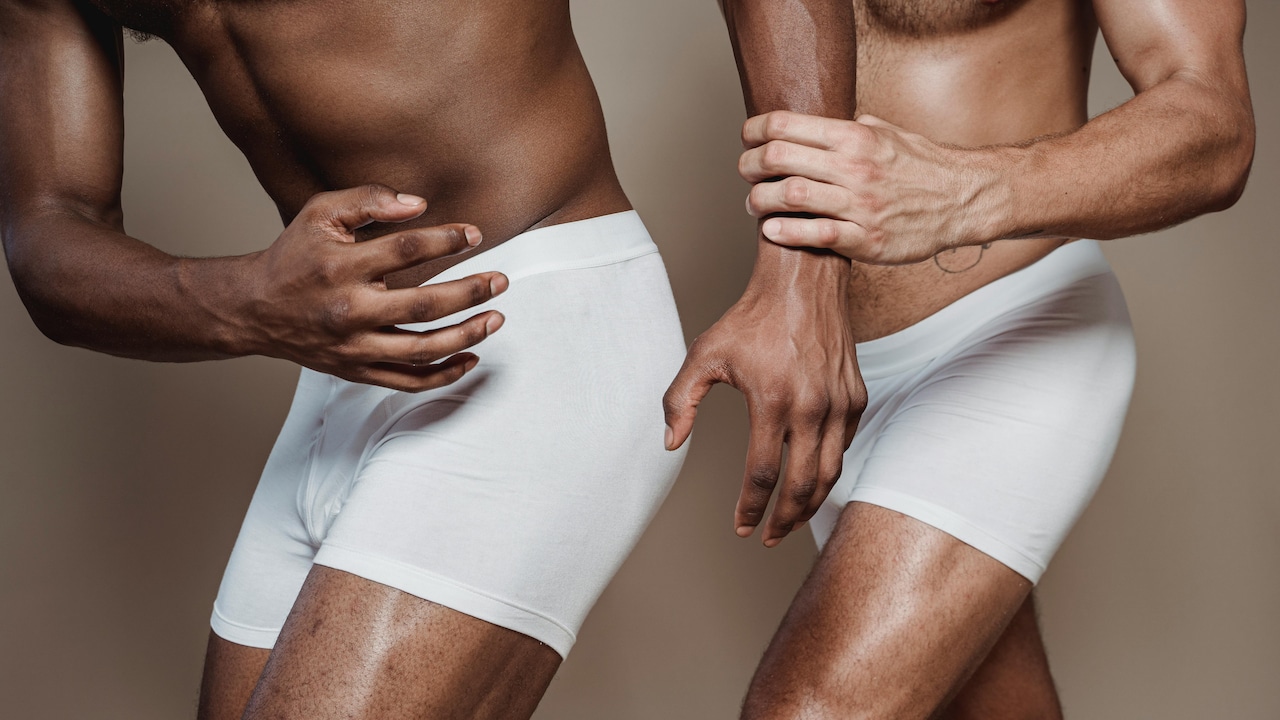
When Boxers Betray You: Why They Never Look or Fit Right After Washing; Photo Credit: Pexels
5) Overloading the Washing Machine Creates Boxer Chaos
There's a very real reason why boxers look worse when washed with heavier clothes.
When a washing machine is overloaded, clothes get crushed between jeans, towels, and shirts. They get twisted, stretched, and dragged. The elastic gets pulled in unnatural ways. The fabric gets rubbed hard against rougher materials.
That friction causes pilling, which is the tiny fuzzy balls that make boxers look older than they are. It also causes thinning in certain areas. That's why some boxers start looking see-through in patches even when they're not that old.
The other issue is uneven washing. Overloading prevents the detergent from distributing properly. Some areas get cleaned, some areas get battered. The result is a garment that looks and feels inconsistent.
This is why a brand-new pair can go from “premium” to “sad” in just two washes. Not because it's low quality, but because it got treated like a rag in a crowded drum.
Boxers are small, but they deserve space. Like people on a metro at peak hour, they can only handle so much squeezing before they lose their shape.
6) Detergent Choices Make a Bigger Difference Than People Think
Many people treat detergent like a one-size-fits-all solution. But boxers are sensitive to detergent in a way that shirts and jeans aren't.
Stronger detergents strip fabric faster. They remove not only dirt but also the soft finish that makes new boxers feel smooth. That's why some pairs become rough after a few washes, even if they're made of decent cotton.
Using too much detergent is another common mistake. Excess detergent doesn't rinse out fully. It leaves residue, which stiffens fabric and irritates skin. It can also trap sweat and odour over time, which is deeply unfair considering the boxer is doing their best.
Then there's fabric softener. It smells nice, but it often coats fibres and reduces breathability. It can also weaken elastane. So yes, your boxers might smell like a fancy showroom for a day, but they'll age faster.
The best approach is boring but effective: mild detergent, correct quantity, and a good rinse.
Boxers are like a good cup of chai. Too much of anything ruins the balance.
7) Size Labels Lie After Washing (Because the Fabric Changes Differently)
One of the most confusing things about boxers is how the same size can behave differently across pairs. Even within the same brand.
Part of it is manufacturing variation. But washing adds another layer of chaos.
Cotton shrinks, but not always evenly. If a boxer is cut slightly off-grain (which happens more often than people realise), washing can exaggerate that. One side shrinks more than the other. That leads to twisting, uneven legs, and a weird “pull” in the fabric.
Also, blends shrink differently. Cotton-poly might shrink less but lose shape more. Cotton-elastane might keep its shape but suffer in elastic longevity. Modal might stay soft but become looser.
So the label might say “M”, but after washing, it becomes “M-ish”.
That's why some boxers feel like they've gone up a size and others feel like they've shrunk into a child's garment. It isn't always a scam. It's fibre behaviour plus inconsistent cutting, plus harsh washing.
Basically, the size tag is a suggestion. Washing turns it into a rumour.
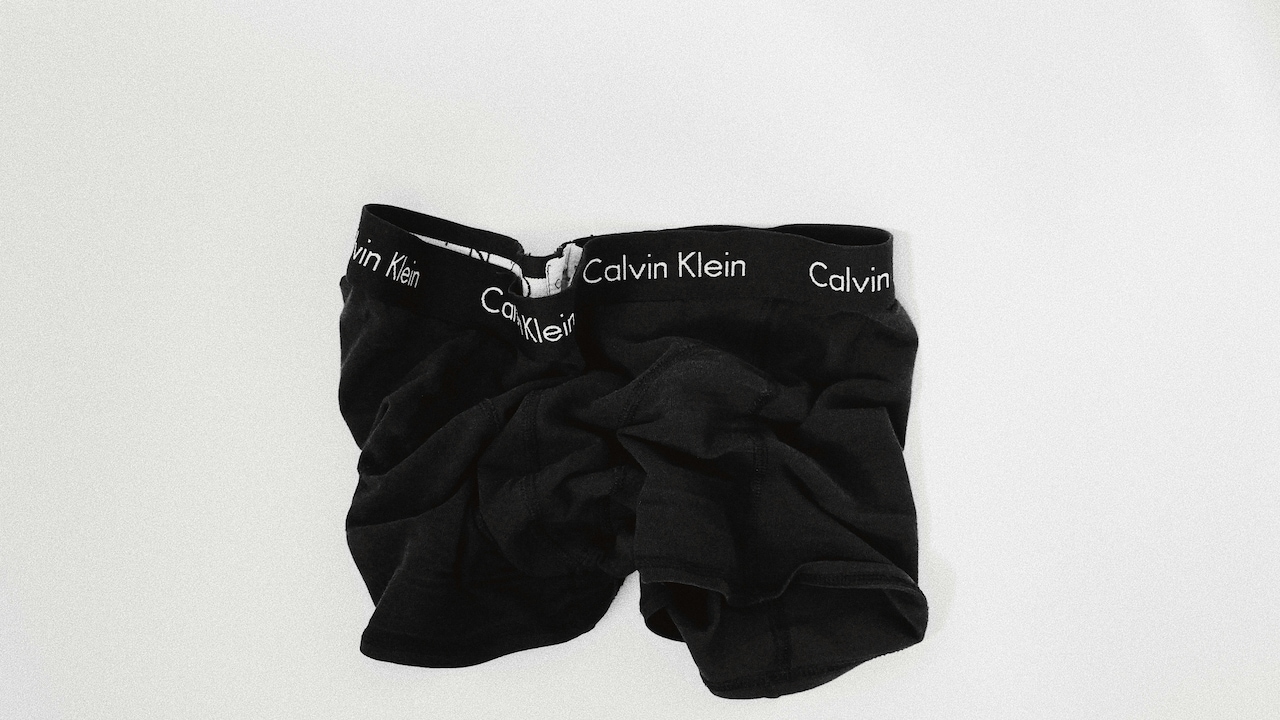
When Boxers Betray You: Why They Never Look or Fit Right After Washing; Photo Credit: Pexels
8) Hard Water Makes Boxers Feel Stiff and Look Older
This one doesn't get talked about enough.
In many cities, water contains high mineral content. Hard water leaves deposits on fabric, which makes boxers feel rough and look dull. It can also reduce detergent effectiveness, meaning you use more detergent, which creates more residue. A tragic cycle.
Hard water also affects elasticity. Minerals build up and make fibres less flexible. That contributes to the waistband losing comfort and the fabric losing softness.
The worst part is that hard water damage looks like “age”. People assume the boxer is old when it might only be a few months in. It's not always the time. Sometimes it's the water supply.
If boxers start feeling scratchy or stiff despite gentle washing, hard water is a strong suspect. A water softener or even occasional vinegar rinses (used carefully) can help.
Boxers don't need luxury. They just need water that isn't trying to turn them into cardboard.
9) The “Perfect Fit” Was Often Temporary Finishing
Here's a slightly sneaky truth: many new boxers feel amazing because of finishing treatments.
Manufacturers often use softeners, starch-like finishes, and silicone treatments to make fabric feel smooth and structured. It's not evil. It's marketing. It makes the product feel premium on first touch.
But those finishes wash out quickly.
That's why the first wear feels crisp, the second wear feels okay, and the third wear feels like the boxer has “changed”.
It hasn't changed completely. The surface treatment has vanished, and now you're feeling the raw reality of the fabric.
Higher-end boxers rely less on finishing and more on actual fabric quality. So they tend to feel consistent over time. Budget boxers often rely heavily on finishing to impress you early.
This is also why some boxers lose colour fast. The dye might not be deeply set, or the finish might have enhanced the appearance. Once washed, the fabric reveals its true shade.
The boxer didn't betray you. The first impression did.
10) How to Stop the Betrayal: Simple Fixes That Actually Work
Boxers don't need complicated care. They need thoughtful care.
Wash them in cold or cool water. Avoid harsh cycles. If the machine has a gentle mode, use it. Keep boxers away from heavy items like jeans and towels, especially if they're new.
Turn them inside out before washing. It reduces pilling and protects colour. Use mild detergent and don't overdose. Skip fabric softener if the waistband matters to you. It usually should.
Drying matters even more. Avoid tumble drying when possible. If drying outside, choose shade or indirect sun. Harsh sunlight is great for bedsheets. It's not great for elastics.
Also, stop buying boxers that feel suspiciously thin or overly “silky” for the price. A pair costing ₹199 can be decent, but if it feels too perfect in-store, it might be all finishing and no substance.
Finally, rotate your boxers. Wearing the same few pairs repeatedly destroys them faster. A bigger rotation makes each pair last longer and fit better.
Underwear is not the place to gamble. Comfort is daily. Regret is also daily.
Products Related To This Article
1. DAMENSCH Men Striped White Ultra-Light Cotton Regular Fit Inner Boxer
2. Pepe Jeans Men Printed Cotton Boxer
3. U.S. Polo Assn. Mid Rise Pure Cotton Boxers IYBE-G01-PL
4. The Souled Store Donald Duck Men Printed Pure Cotton Boxers 260543
5. Jockey Super Combed Mercerized Cotton Woven Printed Boxer Shorts With Side Pockets
Boxers for men don't become terrible after washing because you're unlucky. They become terrible because fabric reacts to heat, friction, water, minerals, detergent residue, and rough handling. Elastic weakens. Stitching shifts. Finishes wash out. And suddenly, the boxer that once felt like a confident choice starts behaving like a bad decision.
The good news is that most of this is preventable. A few small changes, cool water, gentler cycles, better drying habits, and smarter buying can keep boxers looking normal and fitting right for much longer. Because life has enough problems. Underwear shouldn't be one of them. And yet, here we are.
(Disclaimer: This article may include references to or features of products and services made available through affiliate marketing campaigns. NDTV Convergence Limited (“NDTV”) strives to maintain editorial independence while participating in such campaigns. NDTV does not assume responsibility for the performance or claims of any featured products or services.)






![Steam Iron Teflon Shoe Cover for ES-300,ST-96 [Only For ES-300 and ST-96 Model Electric Steam Irons]](https://m.media-amazon.com/images/I/51wwkttondL._SL160_.jpg)