Why Some Aroma Candles Smell Great in Stores But Not At Home
Aroma candles often smell amazing in stores but disappoint at home. Know why your favorite store-bought candles lose their amazing scent once lit at home

Learn what makes scented candles smell stronger in stores as compared to your home.
There's a special kind of heartbreak reserved for scented candles. The store experience feels magical: soft lighting, neatly stacked jars, and that one candle that smells like a spa where everyone whispers and nobody has WhatsApp notifications.
So you buy it. Maybe it costs ₹499. Maybe you splurge and go ₹1,999 because you decide peace deserves a budget. You take it home, light it, wait patiently… and the scent is either too weak to notice or so different it feels like the candle has a split personality.
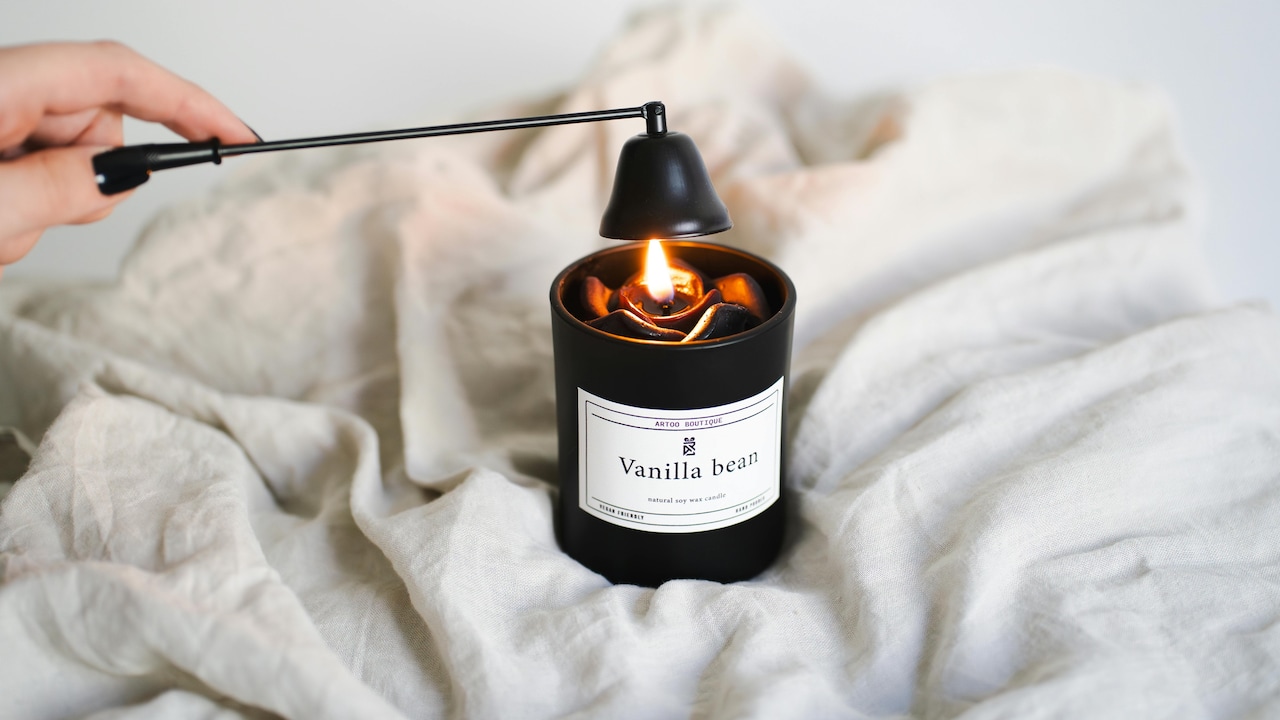
Top reasons that make scented candles smell good in stores but not so effective in stores; Photo Credit: Pexels
This happens to more people than anyone admits. Some even blame their noses. Others blame the candle brand. But the truth is more interesting: scent behaves differently depending on space, airflow, temperature, materials, and how the candle is made.
Below are ten solid, real-world reasons your candle smelled stunning in the store but underwhelming at home, plus a few practical fixes so you stop buying “pretty jars with false promises”.
Also Read: Try These Scented Candles To Make Your Home Smell Like Bakery
The Candle Isn't Betraying You: The Room Is
1) Stores Are Designed to Make Scents Shine
Retail spaces are built to sell experiences. That includes smell. Many candle stores have controlled temperature, smooth airflow, and minimal competing odours. The air-conditioning alone plays a huge role. Cooler air slows down the way scent molecules disperse, so fragrances feel cleaner and more “defined”.
At home, the situation is chaotic. A ceiling fan spins at full speed. Windows are open. The kitchen is doing its own aromatic performance with tadka, masala, and yesterday's onions making a surprise comeback. Your candle isn't competing in a calm, curated environment. It's fighting for its life.
Also, stores often have multiple candles burning or warmers running. That means the entire room is already scented, and your nose is picking up a blended cloud of fragrance. You sniff one jar and think it's the candle. It might be the whole shop doing the heavy lifting.
Fix: Try candles in a closed room with the fan off for 20 minutes. That's the closest you'll get to the store effect.
2) Cold Sniff vs Hot Throw: Two Very Different Things
The biggest trap in candle buying is the “cold sniff”, smelling the candle when it's unlit. That smell is concentrated and direct. It's like tasting a spoonful of chutney versus eating it in a full meal. Cold sniff can be stunning, bold, and complex.
But when you light the candle, the fragrance has to evaporate through heat. This is called “hot throw”, and not all candles have it. Some fragrances smell incredible cold but struggle to travel once heated. Others bloom beautifully only when warmed.
This is why a candle can smell like creamy vanilla and sandalwood in the jar, then become faint and slightly waxy when lit. The wax and wick might not be releasing the fragrance oils properly. Or the fragrance formula might not be designed for strong diffusion.
Many budget candles smell great cold because it helps them sell. Hot throw costs more to engineer.
Fix: When possible, check reviews specifically mentioning “hot throw” and room coverage. Cold sniff is only the teaser trailer.
3) Your Home Has Too Many Competing Smells
Homes are full of scent layers. Even clean homes. Fabrics hold odours. Curtains, cushions, bedsheets, and rugs quietly store everything from detergent to humidity to last week's snacks. The moment you light a candle, it has to fight through that invisible soup.
A store, on the other hand, has fewer personal odours. No damp towels. No shoe rack. No pressure cooker steam. No pet smells. No leftover fried food clinging to the walls like an emotional memory.
Even “pleasant” smells interfere. A strong room freshener, incense, or perfume can block candle notes. Citrus candles are especially vulnerable. They get bullied by any spicy or smoky smell nearby.
And if your kitchen is open-plan, your candle is basically trying to do aromatherapy next to a masala battlefield.
Fix: Air out the room for 10 minutes, then close windows. Avoid burning agarbatti or using spray fresheners in the same space.
4) Room Size Matters More Than People Think
A candle that smells heavenly in a small boutique can vanish in a large living room. This is one of the most common reasons people feel “cheated”. It's not always the candle. It's the space.
Stores often have sections and partitions. The candle corner might be compact. At home, many people light a single small candle in a big room and expect it to scent the entire place like a five-star lobby.
Candle scent isn't magic. It's physics. The fragrance has to fill the air, and larger spaces dilute it fast. High ceilings make it worse. If your living room has a tall ceiling and a fan, your candle is basically shouting into a stadium.
Also, some candles are designed for bathrooms and bedrooms, not open halls. Brands rarely label this clearly, but it's a real difference.
Fix: Match candle size to room size. For larger spaces, use two candles placed apart or choose stronger fragrance families like amber, spice, oud, or coffee.
5) Airflow: Fans, AC, Windows, and the Great Scent Escape
Scent needs stillness. Not total stillness, but stability. In many homes, the air is constantly moving: ceiling fans, exhaust fans, open windows, AC vents, and even air purifiers.
When air moves too much, the fragrance disperses before it builds. You end up smelling the candle only when you stand right next to it. It's like trying to smell biryani while sitting in a moving auto-rickshaw.
There's also the wick issue. Strong airflow makes the flame flicker. A flickering flame burns unevenly, creates soot, and can make the candle smell smoky. That smoke dulls fragrance and adds a “burnt” note that nobody asked for.
Stores usually keep candles away from strong vents. At home, people place them near windows or under fans because it feels safer. Ironically, that placement kills the scent.
Fix: Place candles away from direct airflow. No fan directly above, no open window next to it, and not right under an AC vent.
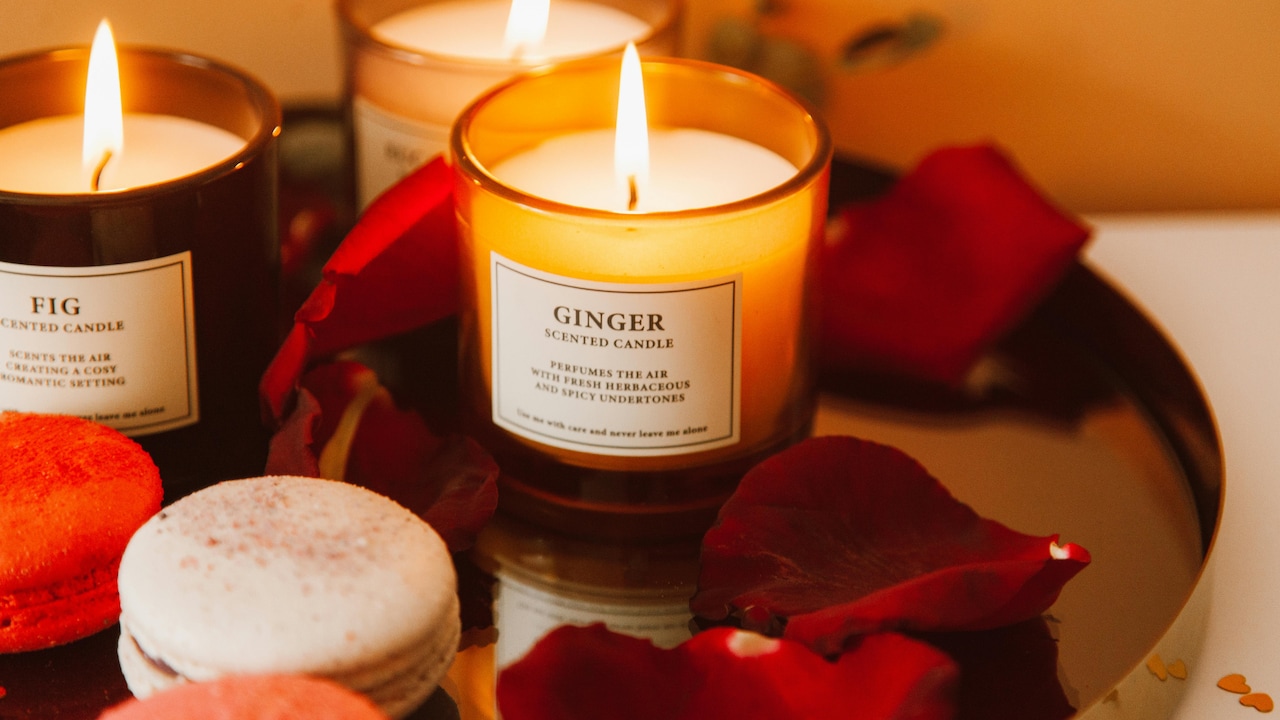
Lighting scented candles in areas with too much airflow can make them less effective; Photo Credit: Pexels
6) Wax Quality and Fragrance Load: The Unspoken Price Factor
Not all wax is equal. Some candles use paraffin, some soy, some coconut wax, and many use blends. Each wax type holds fragrance differently and releases it differently.
Then comes fragrance load, how much fragrance oil is actually in the wax. Higher fragrance load usually costs more, and many mass-market candles keep it low to protect margins. That candle for ₹399 might smell fantastic cold because the top notes are strong, but the overall fragrance load may not be enough for a strong hot throw.
Another sneaky thing: some brands add fragrance that smells intense at first sniff but fades quickly when heated. It's like a loud ringtone that becomes annoying and then disappears.
Premium candles often cost more, not because of “branding” alone, but because good wax and stable fragrance oils aren't cheap.
Fix: If a candle is very cheap and promises a luxury scent, be cautious. Also, soy and coconut blends often give a smoother scent experience than low-grade paraffin.
7) Wick Size and Burn Pool: If the Wax Doesn't Melt Right, Scent Won't Travel
A candle's fragrance release depends heavily on the melt pool, the layer of melted wax that forms at the top. If the candle doesn't melt evenly across the surface, it won't release fragrance properly.
Many people light a candle for 15 minutes, then blow it out. That's not enough time for a full melt pool, especially in larger jars. The candle tunnels, it burns a hole in the centre while leaving wax stuck on the sides. That leftover wax holds fragrance hostage.
Wick size matters too. A wick that's too small won't generate enough heat to melt wax evenly. A wick that's too large burns too hot and creates soot, which ruins the scent.
In stores, testers are often burned correctly. At home, people unknowingly sabotage the candle on the first burn.
Fix: On the first burn, let the candle melt all the way to the edges. That might take 1–3 hours, depending on size. It's not laziness, it's candle science.
8) Nose Fatigue: Your Brain Stops Noticing the Scent
This one feels unfair, but it's real. The human brain is designed to tune out constant smells. It's a survival feature. If the scent doesn't change, your nose stops paying attention.
In a store, you walk in, sniff, move around, sniff again. Your brain keeps registering new scent input. At home, you light the candle and sit in the same room. After 15–20 minutes, your brain goes, “Okay, noted,” and stops highlighting it.
So you think the candle has no throw. But if you step out for five minutes and return, you might smell it again.
This is why people say, “It smelled strong earlier, but now I can't smell anything.” The candle didn't change. Your sensory system did.
Fix: Don't judge a candle only by what you smell after sitting in the room for a while. Leave and re-enter. Also, ask someone else if they can smell it.
9) Heat, Humidity, and Monsoon Mood Swings
Climate changes how scent behaves. Warm weather can make candles smell stronger, but sometimes harsher. Humidity can dampen fragrance diffusion and also mess with how wax burns.
During the monsoon, homes often smell slightly damp. Walls, curtains, cupboards, everything holds moisture. That background dampness can flatten candle notes, especially delicate florals and fresh linen-type scents.
In winter, scent tends to feel clearer and more “crisp”. In summer, it can feel heavy and overly sweet. Some fragrance notes also react differently: vanilla can become cloying, citrus can feel sharp, and woody scents can become smoky.
Stores keep climate-controlled. Homes don't. So the same candle can behave like two different products across seasons.
Fix: Match scents to weather. In humid months, go for stronger profiles like spice, woods, coffee, or resin. Save light florals for cooler, drier days.
10) Expectations: Store Scent Feels Like a Promise, Home Scent Feels Like a Test
This one is emotional, but it matters. In a store, you're in a buying mood. Everything feels curated. Your brain wants to fall in love with the product. The candle becomes part of a fantasy: cosy evenings, calm mornings, a cleaner life.
At home, reality shows up. You've got laundry waiting. Someone's calling. The neighbour is drilling. The candle now has to perform in an environment that doesn't cooperate.
Also, store sniffing is immediate gratification. Home scent needs time. Many people light a candle and expect the room to smell like a boutique in five minutes. Most candles need 30–45 minutes to fill a space properly.
And yes, sometimes the candle is just mediocre. It happens. Some candles are all packaging and no performance.
Fix: Give the candle time, burn it correctly, and set realistic expectations. If you want instant scent, wax melts, or reed diffusers might suit you better.
Products Related To This Article
1. Candle Nest Imperial Rose Candy Jar Aroma Candle for Home with 15-Hour Burn Time
2. HABERE INDIA Unisex Pink & Red 4 pieces Scented Jar Candle
3. Aromatic Fables 3Pcs Scented 1 Wick Citrus Solid Round Regular Pillar Candles
4. Atorakushon Party and Wedding Aroma 6Pcs 1 Wick Rose Solid Square Regular Pillar Candles
5. The Better Home Sea Salt & Surf Aroma 2 Wick Sea Salt and Surf Solid Jar Candles
Aroma candles aren't liars, but they are sensitive little creatures. They behave differently depending on the room, the weather, the airflow, and how they're burned. The store experience makes everything feel stronger because the environment is designed to flatter fragrance. Your home is not.
The good news? Once you understand what's happening, you can fix most of it. Burn the candle long enough to form a full melt pool. Keep it away from fans and windows. Use the right size for your room. And stop judging it by cold sniff alone.
Most importantly, don't take it personally. If a candle doesn't throw well at home, it doesn't mean your nose is broken, or your space is “wrong”. It just means scent has rules, and candles, like people, perform best when conditions are right. And if nothing works? At least the jar looks cute. That's nothing.
(Disclaimer: This article may include references to or features of products and services made available through affiliate marketing campaigns. NDTV Convergence Limited (“NDTV”) strives to maintain editorial independence while participating in such campaigns. NDTV does not assume responsibility for the performance or claims of any featured products or services.)










![Steam Iron Teflon Shoe Cover for ES-300,ST-96 [Only For ES-300 and ST-96 Model Electric Steam Irons]](https://m.media-amazon.com/images/I/51wwkttondL._SL160_.jpg)