Heavy vs Lightweight Duvets: Which One Actually Works Better
Heavy or lightweight duvet, which one suits your sleep best? This guide breaks down comfort, climate, cost, and lifestyle factors to help you choose the right duvet for better sleep all year round.
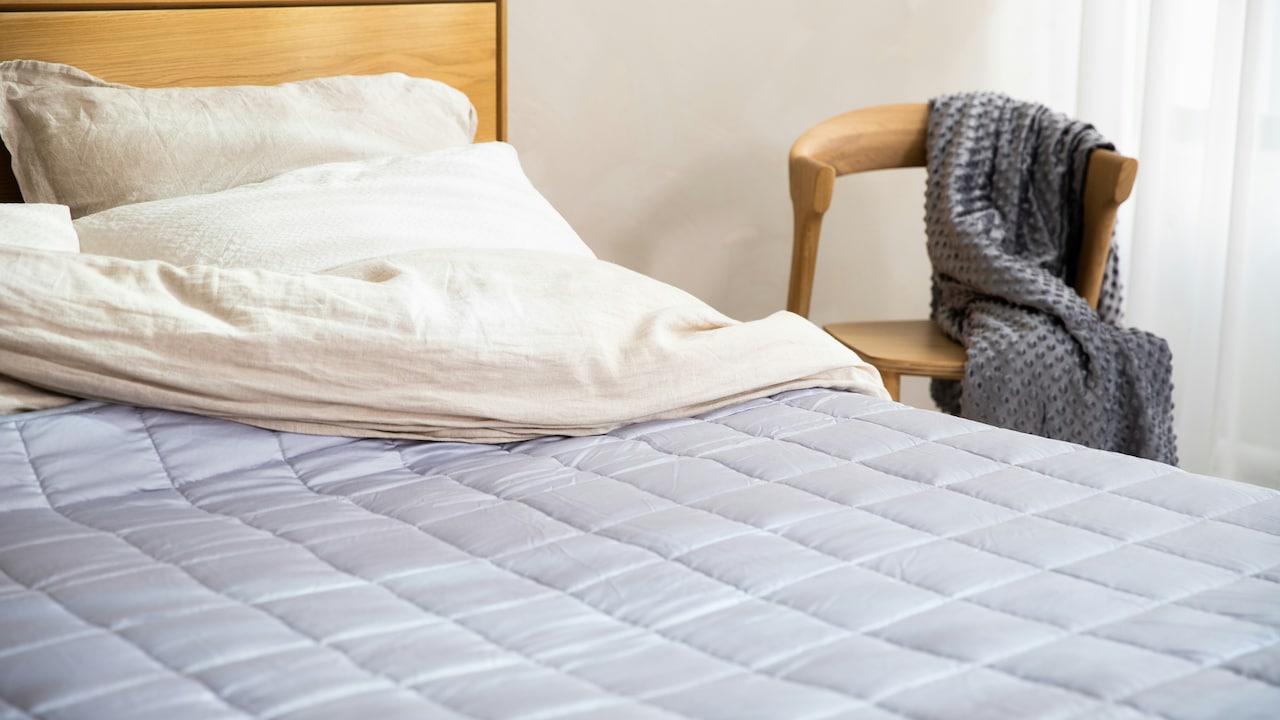
Heavy vs Lightweight Duvets: Know The Pros, Cons And Which One You Should Choose.
Choosing a duvet looks simple until standing in a store aisle or scrolling endlessly online. Tog ratings, fillings, seasonal labels and price tags can turn a basic purchase into a mini life decision. The real confusion, though, lies in one simple question: heavy or lightweight?
Some nights call for that cocooned, tucked-in feeling that makes sleep arrive faster. Other nights demand breathability, freedom, and no wrestling match with the bedding. Climate shifts, power cuts, ceiling fans whirring at full speed, and the occasional unexpected guest all influence how a duvet performs.
This debate matters because sleep quality shapes everything, from mood to focus to how tolerable Monday mornings feel. A duvet should work with the sleeper, not against them. The following sections break down the heavy versus lightweight duvet question across comfort, health, cost, and daily life, using familiar situations and a touch of humour to keep things grounded.
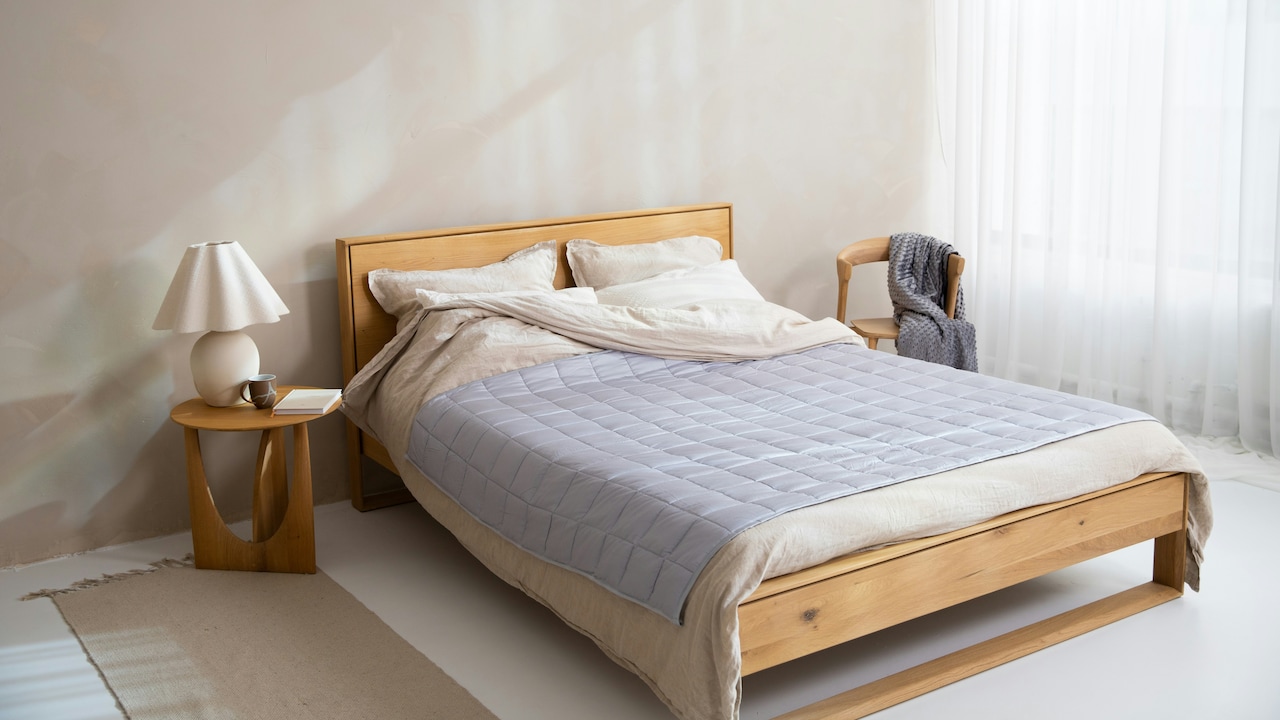
Heavy vs Lightweight Duvets: Which One Actually Works Better
Photo Credit: Pexels
What Really Sets Heavy and Lightweight Duvets Apart
1. Understanding the Comfort Factor
Comfort means different things to different sleepers. A heavy duvet offers a snug, wrapped-up sensation, almost like a gentle hug after a long day. This weight can calm restless sleepers and create a sense of security, especially during cooler months or late-night study sessions that stretch into early mornings.
Lightweight duvets, on the other hand, focus on ease. They rest softly on the body without pressing down. Turning in bed feels effortless, and there's no sense of being pinned in place. For those who toss and turn or prefer sleeping on one side, this flexibility feels liberating.
Comfort also links closely to habit. Many households grow up using thick bedding during winters, which builds an emotional attachment to weight. Yet comfort changes with age, health, and routine. What once felt cosy can later feel suffocating. The key lies in recognising that comfort does not equal heaviness for everyone. Sometimes, comfort simply means uninterrupted sleep and waking up without sweat or stiffness.
2. Temperature Control Through the Seasons
Weather plays a starring role in this debate. Heavy duvets trap warmth efficiently, making them ideal for chilly nights when the temperature dips and cold floors send shivers up the spine. Paired with closed windows and thick curtains, they help retain body heat without relying on room heaters that hike up electricity bills beyond ₹3,000 a month.
Lightweight duvets shine when the climate turns unpredictable. Early mornings may feel cool, while afternoons heat up fast. A lighter option adapts better, allowing airflow and preventing overheating. Ceiling fans remain useful rather than becoming enemies.
In places where winter barely lasts a few weeks, investing in an extremely heavy duvet may feel unnecessary. Seasonal duvets or layering lightweight options often prove more practical. Temperature comfort depends less on the calendar and more on how the body reacts to changing conditions through the night.
3. Sleep Quality and Mental Relaxation
Sleep feels deeper when the body relaxes fully. Heavy duvets provide gentle pressure, which many find soothing. This sensation mimics weighted blankets, known to reduce restlessness and promote calmness before sleep. After long workdays or emotionally draining weeks, this pressure can feel grounding.
However, not everyone responds the same way. Some sleepers experience discomfort or anxiety under heavy bedding. A sense of restriction may interrupt sleep rather than improve it. Lightweight duvets support mental relaxation by reducing physical awareness. There's no constant adjustment, no kicking the duvet off in frustration.
Sleep quality improves when the body stays at a balanced temperature and the mind feels at ease. Both duvet types can achieve this, but the experience differs. Those prone to night sweats or vivid dreams often find lighter duvets less disruptive, while others crave that enveloping stillness heavy duvets provide.
4. Health Considerations and Body Needs
Health plays a quiet yet important role in duvet choice. Heavy duvets may strain joints or muscles, especially for older adults or those with back and shoulder concerns. Lifting or adjusting thick bedding repeatedly through the night can cause discomfort over time.
Lightweight duvets feel gentler on the body. They reduce pressure on sensitive areas and suit people recovering from injuries or dealing with chronic pain. Breathing also feels easier without added weight pressing on the chest.
Allergies matter too. Heavier duvets often use dense fillings that can trap dust if not maintained properly. Lightweight options, especially those with modern synthetic fillings, allow easier washing and faster drying. This matters in homes where sun-drying space feels limited, and laundry schedules already feel tight.
A duvet should support health quietly, not demand attention. Listening to the body's response offers the best guidance here.
5. Ease of Maintenance and Daily Practicality
Daily life rarely allows time for high-maintenance bedding. Heavy duvets demand effort. Washing them often requires large-capacity machines or expensive dry cleaning sessions that can cost ₹800 or more per visit. Drying takes time, space, and patience.
Lightweight duvets fit more easily into regular laundry routines. They wash faster, dry quicker, and feel easier to fold and store. This convenience becomes valuable in compact homes where storage space remains precious.
Changing bedsheets weekly already feels like a chore for many. Adding a bulky duvet to the mix can push patience to its limits. Lightweight duvets reduce friction in everyday routines, making it easier to maintain hygiene without procrastination.
Practicality doesn't sound glamorous, but it often decides long-term satisfaction. A duvet that feels wonderful yet stays unused due to maintenance hassles loses its charm quickly.
6. Cost and Value for Money
Budget influences most household choices. Heavy duvets usually cost more due to thicker fillings and higher material usage. Premium options can easily cross ₹5,000, especially those marketed for extreme winters.
Lightweight duvets tend to offer better flexibility for the price. One good-quality piece often works across multiple seasons, reducing the need for separate purchases. Spending around ₹2,000–₹3,000 can secure a durable, breathable option that lasts years.
Value lies not in price alone but in usage. A heavy duvet used only a few weeks a year may not justify its cost. Lightweight duvets deliver more consistent use, which improves perceived value over time.
Smart shoppers often balance budget with lifestyle needs. Investing in one versatile duvet rather than multiple specialised ones often proves more economical and less cluttered.
Heavy vs Lightweight Duvets: Which One Actually Works Better; Photo Credit: Pexels
7. Lifestyle, Work Patterns, and Sleep Habits
Modern routines influence sleep more than ever. Late-night screen time, early morning commutes, and irregular work hours demand adaptable sleep environments. Heavy duvets suit structured routines where sleep schedules remain consistent.
Lightweight duvets adapt better to unpredictable lifestyles. Quick naps, power rests between meetings, or weekend lie-ins feel easier without wrestling with heavy bedding. Removing or folding a light duvet takes seconds, not effort.
Those sharing beds may also consider movement. A heavy duvet shifts less but can feel restrictive if one person prefers cooler conditions. Lightweight duvets allow personal adjustments without disturbing the other sleeper.
Lifestyle alignment often determines satisfaction. A duvet should fit seamlessly into daily rhythms rather than demand adjustments around it.
8. Emotional Comfort and Familiarity
Bedding carries emotional weight beyond physical comfort. Heavy duvets often evoke childhood memories, winter holidays, late-night conversations, and warm cups of tea before bed. This familiarity offers reassurance during stressful times.
Lightweight duvets feel modern and minimal. They align with cleaner spaces, uncluttered bedrooms, and a sense of freshness. For some, this simplicity feels calming and mentally freeing.
Emotional comfort influences sleep quality more than expected. Feeling “at home” in bed encourages relaxation. Whether that feeling comes from weight or lightness depends on personal associations built over the years.
Acknowledging emotional responses helps avoid purely logical decisions that later feel unsatisfying.
9. Suitability for Different Age Groups
Age changes sleep preferences subtly. Children often enjoy heavier duvets that help them feel secure through the night. Adults may initially continue this habit before seeking lighter options as comfort priorities shift.
Older adults benefit more from lightweight duvets due to mobility concerns and temperature sensitivity. Lighter bedding reduces effort during movement and supports better circulation.
Teenagers and young adults with fluctuating sleep schedules often prefer lightweight duvets that adapt to late nights and varied temperatures.
Households with multiple age groups may find a mix works best. One-size-fits-all rarely applies when sleep needs evolve over time.
10. So, Which One Actually Works Better?
There's no universal winner in this debate. Heavy duvets excel at warmth, emotional security, and deep winter comfort. Lightweight duvets win in versatility, ease, and year-round usability.
The better option depends on sleep habits, climate, health, and lifestyle. Some homes even keep both, switching as seasons and moods change. That flexibility often delivers the best sleep experience without compromise.
Instead of chasing trends or labels, focusing on personal comfort offers clearer answers. A duvet should support rest quietly, adapt gracefully, and disappear into the background once sleep arrives.

Heavy vs Lightweight Duvets: Which One Actually Works Better
Photo Credit: Unsplash
Products Related To This Article
1. Comfowell Brown & Beige Geometric Heavy Winter 233 GSM Double Bed Duvet
2. THE BABY TRUNK Off White & Off White AC Room 233 GSM Duvet
3. SPACES Violet AC Room Double Bed Duvet
4. LINENWALAS Happy Sleeping Rose Gold & White Checked AC Room 300 GSM Double Bed Duvet
5. Nivasam Lime Green & Sea Green Geometric Microfiber Mild Winter 600 GSM Duvet
The heavy versus lightweight duvet debate reveals one simple truth: sleep comfort remains deeply personal. Weight, warmth, ease, and emotion all play their part. Heavy duvets offer cosiness and reassurance, while lightweight ones provide freedom and adaptability.
Rather than searching for a single “best” option, understanding individual needs leads to smarter choices. Climate, routine, health, and even memories influence what feels right at the end of a long day.
The perfect duvet doesn't announce itself. It simply allows sleep to come easily, night after night, without complaint or adjustment. And that, more than weight or price, defines what actually works better.
(Disclaimer: This article may include references to or features of products and services made available through affiliate marketing campaigns. NDTV Convergence Limited (“NDTV”) strives to maintain editorial independence while participating in such campaigns. NDTV does not assume responsibility for the performance or claims of any featured products or services.)










![Steam Iron Teflon Shoe Cover for ES-300,ST-96 [Only For ES-300 and ST-96 Model Electric Steam Irons]](https://m.media-amazon.com/images/I/51wwkttondL._SL160_.jpg)