How To Buy Aroma Candles: Wax Types, Fragrance Throw And Burn Time Explained
Understand what to look for when buying aroma candles, with wax types, fragrance throw, and burn time clearly explained for better, longer-lasting home ambience.
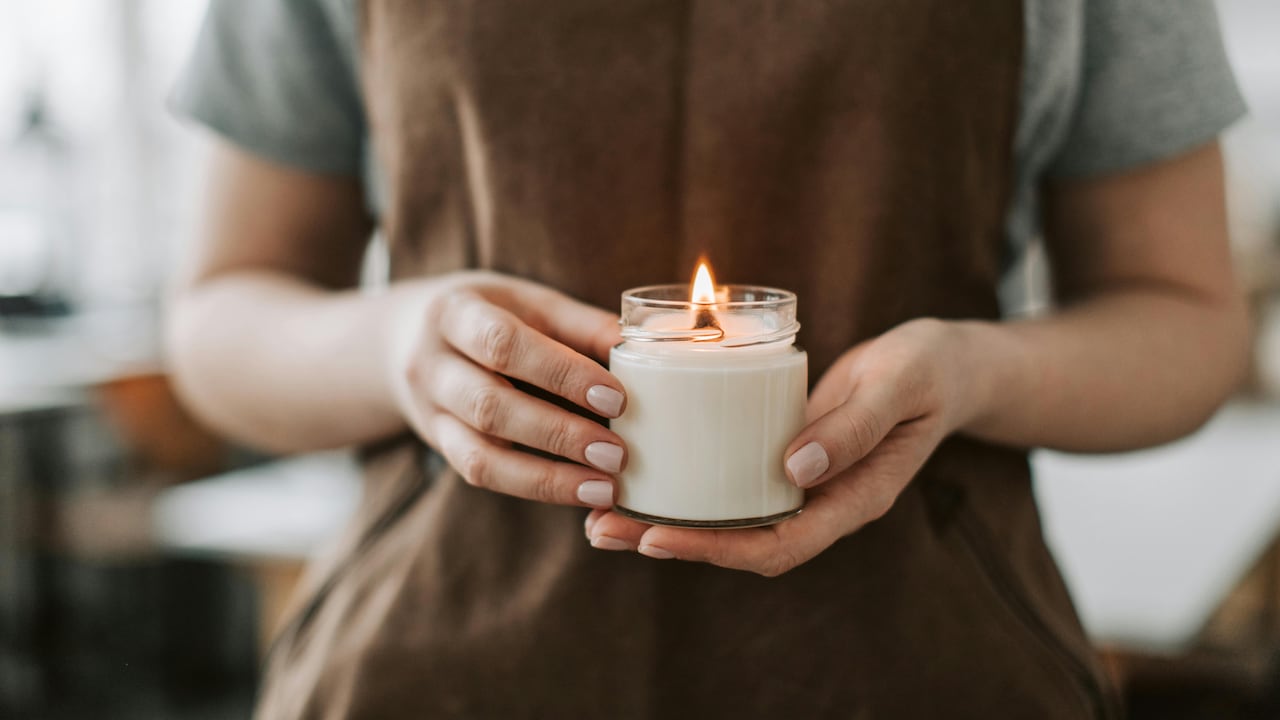
Aroma Candle Buying Guide: Wax Type, Throw And Burn Time Explained In A Simple Manner.
Aroma candles have a way of changing the mood of a room without saying a word. One gentle flicker can soften a hectic evening, while a familiar fragrance can bring back memories of slow weekends or festive nights. Yet many people buy candles the same way snacks get picked up at the checkout counter, glance, nice scent, and put them into the basket. That approach often leads to disappointment. The candle burns unevenly, the fragrance fades too fast, or the jar turns black after a few uses. Money feels wasted, even if the candle costs only ₹399.
This buying guide explains aroma candles in plain language. Wax types, fragrance throw, and burn time get unpacked with real-life examples and everyday logic. The aim stays simple: help readers choose candles that last longer, smell better, and feel satisfying from the first light to the final glow.
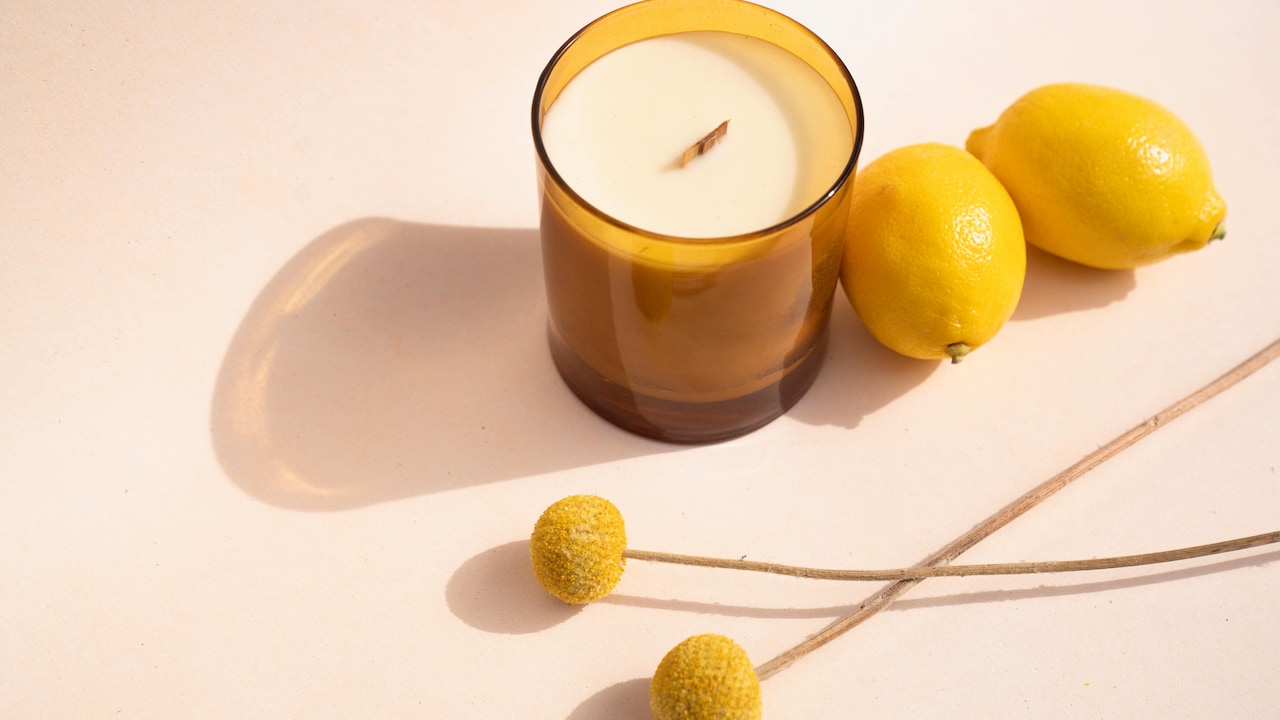
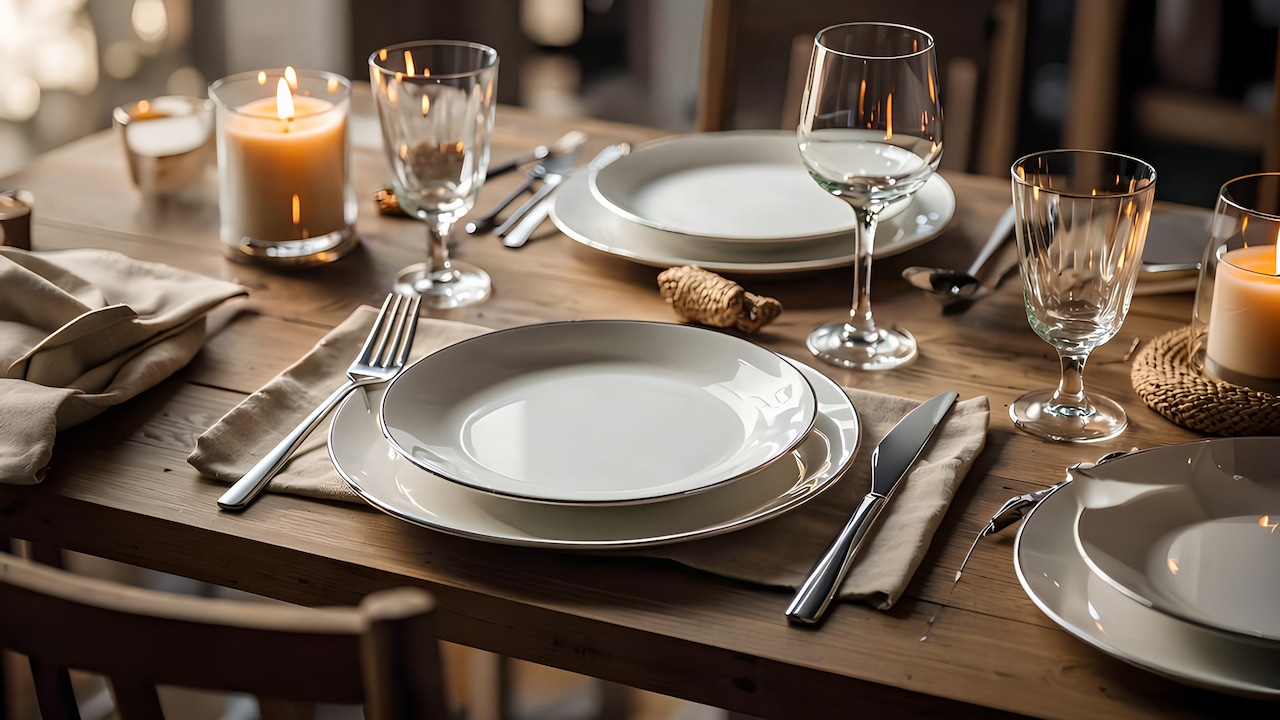
Aroma Candle Buying Guide: Wax Type, Throw And Burn Time Explained In A Simple Manner.; Photo Credit: Pexels
The Key Factors That Decide How A Candle Performs
1. Why Aroma Candles Deserve More Thought Than They Get
Aroma candles often get treated as impulse buys. They sit near cushions, lamps, or festive décor, quietly inviting attention. Yet a candle plays a role far beyond decoration. It shapes how a space feels after sunset. It adds warmth during monsoon evenings and calm during noisy weekdays.
Choosing the right candle saves money in the long run. A well-made candle priced at ₹899 can easily outperform a ₹299 one that tunnels, smokes, and loses fragrance quickly. The better candle burns cleanly and fills the room with scent, making every use feel intentional.
Candles also interact with living spaces differently. A small bedroom needs a subtle fragrance, while a living room can handle something richer. Thoughtful choices avoid overpowering smells that clash with cooking aromas or incense.
Most importantly, aroma candles encourage pause. Lighting one signal to the mind to slow down. That moment deserves something well-made. Understanding basics like wax, throw, and burn time turns candle buying into a mindful decision rather than a rushed purchase.
2. Wax Types Explained Without the Science Headache
Wax forms the backbone of any candle. The type of wax decides how cleanly it burns, how strong the fragrance feels, and how long it lasts. Thankfully, understanding wax does not require a chemistry degree.
Soy wax remains popular for good reason. It burns slowly, holds fragrance well, and produces minimal soot. Many homes prefer soy candles for bedrooms and study areas. They feel gentle and balanced.
Paraffin wax appears widely due to its low cost. It throws fragrance strongly but burns faster and can create black soot. Paraffin suits occasional use but may disappoint during long evenings.
Beeswax feels premium and earthy. It burns cleanly and lasts long, though scents remain subtle. Prices often start around ₹1,200 for decent-sized jars.
Coconut and blended waxes offer the best of several worlds. They burn evenly, smell rich, and feel luxurious. These often cost more but deliver consistent quality.
Choosing wax depends on the purpose. Relaxation calls for soy or coconut blends. Festive ambience can handle stronger paraffin-based options.
Also Read: Set The Mood With These Top 10 Home Fragrance Products From Myntra
3. Understanding Fragrance Throw Without Overthinking It
Fragrance throw sounds technical, but it simply means how well a candle spreads its scent. Two types matter: cold throw and hot throw.
Cold throw describes how a candle smells before lighting. That moment in the shop when the lid lifts and the fragrance feels inviting, that is cold throw. A strong cold throw signals good fragrance oils, but it does not guarantee performance once lit.
Hot throw matters more. It describes how the candle smells while burning. A good hot throw fills the room evenly without overwhelming the senses. Poor hot throw leaves the room smelling like warm wax rather than lavender or sandalwood.
Room size plays a role here. A candle with a strong, hot throw suits open living spaces. Bedrooms benefit from softer throws that feel comforting rather than heavy.
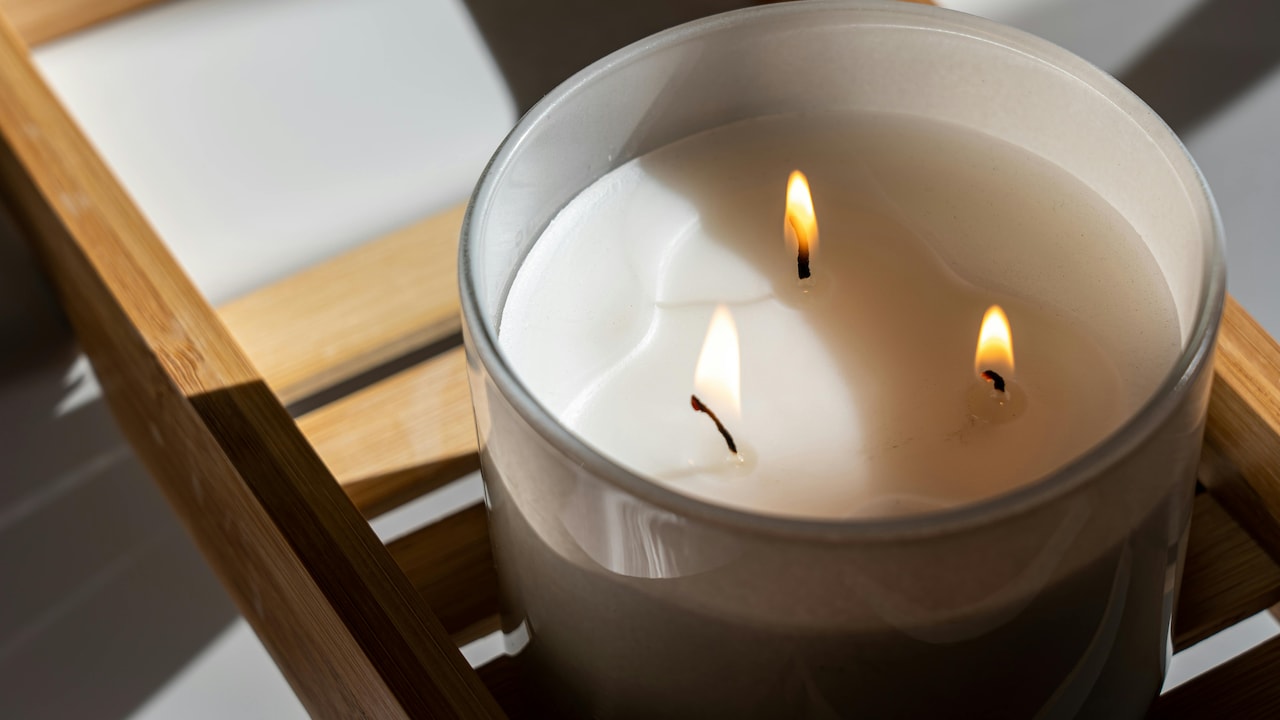
A practical tip helps: choose one-wick candles for smaller rooms and multi-wick ones for larger areas. More wicks release more fragrance.
Balanced throw creates a welcoming atmosphere. It feels present but never pushy, like background music played at just the right volume.
4. Burn Time: What Those Numbers Really Mean
Burn time often appears boldly on candle labels. “Up to 40 hours” sounds impressive, but those numbers assume ideal conditions. Real life rarely behaves ideally.
Burn time depends on wax type, wick quality, and jar size. Soy and beeswax candles generally burn more slowly than paraffin. Wider jars burn faster due to larger melt pools.
Proper use extends burn time significantly. Letting the candle burn long enough to melt wax evenly across the surface prevents tunnelling. That simple habit alone adds hours to a candle's life.
Short burns waste wax. Lighting a candle for ten minutes before blowing it out causes uneven melting. Over time, wax sticks to the sides and never gets used.
A ₹699 candle lasting 35 hours offers better value than a ₹399 one lasting 15 hours. Burn time directly affects cost per use.
Understanding realistic burn expectations helps buyers choose candles that feel satisfying rather than fleeting.
Aroma Candle Buying Guide: Wax Type, Throw And Burn Time Explained In A Simple Manner.; Photo Credit: Pexels
5. Wick Quality: The Quiet Hero of a Good Candle
Wicks rarely get attention, yet they control how a candle behaves. A poor wick ruins even the best wax and fragrance.
Cotton wicks remain the most common. They burn steadily and suit most wax types. Wooden wicks crackle softly and add charm, though they need careful trimming.
Wick size matters. Too thin, and the candle tunnels. Too thick, and it smokes, burns fast, and creates soot marks on the jar.
Good candles use wicks sized specifically for the jar diameter and wax blend. That balance ensures even burning and consistent fragrance release.
Trimming wicks before each use makes a noticeable difference. A short wick burns cleaner and steadier. This small habit prevents smoke and extends burn time.
Well-made candles often cost more because manufacturers test wick combinations carefully. That effort shows during every use.
6. Jar Design and Its Impact on Performance
A candle jar does more than look pretty. Its shape affects how wax melts and how fragrance spreads.
Wide jars allow even melt pools, which improve fragrance throw. Tall narrow jars may tunnel if the wick size does not match the diameter.
Glass thickness also matters. Thick jars retain heat better, helping wax melt evenly. Thin jars cool quickly, causing uneven burns.
Lids offer practical benefits. They protect the candle from dust and help preserve fragrance between uses. Lids also make storage easier during warmer months.
Reusable jars add extra value. Many people repurpose them for plants, storage, or décor once the candle finishes. That reuse makes a ₹999 candle feel more worthwhile.
Design and function work best together. A candle that looks good but burns poorly soon loses its charm.
7. Scent Families and Choosing What Truly Works
Fragrance choice feels deeply personal. Certain scents calm the mind, while others energise the mood.
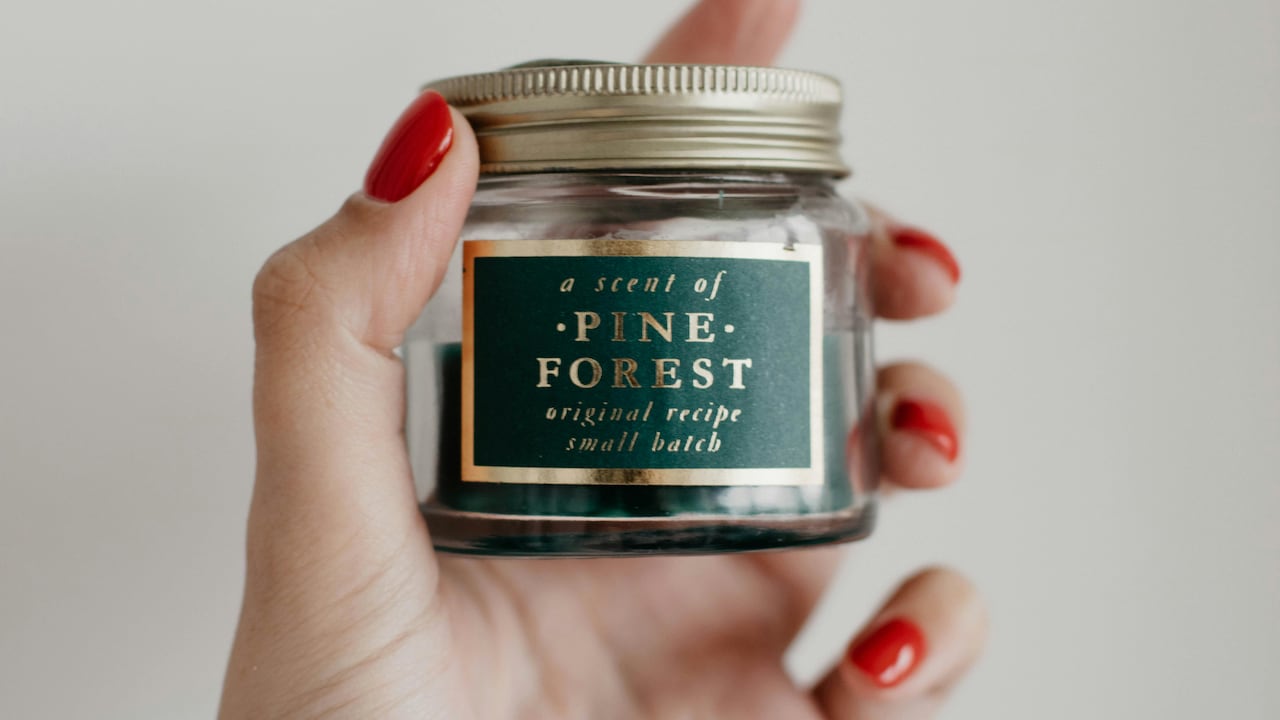
Floral scents like jasmine and rose suit evenings and bedrooms. Woody notes, such as sandalwood or cedar, feel grounding and warm. Citrus scents refresh kitchens and workspaces.
Season matters too. Fresh and citrusy notes feel pleasant during warmer months. Spices and woods shine during cooler evenings and festive seasons.
Blended fragrances often perform better than single-note ones. They feel layered and interesting rather than flat.
Testing candles at home reveals preferences better than quick shop sniffs. A scent that smells great in-store may feel overpowering after an hour.
Choosing fragrance remains about comfort, not trends. A familiar scent often brings more joy than the latest fashionable blend.
Aroma Candle Buying Guide: Wax Type, Throw And Burn Time Explained In A Simple Manner.; Photo Credit: Pexels
8. Price vs Value: Making Sense of Candle Costs
Candle prices vary wildly. Some cost ₹199, others cross ₹2,000. Price alone does not define quality, but it hints at the materials used.
Lower-priced candles often rely on paraffin wax and synthetic fragrances. They smell strong initially, but burn faster.
Mid-range candles between ₹600 and ₹1,200 usually offer better wax blends, cleaner burns, and balanced fragrance.
Premium candles focus on craftsmanship. They use high-quality wax, refined fragrance oils, and well-tested wicks.
Value comes from experience. A candle that burns evenly, smells pleasant, and lasts weeks feels satisfying regardless of price.
Budget wisely by deciding the purpose. Daily-use candles benefit from mid-range options. Occasional treats or gifts justify premium choices.
9. Common Candle Mistakes and How to Avoid Them
Many candle disappointments stem from small mistakes. Burning too short causes tunnelling. Skipping wick trimming leads to smoke and soot.
Placing candles near fans or windows disrupts flame stability. Uneven airflow causes uneven melting.
Mixing strong scents in one space overwhelms the senses. One candle per room usually works best.
Ignoring safety creates risk. Candles should never burn unattended or near flammable objects.
Simple habits improve experience drastically. Burn candles patiently, care for wicks, and respect their space.
Awareness turns candle use from casual to enjoyable.
10. Choosing the Right Candle for Everyday Life
The perfect candle depends on routine. Busy weekdays benefit from calming scents that unwind the mind. Weekends invite playful or nostalgic fragrances.
Bedrooms need soft throws and clean-burning wax. Living rooms welcome richer scents and multi-wick jars.
Gifting candles requires neutral scents and elegant jars. Vanilla, lavender, and light woods please most people.
Candle buying works best when guided by lifestyle rather than impulse. Thoughtful choices create lasting satisfaction.
When chosen well, a candle becomes part of a daily rhythm. It lights up evenings, quiets the mind, and adds comfort to ordinary moments.
Products Related To This Article
1. TIED RIBBONS Red & Blue 3 pieces Jar Candle
2. Chumbak Scented 1 Wick Cedar Jasmine Striped Geometric Regular Jar Candles
3. H&M Candle in Glass Holder Scented 1 Wick Amber Oud Solid Geometric Regular Jar Candles
4. Bath & Body Works Viva Vanilla Scented Single Wick Candle
5. ANWYN Brown & White Geometric Lemon Fragrance Wooden Jar Candle
6. Fabindia Lavanga Varda HD CAF Scented 1 Wick Solid Geometric Regular Pillar Candles
7. Aromatic Fables 3Pcs Scented 1 Wick Lemongrass Solid Geometric Regular Pillar Candles
Aroma candles offer more than fragrance. They shape mood, mark transitions, and create calm in busy lives. Buying the right one does not require expert knowledge, just a little awareness. Understanding wax types helps predict burn quality. Knowing fragrance throw avoids disappointment. Paying attention to burn time ensures better value for money. With mindful choices, every candle becomes a small ritual rather than a short-lived novelty. Next time a candle catches the eye, the decision feels confident.
(Disclaimer: This article may include references to or features of products and services made available through affiliate marketing campaigns. NDTV Convergence Limited (“NDTV”) strives to maintain editorial independence while participating in such campaigns. NDTV does not assume responsibility for the performance or claims of any featured products or services.)