How To Buy Tea Cups That Did Not Chip Easily: Know The Material That Lasts
Learn to buy teacups that stay flawless. We highlight long-lasting materials, expose misleading myths, and share tiny yet crucial features that greatly influence durability and style. Use these easy tips to buy tea cups that do not chip with gradual use.
Tea Cups That Did Not Chip Easily: A Simple Guide to Choosing the Right Material.
Tea sits at the heart of everyday life. From rushed mornings to slow evening conversations, a dependable cup quietly plays its part. Yet many households face the same frustration: cups that chip within months, crack at the rim, or lose their charm far too soon. However, do know that durable tea cups exist, and they do not always cost a fortune. A well-chosen tea cup survives clinks against saucers, crowded sinks, and the occasional careless knock. Here is how to buy tea cups that do not chip easily.
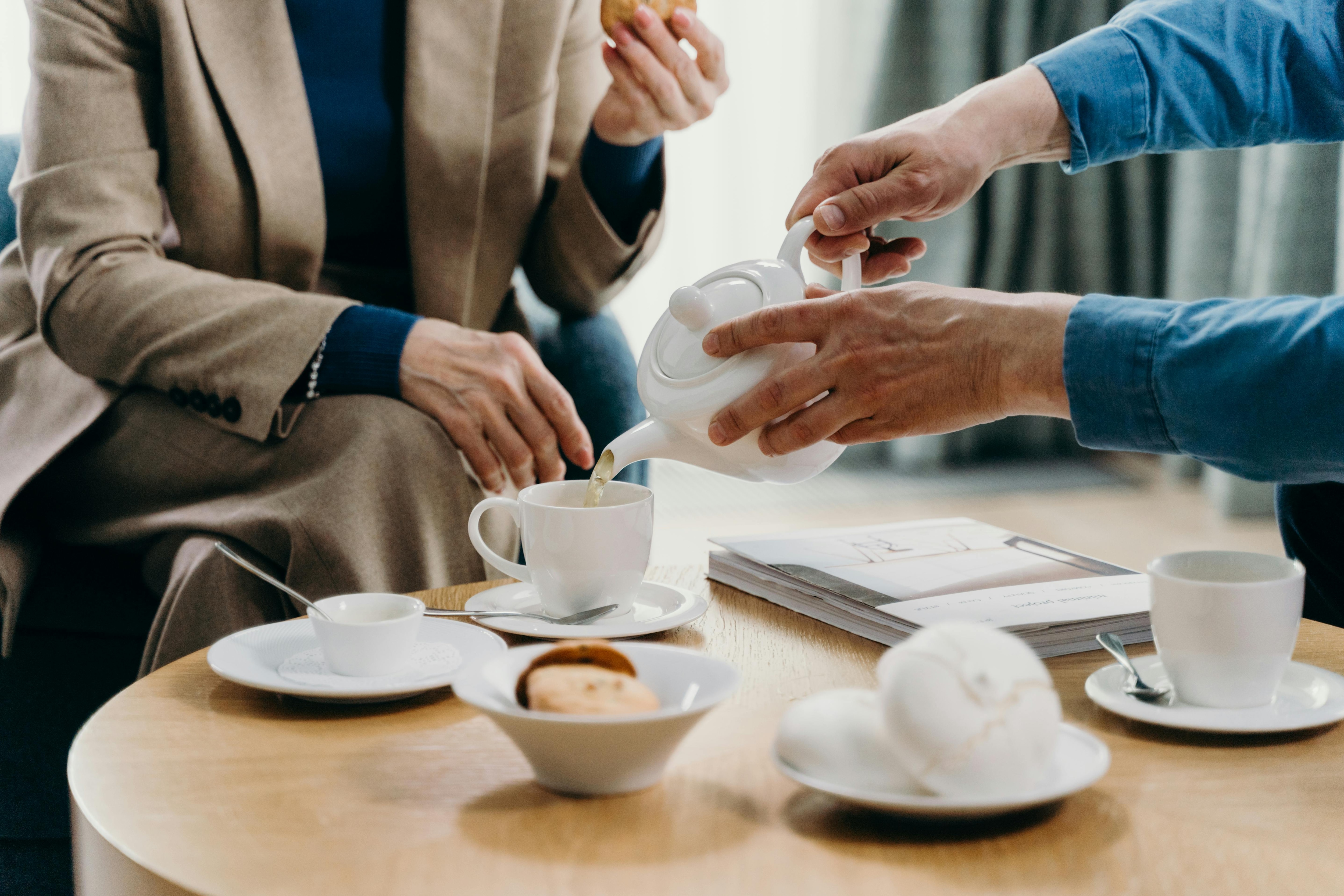
Explore all about how to buy tea cups that do not chip easily; Photo Credit: Pexels
We break down the materials that last, the myths that mislead, and the small details that make a big difference. With a little insight, choosing tea cups becomes less about guesswork and more about confidence.
Also Read: 5 Best Kettle Sets Under ₹2000 That Make Tea-Time Feel Special
Key Factors To Consider When Choosing Chip-Resistant Tea Cups
1. Why Tea Cups Chip Easily: Understanding the Real Reasons
Chipping rarely happens without a reason. Most tea cups chip at the rim or base, where the material stays thinnest and most exposed. Repeated contact with spoons, metal sinks, or other cups during washing weakens these edges over time. Even gentle taps add up.
Low-quality materials worsen the problem. Manufacturers often prioritise appearance over strength, using soft clay bodies or weak glazing. These cups look attractive on the shelf but struggle with daily use. Over-firing or under-firing during production also creates stress within the cup, making it vulnerable to small impacts.
Storage habits play a role too. Stacking cups too tightly or placing them rim-down on hard surfaces increases the risk. Sudden temperature changes, like pouring boiling tea into a cold cup, can cause tiny cracks that later turn into chips.
Understanding these causes helps buyers look beyond surface beauty. A chip-resistant cup starts with strong material, balanced thickness, and sensible design choices that support everyday life rather than just special occasions.
2. Porcelain Tea Cups: Elegant Yet Surprisingly Strong
Porcelain often gets mistaken for fragile china reserved for display cabinets. In reality, high-quality porcelain ranks among the strongest ceramic materials used for tea cups. It undergoes firing at extremely high temperatures, which creates a dense, non-porous structure.
This density gives porcelain excellent resistance to chipping and cracking. The rims stay smooth and firm, even after repeated use. Porcelain also handles heat well, so sudden temperature changes rarely cause damage. That makes it ideal for busy kitchens where tea gets poured straight from the kettle.
Another advantage lies in the glaze. Porcelain glazes fuse seamlessly with the body, reducing weak points where chips usually start. The result feels smooth yet sturdy.
Price varies widely. While luxury porcelain sets can cost ₹5,000 or more, many dependable options sit around ₹1,200–₹2,000 for a set. When chosen carefully, porcelain offers a fine balance of beauty and strength, proving that elegance does not always mean delicate.
3. Bone China: Lightweight, Refined, and More Durable Than Expected
Bone china carries a reputation for luxury and refinement. Its thin walls and soft glow often raise doubts about durability. Surprisingly, bone china stands stronger than many thicker-looking ceramics.
The addition of bone ash gives bone china extra strength and flexibility. This composition allows cups to absorb minor impacts without cracking. The rims resist chipping better than expected, especially when compared to standard ceramic cups.
Bone china also retains heat well, keeping tea warm without making the cup uncomfortable to hold. This practical feature suits long conversations over tea, where refills happen slowly.
Cost-wise, bone china sits slightly higher than porcelain, with reliable sets starting around ₹2,000–₹3,500. While it may not suit rough handling, bone china performs well in homes that value both grace and everyday use. With mindful care, these cups last for years without losing their charm or structure.
4. Stoneware Tea Cups: Built for Daily Life
Stoneware suits households that treat tea cups as workhorses rather than ornaments. Fired at high temperatures, stoneware develops a thick, sturdy body that shrugs off everyday knocks. Its weight adds stability, reducing the chance of tipping or sliding off surfaces.
The material resists chipping thanks to its dense composition. Even if a stoneware cup bumps against a steel sink or another cup, damage rarely occurs. The rims usually stay rounded and solid, offering extra protection.
Stoneware also suits varied styles. From rustic earthy tones to modern matte finishes, it fits seamlessly into both traditional and contemporary kitchens. Many stoneware cups come with slightly thicker handles, which reduce stress points where cracks often form.
Affordability adds to its appeal. Good stoneware sets range from ₹800 to ₹2,000, making them a practical investment. For homes with children or heavy daily use, stoneware offers peace of mind without sacrificing style.
5. Ceramic Cups: Knowing the Difference Between Good and Poor Quality
Ceramic tea cups cover a wide spectrum of quality. Some last for years, while others chip within weeks. The difference lies in clay composition, firing process, and glazing quality.
High-quality ceramic cups use refined clay and proper firing techniques. These cups feel balanced in the hand and show consistent thickness along the rim. The glaze appears smooth and evenly applied, without bubbles or rough patches.
Poor-quality ceramics often reveal themselves through uneven weight, sharp rims, or dull glazing. These flaws indicate weak spots that invite chipping. Decorative designs sometimes hide structural issues, so looks alone can mislead.
Prices for ceramic cups vary widely, from ₹300 sets to premium handmade pieces costing over ₹3,000. Spending a little more often ensures better durability. When chosen wisely, ceramic cups offer variety and charm without constant replacements.
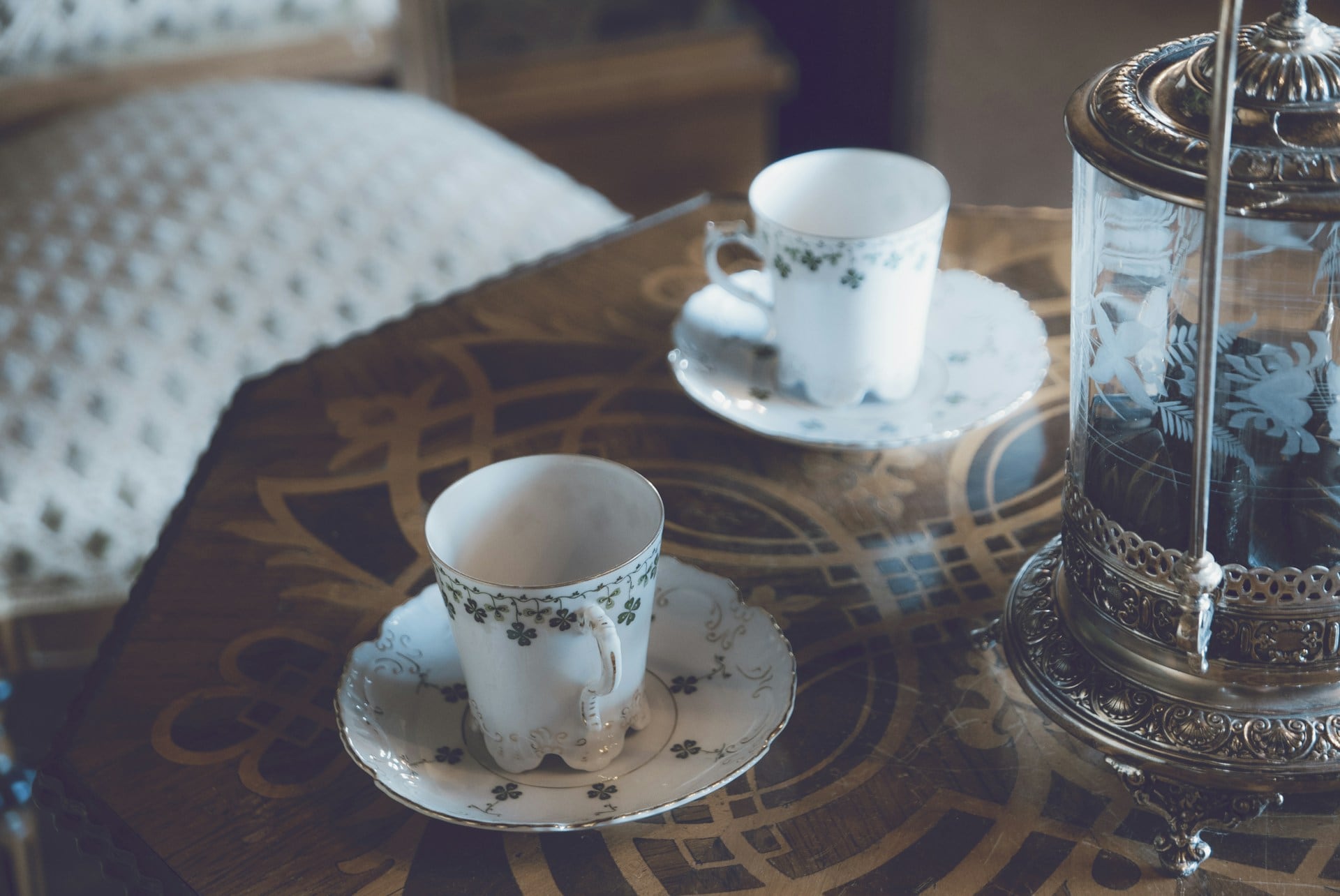
Find ceramic cups with consistent thickness along the rim; Photo Credit: Unsplash
6. Glass Tea Cups: Tempered Versus Ordinary Glass
Glass tea cups attract attention for their clean, modern look. However, not all glass handles daily use well. Ordinary glass chips and cracks easily, especially at the rim. Tempered glass, on the other hand, undergoes heat treatment that increases strength significantly.
Tempered glass resists thermal shock and minor impacts. While it may shatter if dropped hard, it rarely chips at the rim during normal use. This quality makes it suitable for homes that enjoy visual elegance without constant worry.
Another benefit lies in transparency. Glass cups reveal the colour of the tea, adding to the experience. They also avoid staining, which keeps them looking fresh longer.
Tempered glass sets usually cost between ₹600 and ₹1,500. While they may not suit everyone's taste, they offer a chip-resistant option for those seeking a modern alternative to ceramics.
7. Thickness and Weight: The Subtle Clues of Durability
A tea cup's thickness tells a story. Extremely thin cups often look refined but sacrifice strength. Overly thick cups feel clumsy and may hide internal stress from poor firing. The best cups strike a balance.
Check the rim first. A slightly rounded, even rim resists chipping better than a sharp edge. The base should feel stable, not hollow or uneven. Lift the cup and notice its weight. It should feel reassuring without strain.
Handles matter too. Thin handles attached at narrow points often break or crack. A well-designed handle distributes weight evenly and feels comfortable during use.
These subtle cues reveal quality more reliably than brand names. Spending a few extra minutes examining these details saves money and frustration later, ensuring tea cups that age gracefully rather than disappoint quickly.
8. Glaze Quality: The Invisible Shield Against Chips
Glaze does more than add shine. It protects the cup's surface and strengthens vulnerable areas. High-quality glaze bonds tightly with the cup body, creating a smooth, glass-like finish.
Run a finger gently along the rim. Any roughness suggests weak glazing, which invites chips. Look for consistency in colour and shine. Patchy or uneven glaze often signals rushed production.
Some cups feature matte finishes, which look stylish but may chip more easily if poorly made. Well-crafted matte glazes still feel smooth and solid, without chalky textures.
Good glazing also resists stains and micro-cracks. Over time, these small cracks expand and lead to chipping. Investing in cups with reliable glazing ensures longevity, even with daily washing and frequent use.
9. Everyday Habits That Keep Tea Cups Chip-Free
Even the strongest tea cup benefits from thoughtful habits. Avoid stacking cups too tightly, especially rim-to-rim. Use soft liners or store them upright. During washing, keep cups separate from heavy utensils and steel cookware.
Temperature changes deserve attention. Pouring boiling water into a cold cup stresses the material. Let cups warm slightly before use. Drying them gently rather than letting them knock against each other also helps.
Spoons cause many rim chips. Stir gently and avoid tapping spoons against the cup. These small actions extend the life of even modestly priced cups.
Good habits do not require effort, only awareness. Combined with the right material, they ensure tea cups remain intact and attractive for years.
10. Balancing Budget, Style And Longevity
Choosing tea cups often involves balancing looks, cost, and durability. Attractive designs tempt buyers, while low prices promise savings. Yet frequent replacements quickly cost more.
Setting a realistic budget helps. Spending ₹1,500 on a durable set often proves wiser than replacing ₹500 sets every few months. Consider how the cups will get used, daily tea, guests, or occasional indulgence.
Style matters too. A cup that feels pleasant encourages careful use. Whether minimalist, traditional, or rustic, the right design complements both the tea ritual and the home.
Longevity ultimately delivers value. Cups that last reduce waste, save money, and quietly support countless moments of comfort. That balance makes the choice truly worthwhile.
Products Related To This Article
1. Myntra Elegant Homes Off White Animal Print Stoneware Handcrafted 6 Piece Cups
2. Myntra Elegant Homes Unique Pink Ethnic Motifs Ceramic Handmade 6 Piece Cups
3. BOROSIL Yash Name Personalised Transparent Conversational Glass Microwave Safe 6 Piece Mugs
4. Whats Your Kick Multicoloured Text or Slogans Printed Ceramic Transparent Mugs Set of Cups and Mugs
5. UPC Blue Ethnic Motifs Ceramic Dishwasher Safe 6 Piece Mugs
6. Myntra Elegant Homes Purplicious Blue Ceramic Microwave Safe 6 Piece Cup
7. UPC Pretzel & Bagel Green Geometric Ceramic Microwave Safe 6 Piece Mug
A tea cup may seem like a simple object, yet it holds remarkable influence over daily routines. Chipping frustrates, wastes money, and disrupts small moments of calm. Choosing cups that last requires understanding materials, construction, and everyday habits. Combined with mindful use, these choices keep tea cups intact and reliable. In the end, a good tea cup does not demand attention. It simply stays strong, ready for the next pour.
(Disclaimer: This article may include references to or features of products and services made available through affiliate marketing campaigns. NDTV Convergence Limited (“NDTV”) strives to maintain editorial independence while participating in such campaigns. NDTV does not assume responsibility for the performance or claims of any featured products or services.)


![Steam Iron Teflon Shoe Cover for ES-300,ST-96 [Only For ES-300 and ST-96 Model Electric Steam Irons]](https://m.media-amazon.com/images/I/51wwkttondL._SL160_.jpg)