How To Choose the Perfect Cloth Drying Stand for Small Apartment Balconies
Struggling to dry clothes on a small balcony? This guide helps you choose the right drying stand based on space, material, stability, and daily laundry needs.
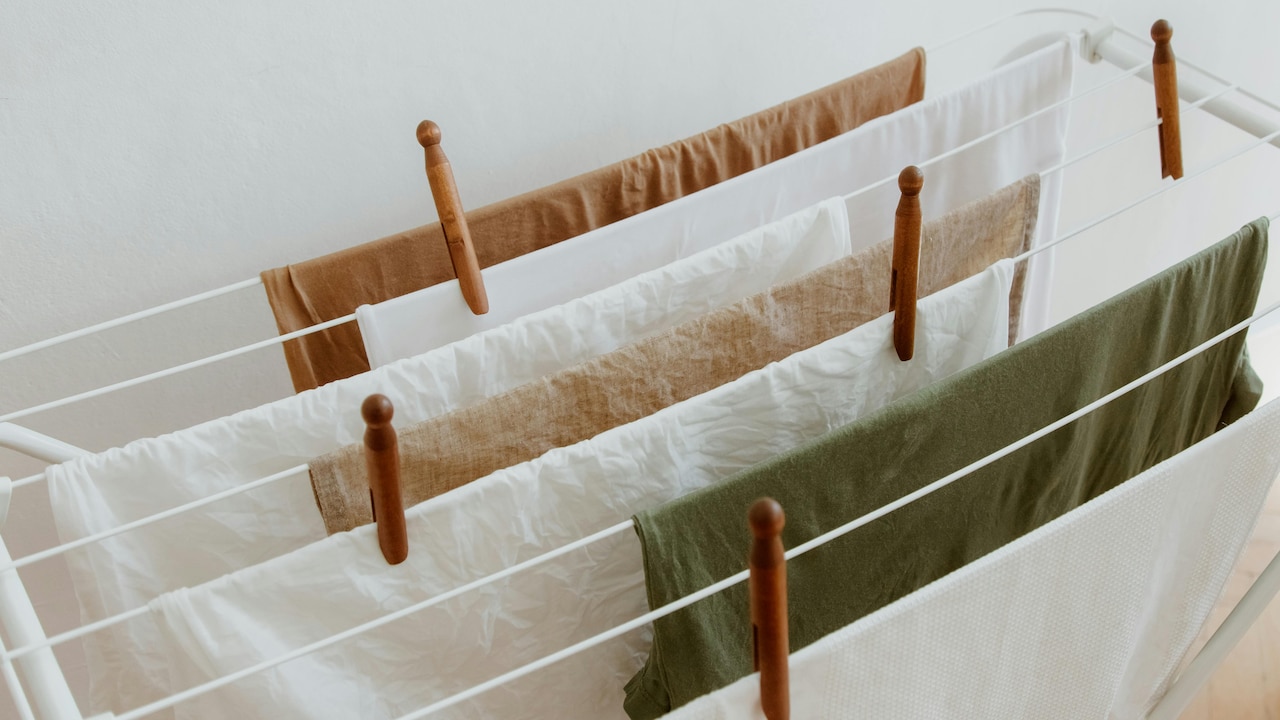
Best Cloth Drying Stand For Small Apartment Balconies: Know How To Choose The Right One.
Small apartment balconies are full of dreams. A couple of plants. A tiny table. Maybe a swing if the universe is kind. And then reality arrives in the form of wet jeans, bedsheets, towels, and that one stubborn hoodie that takes two business days to dry.
Laundry drying is not glamorous, but it is deeply personal. Everyone has a balcony story. The stand collapsed dramatically. The rust that appeared out of nowhere was like a bad plot twist. The neighbour who complained about dripping water as if it were a personal attack. And the constant question: “Where does one even put all this?”
Choosing the perfect clothes drying stand for a small balcony is not about buying the biggest one or the cheapest one. It is about buying the one that fits your space, your lifestyle, your weather, and your patience level. A good stand quietly supports your day. A bad one makes laundry feel like a sport.
So, before buying the next stand that looks nice in photos, here are ten things worth checking.
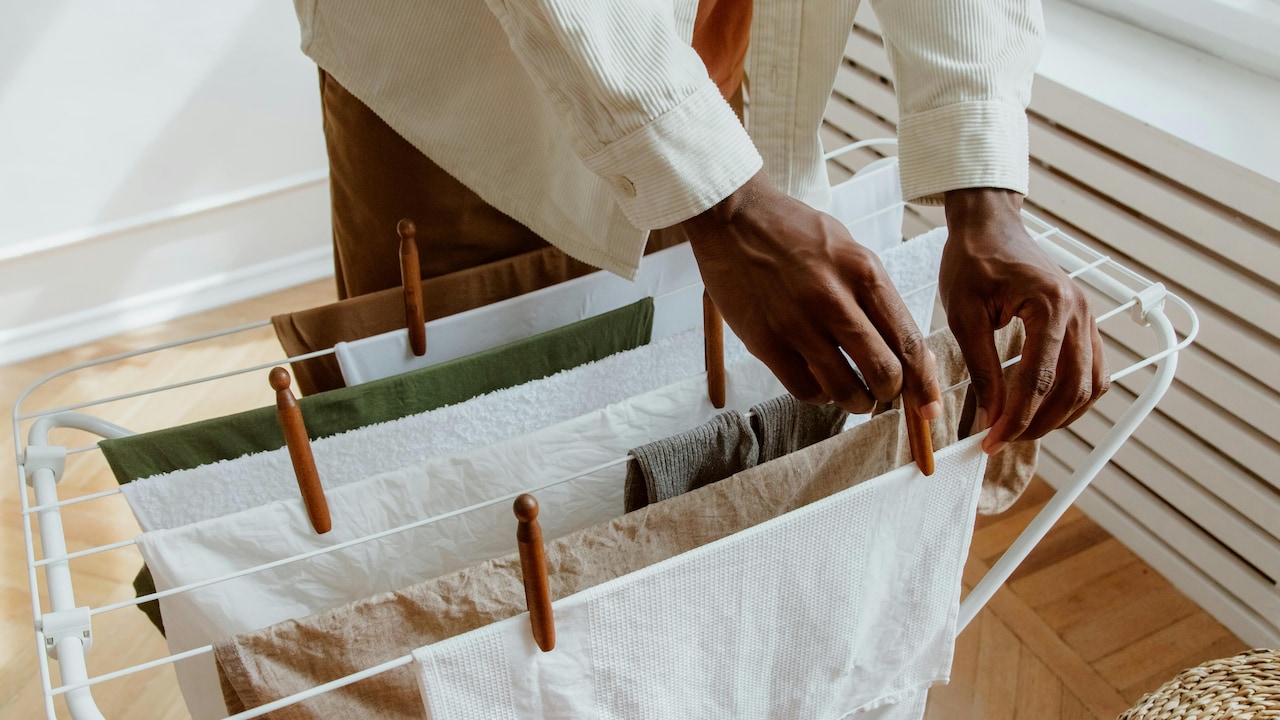
How To Choose the Perfect Cloth Drying Stand for Small Apartment Balconies
Photo Credit: Pexels
A Quick Checklist for Choosing the Right Drying Stand
1) Start With Your Balcony Reality, Not Your Wishlist
The biggest mistake people make is shopping for a drying stand the way they shop for a sofa: with hope, vibes, and denial. Balconies in apartments can be surprisingly tricky. Some are long and narrow like a corridor. Some are square but crowded with an AC outdoor unit. Some have a railing that blocks airflow. Some are “balconies” in name only and feel like a polite ledge.
The best way to start is to measure the space where the stand will actually sit. Not the entire balcony, just the usable zone. Also, think about movement. If the stand forces you to walk sideways like a crab every time you step out, it will annoy you daily. That's not a small thing. Daily annoyance adds up faster than laundry.
Also, notice where the sunlight falls. A stand placed in shade will turn drying into a slow, moody process. If the balcony gets strong afternoon sun, you need a stand that can handle heat without warping or fading.
A stand should fit your balcony the way a good pair of sandals fits your feet. Comfortable, practical, and not trying too hard.
2) Choose a Shape That Matches How You Hang Clothes
Drying stands are not all built for the same habits. Some people hang clothes neatly, evenly spaced, like a calm person in a detergent ad. Others hang everything quickly and pray. The stand should support your style, not demand a personality change.
For small balconies, vertical tower stands often work well because they go upwards rather than outwards. They look a bit like laundry skyscrapers. Great for T-shirts, kids' clothes, and light items. But they can feel cramped for bedsheets and towels, which need long rails and space to breathe.
Wing-style stands open wide and offer long lines, which is perfect for bedsheets and larger clothes. The catch is that they eat floor space. If your balcony is narrow, the wings might block your path and create a daily obstacle course.
There are also wall-mounted foldable racks and railing-hanging stands, which save floor space. They are fantastic for tiny balconies, but you need to be sure your wall or railing can support the load.
Pick the shape that fits your laundry habits, not just your balcony measurements.
3) Pay Attention to Weight Capacity (Wet Clothes Are Heavier Than Feelings)
A drying stand can look sturdy in the shop and still behave like a weak folding chair at a wedding once you hang wet clothes on it. Wet laundry is heavy. Jeans, towels, and bedsheets become dramatic once soaked. Add a couple of heavy items, and suddenly the stand starts wobbling like it is reconsidering its life choices.
Weight capacity matters more than people think, especially in the monsoon season when clothes stay wet longer, and you end up hanging more at once. A stand that can handle daily loads without bending saves money and saves your mood.
Look for stands with thick rods, stable joints, and strong hinges. The legs should not feel flimsy. The base should be wide enough to prevent tipping. If the stand feels light as a feather, it might also behave like one when the wind hits.
Also consider how you distribute clothes. If a stand has thin rails that sit too close together, you will overload one side just to fit everything. That's when it starts leaning, creaking, and testing your faith in engineering.
A good stand stays steady even when laundry day gets ambitious.
4) Material Matters: Rust Is a Sneaky Villain
Balcony drying stands live in a harsh environment. Sun, rain, humidity, dust, and sometimes pigeon drama. The material you choose decides whether your stand becomes a long-term companion or a short-term regret.
Stainless steel stands are popular for a reason. They resist rust better than regular steel and handle moisture well. They also feel sturdy and last longer. Aluminium stands are lighter and rust-resistant too, but they can sometimes feel less stable if the design is not strong.
Plastic stands can work for light laundry, but they often struggle with heavy items and long-term sun exposure. Heat can make plastic brittle. The rods can warp. Hinges can loosen. It starts fine, then slowly becomes annoying.
Powder-coated metal stands can look stylish and resist rust, but the coating can chip over time. Once it chips, rust starts creeping in like it owns the place.
If your balcony gets rain or heavy humidity, avoid anything that feels like it might rust within months. Rust stains on clothes are the kind of pain nobody deserves.
5) Folding and Storage: The Stand Should Disappear When You Need Space
Small balconies do not forgive clutter. A drying stand that stays open all day becomes the balcony's main character. Suddenly, there's no space for plants, no place to stand, and no way to enjoy that evening breeze without bumping into damp sleeves.
A good drying stand should fold easily and fold compactly. This is not just about storage. It is about freedom. When guests come over, or when you want to sweep the balcony, you should be able to fold it without a wrestling match.
Some stands fold flat and can slide behind a door or beside a cupboard. Others fold but still remain bulky, like a suitcase that refuses to close properly. Check the folded dimensions if you can.
Also, pay attention to the folding mechanism. If it feels stiff, it will get worse over time. If it feels too loose, it might collapse unexpectedly. Hinges should feel smooth but firm.
The best stands are the ones you stop noticing. They appear when needed, do their job, and politely vanish afterwards.
6) Wind, Safety, and the Great Balcony Sock Escape
Balcony laundry has one universal enemy: wind. Even a gentle breeze can turn your drying stand into a moving object. A strong gust can send it sliding, tipping, or shifting in a way that makes your heart skip a beat.
If you live on a higher floor, wind is not a small issue. It becomes a daily factor. A stand should have anti-slip feet and a stable base. Rubberised feet help prevent sliding, especially on smooth tiles.
Some stands have locking joints so they don't fold accidentally. This is crucial. Without locks, a stand can collapse while you are hanging clothes, which is both annoying and mildly insulting.
Also, think about the railing. If your stand sits too close to the edge, clothes can flap against the railing and collect dust. Or worse, a small item can fly off and begin its solo journey to the ground floor.
Cloth clips are helpful, but the stand design matters too. Rails with enough spacing reduce flapping. A stable stand means fewer balcony laundry accidents and fewer awkward moments.
A good stand keeps your laundry where it belongs: on the stand, not in the wind's custody.
7) Rail Spacing and Airflow: Drying Fast Is a Lifestyle Upgrade
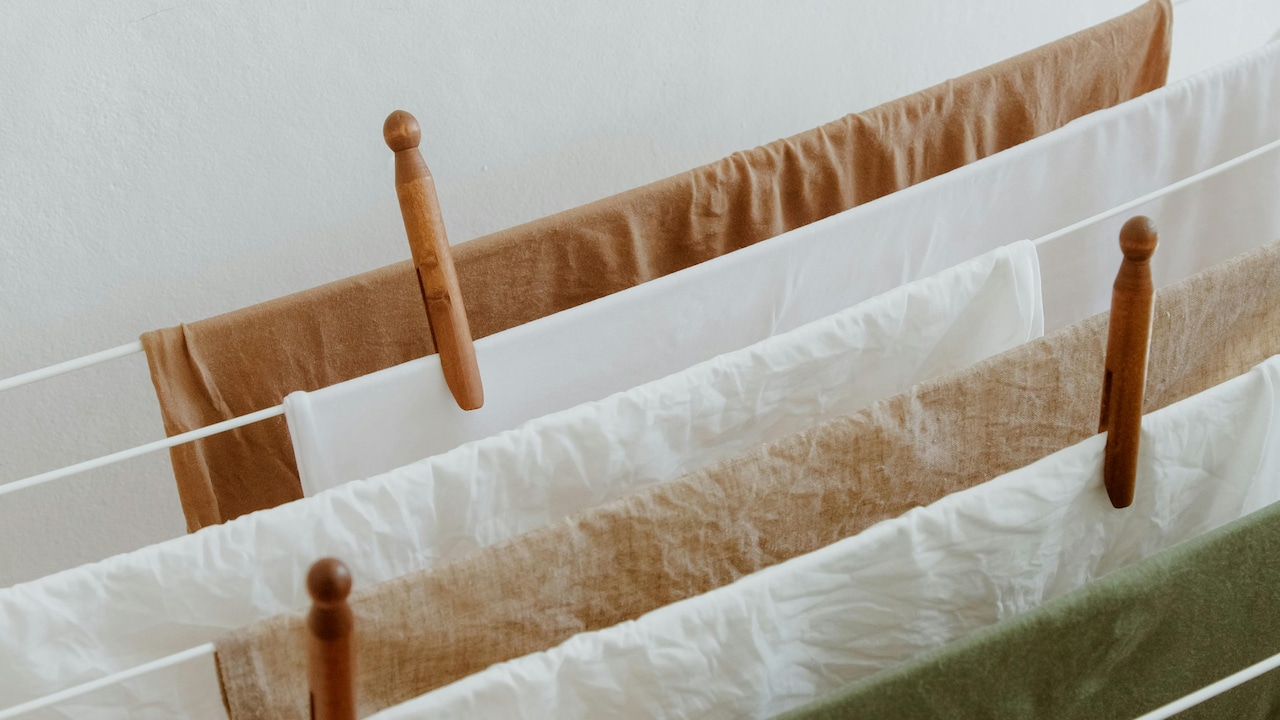
A drying stand is not just about hanging clothes. It is about drying them properly. Poor airflow leads to dampness, bad smell, and that unpleasant “still wet inside” feeling when you pick up a T-shirt.
Rail spacing matters. If the rods are too close, clothes sit packed together. They dry slowly. They smell. In humid weather, they might never fully dry unless you wait forever or move them indoors.
A well-designed stand gives enough space between rails so air can circulate. It also allows clothes to hang without folding too much. If a shirt is bunched up, it dries unevenly and develops stubborn damp patches.
Height also affects airflow. Some stands keep clothes too close to the floor, where dust gathers, and air movement is weaker. Slightly elevated stands help clothes dry faster.
If your balcony is enclosed with grills or has limited sunlight, airflow becomes even more important. In that case, a stand with multi-level rails and open sides can help.
Fast drying is not just a convenience. It prevents that musty smell that makes even freshly washed clothes feel suspicious.
How To Choose the Perfect Cloth Drying Stand for Small Apartment Balconies
Photo Credit: Pexels
8) Think Beyond Shirts: Bedsheets, Towels, and Dupattas Need a Strategy
Most drying stands are designed with everyday clothes in mind: T-shirts, trousers, kids' wear. But real life includes bigger, more dramatic laundry items. Bedsheets. Towels. Curtains. Dupattas. Sometimes, even a blanket that someone insisted could be “hand-washed”.
These items need long, uninterrupted rails. If you fold them too much over short rods, they take ages to dry. Worse, they can smell damp, especially in monsoon weather. Towels are the biggest offenders. They hold water like it is their hobby.
Some stands include extendable rails. These are useful for large items, but only if the extension feels sturdy. If it bends under weight, it becomes a problem.
Wing-style stands often handle bedsheets best because they offer long lines. But if your balcony is small, you might need a hybrid stand: one with a main long rail and a compact footprint.
Also, check if the stand allows hanging clothes at different heights. That helps when you need to hang a long dress or a saree without it brushing the floor.
A stand that supports a large laundry saves you from the dreaded “where do we put this now?” moment.
9) Easy Cleaning and Maintenance: Because Balcony Dust Has No Mercy
Balcony spaces collect dust like magnets. Even if you sweep regularly, dust settles on everything: the railing, the floor, and yes, the drying stand. Over time, that dust can transfer to clothes, especially lighter fabrics.
Choose a stand that is easy to wipe. Smooth metal rods clean easily. Too many grooves, decorative patterns, or complicated joints become dust traps. And nobody wants to spend time cleaning a drying stand like it is a kitchen appliance.
Rust resistance also falls under maintenance. A stand that rusts needs constant attention. Some people try to fix rust with paint, but that usually turns into a patchy mess. Better to choose the right material from the start.
Check for sharp edges or rough welds. These can snag delicate fabrics. They can also scratch your hands. A good stand feels finished, not rushed.
Also, think about spare parts. Some brands offer replacement clips or joints, but many don't. A stand with solid construction reduces the chance of small failures.
Maintenance should be minimal. Laundry is already a chore. Your drying stand should not become another one.
10) Price vs Value: Spend Smart, Not Just Less
Drying stands come in every price range. Some are cheap enough to feel like an impulse buy. Some cost enough to make you pause and rethink your life. The goal is not to buy the most expensive one. The goal is to buy the one that gives the best value for your needs.
A low-cost stand might seem fine, but if it rusts quickly, bends, or collapses, you will end up buying another one soon. That means more expense and more hassle. On the other hand, an overly premium stand with fancy features might not suit a small balcony at all.
The sweet spot is usually a sturdy, rust-resistant stand with a stable base and practical design. For many households, spending around ₹1,200 to ₹3,500 can get a reliable stand that lasts for years, depending on the material and size.
Also consider how often you do laundry. If you wash clothes daily, invest in something durable. If laundry happens once a week, you might prioritise capacity.
Value comes from daily ease. If a stand makes laundry simpler, it earns its place in your home.
Products Related To This Article
1. PARASNATH 12 Road Stainless Steel Drying Rack Extra Large Foldable Cloth Dryer
2. Mega Clothing Stand | Stylish Garment Stand
3. CYBERCITY Luxury Deluxe Heavy Rust Proof Stainless Steel with UV Protected Nylon Ropes Individual dropdown Ceiling Cloth Dryer Stand
4. Lukzer 1PC Metal Garment Rack Multipurpose Clothes Rack with Bottom Shelf
5. Happer Premium Clothes Stand for Drying with Wheels
Choosing the perfect clothes drying stand for a small apartment balcony is a surprisingly important decision. It affects your space, your routine, and even your mood on laundry day. The right stand makes drying clothes feel effortless. The wrong one turns your balcony into a cramped, wobbly, rust-prone theatre of frustration.
Think about your balcony layout, your laundry habits, and the kind of weather you deal with. Pick a shape that suits your space. Choose a material that can survive humidity and rain. Look for stability, good airflow, and easy folding. And don't forget the big laundry items that always show up when you least expect them.
A drying stand may not be the most exciting purchase, but it is one of those everyday essentials that quietly improve life. When it works well, you don't notice it. You just notice that your clothes dry faster, your balcony feels bigger, and your day runs a little smoother. And honestly, in a busy apartment life, that's a small victory worth having.
(Disclaimer: This article may include references to or features of products and services made available through affiliate marketing campaigns. NDTV Convergence Limited (“NDTV”) strives to maintain editorial independence while participating in such campaigns. NDTV does not assume responsibility for the performance or claims of any featured products or services.)






![Steam Iron Teflon Shoe Cover for ES-300,ST-96 [Only For ES-300 and ST-96 Model Electric Steam Irons]](https://m.media-amazon.com/images/I/51wwkttondL._SL160_.jpg)