How To Choose The Right Dustbin Size For Each Room In Your Home
Choosing a waste bin might seem like a tiny household chore, yet it shapes how smoothly daily life flows. The right bin size for every room helps control odour and keeps the surroundings tidy. See how to pick the perfect bin sizes for your home.

Best Dustbin Sizes For Every Room At Home: Kitchen, Bedroom, Bathroom And More.
A dustbin rarely attracts attention until rubbish spills out, or the stench of last night's leftovers takes over the kitchen. Some homes pile mound-like heaps of waste in too-small bins, while others use large bins that look awkward and take up precious space. A well-chosen bin feels as natural as placing a doormat at the door. Different rooms generate different types and amounts of waste. The kitchen fills up with vegetable peels, food scraps and plastic wrappers, while bedrooms mostly produce dry waste like tissues or packaging. Let's explore how to choose the right bin size for every room at home and make cleanliness feel effortless.
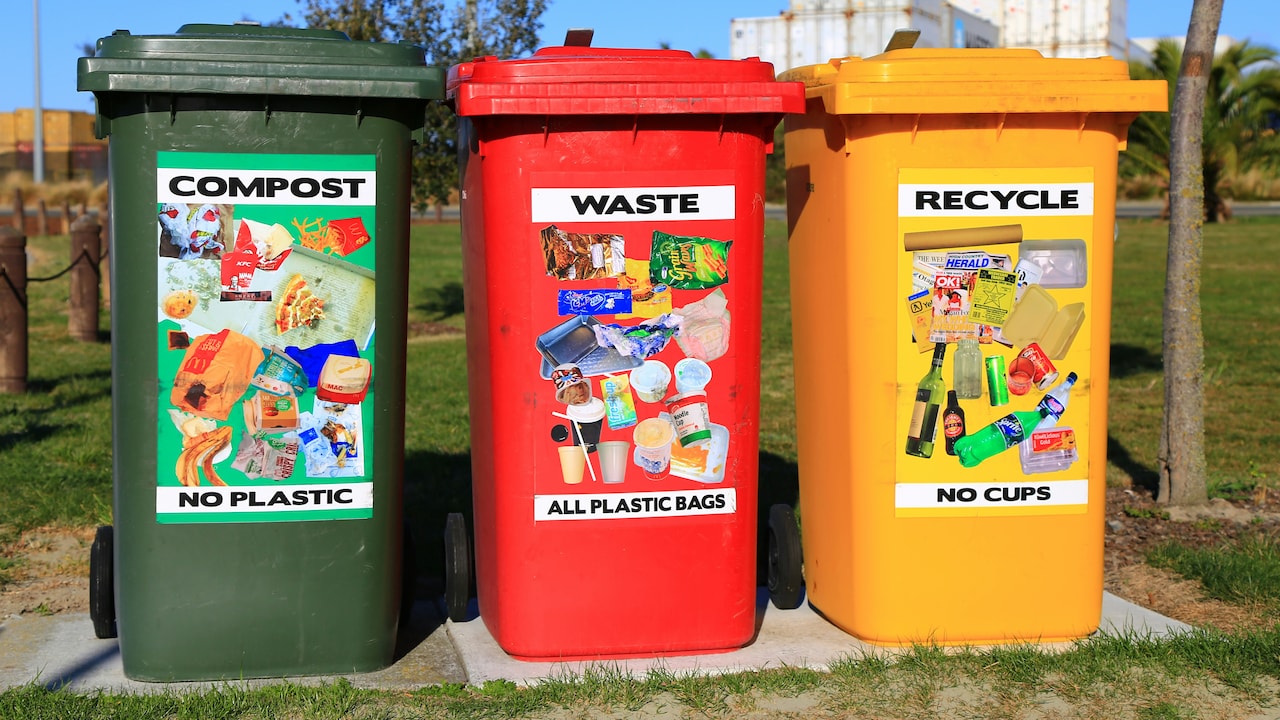
Choose The Right Bin Size For Each Room In Your Home; Photo Credit: Pexels
Choosing the Ideal Bin Size for Every Room
1. Kitchen Bins: Large and Ready for Action
The kitchen works harder than every other corner of a house. From chopping vegetables to unpacking grocery deliveries, the kitchen churns out food scraps, wrappers, used tea leaves and peels throughout the day. A small bin struggles to handle this load. It needs frequent emptying, often leading to sticky bags and a lingering smell. A large bin with a capacity of 20–30 litres suits an average household kitchen, especially where cooking happens daily.
A sturdy lid becomes important here because it locks in smells. Look for bins that open easily with a foot pedal. This keeps hands clean while cooking. Place the bin close to the sink or cooking counter to catch peels and scraps quickly. If space allows, consider two bins: one for wet waste and another for plastics or recyclables. This simple step builds the habit of segregation without extra effort. In a city where households cook fresh meals daily, a reliable kitchen bin feels less like a container and more like a loyal helper.
2. Living Room Bins: Subtle, Medium-Sized and Stylish
The living room gathers family chats, chilled summer drinks, and late-night TV snacks. Dry waste dominates here, tissues, snack wrappers, paper receipts or fruit peels. A gigantic bin looks out of place and attracts unnecessary attention. Choose a 10–15 litre bin that blends into the décor. The focus stays on cleanliness without disturbing the room's style.
A sleek pedal bin or a covered swing-lid bin keeps the room neat during gatherings. Guests rarely enjoy staring at an overflowing open bin. Try placing it behind a sofa or in a corner where it stays accessible yet subtle. Explore colours that match the interior, wood finish for traditional spaces or neutral tones like grey and beige for modern homes. The living room welcomes conversations, celebrations and relaxation, so the bin should look tidy, quiet and perfectly sized, doing its job without stealing the spotlight.
Also Read: Top 5 Dustbins That Match The Home Decor: No Need For Hiding
3. Bedroom Bins: Small, Dry and Discreet
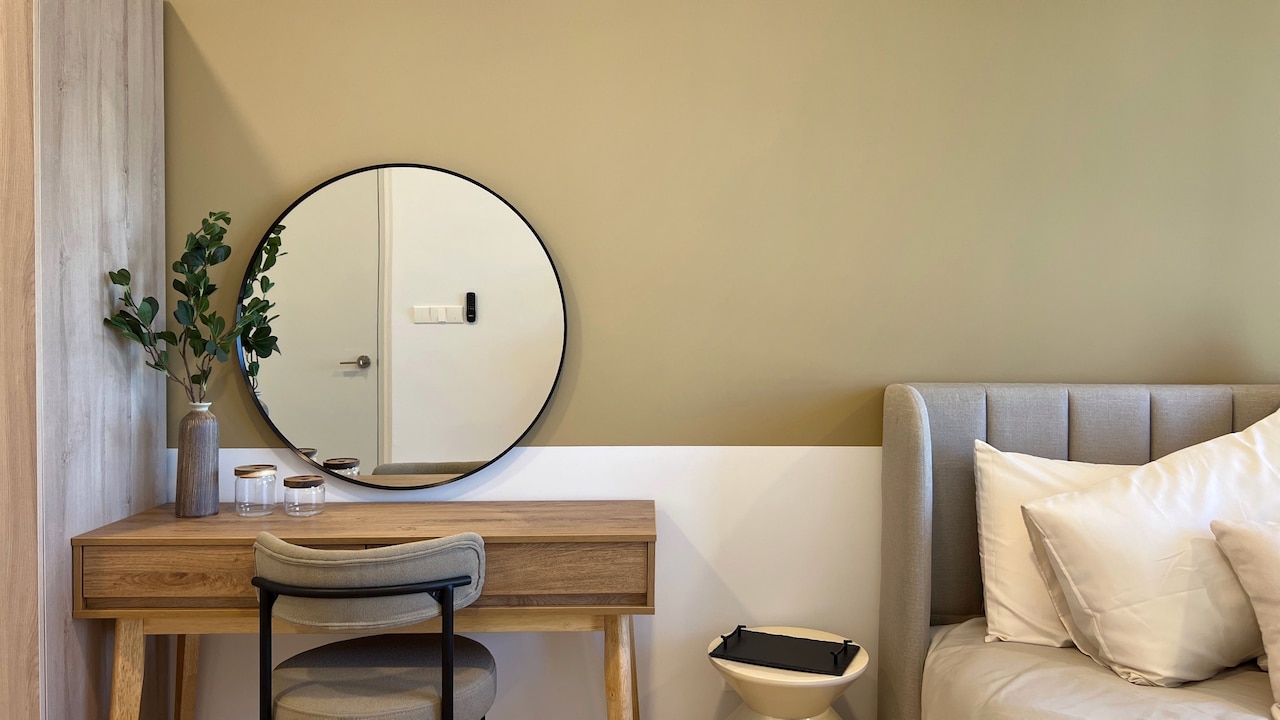
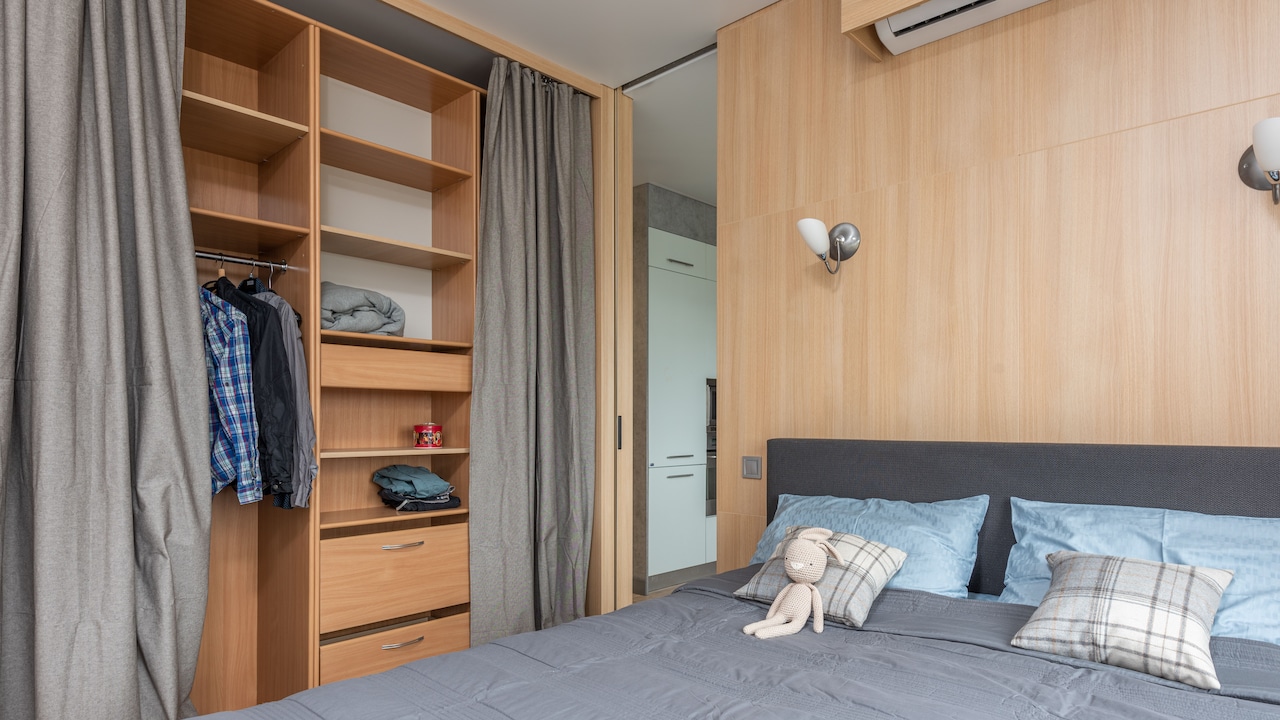
Bedrooms rarely generate large amounts of waste. A few chocolate wrappers, tissue papers, price tags from new clothes or beauty product packaging usually make up the trash. A bin of 8–12 litres suits most bedroom needs. Opt for a closed lid to keep things mess-free, especially when using tissues or cosmetic waste.
Make sure the bin feels light and fits well beside a study table or dresser. Most waste here stays dry, so lining it with a plastic bag becomes optional unless you discard creams or medicine wrappers. Go for simple, thoughtful designs, a compact bin in pastel tones or muted colours suits bedrooms well. A small bin helps everyone toss waste responsibly instead of leaving wrappers near the bedside table. A clean bedroom carries a calming vibe, and one discreet bin silently supports that peace.
4. Bathroom Bins: Small, Hygienic and Odour-Proof
Bathroom waste demands special attention. Cotton pads, hair strands, sanitary products and soap wrappers need quick disposal, but hygiene matters the most here. Choose a 6–10 litre covered pedal bin. A foot-operated lid proves useful because it keeps hands clean and limits contact with germs.
A bin without a lid invites odour and makes the bathroom look unkempt. Look for moisture-resistant models to survive humidity. Place it near the washbasin or under the counter, where it remains accessible but not too visible. Proper disposal bags also help maintain hygiene. Some homes prefer two bathroom bins, one for regular waste and one solely for sanitary disposal. Keeping a small yet efficient bin ensures cleanliness without clutter, maintaining the bathroom's fresh look.

Choose The Right Bin Size For Each Room In Your Home; Photo Credit: Pexels
5. Study or Home Office Bins: Compact and Paper-Friendly
Work-from-home setups grow busier by the day. A study corner fills up with bills, documents, pencil shavings, snack wrappers or paper bits. Dry waste dominates here, so an 8–10 litre bin works well. Choose bins without lids for easier tossing of paper scraps. An open bin encourages quick disposal and avoids the drama of bending down with every tiny scrap.
Metal mesh bins or sleek plastic designs complement study zones. A dull-looking bin distracts the desk mood, so explore colours that match your stationery or table. If children use the study area, sturdy bins become essential to handle crayons, paper balls and accidental rough use. A study bin supports productivity by keeping the space uncluttered, turning messy papers into organised efficiency.
6. Kids' Room Bins: Fun, Safe and Slightly Larger
Children create surprises in their waste too, broken crayons, snack wrappers, drawing paper, sticker peels and toy packaging. A 10–15 litre bin suits kids' rooms because it accommodates frequent waste without constant emptying. Choose colourful, playful bins that encourage kids to use them. Cartoon-themed covers or bright colours make the habit enjoyable.
Rounded edges matter for safety, especially for toddlers. Keep a lid to prevent siblings or pets from rummaging inside. A sturdy plastic design handles rough handling better than thin materials. Pair the bin with short reminders like, “Throw it in the bin!” until it becomes second nature. A lively bin teaches discipline, supports neatness and adds charm to their creative world.
7. Dining Area Bins: Medium and Odour-Controlled
The dining area often hosts quick meal leftovers, used napkins and fruit scraps. A 12–20 litre bin handles this waste neatly. Pick a covered model to control food odour. If meals often include fish, leftover curries or cut fruits, a pedal lid keeps things hygienic and prevents flies, especially in warmer weather.
Place the bin in a subtle corner, not directly beside the dining table. It must sit close enough for plate clearing but far enough to maintain appeal. Choose easy-clean materials since dining areas encounter spills. Stainless steel versions feel premium, yet durable plastic bins also do the job well. A dining bin streamlines post-meal cleaning, ensuring the pleasant aroma of fresh food lingers longer than yesterday's discarded scraps.
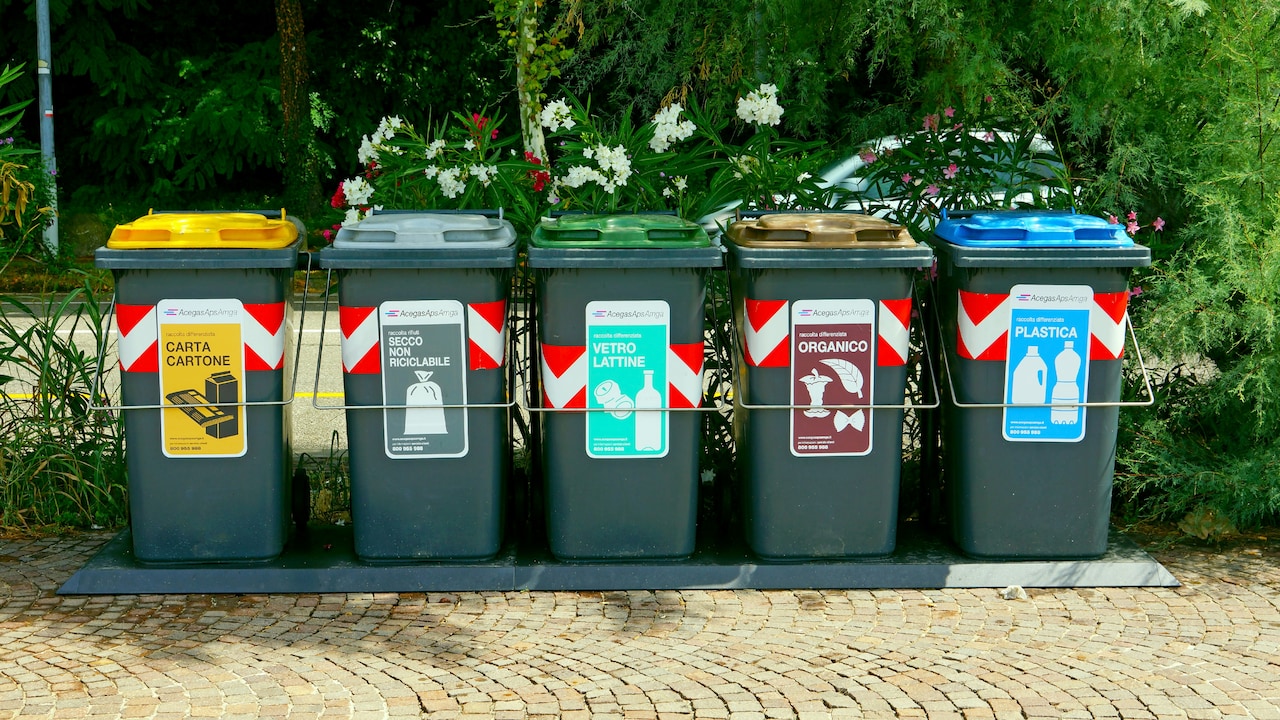
Choose The Right Bin Size For Each Room In Your Home; Photo Credit: Pexels
8. Balcony or Outdoor Bins: Large, Sturdy and Weather-Ready
Balconies serve multiple roles, mini gardens, morning tea spots or laundry zones. Outdoor waste varies from dry leaves to soil packs, laundry lint, paper cups, or plant remains. A 25–35 litre robust bin suits outdoor spaces. Look for weather-resistant bins that endure sunlight and rain without cracking.
A tight lid becomes vital to avoid insects and birds from rummaging through waste. If the balcony hosts plants, keep one bin just for garden waste. Another bin can collect recyclable plastics from delivered packages. Place it in a corner, never blocking walkways. A practical balcony bin keeps the outdoor space fresh, airy and always ready for quiet evening tea sessions.
9. Utility or Washing Area Bins: Wet-Waste Friendly
Laundry rooms and utility corners often collect detergent packets, lint, hair strands, soap covers and cleaning-related waste. A 12–18 litre bin fits this space well. A moisture-proof bin handles damp surroundings and occasional spills. Choose one with a firm lid to maintain hygiene since the area often deals with wet mops and cleaning tools.
Two bins work efficiently here. One holds regular waste, and the other stores worn-out cleaning supplies such as scrubbers or damaged brushes. This simple organisation reduces clutter and prevents the area from smelling like used mop water. Place the bin next to the washing machine or storage shelf, where it supports daily chores without interrupting movement.
10. Segregated Bins: A Smarter Choice for Any Room
The best waste management system in any home includes segregation. Every room benefits from separate bins for wet waste, dry waste and recyclables. Instead of one large mixed pile, two medium bins solve most problems. Colour-coded bins work beautifully, green for wet waste, blue for dry waste and another colour (like yellow) for recyclables. Even a small effort supports better recycling and cleaner surroundings.
Segregation also saves money. Dry recyclables often fetch cash back at scrap dealers, and wet waste can become compost for garden plants. A household that sorts waste daily spends less on disposal services over time. For homes using compost pits or machine composters, a separate kitchen bin for peels and cooked leftovers becomes the key to nurturing organic fertiliser. Segregated bins not only solve clutter but also boost environmentally conscious habits in a graceful, low-effort manner.
Products Related To This Article
1. Home Centre Aubree Metal Pedal Waste Bin 5L
2. Kuber Industries Grey Pedal Dustbins - 10 L
3. Aura White & Grey Striped One Press Lid Bin 10L
4. HOMESTIC Grey Plastic Open Waste Bin With Garbage Bag Set 10 L
5. The Better Home White & Grey Automatic Smart Sensor Dustbins With Lid
6. OBSESSIONS Metallic Toned Self-Design Stainless Steel Dustbins 5L
7. UMAI Black Stainless Steel Automatic Smart Sensor Dustbin 42 L
A dustbin may not sparkle like a new sofa or catch attention like fancy lighting, yet it influences the everyday feel of a home. Choosing a fitting bin size for each room goes beyond holding waste. It supports hygiene, encourages segregation and makes cleanup easy. Whether a kitchen needs a large helper or a bedroom prefers a quiet little companion, every space has its perfect match.
Thoughtful dustbin choices shape healthier homes, reduce clutter and even save money in the long run. A cleaner environment starts right inside the home, one bin at a time.
(Disclaimer: This article may include references to or features of products and services made available through affiliate marketing campaigns. NDTV Convergence Limited (“NDTV”) strives to maintain editorial independence while participating in such campaigns. NDTV does not assume responsibility for the performance or claims of any featured products or services.)



![Steam Iron Teflon Shoe Cover for ES-300,ST-96 [Only For ES-300 and ST-96 Model Electric Steam Irons]](https://m.media-amazon.com/images/I/51wwkttondL._SL160_.jpg)