How to Choose The Right One-Pot Cookware Size for Singles, Couples And Families
Choosing the wrong one-pot size can ruin everyday cooking. From solo meals to family dinners, this guide shows how to pick cookware that fits portions, kitchens and real-life routines, without waste or regret. Explore expert tips to find the right one-pot cookware based on your family size.
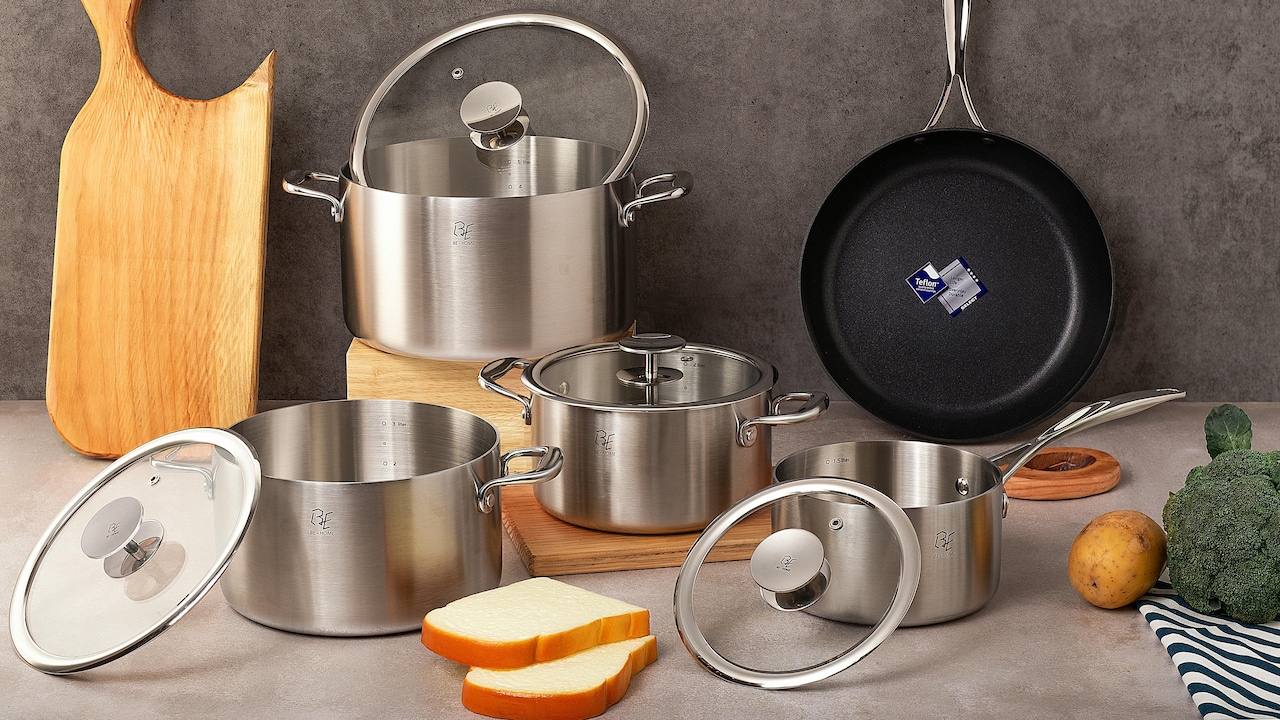
Here Is How To Pick One-Pot Cookware Size Thats Actually Useful for Families, Couples And Singles.
One-pot meals hold a special place in everyday kitchens. From slow-cooked rajma on a Sunday afternoon to quick vegetable pulao on a busy weekday, a single sturdy pot often handles it all. It saves time, reduces washing-up and brings comfort to the table. Yet many kitchens hide an unused pot pushed to the back of a shelf. The reason often comes down to size. Cookware brands tempt buyers with impressive capacities, shiny finishes and bold claims. Size rarely gets the attention it deserves. A five-litre pot sounds generous until it dominates the stove. A compact one feels cute until it struggles with even two portions of curry. A one-size-fits-all approach simply fails. So, here is how to choose the right one-pot cookware size for singles, couples and families too.
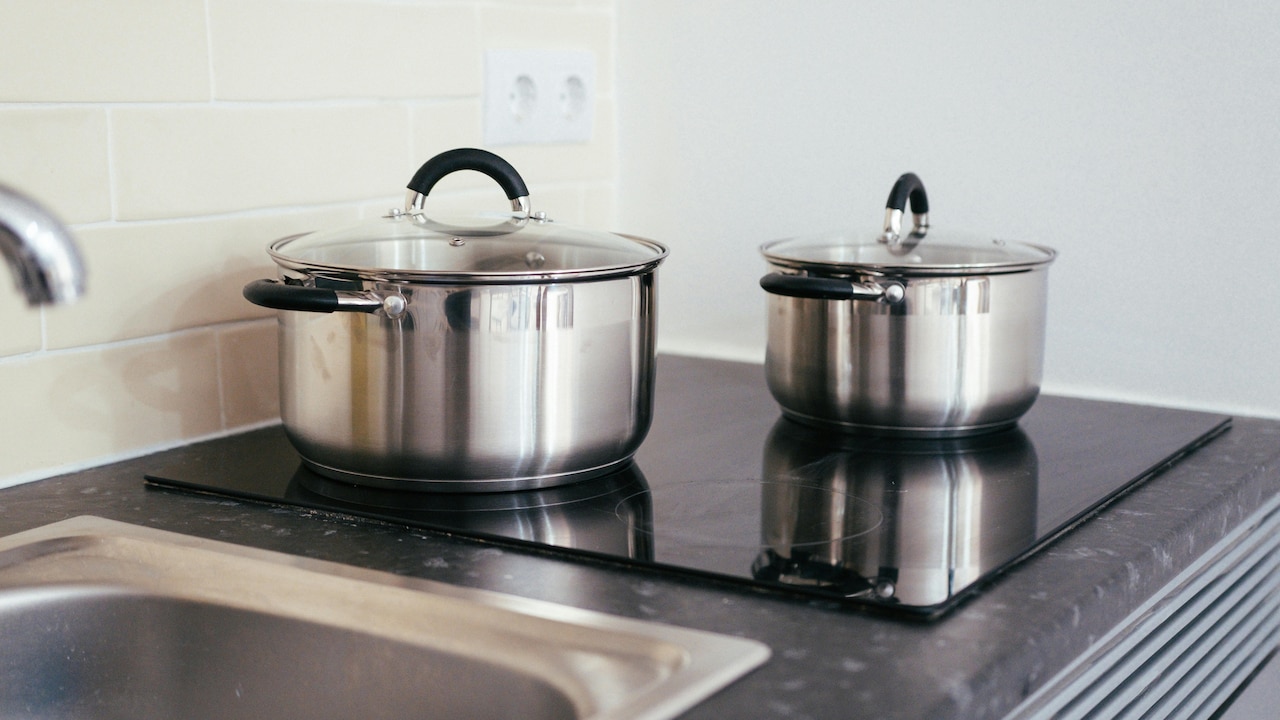
Learn how to get the right cookware size based on your family size; Photo Credit: Pexels
Choosing the right one-pot size requires a mix of honesty and practicality. Think about who eats, how often cooking happens, and what ends up on the menu. This article walks through those decisions step by step to help every household pick a pot that earns its space.
Also Read: 7 Cast Iron Cookware For Durable And Long Lasting Use
What Really Matters When Choosing The Right One-Pot Size
1. Understand How Many People Actually Eat From the Pot
Household size seems obvious, yet it often misleads. A home with four people does not always need a massive pot. Some family members eat out often. Others prefer light meals. On the other hand, a couple that loves hosting friends may need more capacity than expected.
For single adults, a pot that serves two portions works better than a tiny one. Leftovers matter. Cooking once and eating twice saves effort and electricity. A one-pot size of 1.5 to 2 litres suits most solo cooks who enjoy dal, soups or khichdi.
Couples usually benefit from 2.5 to 3.5 litres. This size handles two hearty servings plus extra for the next meal. Families of four often find comfort in the 4 to 5-litre range, especially when rice dishes or gravies form a regular part of meals.
Counting plates matters more than guessing. Picture a typical dinner, not a festive feast. The right size fits daily life, not occasional extravagance.
2. Think About Portion Sizes, Not Just Headcount
Portion habits vary wildly. Some homes favour modest bowls and lighter dinners. Others serve generous helpings that encourage seconds. A one-pot must match those habits.
Rice dishes expand during cooking. A pot filled halfway with raw rice and vegetables quickly reaches the brim. Curries bubble and splash if space runs out. Choosing a pot with 20–30 per cent extra room prevents mess and uneven cooking.
Singles who enjoy hearty meals should avoid ultra-compact pots. A slightly larger pot offers flexibility without waste. Couples who share one-pot pasta or biryani often need more space than expected. Families with growing teenagers soon discover that yesterday's “perfect size” now feels inadequate.
Consider favourite dishes. A pot that manages daily dal but struggles with sambar or chicken curry causes frustration. The right size handles the largest regular dish comfortably, without constant stirring to prevent spills.
3. Match the Pot Size to the Type of Food Cooked
Different foods demand different spaces. Soups and stews simmer gently. Rice and pasta swell. Curries froth. Frying gravies need surface area as much as depth.
For soup lovers and those who cook lentils daily, a deeper pot works well. A 3-litre deep pot suits couples perfectly. For rice-based meals, wider pots allow even cooking and proper fluffing. Families that cook pulao, lemon rice or vegetable rice often prefer a broader 4-litre pot.
Single-pan meals like noodles or one-pot spaghetti need room for tossing. Cramped pots break strands and spill sauce. A pot that feels oversized for soup may feel just right for these dishes.
Think through the weekly menu. A pot that matches most meals brings ease. A mismatch leads to compromises, extra vessels and disappointment.
4. Storage Space Often Dictates the Smart Choice
Kitchen storage rarely features in glossy advertisements. Yet it plays a huge role in daily satisfaction. A massive pot that barely fits in a cabinet quickly becomes annoying.
Singles in rented flats or compact homes benefit from stackable, medium-sized pots. A 2-litre or 2.5-litre pot fits easily into tight shelves. Couples often manage with a single multi-purpose pot stored near the stove.
Families usually have more storage but also more cookware competing for space. A 5-litre pot with bulky handles can crowd shelves. Measuring cabinet height and width before buying avoids regret.
Some pots double as serving vessels. A presentable size reduces the need for extra bowls. Storage-friendly size equals frequent use, while awkward size equals dust.
5. Weight Matters More Than Many Expect
A pot's size affects its weight, especially when filled. Lifting a full 5-litre pot of curry strains wrists and risks spills. This matters for daily cooks and elderly family members alike.
Singles and couples often prefer lighter pots that move easily from stove to sink. A medium-sized pot filled halfway stays manageable. Families may accept heavier pots but should still consider who handles them most often.
Material plays a role, too. Cast iron retains heat but adds weight. Stainless steel and aluminium offer lighter options. A perfectly sized pot in a manageable material encourages confident cooking.
Choosing a size that feels comfortable to lift when full makes cooking safer and more enjoyable. Convenience should never come at the cost of comfort.
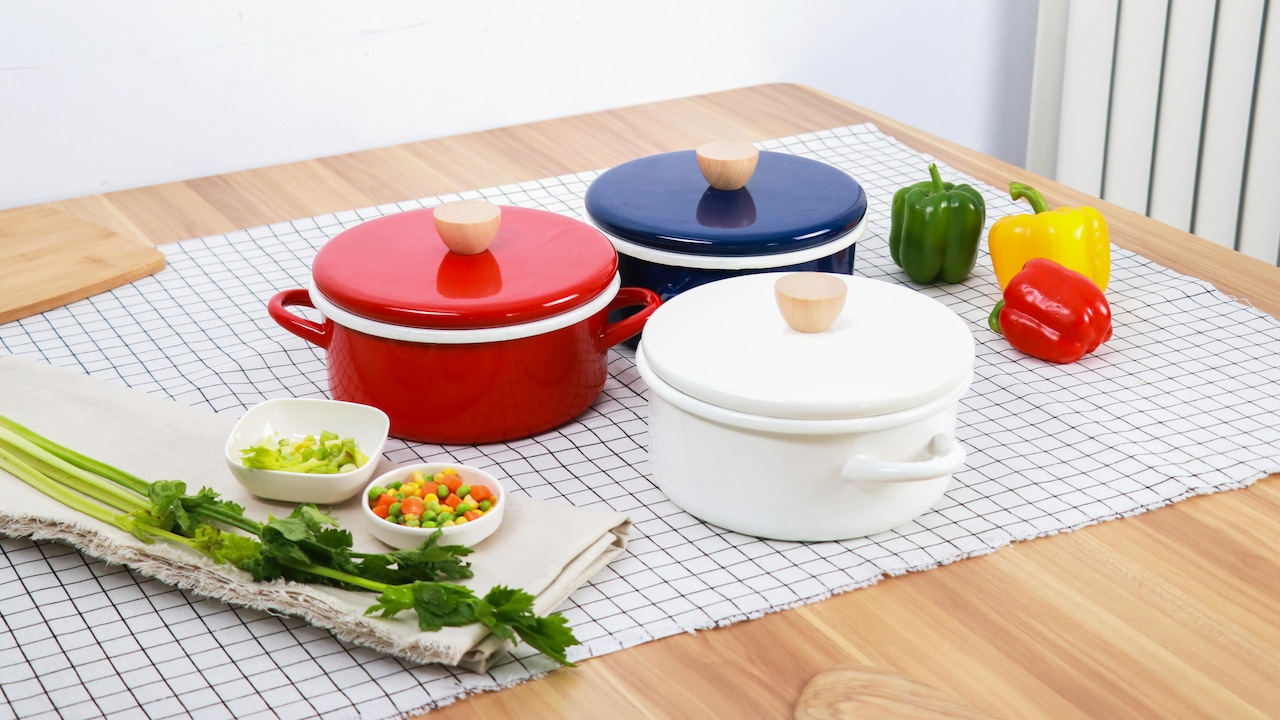
Look for lightweight pots that are easy to move from the stove to the dining table; Photo Credit: Pexels
6. Energy Efficiency Ties Directly to Pot Size
Oversized pots waste energy. Heating a large vessel for a small meal consumes extra gas or electricity. Over time, those costs add up.
Singles benefit greatly from right-sized cookware. A 1.5-litre pot heats faster and uses less fuel. Couples cooking daily appreciate the balance of a medium pot that heats evenly without excess.
Families cooking in bulk may accept higher energy use but still gain efficiency by matching pot size to meal size. Cooking dal for lunch does not require the same pot used for dinner rice.
Using the right size saves fuel, time and money. With rising energy costs, this small decision makes a noticeable difference over months.
7. Budget Should Reflect Long-Term Use, Not Just Price
One-pot cookware ranges from affordable to premium. Price often increases with size, but value depends on usage. Buying a large pot “just in case” often leads to wasted money.
Singles may find excellent quality in smaller pots priced around ₹1,500 to ₹2,500. These pots see daily use and last for years. Couples investing ₹2,500 to ₹4,000 in a versatile medium-sized pot often get the best balance of durability and function.
Families may spend ₹4,000 to ₹7,000 on larger pots, especially those with thick bases and tight-fitting lids. The cost spreads over frequent meals and shared use.
Spending wisely means buying a pot that gets used often. An unused expensive pot offers no value, no matter how impressive it looks.
8. Lifestyle and Routine Shape the Ideal Size
Busy schedules change cooking habits. Some homes cook fresh meals twice a day. Others batch-cook on weekends. A one-pot must suit that rhythm.
Singles who meal-prep benefit from slightly larger pots that hold multiple servings. Couples working long hours often cook once and reheat later. A 3-litre pot fits this routine well.
Families juggling school, work and activities often cook larger quantities less frequently. A 4 to 5-litre pot supports that pattern. Weekend cooking, freezer storage and next-day lunches all become easier.
Honest reflection on routine leads to better choices. A pot that aligns with daily life feels indispensable rather than inconvenient.
9. Versatility Reduces the Need for Multiple Pots
The best one-pot earns its name by doing many jobs well. Size plays a big role in versatility. Too small limits options. Too large feels excessive.
For singles, a 2-litre pot can handle boiling pasta, making dal, cooking vegetables and reheating leftovers. Couples often find 3 litres ideal for soups, curries, rice and even shallow frying.
Families value pots that manage both daily meals and occasional guests. A 4.5-litre pot often strikes that balance. It cooks enough without overwhelming the stove.
Choosing a size that adapts to different dishes reduces clutter and simplifies cooking. One reliable pot beats three rarely used ones.
10. Test With Real Scenarios Before Deciding
Imagining real meals helps more than reading labels. Picture pouring ingredients into the pot. Visualise stirring, simmering and serving.
Would a full batch of sambhar fit comfortably? Could rice cook without sticking to the lid? Would lifting the pot feel safe? These mental checks reveal a lot.
If shopping in-store, lifting an empty pot gives clues. If shopping online, reading capacity in litres and comparing with familiar vessels helps. A standard pressure cooker often provides a useful reference point.
The right one-pot size feels obvious once visualised in action. It supports daily cooking without calling attention to itself. That quiet reliability defines a good choice.
Products Related To This Article
1. FNS NuChef Triply Tasla 20 cm
2. Ember Cookware Arcilla Ceramic Kadai 24cm
3. The Better Home Rustic Series Cast Iron Dutch Oven
4. The Indus Valley Stainless Steel Stock Pot
5. Hawkins Olive Pro 3 Litre Handi
6. CUMIN CO. Cast Iron Fry Pan and Dutch Oven Comb
7. TRAMONTINA Velo 28cm/5.6L Forged with Ceramic Reinforced Interior Kadai
Choosing the right one-pot cookware size transforms everyday cooking. It reduces effort, saves energy and brings a sense of ease to meals. Families, couples and singles all benefit from pots that match their habits rather than marketing promises. The right pot does not shout for attention. It simply works, meal after meal, fitting seamlessly into daily life.
(Disclaimer: This article may include references to or features of products and services made available through affiliate marketing campaigns. NDTV Convergence Limited (“NDTV”) strives to maintain editorial independence while participating in such campaigns. NDTV does not assume responsibility for the performance or claims of any featured products or services.)