How To Choose The Right Plant And Planter Combo Based On Light, Space And Care
Choosing the perfect plant-planter pair feels a bit like matchmaking. When sunlight, space and watering needs sync well, even a tiny balcony can glow with life. Discover how to help create combinations that thrive and stay easy to care for. Here is all about how to match plants and planters based on sunlight, space and watering habits.
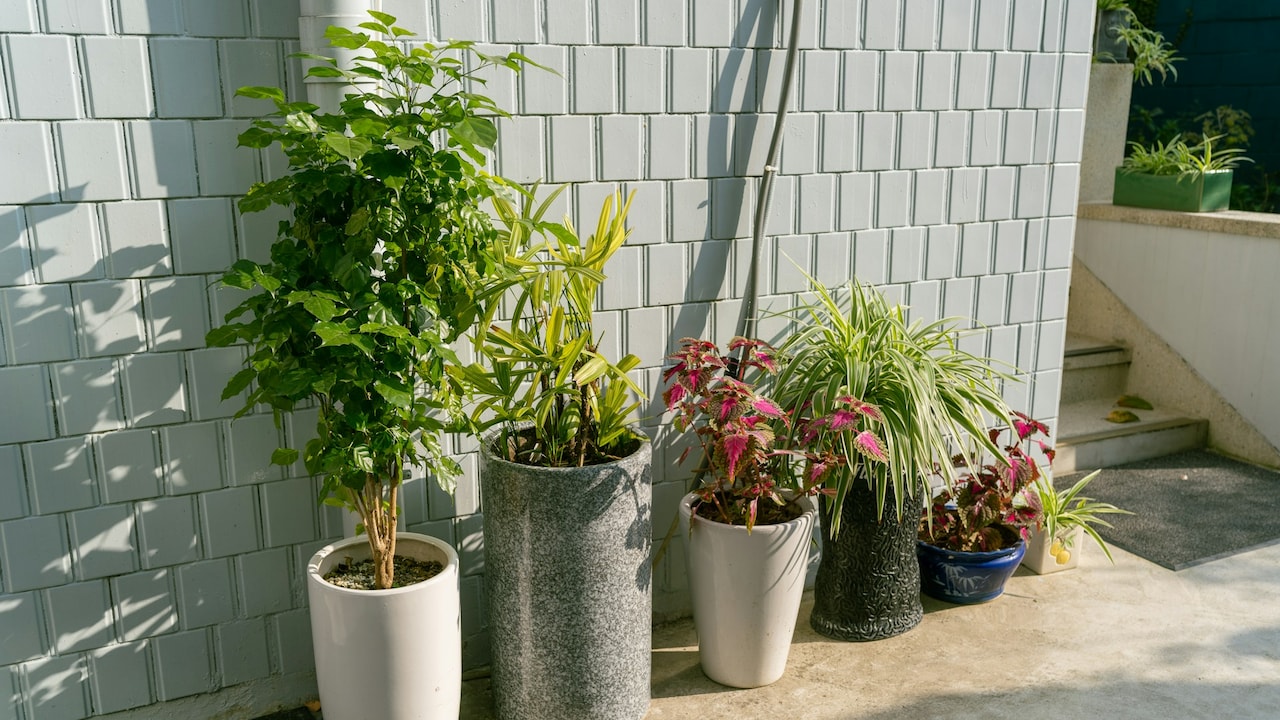
Use these 10 easy tips to choose the right plant and planter combo.
Homes across the country carry a quiet love for greenery. Whether it's a balcony filled with money plants winding around railings or a living room corner glowing with a jade plant, people often bring home plants with the same excitement as bringing home a new pet. Yet, many lose their shine within weeks. The truth hides in small details, too much sun, too little space, a planter that traps water or soil that dries too fast. Plants thrive when their sunlight needs, available space and watering habits align with the right planter. Think of this as finding the right home for each plant.
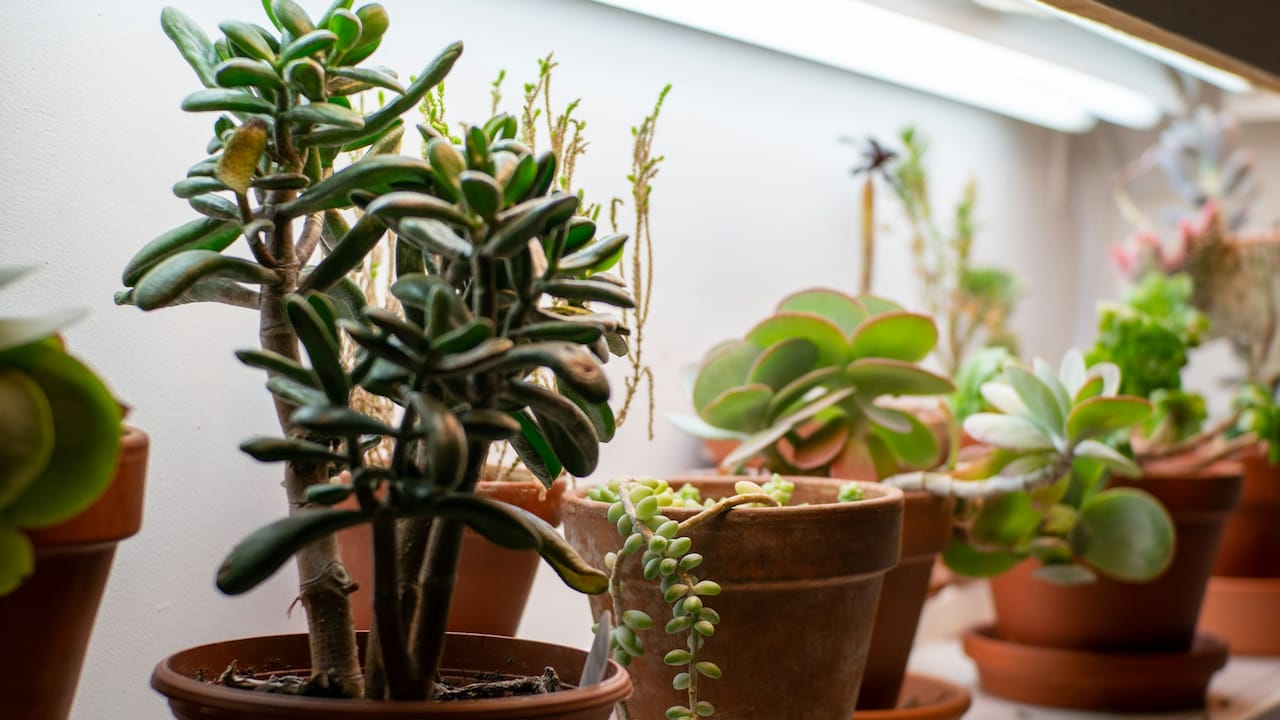
Explore 10 easy and effective tips to choose the right plant and planter combo; Photo Credit: Unsplash
A thoughtful match saves time, effort and money while creating a healthier, greener space.
Also Read: Stylish Planters Under ₹600: How They Can Transform Any Corner - 5 Gorgeous Picks
Key Tips For Matching Plants With The Right Planters
1. Understanding Sunlight Needs Before Choosing Planters
Sunlight influences everything, from leaf colour to growth rate. Some plants stretch towards the light like children eager for outdoor play, while others prefer dappled shade like a lazy Sunday nap. When plants receive the right light, the planter simply supports their rhythm.
Bright-light plants such as succulents or bougainvillaea flourish on balconies that catch harsh afternoon sun. A ceramic or terracotta pot suits them because it stays cool and breathes a little, helping roots stay comfortable. Shady corners call for pothos, peace lilies or ZZ plants. These beauties manage with filtered light and look lovely in slightly glossy planters that brighten dim spaces.
Before buying a planter, watch how sunlight behaves in your space. Some balconies burn during summer, some remain shadowed by neighbouring buildings, and many indoor spots get gentle morning rays. Once sunlight patterns feel clear, choosing the right planter becomes easier. Good matches help plants stay healthy without constant adjusting or rescuing.
2. Balancing Space and Plant Growth
Every plant deserves room to stretch. A cramped planter slows growth, while an oversized one stores excess water and damages roots. It's a bit like wearing shoes a size too small or too big; neither feels right. Space influences how roots breathe, how soil drains and how stable the plant feels during windy days.
Small balconies suit compact plants such as aloe vera, snake plants or compact hibiscus. They look balanced in medium pots that allow them to grow steadily without hogging space. Larger terraces or verandas welcome towering palms, areca plants or banana plants. These thrive in deep, wide planters that allow roots to anchor firmly.
Indoor spaces need a different approach. Corners, entryways and side tables shine with smaller pots carrying ferns or jade plants. Avoid squeezing large planters into narrow hallways where movement becomes difficult. A little planning prevents clutter and gives greenery a chance to look intentional rather than accidental.
3. Matching Watering Habits With Planter Materials
Plants drink differently. Some sip slowly, some gulp, some hardly drink at all. Their pots must match these habits, or trouble begins. Terracotta suits plants that dislike staying wet because it absorbs excess moisture. Succulents, cacti and rosemary love this combination. Ceramic pots hold water better and suit thirsty plants like ferns or areca palms.
Plastic pots store moisture the longest and cost less, making them perfect for beginners or anyone with a busy routine. They suit plants like money plants, syngonium or peace lilies, which enjoy evenly moist soil. Metal planters add style but heat up quickly under sunlight, so they work best indoors with leafy plants that prefer moderate watering.
A simple rule helps: if a plant drinks less, choose a pot that dries faster. If a plant drinks more, choose a pot that holds moisture longer. This small alignment reduces the chances of root rot and saves money spent replacing unhappy plants.
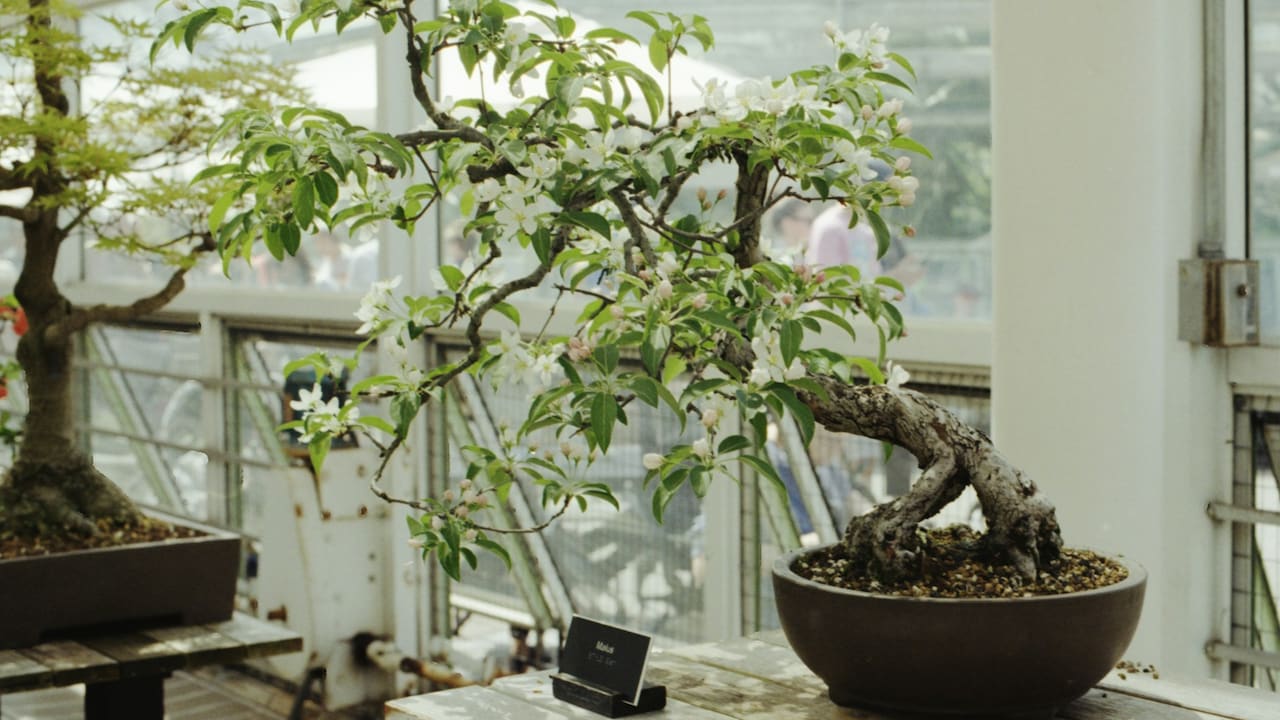
Try to match the plant's specific water needs to its planter; Photo Credit: Unsplash
4. Drainage: The One Feature That Saves Most Plants
Nothing harms plants faster than soggy roots. Even a luxurious planter becomes dangerous if it lacks a drainage hole. Roots suffocate, fungus forms and leaves yellow within days. Good drainage acts like a safety net, especially in humid months.
Clay and terracotta usually drain well, while ceramic needs proper holes. Decorative planters without drainage can still work if used as outer covers; just keep the actual plant in a nursery pot inside. This trick protects the roots while allowing you to enjoy stylish décor.
For balconies that face monsoon showers, raised pots or stands help water drain faster. Adding pebbles at the base improves air movement around pots. Strong drainage keeps soil fresh, prevents smells and keeps pests away. A little attention here makes a big difference in long-term plant happiness.
5. Choosing Planters Based on Lifestyle and Routine
Every home follows a routine. Some folks water plants every morning while sipping tea, some remember only on weekends, and some depend on helpers. Plants should match this lifestyle to avoid stress for both sides.
Busy schedules suit hardy plants like snake plants, ZZ plants or rubber plants. These stay content in ceramic or plastic planters that hold moisture longer. Homes with attentive routines can choose fussier plants like areca palms, ferns or orchids. These enjoy regular watering and look graceful in terracotta or glossy pots.
Travelling often? Self-watering planters save the day. They store a small tank of water at the bottom and feed the plant as needed. This reduces guilt and keeps the house lively even after a week away. Matching planters with lifestyle ensures plants remain companions, not responsibilities.
6. Colour, Shape and Aesthetics Matter Too
Plants bring calm, but planters bring personality. Choosing them with care can transform a space without spending much. Bright-coloured pots add cheer to balconies, while muted tones offer elegance to living rooms. Round pots feel soft and welcoming, while square ones give a modern, structured look.
Tall planters lift up small plants and make corners appear taller. Wide, low pots look charming on centre tables with succulents or bonsai. Homes with earthy décor blend well with terracotta, while glossy ceramic suits contemporary apartments.
Aesthetic choices also influence plant behaviour. Dark-coloured pots heat up faster in sunlight, affecting soil temperature. Light shades stay cooler. Style matters, but harmony with plant needs matters more. When both align, the space looks thoughtfully curated.
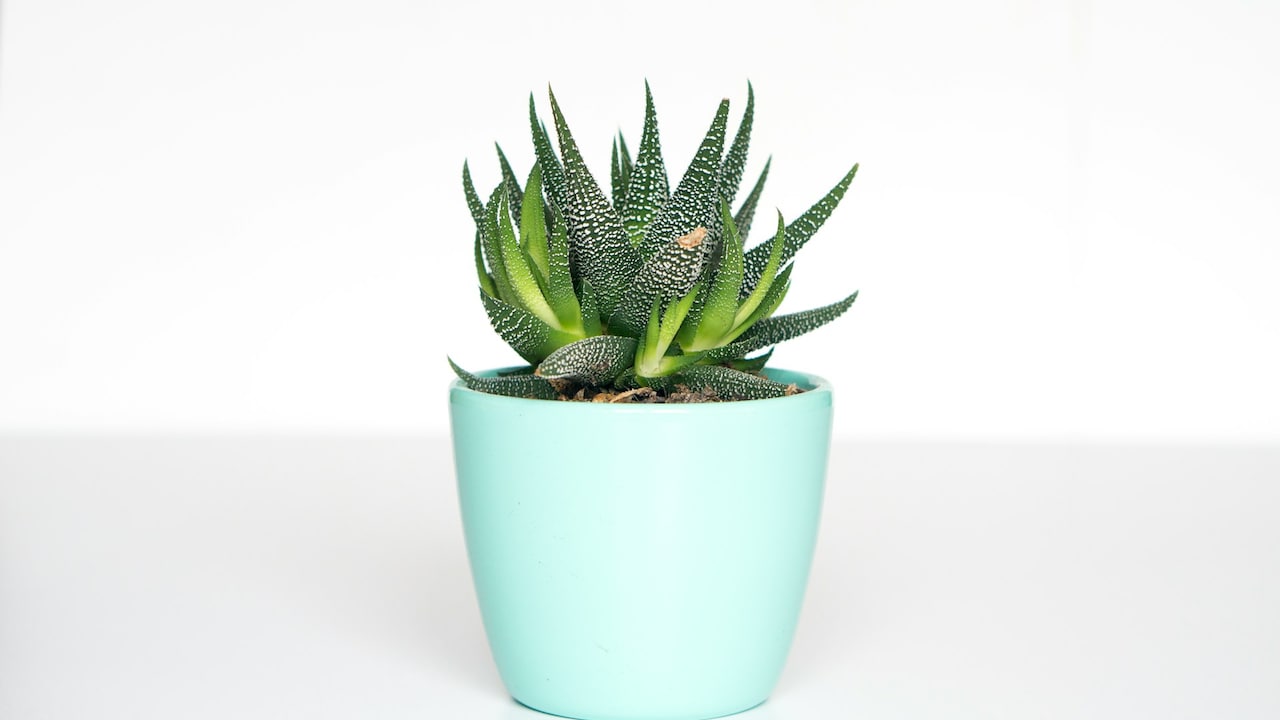
Don't forget to consider the style, pattern, colour, and overall aesthetics; Photo Credit: Unsplash
7. Understanding Root Patterns Before Selecting Pot Depth
Roots spread in two ways: deep and narrow or shallow and wide. A plant grows healthier when the pot shape matches its natural root style. Deep-rooted plants such as hibiscus, jasmine or palms enjoy tall pots. Their roots grow downward and appreciate space to anchor.
Shallow-rooted plants like ferns, snake plants or succulents prefer wide pots. This prevents trapping moisture at the bottom and allows roots to breathe. Matching pot depth reduces the chances of stunted growth or sudden wilting.
For flowering plants, depth becomes even more important because their roots need space to support blooms. Checking the plant's typical root behaviour before buying a pot saves time and helps create long-lasting arrangements.
8. Climate and Seasonal Changes Influence Choices
Climate plays a huge role in gardening choices. Hot summers dry the soil within hours, while monsoons drench everything. Humid regions demand breathable pots like terracotta, which help evaporate moisture. Dry regions favour ceramic or plastic pots that slow moisture loss.
Summer balconies heat up like ovens, so heat-sensitive plants like ferns need shaded planters or double potting. Winter slows growth, and plants drink less, making heavy-watering pots risky. Seasonal shifts also decide where to place planters, shade nets in summer, covered spots during rain and sunny corners during winter.
Understanding local weather patterns helps create a green space that adapts easily. Instead of rescuing stressed plants every season, stable planter choices keep them comfortable year-round.
9. Mixing and Matching Plants in a Single Planter
Large planters create stunning mini-gardens when used well. The secret lies in combining plants that share similar sunlight and watering habits. A pot that mixes a fern with a cactus struggles because one often drinks and the other detests moisture. But pairing a money plant with syngonium or mixing succulents with jade creates harmony.
Experiment with height, too. A tall plant at the centre, medium ones around it and trailing ones at the edge create a lush layered look. This makes the planter appear fuller and more artistic.
Such combinations also save space and reduce watering effort. When plants enjoy the same routine, they grow together peacefully. The result looks like a small ecosystem, perfect for balconies or tabletops.
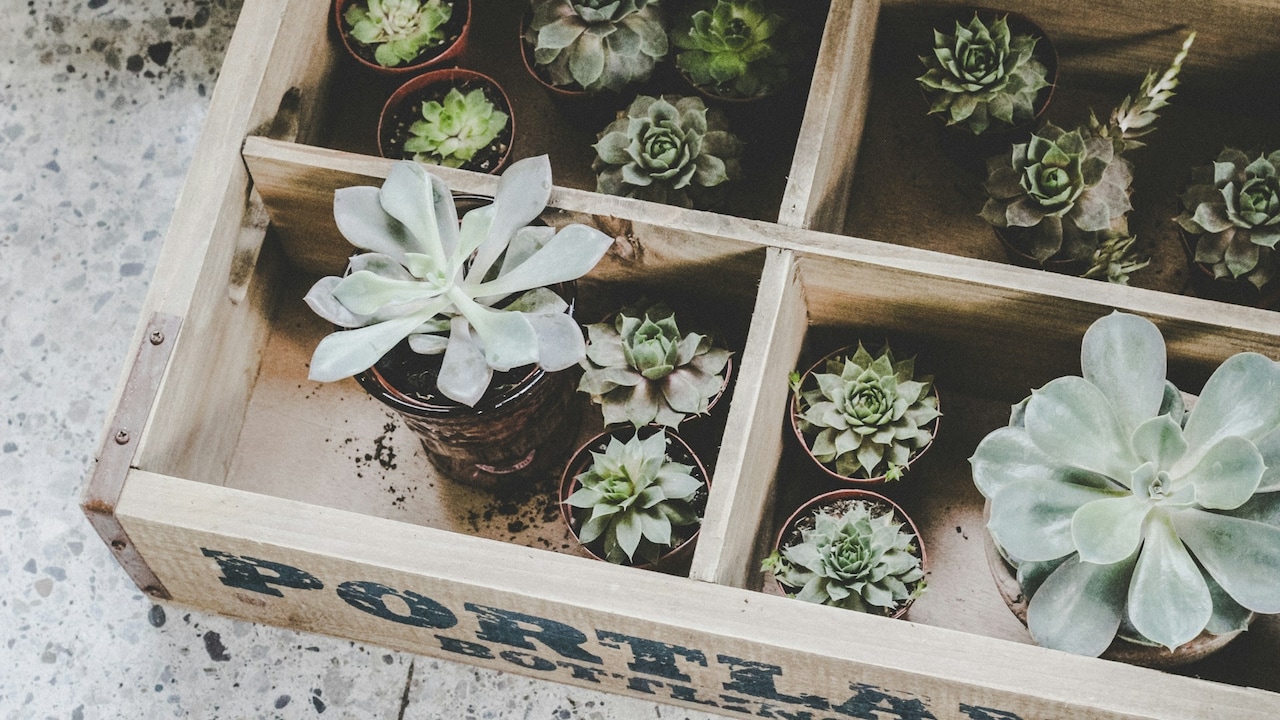
Pair plants that share similar watering requirement; Photo Credit: Unsplash
10. When to Repot and How to Choose the Next Planter
Over time, plants outgrow their homes. Roots peek out from the bottom, soil dries faster, and growth slows. These signs indicate the need for a new planter. Choosing the next pot becomes important; it shouldn't overwhelm the plant but must offer a little extra space.
A pot that's 2–3 inches wider than the current one works best. Fresh soil improves nutrition and helps the plant settle comfortably. Avoid shifting plants during harsh summer afternoons; cool hours suit repotting. After repotting, keep plants shaded for a few days, so they adjust well.
Repotting refreshes the plant's energy and encourages new growth. Many people notice fresh leaves within weeks, making the effort feel rewarding. A thoughtful upgrade every couple of years keeps plants lively and thriving.
Products Related To This Article
1. ExclusiveLane Yellow & White Mughal Tales Printed Ceramic Magnetic Fridge Planters
2. Chumbak Mustard Yellow Rooting for you Printed Planter
3. Homspurts White & Pink 2 Pieces Resilient Metal Apple Bowl Planters With Stand
4. Go Hooked 15 Piece Black Textured Metal Plant Stands
5. Go Hooked 9 Inch Tulsi Pot Traditional Decorative Planter
6. Ecofynd White Round Large Metal Planter Pot
7. Ecofynd Black Metal Corner Flower Planter Stand
Matching plants and planters isn't complicated. It simply needs attention to sunlight, space and watering habits. When these basics align, plants feel at home and reward you with lush leaves, steady growth and vibrant colours. Choosing the right pot, whether terracotta, ceramic or plastic, creates a balance between beauty and practicality.
A little observation goes a long way. Notice how the light falls, how often you water and how much space you can offer. With these friendly guidelines, even a tiny balcony can turn into a peaceful green corner, and a spacious terrace can become a mini oasis. Every plant finds joy in the right home, and the right planter helps it stay healthy for years.
(Disclaimer: This article may include references to or features of products and services made available through affiliate marketing campaigns. NDTV Convergence Limited (“NDTV”) strives to maintain editorial independence while participating in such campaigns. NDTV does not assume responsibility for the performance or claims of any featured products or services.)


![Steam Iron Teflon Shoe Cover for ES-300,ST-96 [Only For ES-300 and ST-96 Model Electric Steam Irons]](https://m.media-amazon.com/images/I/51wwkttondL._SL160_.jpg)