How to Decorate a Small Apartment: 10 Best Compact Furniture and Decor Tips to Make Any Room Look Bigger
Smart furniture, clever layouts, and simple décor choices can make even the smallest apartment feel open and airy. Discover practical tips to maximise space, light and comfort without overspending.
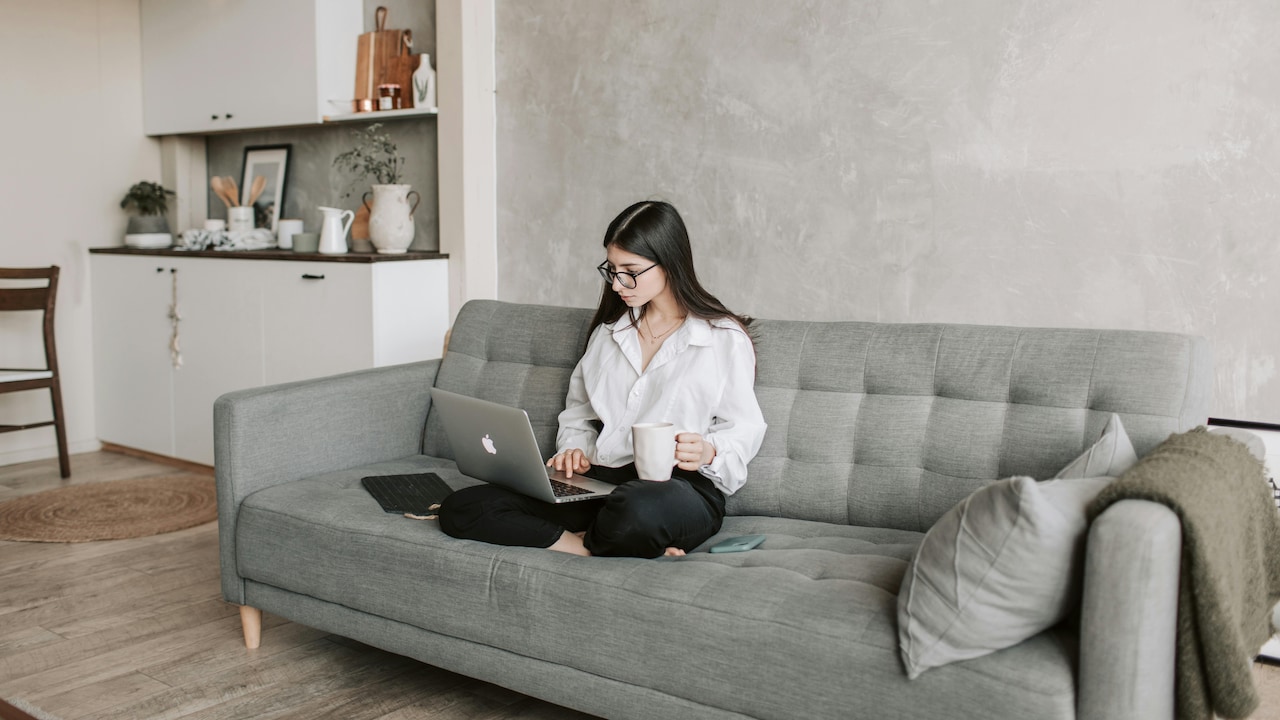
Small Apartment Decorating Ideas: Compact Furniture And Design Tips To Make Any Room Look Big.
Living in a small apartment teaches creativity faster than any design course. Every corner counts. Every purchase matters. Space feels precious, yet the desire for a warm, stylish home remains strong. Many people believe that small homes demand compromise, but that assumption misses the point. The right décor choices can make compact homes feel open, functional, and full of personality. From multipurpose furniture to clever colour palettes, decorating a small apartment relies more on planning than spending.
This article breaks down 10 practical decor strategies that work beautifully in smaller homes. Check out how to decorate a small apartment with these best compact furniture and decor tips that will make any room look bigger.
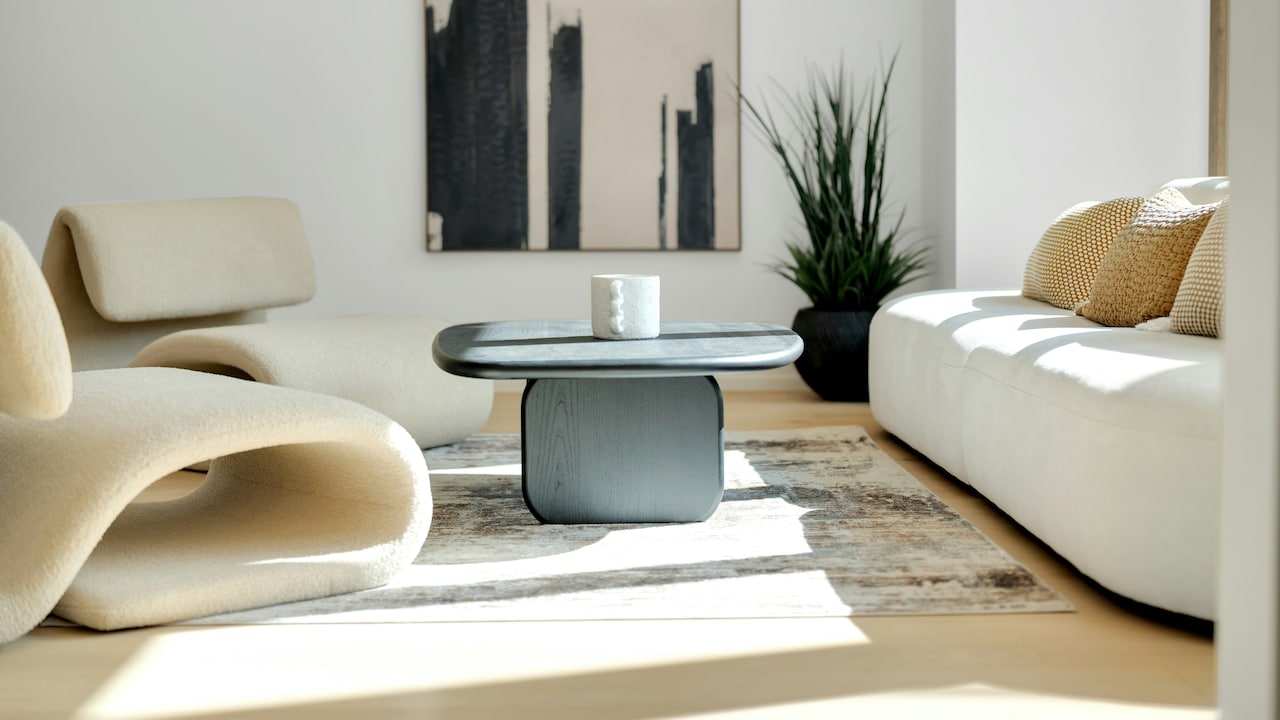
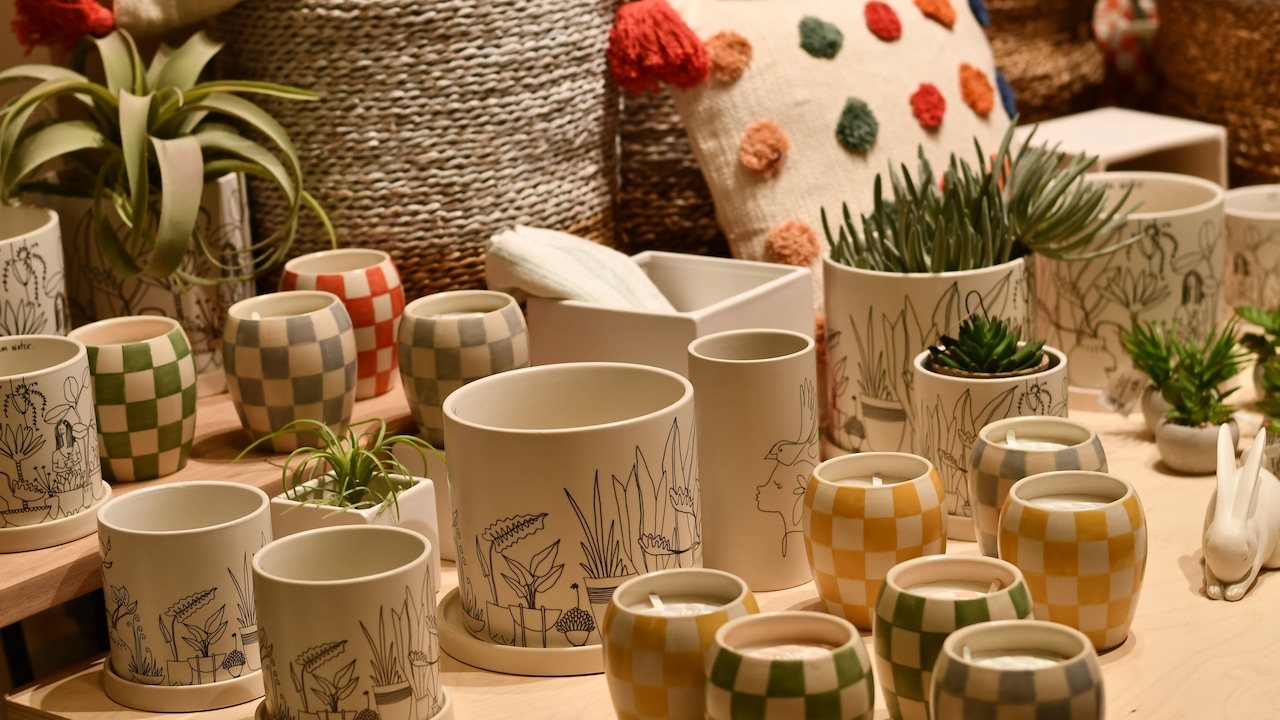
Smart Furniture And Décor Tips For A Smaller, Brighter Home; Photo Credit: Pexels
Where Smart Choices Meet Stylish Small-Space Living
1. Choose Furniture That Does More Than One Job
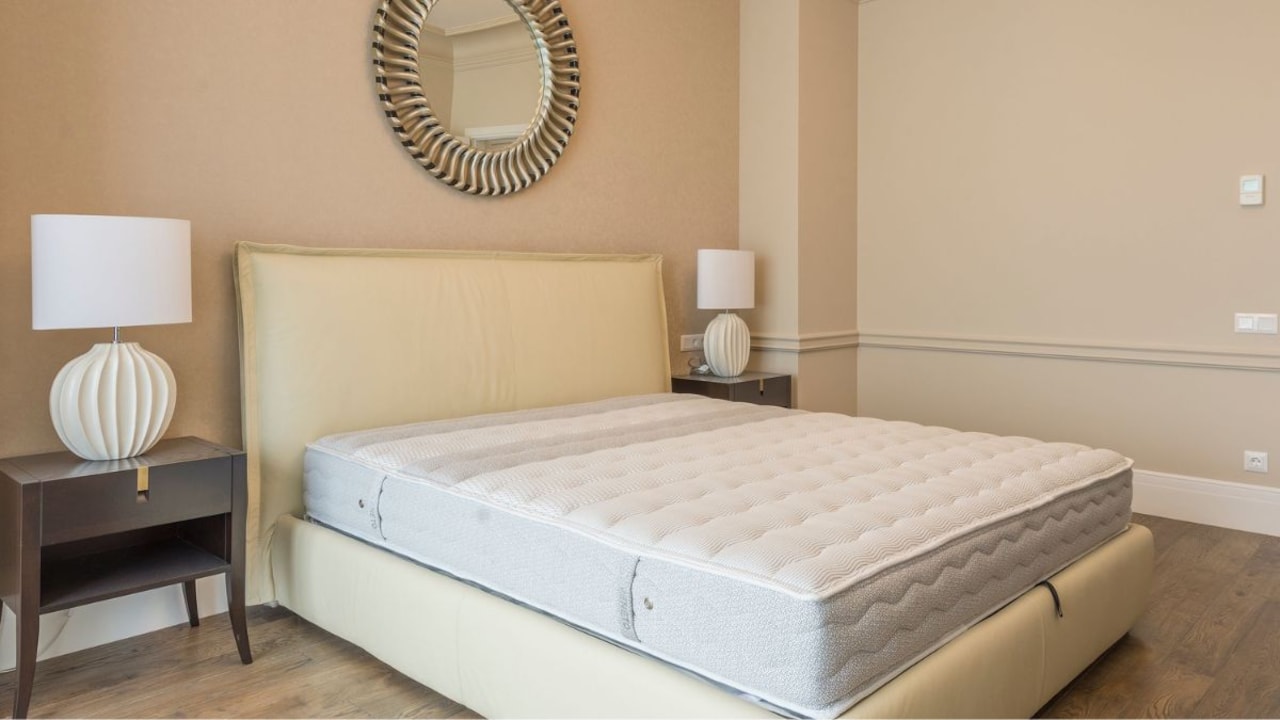
In small apartments, furniture must earn its place. Pieces that serve more than one purpose help free up space while adding convenience. A bed with built-in drawers removes the need for a bulky wardrobe. A coffee table with storage hides newspapers, chargers, and spare cushions. Even a compact dining table that folds against the wall can transform daily routines.
Furniture with clean lines and slim legs creates visual openness. Bulky designs tend to block sightlines and make rooms feel cramped. Lightweight materials such as engineered wood or metal frames often work better than heavy solid wood in small spaces.
Consider everyday habits before buying anything. If guests visit often, a sofa-cum-bed makes sense. If work-from-home days long, a foldable desk tucked into a corner keeps the room flexible. The goal stays simple: fewer pieces, smarter roles, and easier movement.
2. Let Light Do the Heavy Lifting
Natural light changes everything. A well-lit room always feels larger and more welcoming. Heavy curtains block light and shrink spaces visually. Light fabrics such as cotton or sheer curtains allow daylight to flow while still offering privacy.
Mirrors placed opposite windows reflect light and add depth. A single tall mirror near the dining or living area often creates the illusion of an extra window. Even mirrored wardrobe shutters help bounce light across the room.
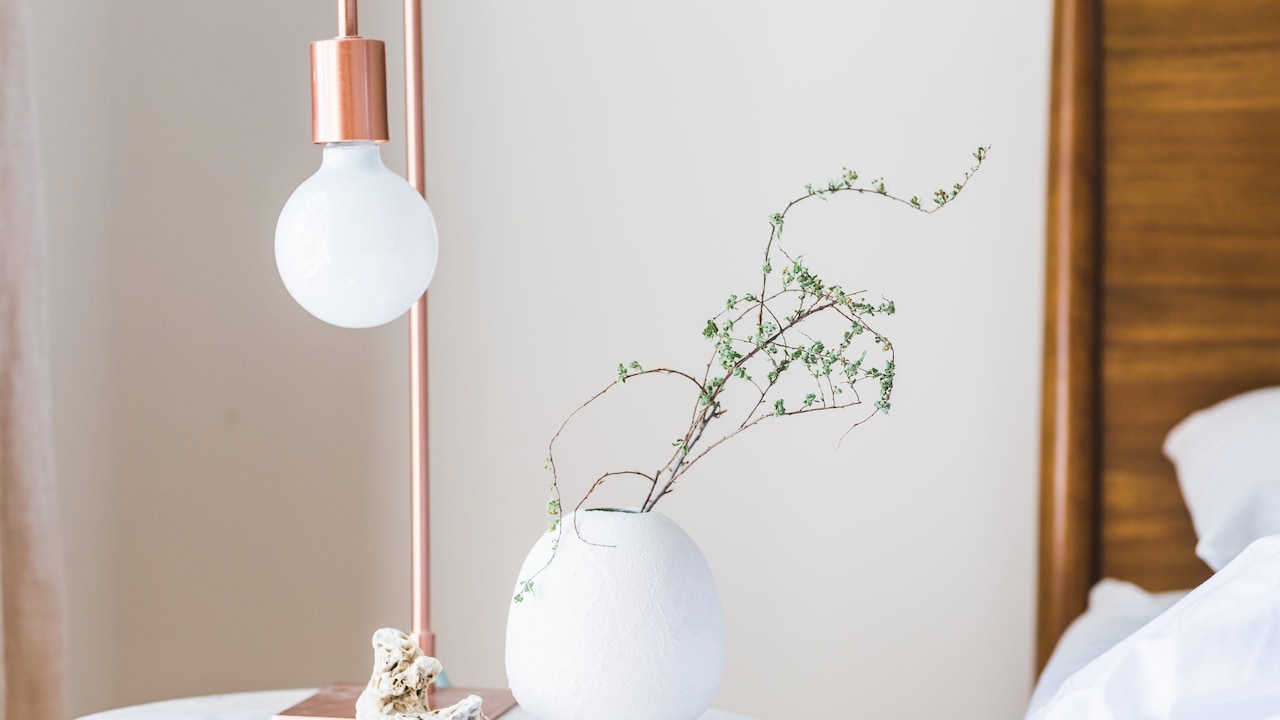
Artificial lighting matters too. Multiple light sources work better than one bright tube light. Floor lamps, wall sconces, and warm LED strips under shelves create layers of light that soften the space. Good lighting adds warmth without adding clutter, which makes rooms feel calmer and more open.
Also Read: Top 7 Handcrafted Wooden Furniture Pieces For Timeless Home Decor
3. Stick to a Calm and Consistent Colour Palette
Colour affects perception more than most people realise. Lighter shades such as off-white, soft beige, pale grey, or muted pastels reflect light and open up rooms visually. Dark colours absorb light and make walls feel closer.
That does not mean avoiding colour altogether. A consistent palette with one or two accent shades keeps the home cohesive. Soft blues, sage green, or dusty pink work well as accent tones without overwhelming the space.
Using the same wall colour across rooms creates flow, which tricks the eye into seeing more space. Even ceilings painted a shade lighter than the walls add height. Small homes benefit from simplicity. Calm colours create breathing room and reduce visual noise.
4. Use Vertical Space Wisely
When floor space runs out, walls step in. Vertical storage helps keep rooms organised without crowding them. Tall shelves, wall-mounted cabinets, and open racks make use of unused height.
Floating shelves work especially well in kitchens and living rooms. They hold books, plants, or décor while keeping the floor clear. In bedrooms, wall-mounted side tables replace bulky bedside units.
Hooks and pegboards near entrances organise bags, helmets, and keys neatly. Even a narrow wall can host vertical storage. The trick lies in balance. Overloading walls with shelves creates clutter. Select a few strategic spots and keep them tidy for the best results.
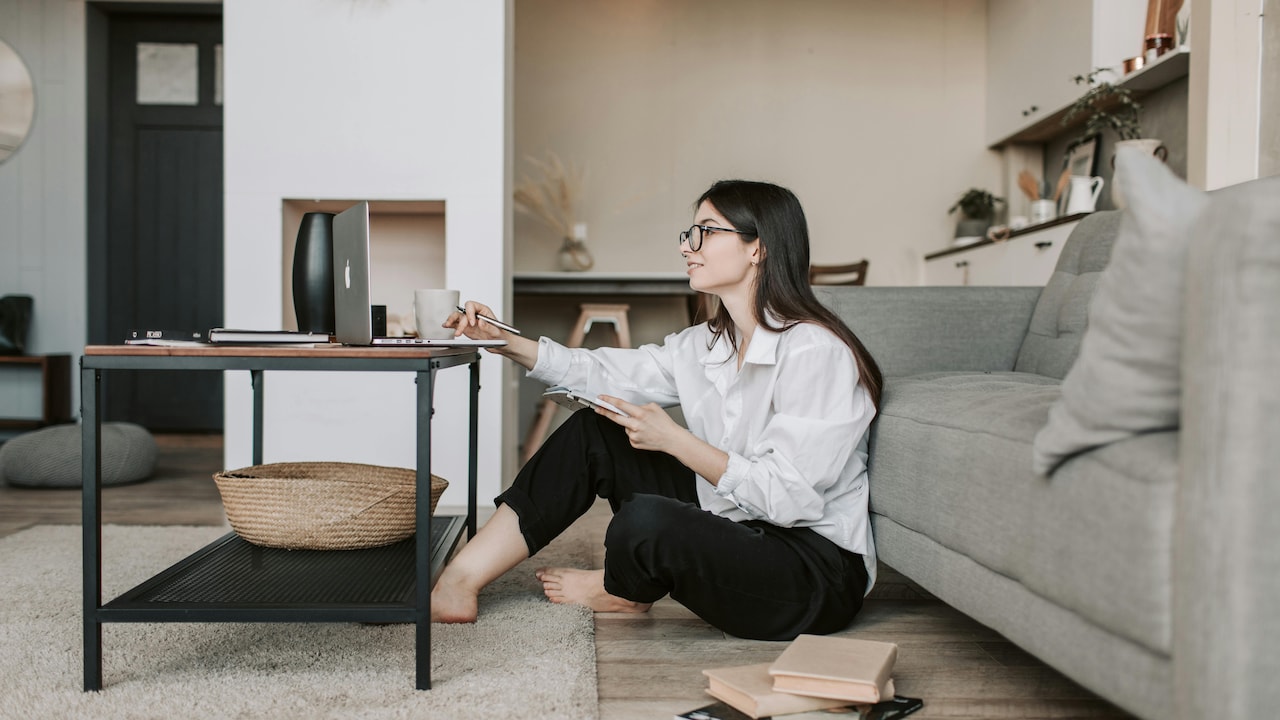
Smart Furniture And Décor Tips For A Smaller, Brighter Home; Photo Credit: Pexels
5. Declutter Regularly and Ruthlessly
No décor trick beats decluttering. Small apartments magnify clutter faster than large homes. Extra items quickly overwhelm the limited space and affect comfort.
Adopting a regular decluttering habit helps maintain visual calm. Seasonal clothing rotations free up wardrobe space. Old magazines, unused appliances, and duplicate utensils deserve honest evaluation.
Storage solutions help, but restraint matters more. Buying storage boxes for unnecessary items only shifts the problem. A good rule keeps things simple: if something has not been used in a year, it probably does not belong.
Clear surfaces make rooms feel larger instantly. A clutter-free home also feels lighter emotionally, which matters just as much as square footage.
6. Pick the Right Size, Not More Furniture
Many homes feel cramped, not because they lack space, but because furniture feels oversized. A three-seater sofa might look inviting in a showroom, but overwhelm a compact living room. Measuring rooms before buying furniture prevents costly mistakes.
Opt for apartment-sized furniture designed for smaller spaces. Loveseats, armless chairs, and slim dining sets fit better while still offering comfort. Leaving some empty space around furniture allows rooms to breathe.
Avoid pushing all furniture against the walls. Slight gaps improve airflow and visual balance. Thoughtful spacing makes rooms feel intentional rather than crowded.
7. Create Zones Without Walls
Open layouts dominate modern apartments, but they can feel chaotic without structure. Zoning helps define areas without building walls. Rugs work wonders here. A rug under the sofa defines the living area. A smaller rug near the dining table sets that zone apart.
Lighting also helps mark zones. Pendant lights above dining tables or floor lamps near reading corners create subtle separation. Furniture placement plays a role, too. A sofa placed strategically can divide living and dining spaces naturally.
Zoning adds order and purpose to rooms. When every area has a clear function, the apartment feels organised and spacious.
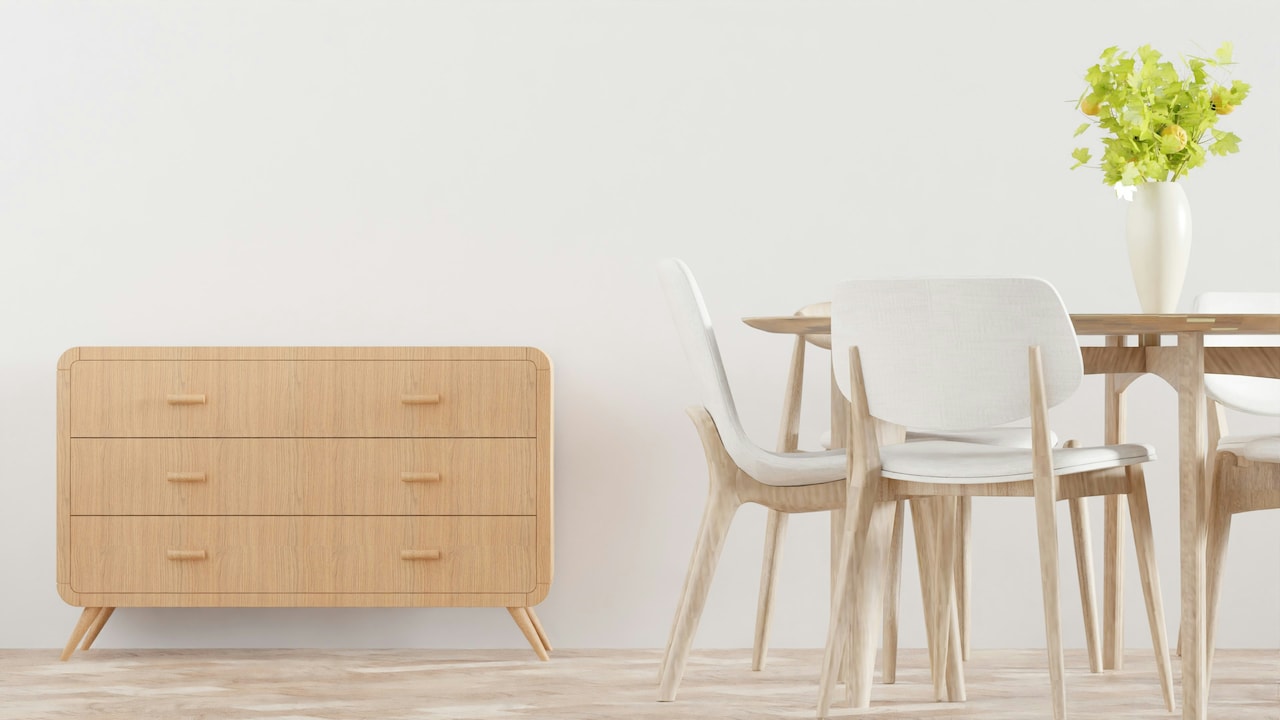
Smart Furniture And Décor Tips For A Smaller, Brighter Home; Photo Credit: Pexels
8. Use Mirrors and Glass Thoughtfully
Mirrors deserve special mention because they work like magic in small spaces. Large mirrors reflect light and visually double the room size. Glass furniture, such as coffee tables or dining tops allow light to pass through, reducing visual bulk.
Glass sliding doors for balconies or kitchens maintain separation without blocking light. Frosted glass works well where privacy matters.
Avoid placing mirrors directly opposite cluttered areas. Reflections multiply mess visually. Position mirrors thoughtfully to reflect windows, artwork, or open spaces for the best effect.
9. Keep Décor Simple but Personal
Decorating a small apartment does not mean stripping away personality. It means curating it carefully. A few meaningful décor pieces make more impact than many random ones.
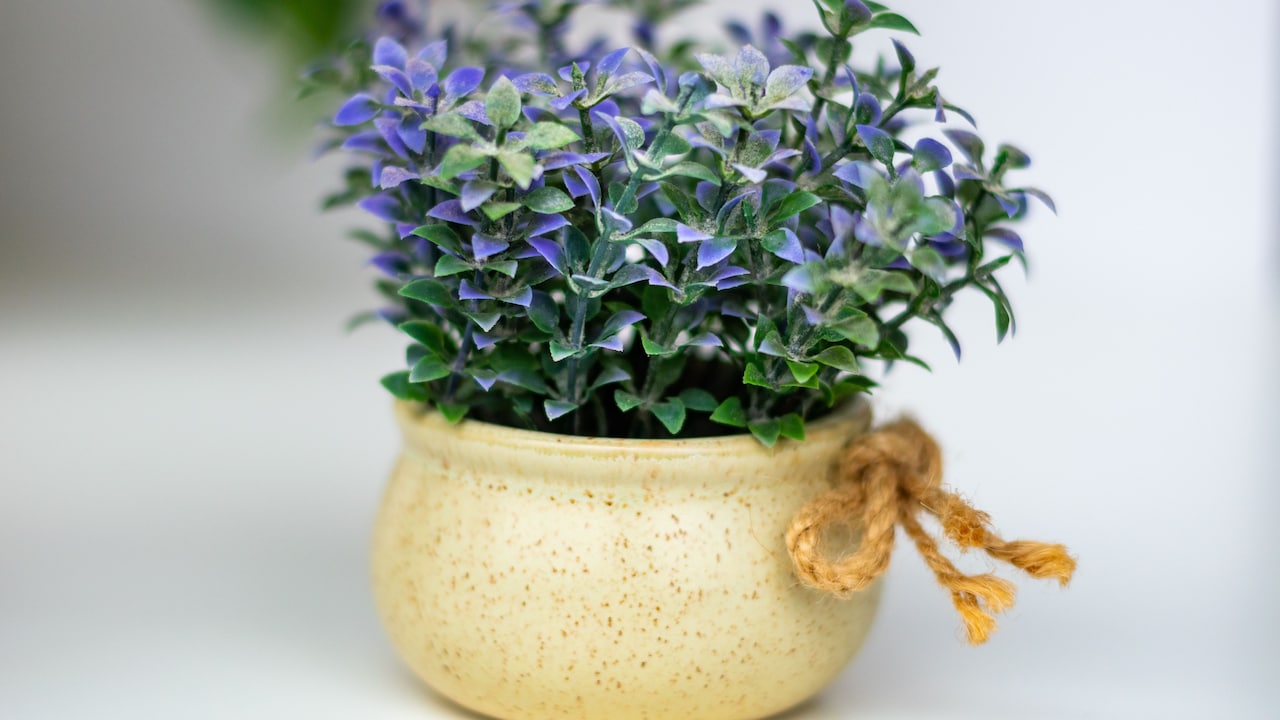
Artwork with light backgrounds, family photographs in similar frames, or a single statement plant add warmth without crowding the room. Indoor plants also improve air quality and bring life into compact homes.
Avoid too many small decorative items. They create visual clutter quickly. Choose fewer, larger pieces instead. Let each item breathe and tell a story. Homes feel more inviting when décor reflects life, not trends.
10. Think Long-Term and Budget Smart
Decorating small apartments often happens gradually. Budget planning helps avoid impulse buys that waste space and money. Investing in a few quality pieces beats replacing cheap furniture repeatedly.
Local carpenters often offer custom solutions at reasonable costs. A custom wardrobe or loft storage might cost ₹40,000, but it saves years of frustration. Modular furniture also adapts as needs change.
Think ahead. Furniture that works today should still make sense a few years down the line. Smart planning reduces regret and keeps the home functional over time.
Products Related To This Article
1. Torche Ironwood Multipurpose Height Adjustable Movable Table for Computer
2. Stylish Bookcase Nightstand
3. KIMANA Foldable Plastic Shoe Rack
4. Sulfar Plastic 3-In-1 Compact Kitchen Organizer
5. Modern 2-Tier Side Table, White with Natural Wood Legs
Small apartments prove that good design has little to do with size and everything to do with intention. With the right furniture, thoughtful layouts, and mindful décor choices, even compact homes can feel open, stylish, and deeply comfortable.
Decorating such spaces requires patience and creativity, but the rewards last long. A home that feels calm, organised, and welcoming improves everyday life in ways that go beyond appearances. After all, space feels larger when it supports how people live, relax, and connect within it.
(Disclaimer: This article may include references to or features of products and services made available through affiliate marketing campaigns. NDTV Convergence Limited (“NDTV”) strives to maintain editorial independence while participating in such campaigns. NDTV does not assume responsibility for the performance or claims of any featured products or services.)







![Steam Iron Teflon Shoe Cover for ES-300,ST-96 [Only For ES-300 and ST-96 Model Electric Steam Irons]](https://m.media-amazon.com/images/I/51wwkttondL._SL160_.jpg)