How To Pick Storage Baskets That Don't Sag Under Heavy Weight
Sagging storage baskets waste space and money. This guide explains how to choose baskets that stay firm under heavy loads, using the right materials, structure and design for everyday home storage needs. Enjoy easy and efficient storage by choosing a durable basket that doesn't sag under weight.
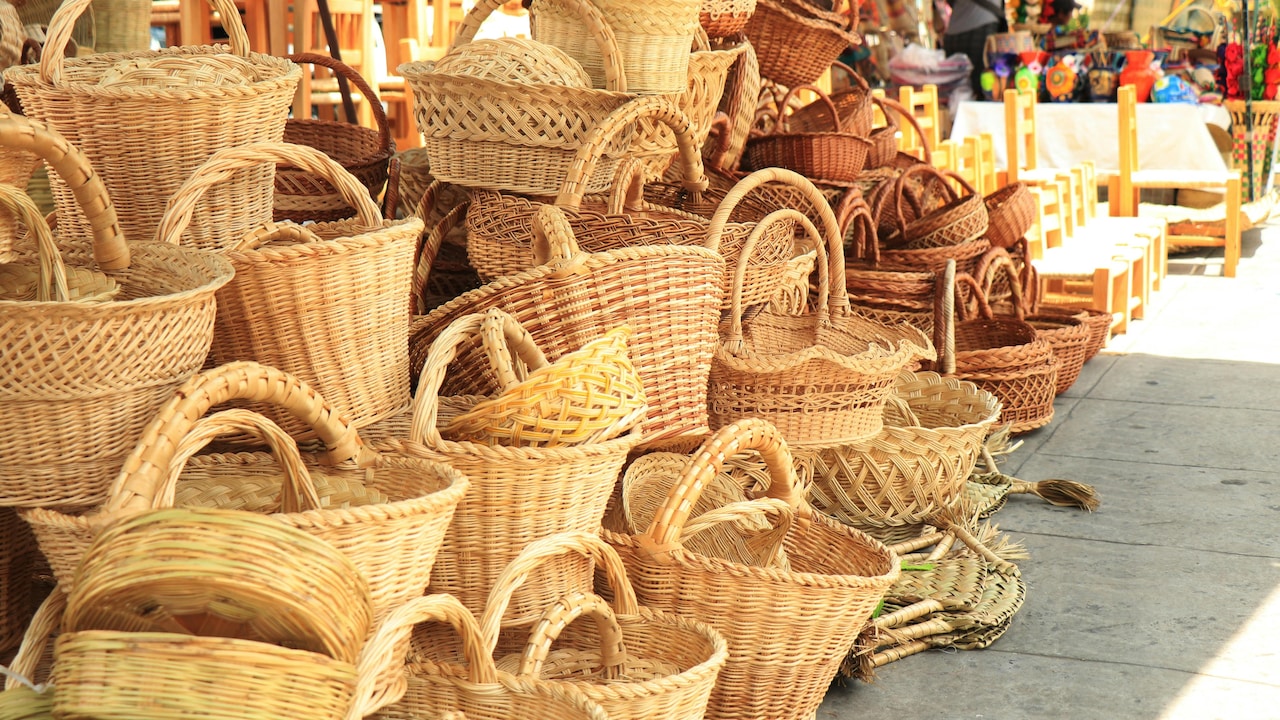
Choose storage baskets that won't sag under heavy weight with these expert tips today.
Every home has that one basket that started life full of promise. It looked sturdy in the shop, felt light in the hand and claimed to handle “heavy loads”. A few weeks later, it slouches like an overworked office chair. Clothes spill out, handles stretch and the base curves inward as if it lost all hope.
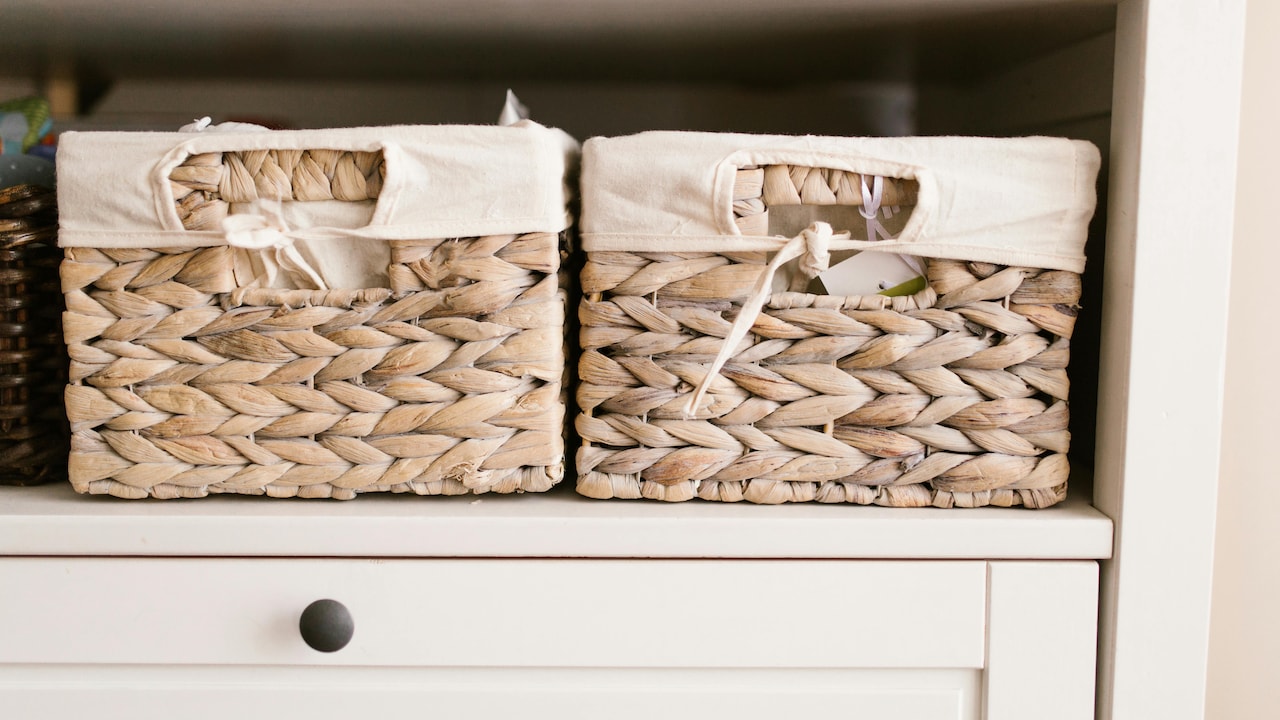
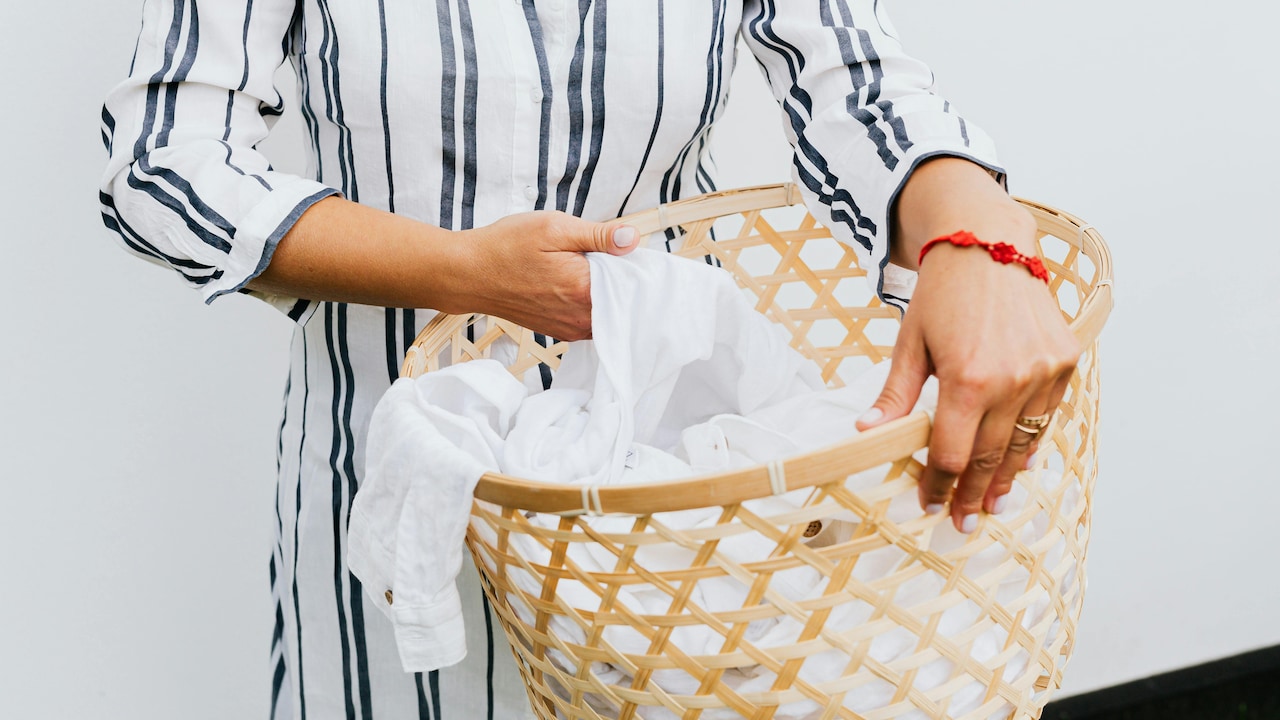
Use these tips to buy storage baskets that don't sag under weight; Photo Credit: Pexels
Storage baskets play a bigger role than they get credit for. They carry laundry, toys, groceries, books, winter blankets and sometimes even gym equipment. A sagging basket does not just look messy. It wastes space, strains shelves and often leads to breakage.
Choosing the right storage basket needs more than a quick glance or a good discount. Material, construction, shape and even where the basket lives matter more than most people realise. This guide walks through ten practical ways to pick baskets that stay firm under weight, suit daily life and bring a sense of order without constant replacement.
Also Read: Foldable Laundry Bags Vs Plastic Baskets? A Practical Comparison For Daily Use
How To Tell If A Storage Basket Can Handle Real Weight
1. Understand the Load Before Buying
The first step often gets skipped. What exactly will the basket carry? A basket meant for cushions behaves very differently from one holding books or steel utensils. Weight adds up quickly, especially in homes where storage does double duty.
Before buying, think about the heaviest realistic load. Laundry baskets often end up carrying wet clothes. Kitchen baskets may store potatoes, onions and appliances together. Toy baskets rarely stay limited to toys and suddenly hold textbooks, water bottles and cricket gear.
Estimating weight helps narrow down the material and size. A basket designed for five kilograms struggles at ten. Shops rarely highlight weight limits, so judgment matters. Lift the display piece if possible. Press the base gently. A flimsy bottom signals future sagging.
Buying a slightly stronger basket than required saves trouble later. It costs a bit more upfront but avoids replacements and frustration. Strong baskets age better and hold shape even when daily habits change. Today's blanket basket might become tomorrow's laundry carrier without collapsing under pressure.
2. Choose the Right Material for Strength
Material decides everything. Plastic, fabric, metal, wood and woven fibres each behave differently under weight. Soft fabric baskets look cosy but often lose shape fast unless reinforced. Thin plastic cracks or bends when overloaded.
For heavier items, thick polypropylene, metal wire or solid bamboo work best. They distribute weight evenly and resist bending. Woven baskets made from cane or rattan can work too, but only if tightly woven and supported with a firm frame.
Fabric baskets need structure. Look for ones with internal rods, cardboard bases or stitched panels. Without these, gravity wins quickly. Felt baskets often perform better than cotton ones as they offer natural stiffness.
Avoid ultra-light designs if weight matters. A basket that feels too light for its size probably lacks internal support. Strength does not mean ugly. Many sturdy baskets come in clean designs, soft colours and modern finishes that suit living rooms as well as storerooms.
3. Inspect the Base Like a Pro
The base carries the entire load. A weak base leads straight to sagging sides and warped shapes. Yet many buyers focus only on handles and height.
Turn the basket upside down. A flat, thick base indicates strength. Some baskets include a separate base insert. Check if it feels solid or bends easily. Cardboard inserts work for light loads but struggle with weight and moisture.
Plastic baskets should have reinforced ribs or a grid pattern underneath. These features prevent bowing. Metal baskets need closely spaced wires at the bottom. Wide gaps invite sagging and uneven pressure.
If the base feels flexible in the shop, it will only worsen at home. A firm base also protects shelves and floors from scratches caused by bending edges. This small check saves long-term headaches and keeps baskets standing tall even after years of use.
4. Pay Attention to Shape and Structure
Shape influences strength more than most realise. Tall baskets with narrow bases tip and sag faster than wider, low-profile ones. Square and rectangular baskets distribute weight more evenly, especially on shelves.
Round baskets look charming but often lack corner support. Under heavy loads, their sides bulge outward. Structured designs with frames or stitched edges hold shape better than soft silhouettes.
Look for baskets with reinforced rims. A strong top edge keeps sides upright and prevents spreading. Some baskets include metal or plastic rings stitched into the rim for added stability.
Avoid overly decorative folds or flared tops if weight matters. These features weaken the structure. Clean lines, straight walls and consistent thickness signal durability. A basket should feel balanced when lifted, not floppy or uneven.
Choosing shape wisely ensures the basket works with gravity instead of fighting it every day.
5. Handles Matter More Than They Seem
Handles often fail first. A basket may survive years until a handle snaps mid-carry, sending contents everywhere. Strong handles make moving heavy baskets safer and easier.
Check how handles attach to the basket. Stitched fabric handles need tight, reinforced stitching. Riveted or moulded handles on plastic baskets perform better than glued ones. Metal baskets should have welded or securely looped handles.
Handle placement matters too. Handles placed too high pull sides inward under weight, causing sagging. Side-mounted handles aligned with the basket's centre of gravity distribute load evenly.
Test handles gently in the shop. Pull upward and outward slightly. If they stretch or creak, they may not last long. A good handle feels like an extension of the basket, not an afterthought.
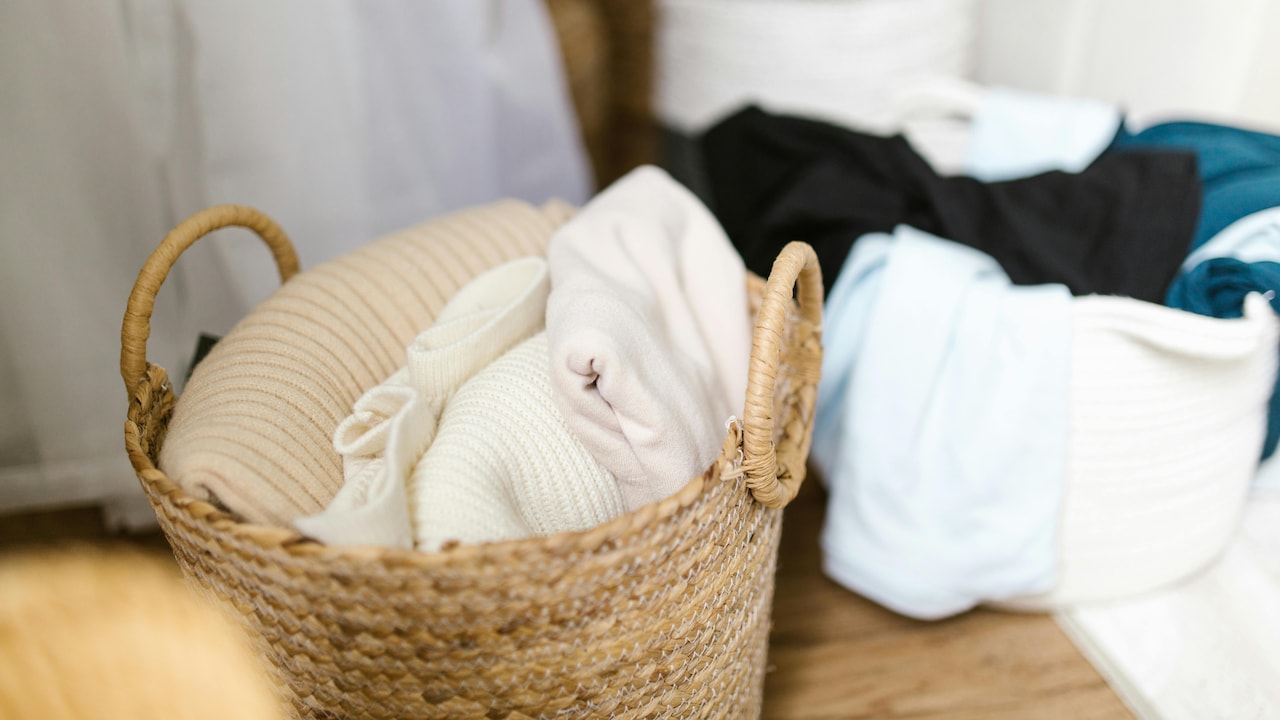
Look for baskets with stitched fabric handles and reinforced stitching; Photo Credit: Pexels
6. Think About Where the Basket Will Live
Environment affects durability. A basket in a dry wardrobe behaves differently from one in a humid bathroom or sunny balcony. Moisture weakens cardboard bases and natural fibres. Heat warps plastic over time.
For bathrooms and balconies, choose moisture-resistant materials like plastic or coated metal. Avoid untreated wicker or fabric there. For kitchens, consider baskets that resist grease and stains.
Shelved baskets need flat bases and straight sides to prevent tipping. Floor baskets need sturdier bases to handle uneven surfaces. If the basket slides in and out often, strength becomes even more important.
Matching basket type to location extends its life. A sagging basket often results from living in the wrong environment rather than poor quality alone.
7. Don't Ignore Weight Distribution
How items sit inside the basket matters. Even strong baskets sag when weight concentrates in one spot. Books stacked on one side or heavy tools dumped unevenly strain the structure.
Choose baskets wide enough to spread items evenly. Internal dividers help distribute weight and prevent shifting. Some baskets include fabric linings that reduce movement and protect sides.
When storing heavy items, place the heaviest at the centre and lighter ones around. Avoid overfilling beyond the rim. Overloaded baskets stretch materials and weaken seams over time.
Good baskets support smart habits. A well-sized basket encourages even loading and reduces daily strain on materials.
8. Quality Over Quantity Always Wins
It feels tempting to buy multiple cheap baskets instead of one sturdy piece. Yet weak baskets sag, crack or collapse quickly, leading to replacements and clutter.
A well-made basket may cost ₹800 instead of ₹300, but it lasts for years rather than months. It holds shape, looks better and performs consistently. Over time, it saves money and effort.
Quality shows in details. Smooth edges, even weaving, consistent thickness and solid bases signal good craftsmanship. Avoid sharp smells or rough finishes, which hint at poor materials.
Fewer strong baskets create calmer spaces than many sagging ones. They stack better, store more safely and maintain visual order without constant adjustment.
9. Test Before Trusting the Basket Fully
Before committing heavy items, test the basket at home. Gradually add weight and observe how it behaves. Check if sides bow, base bends or handles strain.
Lift the basket when half full and again when nearly full. A strong basket feels stable and balanced. A weak one shifts, creaks or tilts.
This testing phase prevents sudden failures later. If the basket struggles early, reassign it to lighter duties like storing cushions or linens.
Testing builds confidence and ensures each basket finds the right role in the home. Not every basket needs to carry weight, but those that do must earn that responsibility.
10. Balance Strength with Style
Strong baskets need not look dull. Many designs blend durability with warmth and style. Neutral colours, textured weaves and clean shapes fit modern homes easily.
Choose baskets that complement existing décor while meeting strength needs. A sturdy bamboo basket suits living rooms. Sleek plastic works for utility areas. Fabric-lined wire baskets balance charm and strength.
Avoid choosing purely on looks. A beautiful basket that sags quickly loses charm fast. The best choices marry form and function effortlessly.
Storage should simplify life, not add frustration. When baskets hold firm, spaces feel calmer and routines flow better. Style stays intact without constant fixing or rearranging.
Products Related To This Article
1. HABERE INDIA Red Floral Printed Jute Kitchen Storage Basket
2. Kuber Industries White Metal Round Kitchen Rack Multipurpose Storage Basket Stand
3. HABERE INDIA Beige & White Seagrass Storage Basket
4. Kuber Industries Brown & Green Set Of 2 Dishwasher Safe Unbreakable Plastic Storage Basket
5. H&M Kids Beige Braided Book Storage Unit
6. Tranquil square Metal Black Fruit & Vegetable Basket Kitchen Storage
7. Peepul Tree Piece of 2 Peepul Tree Wicker Bread Basket & Storage Box Combo
Sagging storage baskets create small daily annoyances that add up. They waste space, damage belongings, and disrupt organisation. Choosing baskets that hold their shape requires attention to material, structure, base strength and usage habits.
Strong baskets support busy homes quietly and reliably. They carry weight without complaint and maintain order without fuss. With thoughtful selection and realistic expectations, storage baskets transform from flimsy accessories into dependable helpers.
A basket that stands firm under weight does more than store items. It brings peace, predictability and a sense of control to everyday spaces. And that quiet strength makes all the difference.
(Disclaimer: This article may include references to or features of products and services made available through affiliate marketing campaigns. NDTV Convergence Limited (“NDTV”) strives to maintain editorial independence while participating in such campaigns. NDTV does not assume responsibility for the performance or claims of any featured products or services.)





![Steam Iron Teflon Shoe Cover for ES-300,ST-96 [Only For ES-300 and ST-96 Model Electric Steam Irons]](https://m.media-amazon.com/images/I/51wwkttondL._SL160_.jpg)