How To Pick The Right Lamp Brightness For Night Reading
Choosing the right lamp brightness for night reading reduces eye strain, improves comfort, and supports better sleep. This guide explains lumens, light colour, and placement in simple, practical terms. Check out the top tips to set the lamp brightness correctly.
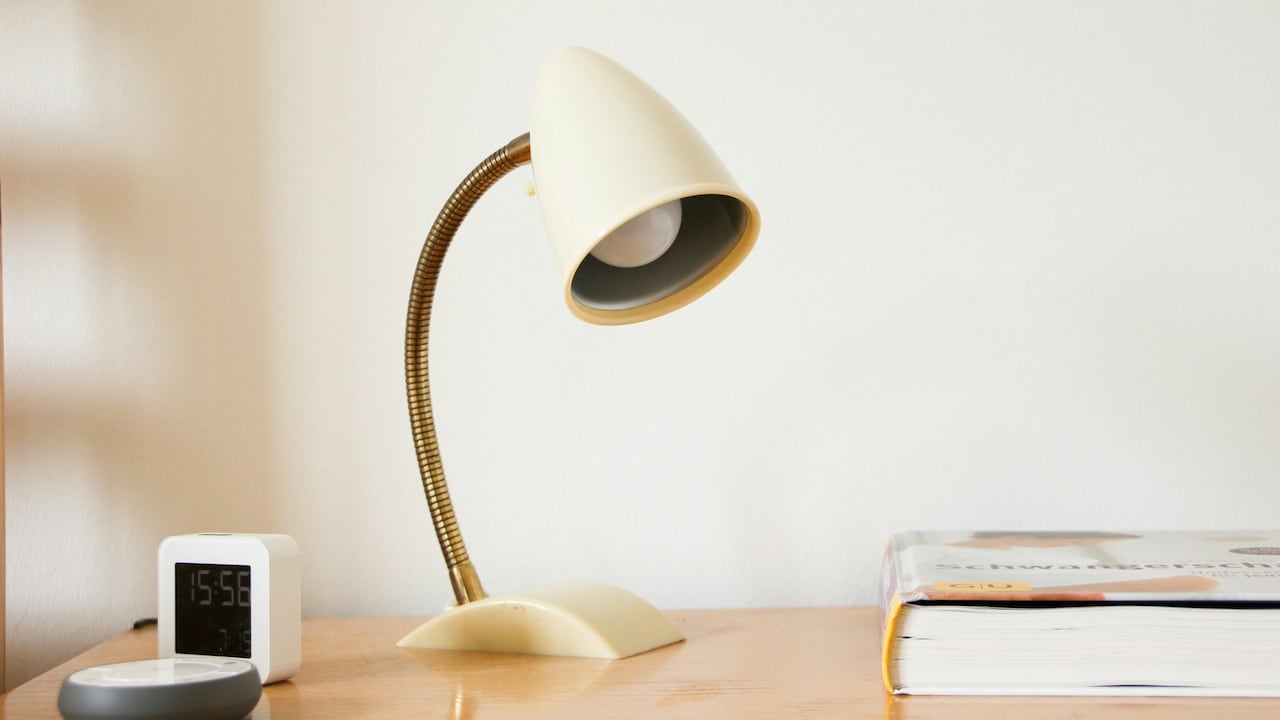
Here Is All About How to Choose the Right Lamp Brightness for Comfortable Night Reading.
Night reading has its own quiet charm. However, many homes treat lighting as an afterthought, grabbing any lamp that looks good on a bedside table. The eyes, however, demand more care than décor alone can offer. The right lamp brightness supports comfortable reading without disturbing sleep patterns. It prevents headaches, reduces eye strain, and helps the body relax instead of staying wired till midnight. With long workdays, glowing screens, and late-night scrolling already testing the eyes, reading light deserves careful thought.
Brightness depends on several factors: The type of bulb, the room size, the reading material, and even the wall colours. Add personal habits into the mix, and the choice becomes surprisingly nuanced.
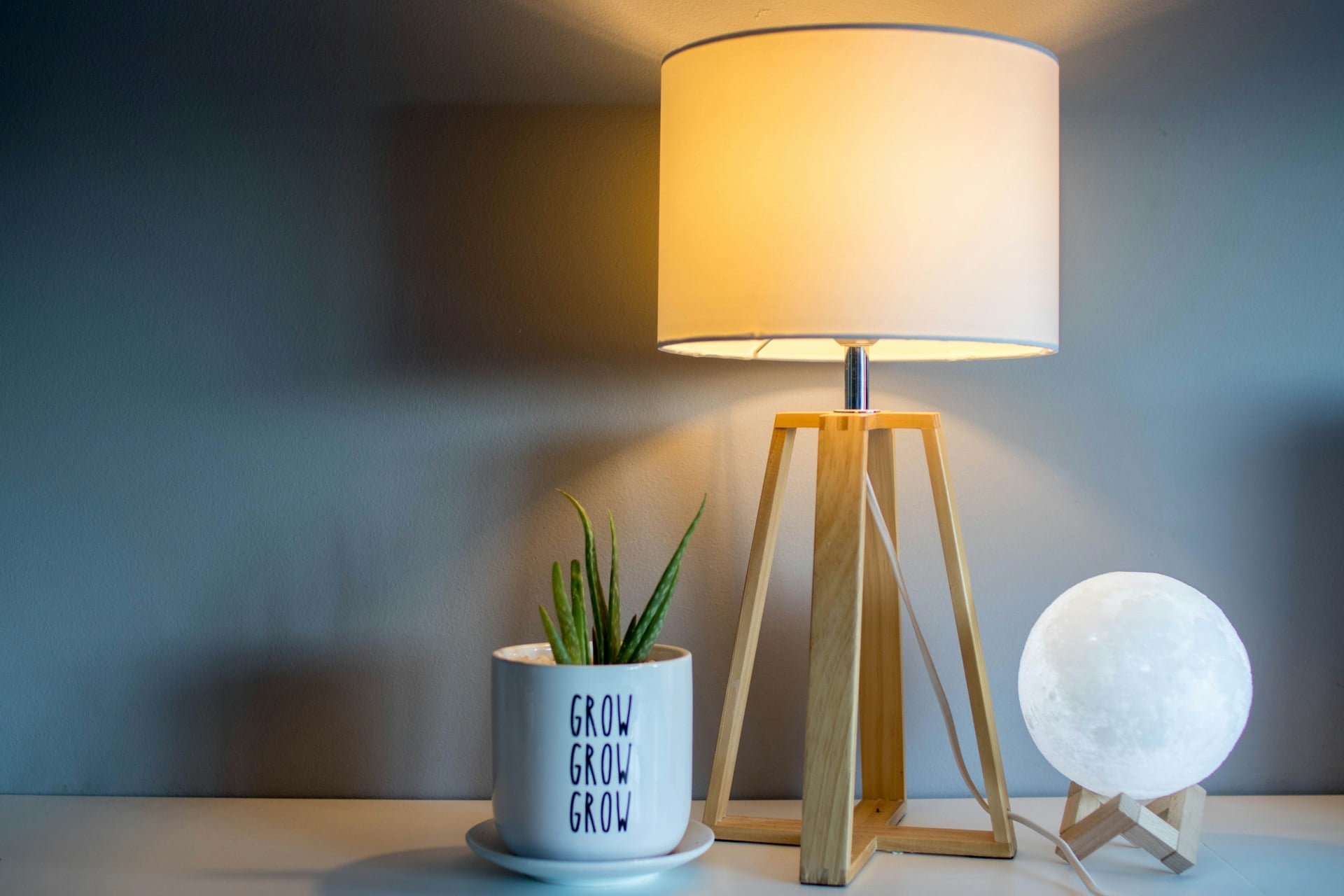
Explore easy tips to set the best lamp brightness level; Photo Credit: Unsplash
The good news is that once the basics feel clear, choosing the perfect lamp stops feeling complicated. Here we reveal how to pick the right lamp brightness for night reading and thereby help you build a night-reading setup that feels just right.
Also Read: Style Your House With These Types Of Lamps That Suits Your Room
Key Factors To Consider Before Switching On The Lamp
1. Understand What Brightness Really Means
Brightness often gets confused with wattage. Many still believe higher watts mean brighter light. Modern lighting has rewritten that rule. Brightness now gets measured in lumens. Lumens tell how much light a bulb produces, while watts show how much energy it uses.
For night reading, brightness should feel sufficient without flooding the room. Around 400 to 600 lumens works well for most readers. This range allows text to appear clear without forcing the eyes to squint or overwork. A lamp that blasts 1,000 lumens may suit a workshop but feels harsh near a bed.
Think of brightness like background music. It should support the activity, not overpower it. When the light feels invisible while reading, that usually signals the right level. Checking lumen values on packaging saves time and money. It also prevents ending up with a lamp that feels dazzling or dull after just one chapter.
2. Match Brightness With Reading Distance
How far the book sits from the lamp matters more than many realise. A bedside lamp placed close to the book needs less brightness than a floor lamp placed further away. Light spreads and weakens as distance increases.
For close reading, such as novels held 30–40 cm away, softer light works well. A lamp in the 400-lumen range usually feels comfortable. When reading at a desk or armchair with the lamp positioned higher, brightness needs a boost. In those cases, 600–800 lumens help maintain clarity.
This explains why some lamps feel fine in shops but disappoint at home. Showrooms often use layered lighting that hides flaws. At home, a single lamp carries the full responsibility. Adjusting brightness based on distance ensures the eyes do not struggle unnecessarily. It also reduces the urge to lean forward or adjust posture, which often leads to neck and shoulder discomfort.
3. Choose Warm Light for Relaxed Reading
Light colour affects mood more than many expect. Cool white or bluish light keeps the brain alert. Warm light, with its yellowish glow, signals the body to unwind. For night reading, warmth wins every time.
Look for bulbs labelled warm white, usually around 2700K to 3000K on the colour temperature scale. This type of light feels gentle and inviting. It reduces glare and supports the body's natural wind-down process before sleep.
Cool white bulbs often suit offices and kitchens, not bedtime reading. They can trick the brain into thinking it is still daytime, making sleep harder to come by. Warm light feels closer to traditional incandescent bulbs, which many grew up reading under. That sense of familiarity adds comfort and helps reading become a soothing ritual rather than a stimulating task.
4. Pay Attention to Lamp Shades and Diffusers
Brightness does not depend on the bulb alone. Lamp shades play a crucial role in shaping how light reaches the page. A clear bulb without a shade can feel harsh, even at lower lumens. A well-designed shade softens and spreads light evenly.
Opaque or fabric shades reduce glare and create a cosy pool of light. They prevent direct exposure to the bulb, which protects the eyes from sharp contrast. Adjustable shades add flexibility, allowing light to focus directly on the book instead of spilling across the room.
Metal shades with reflective interiors work well for task lighting, directing light downward where it matters. For bedtime reading, a balance between direction and softness works best. A lamp that lights the book without lighting the entire room helps maintain a calm atmosphere while still offering clarity.
5. Consider Adjustable Brightness Options
Fixed-brightness lamps limit flexibility. Some nights call for focused reading, while others invite a gentle skim through a few pages before sleep. Adjustable brightness handles both moods with ease.
Dimmable lamps allow brightness to change based on comfort and the time of night. Start brighter for reading and dim gradually as bedtime approaches. This gentle transition supports better sleep and feels kinder to the eyes.
Many modern lamps offer touch controls or rotary dimmers that make adjustments effortless. While dimmable options may cost slightly more, the long-term comfort makes them worth it. They also adapt to different users, from children reading homework to adults enjoying a late-night novel. One lamp, many moods.
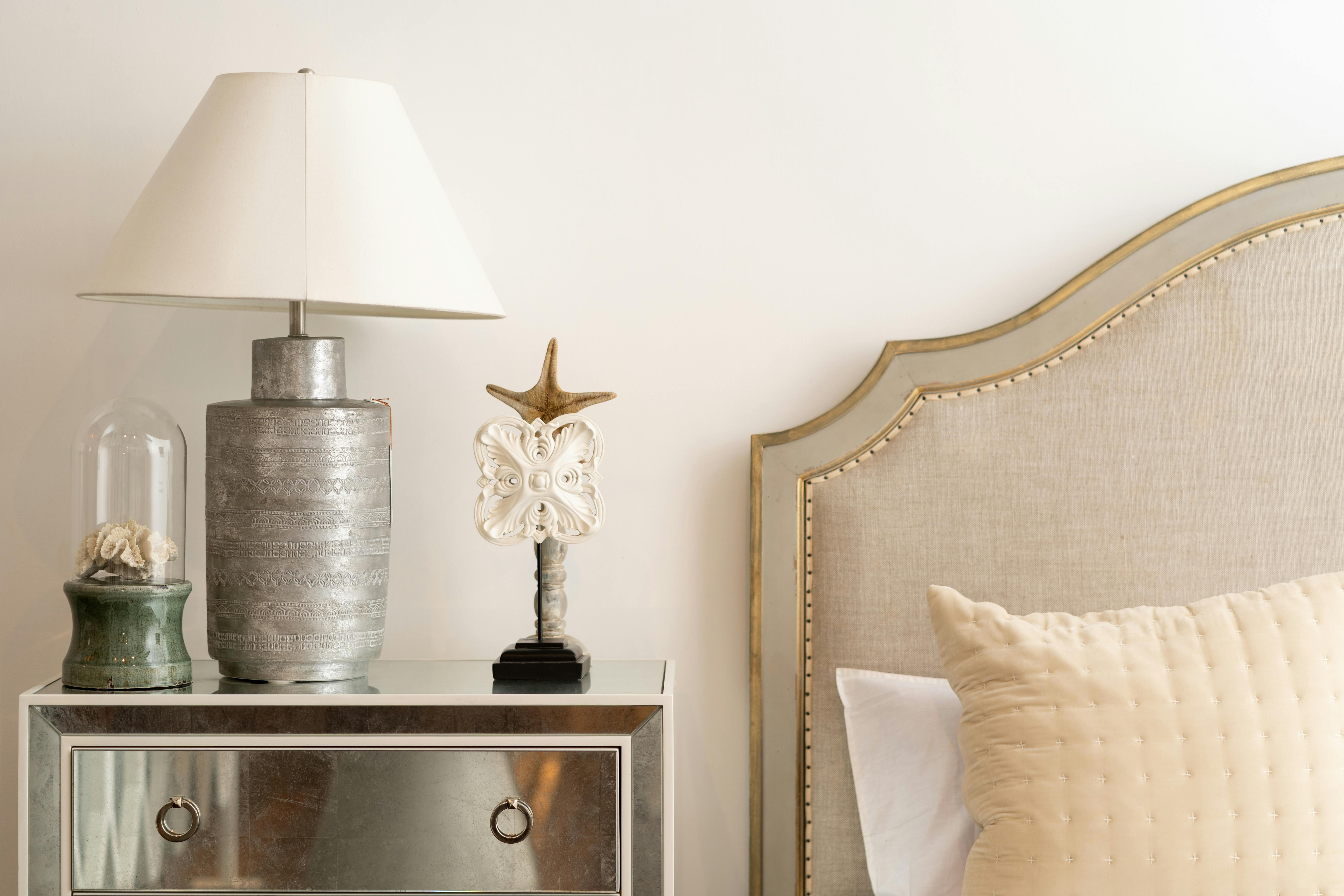
Always choose lamps with adjustable brightness levels for utmost convenience; Photo Credit: Pexels
6. Think About the Room's Existing Light
A reading lamp rarely works alone. Ambient lighting affects how bright the lamp needs to be. In a completely dark room, even moderate brightness can feel intense. With some background light, the same lamp feels balanced.
Soft ceiling lights or wall lights can complement a reading lamp, reducing contrast between light and dark areas. This balance prevents eye strain caused by sharp transitions. The goal is harmony, not competition.
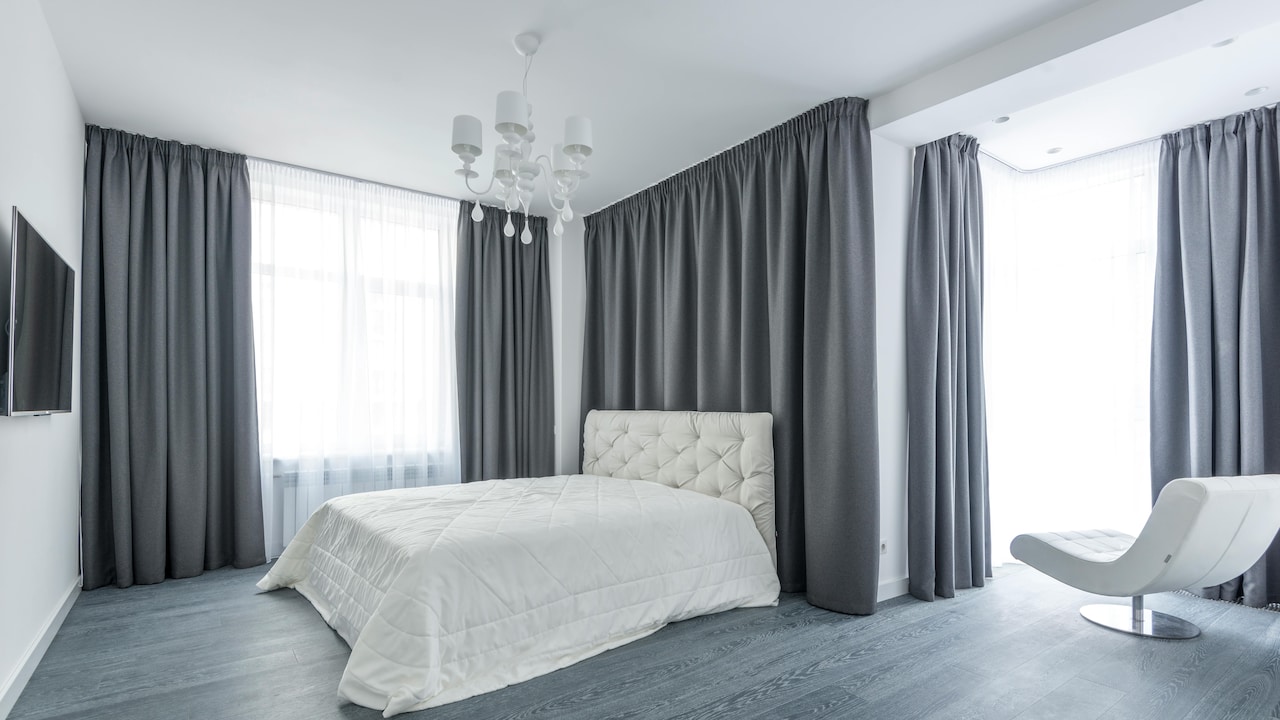
Rooms with darker walls or heavy curtains absorb more light, demanding slightly brighter lamps. Lighter walls reflect light, allowing lower brightness to feel sufficient. Observing how light behaves in the room helps fine-tune the choice. A lamp that suits one room may feel wrong in another due to these subtle differences.
7. Match Brightness to Reading Material
Not all reading materials demand the same brightness. A glossy magazine reflects light differently from a matte paperback. Fine print needs more illumination than large, bold text.
Books with small fonts or dense text benefit from brighter light within the comfortable range. Study materials, notes, or reference books often require focused lighting. Leisure reading, such as novels or poetry, allows a softer light.
Digital readers with e-ink screens reflect ambient light and may need slightly higher brightness compared to printed books. However, tablets and phones bring their own light, so pairing them with overly bright lamps can strain the eyes. Adjusting brightness based on material keeps reading enjoyable rather than tiring.
8. Protect the Eyes From Glare and Shadows
Glare remains one of the biggest culprits behind eye discomfort. It occurs when light reflects off glossy pages or shines directly into the eyes. Shadows appear when the lamp sits on the wrong side, especially for right- or left-handed readers.
Position the lamp so light falls over the shoulder opposite the writing or reading hand. This setup reduces shadows on the page. The light source should sit slightly behind and to the side, not directly in front.
Anti-glare bulbs and shades help soften reflections. Avoid placing lamps at eye level, as this increases direct exposure. Small adjustments in height and angle often make a big difference. Comfort improves when light feels present but not intrusive.
9. Balance Energy Efficiency With Comfort
Energy-efficient bulbs such as LEDs dominate the market today. They last longer and reduce electricity bills. A good LED bulb for reading offers high lumens with low wattage, making it both bright and economical.
A 6–8-watt LED can easily replace an old 40–60-watt bulb. While saving energy matters, comfort should remain the priority. Cheap LEDs sometimes flicker or produce uneven light, which tires the eyes. Choosing quality brands ensures stable, consistent brightness.
Spending slightly more upfront often saves money and discomfort later. A reliable LED paired with the right brightness level supports long reading sessions without worry about heat or high power consumption.
10. Test Comfort Over Time, Not Minutes
A lamp that feels fine for five minutes may feel wrong after half an hour. Eyes need time to reveal discomfort. Testing brightness over longer reading sessions offers clearer insight.
Read a chapter, not a paragraph. Notice if the eyes feel dry, strained, or tired. If headaches appear or sleep feels restless afterwards, brightness may need adjustment. Comfort builds slowly and should feel effortless.
Trust instinct as much as specifications. Numbers guide the choice, but personal comfort confirms it. The right lamp fades into the background, letting stories take centre stage. When reading feels easy, and sleep comes naturally afterwards, the brightness has hit the sweet spot.
Products Related To This Article
1. Table Lamp for Study Room
2. WEIRD WOLF 3 Colour Mode LED Study
3. SaleOn Plastic Rechargeable LED Desk Lamp for Students
4. Crompton Deskmate 5W USB Rechargeable LED Desk Lamp
5. One94Store Touch Control LED Table Lamp
6. Fulminare Plastic LED Desk Lamp Dimmable Reading Table Lamp with USB Charging Port 3 Colour Mode
7. BROLAVIYA Overhead LED Desk Lamp Light with Metal arm Stand
Choosing the right lamp brightness for night reading blends science with everyday comfort. It goes beyond buying the brightest bulb or the prettiest lamp. It involves understanding lumens, light colour, placement, and personal habits. A well-chosen reading lamp supports the eyes, enhances relaxation, and turns night reading into a pleasure rather than a strain. Small details, such as adjustable brightness or a warm glow, make a lasting difference. In homes where evenings often stretch late, this thoughtful choice protects both vision and sleep. With the right lamp brightness, every page becomes clearer, calmer, and far more enjoyable.
(Disclaimer: This article may include references to or features of products and services made available through affiliate marketing campaigns. NDTV Convergence Limited (“NDTV”) strives to maintain editorial independence while participating in such campaigns. NDTV does not assume responsibility for the performance or claims of any featured products or services.)