How To Stop Fridge And Pantry Clutter With Stackable Containers and Racks
A cluttered fridge or pantry can turn even a simple dinner plan into a scavenger hunt. With the right stackable containers and racks, the kitchen turns smoother, calmer and far more organised.
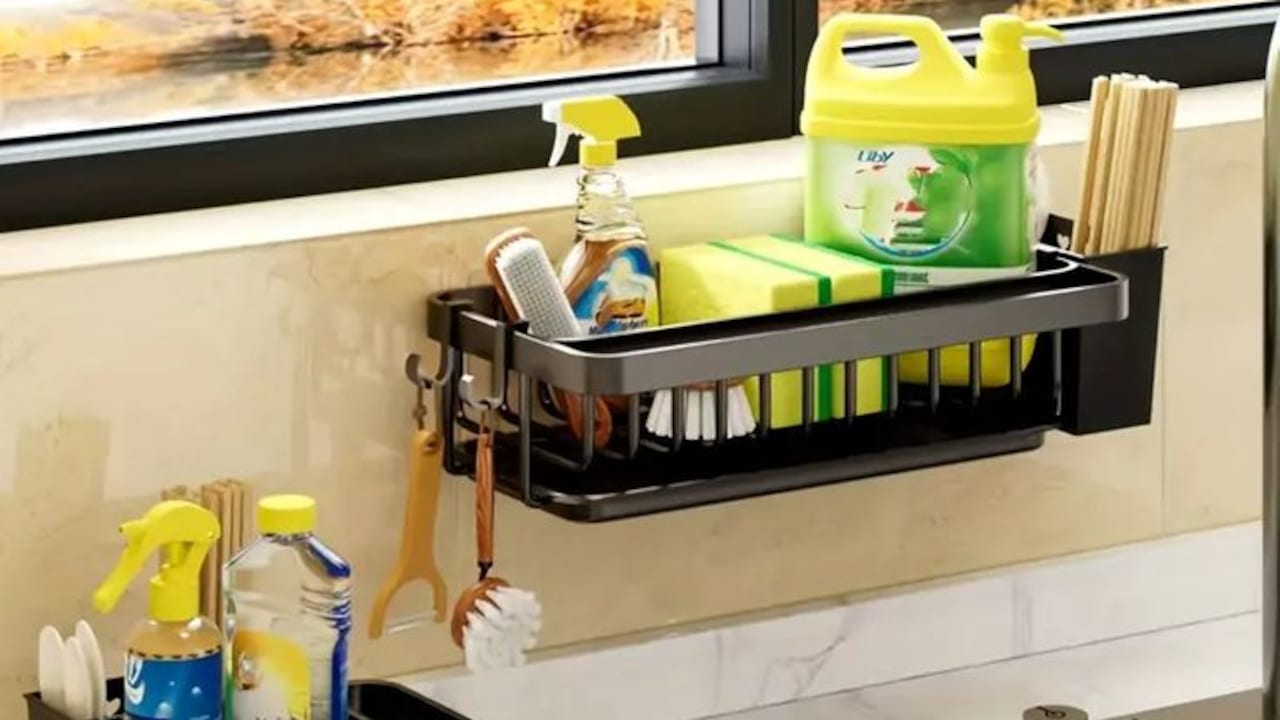
How To Stop Fridge And Pantry Clutter: Simple Storage Hacks Using Stackable Containers And Racks.
A busy kitchen often carries its own chaos. Boxes that lean dangerously, forgotten leftovers pushed to the back, lentils in mismatched packets, and fruits that mysteriously vanish under a pile of everything else. Many homes face the same morning drama: opening the fridge only to wonder where the curd went, or rummaging through the pantry for that one special masala. A solution doesn't demand a full remodel or fancy gadgets. A few stackable containers and racks often work wonders. They bring order, save space and cut down the little frustrations that slow down daily life. With simple systems that suit local eating habits, storage styles and weather, the kitchen can feel far more pleasant to use.
So, end kitchen chaos once and for all as we present a warm, practical and culturally grounded guide on how to stop fridge and pantry clutter via stackable containers and racks.
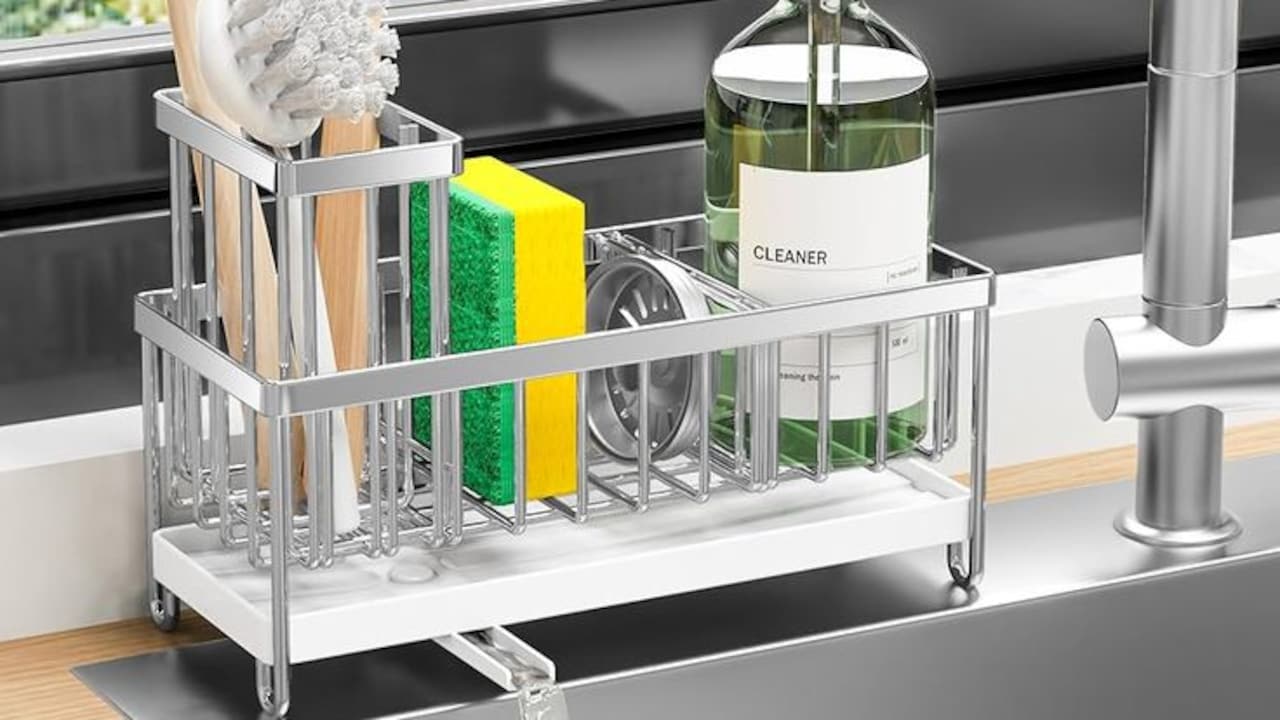
How To Stop Fridge And Pantry Clutter With Stackable Containers and Racks; Photo Credit: Pexels
Practical Ways To Clear Clutter With Stackable Containers And Racks
1. Use Clear, Stackable Containers to See Everything at a Glance
Opening the fridge and spotting ingredients instantly feels like a small victory. Clear stackable containers help create that moment every day. Transparency means there's no guesswork; vegetables, leftovers, gravies and cut fruits stay visible and reachable. Stackable designs save shelf space and encourage neatness because containers align well instead of forming unstable piles.
Many households deal with leaky packaging or random bowls covered with plates. These containers bring order without effort. For example, leftover sabzi from dinner fits into a compact airtight box that stacks neatly beside the dal. A quick peek in the morning shows exactly what needs reheating and what needs finishing.
Most good-quality sets cost around ₹300–₹800 and often last for years. Spending a little once saves daily stress. Clear containers also reduce food wastage because nothing hides behind big boxes or bags. The fridge looks fuller, cleaner and much more inviting, encouraging better eating and planning.
2. Label Each Box for Stress-Free Mornings
Labels remove confusion before it begins. A simple sticker with “Upma Mix,” “Boiled Channa,” or “Cut Mangoes” stops unnecessary rummaging. Children and elders find things faster, and helpers stay consistent with the system. This small habit takes seconds but creates a smoother kitchen flow.
Handwritten labels on tape work well. A label maker adds charm but isn't essential. Even chalkboard stickers create a reusable option. What matters is clarity. When someone packs a school tiffin early in the morning, knowing exactly which box to pick saves time and prevents a mess.
Labelling also helps track what needs cooking soon. Suppose there's a box that reads “Boiled Rajma – Monday.” By Wednesday, it gently reminds the household to use it before it spoils. This reduces food waste and helps plan meals better.
In a busy lifestyle where mornings often feel rushed, labels serve as silent helpers. They guide everyone, keep ingredients in order and ensure the kitchen stays organised without constant explanations.
Also Read: Transform Your Wardrobe On A Budget: Closet Organisers Worth Grabbing On Myntra
3. Divide the Fridge with Shelf Racks for Vertical Space
Most fridges never use their height effectively. Tall bottles or big curry pots take up the entire shelf, while the vertical space above them remains untouched. Shelf racks solve this problem beautifully. They create an extra layer inside the fridge, turning one shelf into two.
Milk packets can stay below while cheese, butter or small chutney boxes rest above. Snacks for children fit neatly on temporary racks, and meal-prep containers line up without leaning over each other. Even steel dabbas, which many families rely on for leftover storage, gain better placement with these racks.
The benefit becomes clearer during weekends when the fridge fills with vegetables and homemade treats. Instead of stuffing items into gaps, everything settles in order. Racks usually cost ₹200–₹600 and are easy to wipe clean. Once added, the fridge suddenly feels twice as spacious.
It's a small investment with a big impact, less bending, fewer spills and no need to juggle containers like a puzzle.
4. Use Fridge Door Compartments Wisely
The fridge door often turns into a forgotten zone. It's where sauce bottles accumulate and sometimes stay untouched for months. Organising this space frees room inside the main shelves. Door compartments suit items that tolerate mild temperature changes, chutneys, sauces, pickles, small flavoured syrups and frequently used condiments.
Instead of stuffing everything together, grouping items by purpose works well. One section for breakfast essentials like peanut butter and jam. Another for dips, sandwich spreads and ketchup. Tall bottles like sharbat syrups or small tetra packs fit neatly without toppling.
For households that love homemade pickles, jars arranged in the door keep the flavours handy and beautifully displayed. Proper use of door space reduces clutter in the main storage area and makes the fridge feel structured and intentional.
The key is simple: reserve the door for hardy items, not milk or perishables. This smart division helps maintain food safety while keeping everything accessible.
5. Create Zones in the Pantry with Stackable Jars
A pantry with zones feels like a mini supermarket at home. Placing dals together, spices together, snacks together and baking items together creates a natural flow. Stackable jars support this system by keeping everything uniform, neat and sealed against humidity.
Clear jars for lentils, rice, poha and flour create a visually tidy shelf. They prevent pests and stop fine powders from spilling. When jars stack evenly, shelves stay clean and easier to wipe. Even children feel encouraged to return jars to the right place because everything has a clear home.
Organising in zones helps during monthly shopping as well. A quick scan shows which staples need refilling. No more buying an extra kilo of channa only to find two unopened packets hiding in the corner. This saves money and prevents overcrowding.
With prices ranging from ₹150–₹400 per jar, the pantry slowly transforms into a streamlined space that supports everyday cooking most practically.
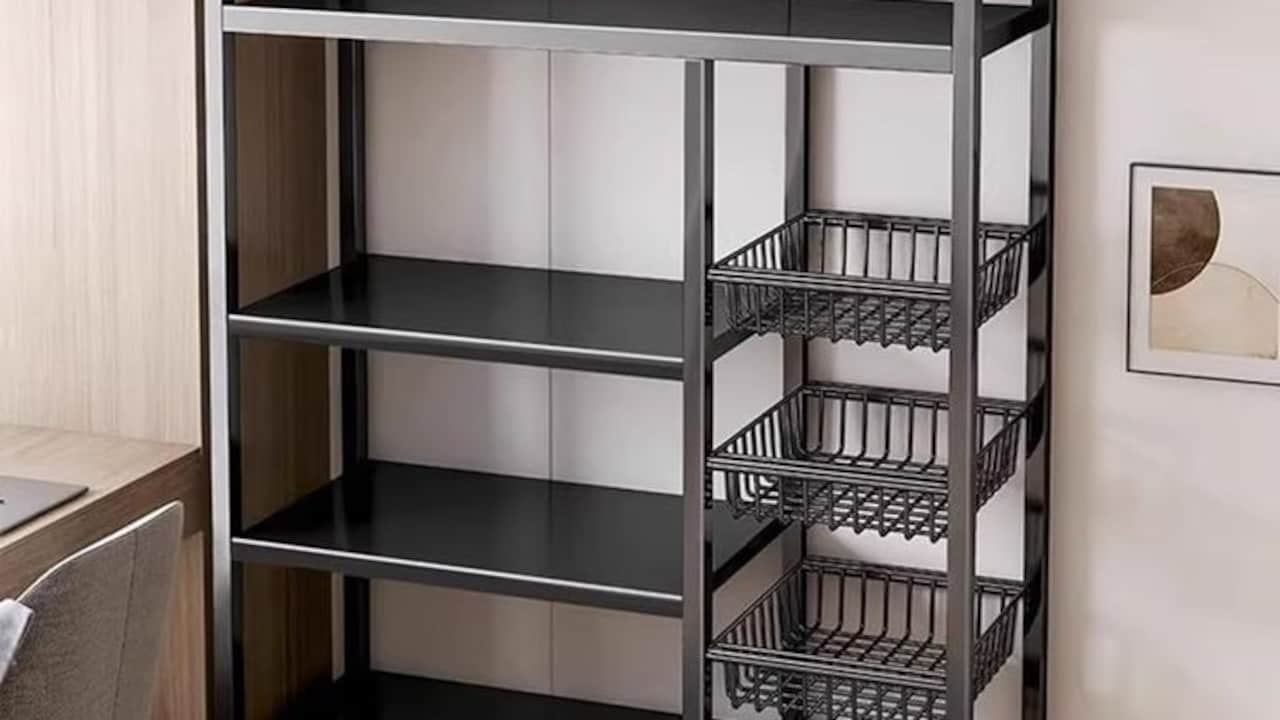
How To Stop Fridge And Pantry Clutter With Stackable Containers and Racks; Photo Credit: Pexels
6. Add Pull-Out Racks for Deep Shelves
Deep pantry shelves often become dark caves where older items shift to the back and eventually expire. Pull-out racks fix this issue by bringing everything forward in one smooth motion. They work like small drawers inside existing shelves.
When masala packets, small bottles or snack pouches glide out, it feels easier to reach for exactly what's needed. This reduces the accidental purchase of duplicates and minimises wastage. Even the smallest racks add surprising convenience, especially in cupboards where depth hides half the products.
These racks suit homes with narrow storage spaces or modular kitchens. Installation is simple and costs vary depending on size, usually starting at ₹500. Once fitted, the pantry becomes more interactive and far more enjoyable to use.
This upgrade shifts the experience from searching for groceries to selecting them with ease. A small change that brings big relief.
7. Store Snacks in Transparent Bins for Easy Access
Snack chaos is real, biscuits, namkeen packets, chocolate bars, dry fruits and little indulgences often scatter across drawers. Transparent bins create order and keep treats easy to access. Children enjoy the clarity and adults appreciate the tidiness.
Bins with front handles work best because they slide out quickly. A “snack bin” for school tiffins helps in busy mornings. A separate bin for festival sweets or guests' treats adds structure without taking away the joy. Clear bins prevent food from getting crushed under heavier items and stop ants from sniffing around.
They also help maintain discipline. When the snack bin looks full, the message is clear: no more buying until the current lot finishes. This avoids unnecessary spending and prevents unhealthy hoarding.
Most bins cost around ₹150–₹300 and blend well into any kitchen setup. Once introduced, snacking becomes cleaner, organised and more fun.
8. Keep Fruits and Vegetables in Ventilated Boxes
Fresh produce deserves proper care. Ventilated boxes allow airflow, keeping vegetables crisp longer and reducing moisture buildup. Instead of stuffing everything into the bottom drawer, using dedicated boxes for leafy greens, tomatoes, lemons or chillies brings clarity and hygiene.
Many households lose vegetables simply because they get buried under other items. With ventilated boxes, quantity becomes visible. Weekend vegetable shopping also becomes easier because the boxes guide how much to buy. No more overloading the fridge or forgetting what's hiding beneath.
These boxes usually feature small perforations that maintain moisture balance. They are easy to clean and discourage spoilage. The kitchen benefits from predictability, fresh produce stays fresher, reducing repeated trips to the market and saving ₹200–₹500 per week in wasted ingredients.
With proper organisation, meal prep feels lighter and vegetables remain flavourful for much longer.
9. Use Under-Shelf Baskets to Maximise Pantry Space
Under-shelf baskets act like secret storage. They hook onto existing shelves and create a small hanging compartment beneath them, especially useful in pantries where shelves are tall but underused.
These baskets hold packets of papad, spice mixes, teas, coffee sachets and other flat items. They turn empty air space into functional storage. The kitchen immediately feels more organised without adding bulky furniture or cabinets.
Some baskets even fit inside fridges, holding small fruits like lemons or grapes. They cost around ₹200–₹400, making them an affordable way to elevate storage.
For households with limited pantry space, these baskets provide relief. They reduce clutter and offer quick access to everyday items, making the kitchen feel more streamlined and thoughtfully arranged.
10. Rotate Stock Regularly to Keep Clutter Away
Even the best containers and racks won't solve clutter without a simple habit: rotation. Placing new groceries behind older leftover stock keeps food moving in the right direction. This ensures nothing expires unnoticed.
Once every week, a two-minute check helps identify what needs quick cooking, half a bag of pasta, leftover paneer, or that nearly-finished jar of peanut butter. This habit reduces waste and helps plan meals that cost less and use what's already available.
Rotation also helps keep insects away. Stray grains or forgotten packets attract unwanted visitors. Regular checks maintain cleanliness and prevent surprises.
This practice doesn't require effort. It becomes part of the cooking routine, saving money and making the pantry feel cleaner and more respectful of the food it holds.
Products Related To This Article
1. Stainless Steel 3-Tier Countertop Storage Rack For Corners
2. Kitchenwell Round Multi-Purpose Rotatable Trolley Storage Organizer Kitchen Storage Rack Design Fruits
3. ABJA Stylish Wooden Rack for Kitchen Storage
4. Yookeer Rustic Wood Spice Rack Shelf
5. MASHUR FAB ABS MULTI -Layer Kitchen Rack
A clutter-free fridge and pantry feel peaceful in a way that's hard to explain but easy to appreciate. With stackable containers, smart racks, clear zones and regular rotation, daily cooking transforms from a chore to a smoother, calmer experience.
A few thoughtful choices lead to better organisation, less wastage and a happier kitchen. Whether it's preparing a quick breakfast before the school rush or planning a weekend feast, everything feels lighter when storage supports the rhythm of home life.
These changes don't demand large expenses, just smart tools, simple habits and a little attention. Once clutter goes, the kitchen becomes a place that invites creativity, comfort and delicious memories.
(Disclaimer: This article may include references to or features of products and services made available through affiliate marketing campaigns. NDTV Convergence Limited (“NDTV”) strives to maintain editorial independence while participating in such campaigns. NDTV does not assume responsibility for the performance or claims of any featured products or services.)










![Steam Iron Teflon Shoe Cover for ES-300,ST-96 [Only For ES-300 and ST-96 Model Electric Steam Irons]](https://m.media-amazon.com/images/I/51wwkttondL._SL160_.jpg)