How To Wash Bedsheets So They Stay Soft: Dos And Don'ts
Soft bedsheets dont need expensive products. Simple washing habits, the right water temperature, and a few common mistakes to avoid can keep sheets cosy, breathable, and comfortable for years. Preserve the softness of your favourite bedsheets with these easy wash and care tips.

Here Is All About How To Wash Bedsheets So They Stay Soft - Simple Dos And Don'ts That Really Work.
Bedsheets work hard every single day. They soak up sweat, dust, body oils, and the occasional tea spill. Over time, these everyday realities take a toll on fabric softness. Many households blame the quality of the sheet, but the real issue often lies in washing habits. From overusing detergent to drying sheets under harsh sunlight, small mistakes quietly stiffen the fabric of bedsheets. Soft bedsheets matter more than comfort alone. They support better sleep, feel kinder on sensitive skin, and make bedrooms feel welcoming. With water quality, weather shifts, and busy routines, laundry care needs to stay practical rather than perfect.
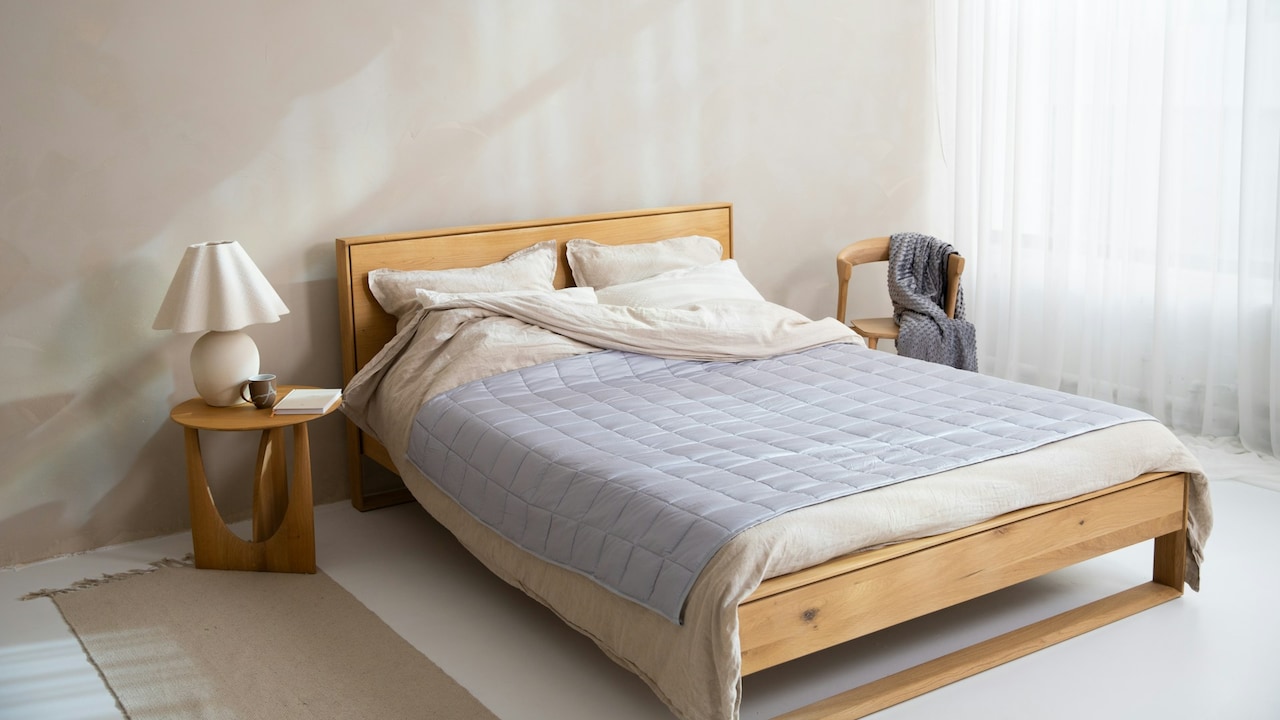
Help your favourite bedsheets stay soft longer with these simple washing and maintenance tips; Photo Credit: Unsplash
Below are 10 practical dos and don'ts that help bedsheets stay soft, fresh, and long-lasting. Each tip fits easily into regular laundry routines and works well for everyday homes.
Also Read: 7 Best Bedsheets Under ₹1,000 With Soft Fabrics And Stylish Prints
What Really Helps Bedsheets Stay Soft Over Time
1. Do Check the Fabric Before Washing
Every bedsheet tells a story through its fabric. Cotton, linen, bamboo blends, and microfiber each react differently to water and detergent. Cotton sheets, especially those with higher thread counts, soften over time when treated gently. Linen starts off crisp but rewards patience with buttery softness after repeated mild washes.
Reading the care label may feel tedious, but it saves money and disappointment. A sheet meant for cold water will protest if tossed into hot cycles. Colours may fade, fibres may tighten, and softness may vanish.
Sorting sheets by fabric type also helps. Washing cotton with heavier items like towels increases friction. That friction slowly roughens the surface. Sheets deserve their own wash or at least a lighter company. This small step keeps fibres relaxed and smooth.
2. Don't Overuse Detergent
More detergent does not mean cleaner sheets. In fact, excess detergent clings to fibres and leaves residue behind. That residue traps dirt and stiffens fabric. Sheets then feel rough even when freshly washed.
A modest amount of detergent works best, especially with modern machines that use less water. Liquid detergents dissolve more easily and suit bedsheets better than heavy powders. For areas with hard water, reducing detergent becomes even more important.
Scented detergents smell lovely but may irritate sensitive skin and coat fabric. Mild or fragrance-free options keep sheets breathable. A simple rule works well here: if the sheet does not rinse clean, softness will suffer.
3. Do Wash Sheets in Cold or Lukewarm Water
Hot water feels like a natural choice for deep cleaning. However, it weakens fibres and locks in stiffness over time. Cold or lukewarm water cleans just as effectively for regular use and protects the fabric structure.
Sweaty summer nights and humid weather may tempt hotter washes, but a pre-soak in cold water with a mild detergent often does the trick. Cold water also preserves colour and prevents shrinkage.
This habit benefits electricity bills, too. Lower power use adds up over the year. Soft sheets and lower costs form a satisfying combination that feels like a quiet win.
4. Don't Overload the Washing Machine
A packed washing machine strains both fabric and appliance. Sheets need space to move freely so water and detergent reach every fold. When crammed, sheets twist tightly and rub aggressively against themselves.
That friction roughens fibres and causes uneven wear. The result shows up as thin patches or scratchy textures. Washing one or two sets at a time works best, especially for larger bed sizes.
Giving the sheets room also improves rinsing. Detergent washes away properly, leaving nothing behind to harden fibres. A lighter load keeps sheets happy and machines running smoothly.
5. Do Use Natural Softeners Sparingly
Fabric softeners promise cloud-like softness but often deliver short-term comfort at a long-term cost. Many coat fibres with waxy layers that trap heat and reduce breathability. Over time, sheets lose their natural feel.
Natural alternatives work gently and cost very little. White vinegar added during the rinse cycle breaks down detergent residue and relaxes fibres. The smell fades completely once dry. Baking soda, used occasionally, refreshes sheets and boosts softness.
These options suit homes where skin sensitivity matters. They keep sheets airy and kind, without overpowering fragrances or chemical build-up.

Opt for natural fabric softeners instead of store-bought ones; Photo Credit: Pexels
6. Don't Dry Sheets Under Harsh Sunlight for Too Long
Sunlight dries sheets quickly and smells wonderful. Yet, harsh midday sun can damage fibres, especially darker colours. Prolonged exposure makes fabric brittle and rough.
Morning sun or shaded outdoor drying works better. Indoors, a well-ventilated space keeps sheets fresh without stress. If using a dryer, choose low heat settings. High heat shrinks fibres and locks in stiffness.
Removing sheets while slightly damp and giving them a gentle shake helps too. This simple act relaxes fibres and reduces creases. Sheets then dry softer and smoother.
7. Do Wash Sheets Regularly, Not Excessively
Washing sheets too often wears them out. Washing them too rarely allows oils and dirt to settle deep into fibres. Balance matters.
A weekly wash suits most households. In hotter months, every five days may feel better. Regular washing prevents grime build-up that stiffens fabric and dulls colour.
Fresh sheets also support healthier sleep. Clean fabric breathes better and feels lighter. The bed becomes a space of comfort rather than a chore waiting to happen.
8. Don't Iron Sheets Aggressively
Ironing bedsheets feels satisfying, but heavy heat flattens fibres and reduces softness. Over time, ironed sheets lose their natural drape and feel rigid.
If ironing feels necessary, use low heat and iron while the sheets remain slightly damp. This approach smooths wrinkles without stressing fibres. Many prefer skipping ironing altogether and folding sheets neatly after drying.
Softness thrives when fabric stays relaxed. A few wrinkles rarely disturb sleep, but stiffness certainly does.
9. Do Store Sheets Properly
Storage affects softness more than expected. Damp cupboards invite musty smells and rough textures. Overcrowded shelves compress fabric and create deep creases.
Sheets stay softer when folded loosely and stored in breathable cotton bags or pillowcases. Adding a sachet of dried lavender or neem leaves keeps insects away naturally.
Rotating sheet sets also helps. Using the same set continuously wears it down faster. Rotation allows fibres to rest and recover between washes.
10. Don't Ignore Water Quality
Water quality shapes how sheets feel after washing. Hard water leaves mineral deposits that stiffen fabric over time. Sheets may feel clean but lack softness.
Using a water softener attachment or adding a small amount of vinegar during rinsing helps counter this effect. Occasionally, running an empty machine with vinegar cleans internal build-up too.
Awareness of water quality turns laundry care from guesswork into intention. Soft sheets then feel less like luck and more like routine success.
Products Related To This Article
1. KLOTTHE White Floral Cotton 300 TC Fitted King Fine Bedsheet with 2 Pillow Covers-98 x 89 inches
2. Sangria White & Pink Ethnic Motifs Pure Cotton 210TC Double King Bedsheet Set-2.74mx2.28m
3. haus & kinder White & Pink Floral 144 TC Cotton King Bedsheet Set 2.75 m x 2.75 m
4. Portico Seraphine Orange & Olive Green Striped Cotton 164 TC Bedsheet Set 2.74cm x 2.74m
5. Myntra Elegant Homes Green Cotton 300 TC Fitted King Fine Bedsheet with 2 Pillow Covers-98 x 89 inches
6. URBAN SPACE Yellow & White Floral 144 Tc Queen Bedsheet With 2 Pillow Covers
7. SEJ by Nisha Gupta White Geometric Cotton 180 TC King Fine Bedsheet with 2 Pillow Covers-87 x 98 inches
Soft bedsheets do not demand luxury brands or complicated rituals. They ask for care, patience, and thoughtful habits. Small choices, repeated over time, shape how fabric feels against the skin night after night.
From choosing the right water temperature to letting sheets breathe while drying, every step matters. These dos and don'ts fit easily into daily routines and respect both fabric and budget. A bed dressed in soft sheets welcomes rest, comfort, and a sense of calm after busy days.
(Disclaimer: This article may include references to or features of products and services made available through affiliate marketing campaigns. NDTV Convergence Limited (“NDTV”) strives to maintain editorial independence while participating in such campaigns. NDTV does not assume responsibility for the performance or claims of any featured products or services.)