Flat Sheets vs Fitted Sheets: Differences, Benefits And Which One To Choose
Flat sheets or fitted sheets, what works better for sleep? This guide compares comfort, ease, mattress fit, and maintenance to help you choose the right bedding.

Flat Sheets Vs Fitted Sheets: Best Bedding Choice For Mattresses And Better Sleep.
Beds across the country share a common scene: a neatly made mattress, a soft pillow, and a sheet that somehow refuses to behave. Some mornings begin with a sheet bunched up near the feet, while others end with corners that stubbornly slip off. Bedding may seem like a small detail, yet it quietly shapes sleep quality.
Flat sheets and fitted sheets sit at the centre of this everyday debate. One promises flexibility and tradition, while the other offers grip and modern convenience. Choosing between them often depends on lifestyle, mattress type, climate, and personal comfort habits.
This article breaks down the differences with clarity and warmth. Expect practical insights, relatable moments, and a few light-hearted nods to bedtime essentials. Whether the goal is cooler sleep during humid nights or fuss-free mornings, the right sheet choice can make all the difference.

Flat vs Fitted Sheets: Which Is Better For Your Mattress And Sleep?; Photo Credit: Pexels
Flat Sheets Or Fitted Sheets? Let Us Break Down What Actually Matters
1. Understanding the Basics: What Sets Flat and Fitted Sheets Apart
Flat sheets come as simple rectangles of fabric. They sit loosely on the mattress and usually tuck under the sides. Many households use them as a barrier between the sleeper and the blanket or duvet. Their charm lies in simplicity. Fold them well, and they last for years.
Fitted sheets, on the other hand, come with elasticated corners. These corners hug the mattress tightly, staying put through restless nights. Once stretched over the mattress, they rarely shift. This design suits modern mattresses that tend to be thicker and heavier.
The difference goes beyond shape. Flat sheets offer flexibility, while fitted sheets focus on structure. One allows creativity in layering, the other prioritises ease. Understanding this basic contrast helps narrow down preferences quickly.
Sleep habits also matter. Tossers and turners often lean towards fitted sheets for stability. Those who enjoy a traditional bedding setup may favour flat sheets for their classic feel.
2. Ease of Use: Making the Bed Without the Daily Struggle
Morning routines often decide bedding loyalty. Flat sheets require tucking, folding, and a bit of patience. Done well, they look elegant. Done in a hurry, they turn messy by bedtime.
Fitted sheets simplify the process. Stretch, pull, and the job finishes in minutes. This ease appeals to busy households, students, and anyone who prefers low-effort solutions. After a long day, the last thing anyone wants is a wrestling match with bed linen.
Yet, flat sheets shine during laundry days. Folding them feels straightforward and oddly satisfying. Fitted sheets, with their elastic edges, often end up as untidy bundles in cupboards.
Ease of use depends on priorities. Speed lovers appreciate fitted sheets. Organisation enthusiasts often enjoy flat sheets. Both options save time in different ways, depending on habits.
Also Read: 7 Best Cotton Bedsheets That Stay Soft After Every Wash
3. Comfort and Feel: The Real Test During Sleep
Comfort remains the true measure of bedding success. Flat sheets feel light and airy. They allow freedom of movement and suit sleepers who dislike tight bedding. During warmer months, they work beautifully as a standalone cover.
Fitted sheets provide a smooth, wrinkle-free surface. No bunching, no creases. This consistency supports better sleep for sensitive sleepers. A well-fitted sheet feels like part of the mattress rather than an extra layer.
Texture also matters. Cotton flat sheets feel crisp and breathable. Fitted sheets made with blends offer stretch and softness. The sensation against the skin changes with fabric choice, not just design.
Sleep comfort varies from person to person. Some enjoy the gentle drape of a flat sheet. Others prefer the secure, hotel-like finish of a fitted sheet. Both options support good sleep when chosen thoughtfully.
4. Mattress Types: Matching Sheets to Modern Sleep Surfaces
Mattresses have evolved rapidly. Memory foam, latex, and pillow-top designs now dominate bedrooms. These mattresses tend to be thicker, making sheet choice more important than ever.
Fitted sheets suit deep mattresses perfectly. Their elastic corners adapt to extra depth, preventing slipping. Many brands now offer deep-pocket fitted sheets specifically for thicker mattresses.
Flat sheets struggle slightly here. Tucking them under bulky mattresses proves tricky. They often come loose overnight, especially with active sleepers. However, when used as top sheets rather than base layers, they still perform well.
Traditional coir or spring mattresses work well with both options. Flat sheets tuck neatly under slimmer profiles. Fitted sheets still fit, though depth measurements matter.
Choosing the right sheet begins with measuring the mattress. A well-matched sheet improves comfort and extends mattress life by reducing friction.
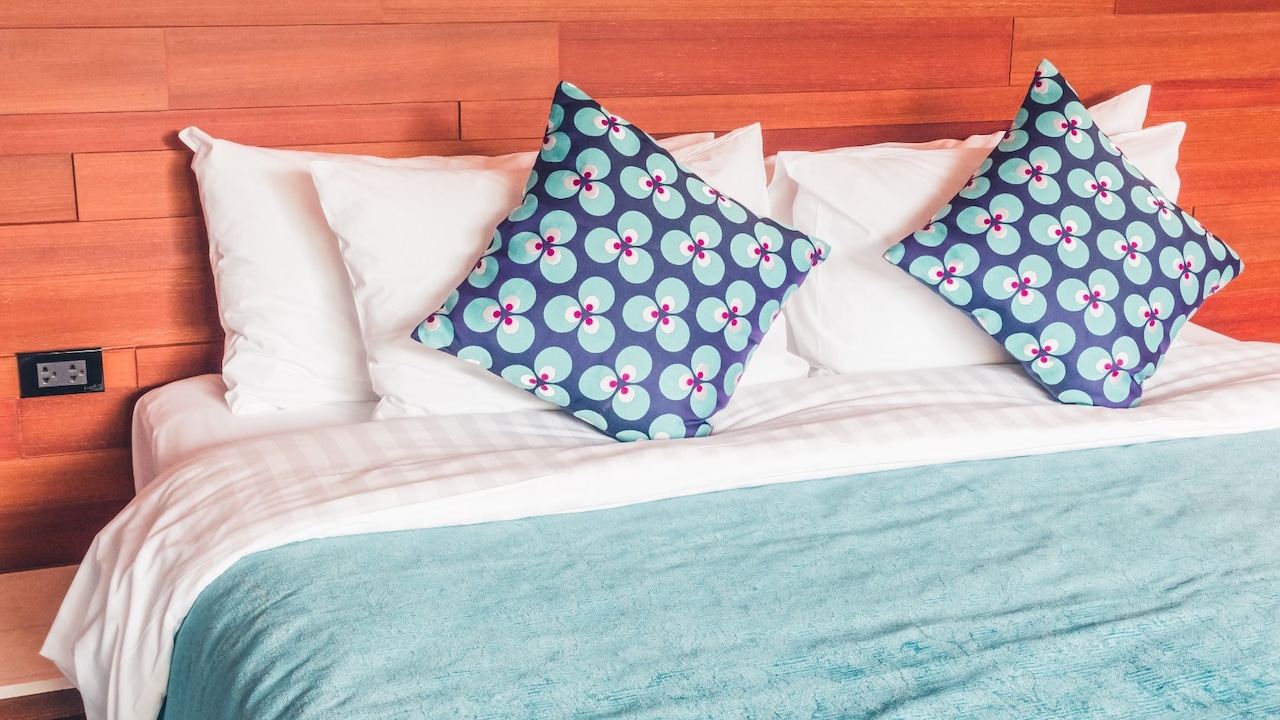
Flat vs Fitted Sheets: Which Is Better For Your Mattress And Sleep?; Photo Credit: Pexels
5. Climate and Seasons: Bedding Choices for Changing Weather
Weather plays a huge role in bedding comfort. Hot, humid nights demand breathable fabrics and loose layers. Flat sheets excel here. They allow airflow and feel light against the skin.
During cooler months, fitted sheets provide a snug base. Paired with blankets or quilts, they trap warmth effectively. The tight fit prevents cold air pockets from forming under the body.
Seasonal flexibility matters. Flat sheets adapt easily across seasons. They serve as light covers in summer and extra layers in winter. Fitted sheets focus more on foundation comfort.
In regions where temperatures swing dramatically, combining both often works best. A fitted sheet below for stability and a flat sheet above for adjustable comfort creates a balanced sleep environment.
6. Hygiene and Maintenance: Keeping Bedding Fresh and Clean
Clean bedding supports healthy sleep. Flat sheets act as protective layers. They shield blankets and duvets from sweat and dust, reducing washing frequency for heavier items.
Fitted sheets take the brunt of nightly use. They absorb body oils, sweat, and dust directly from the sleeper. Regular washing keeps them fresh and hygienic.
Washing routines differ slightly. Flat sheets wash and dry easily. Fitted sheets need careful handling to maintain elasticity. Overstretching or high heat reduces their lifespan.
Cost also plays a role. Replacing a flat sheet often costs less than replacing a high-quality fitted sheet. However, fitted sheets protect mattresses better, reducing long-term cleaning efforts.
Good hygiene comes from consistent care. Both sheet types support cleanliness when maintained properly.
7. Durability and Longevity: Which Sheet Lasts Longer
Durability often surprises buyers. Flat sheets, with no elastic, tend to last longer. Their simple structure resists wear and tear. Even after years, they remain usable.
Fitted sheets face more stress. Elastic corners stretch nightly and weaken over time. Frequent washing accelerates this process. Once elasticity fades, the sheet loses its grip.
Fabric quality influences lifespan. High-thread-count cotton flat sheets age gracefully. Stretch blends in fitted sheets balance comfort and durability.
Budget-conscious shoppers often prefer flat sheets for longevity. Those prioritising convenience accept replacing fitted sheets more frequently.
Understanding this trade-off helps set realistic expectations. Quality matters more than price alone.
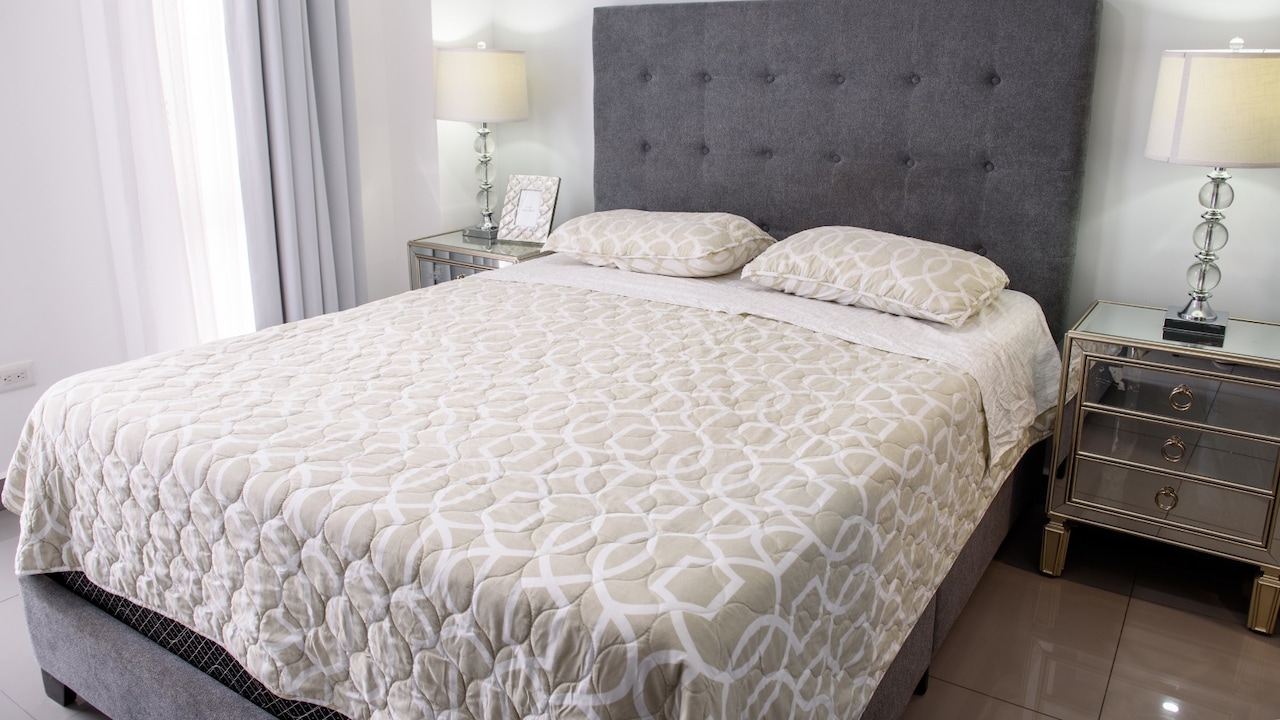
Flat vs Fitted Sheets: Which Is Better For Your Mattress And Sleep?; Photo Credit: Pexels
8. Aesthetic Appeal: Creating a Bedroom That Feels Right
A well-made bed changes the mood of a room. Flat sheets offer visual elegance. Crisp folds and layered textures create a classic look, often seen in luxury settings.
Fitted sheets keep things minimal. Their clean finish suits modern interiors. No visible tucks, no excess fabric. Just a smooth base ready for pillows and throws.
Colour coordination matters too. Flat sheets allow creative layering with contrasting blankets. Fitted sheets usually stay hidden, making colour less critical.
Personal style guides this choice. Traditional décor pairs well with flat sheets. Contemporary spaces often favour fitted sheets for simplicity.
Both styles elevate bedrooms when chosen thoughtfully.
9. Cost and Value: Getting the Most for the Budget
Bedding costs vary widely. Flat sheets often come cheaper, especially in cotton sets. A good-quality flat sheet may cost around ₹600 to ₹1,200, depending on the fabric.
Fitted sheets usually cost more due to elastic construction and specialised sizing. Prices often range from ₹800 to ₹1,800.
Value depends on usage. Flat sheets offer versatility and durability. Fitted sheets deliver daily convenience and mattress protection.
Households often invest in both to balance cost and comfort. A fitted sheet for nightly use and a flat sheet for layering offers flexibility without overspending.
Smart shopping focuses on fabric quality rather than just price tags.
10. Lifestyle and Personal Habits: Choosing What Truly Fits
Daily routines shape bedding preferences more than trends. Busy mornings favour fitted sheets. Leisurely routines allow time for neatly tucked flat sheets.
Children's beds benefit from fitted sheets. They stay put despite movement. Guest beds often look better with flat sheets for a polished appearance.
Storage space also matters. Flat sheets fold compactly. Fitted sheets take up more space due to elastic bulk.
Personal comfort habits decide the winner. Some enjoy freedom under flat sheets. Others sleep better knowing the bed stays perfectly in place.
Understanding lifestyle needs leads to smarter choices.
Products Related To This Article
1. KLOTTHE Blue Printd Polycotton 300 TC Fitted King Bedsheet with 2 Pillow Covers
2. Sangria White Leaf Cotton 180 TC King Fine Bedsheet with 2 Pillow Covers
3. MYTRIDENT Green Ethnic Motifs Pure Cotton 210 TC Fitted King Fine Bedsheet with 2 Pillow Covers
4. Signature Multicoloured & Coral 144 TC King Bedsheet with 2 Pillow Covers
5. Raymond Home Lush Petal Beige Printed Microfiber 110 TC Queen Bedsheet Set
6. Haus & Kinder Premium Green Floral Cotton 186 TC Queen Fine Bedsheet with 2 Pillow Covers
7. URBAN SPACE Serene White Floral Cotton Skin-Friendly 200 TC King Fine Bedsheet with 2 Pillow Covers
Flat sheets and fitted sheets each bring unique benefits to the bedroom. One offers flexibility, tradition, and longevity. The other promises convenience, stability, and modern comfort. Neither option claims universal superiority.
Better sleep begins with understanding personal needs. Mattress type, climate, daily routines, and comfort preferences all play vital roles. Many households find balance by using both fitted sheets below for grip and flat sheets above for versatility.
The right bedding choice transforms sleep from routine to restful. With thoughtful selection, every night feels a little more inviting, and every morning starts on a softer note.
(Disclaimer: This article may include references to or features of products and services made available through affiliate marketing campaigns. NDTV Convergence Limited (“NDTV”) strives to maintain editorial independence while participating in such campaigns. NDTV does not assume responsibility for the performance or claims of any featured products or services.)






![Steam Iron Teflon Shoe Cover for ES-300,ST-96 [Only For ES-300 and ST-96 Model Electric Steam Irons]](https://m.media-amazon.com/images/I/51wwkttondL._SL160_.jpg)