Steel vs Insulated vs Glass Casseroles: Which Keeps Food Hot the Longest?
Steel, insulated and glass casseroles all claim to keep food warm. This article breaks down which material actually retains heat the longest and what works best for everyday meals.
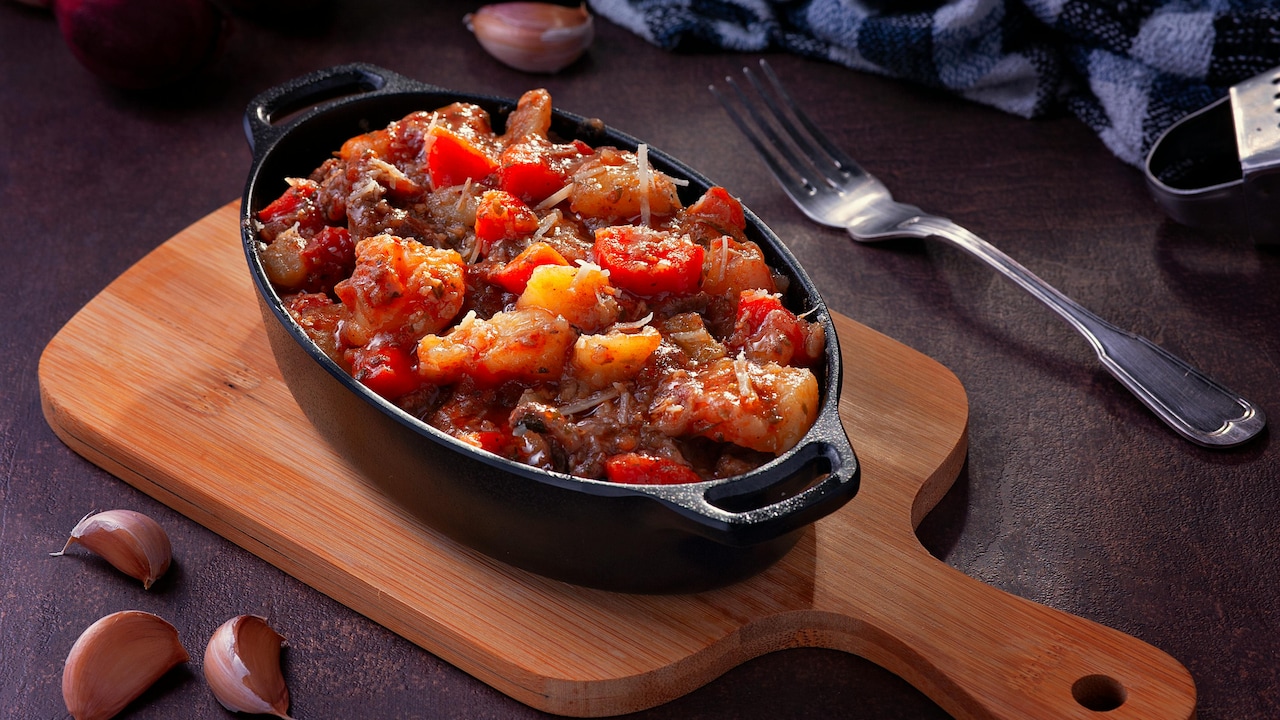
Steel, Insulated Or Glass: Which Casserole Keeps Food Hot The Longest? Find Out Now.
Every home knows the moment. The rice is ready, the dal smells perfect, the sabzi looks just right. Then comes the wait. A late family member, a delayed video call, or one extra round of tea. By the time everyone gathers, the food has lost its magic. Warmth matters. It shapes taste, texture and mood.
That is where casseroles step in. These humble containers do far more than hold food. They protect flavours, preserve warmth and quietly support daily routines. Yet not all casseroles perform the same. Some keep food hot for hours, while others surrender quickly to room temperature.
Steel casseroles dominate many kitchens. Insulated casseroles promise modern efficiency. Glass casseroles bring elegance to the table. Each claims its own strength. But which one truly keeps food hot the longest?
The answer depends on science, structure and lifestyle. This article explores all three, using relatable kitchen moments and practical insights to help choose wisely.
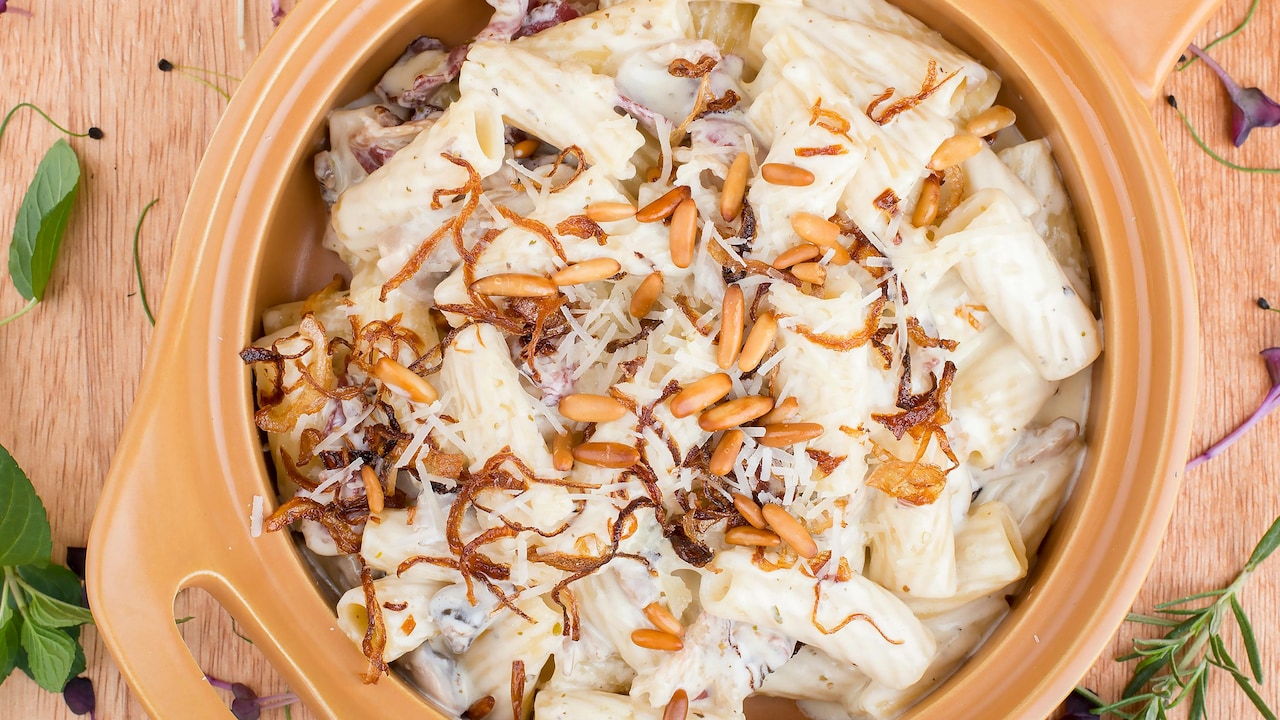
Steel, Insulated Or Glass: Which Casserole Keeps Food Hot The Longest?
Photo Credit: Pexels
Key Factors That Influence Heat Retention In Casseroles
1. Understanding Heat Retention: The Science Behind Warm Meals
Heat retention depends on how slowly warmth escapes from food into the surrounding air. Three factors shape this process: material, insulation and lid design. Materials with low thermal conductivity slow heat loss. Insulation traps warm air, creating a barrier. Tight lids prevent steam from escaping, which otherwise cools food rapidly.
Steel conducts heat quickly. That helps during cooking but works against long-term warmth. Glass conducts heat more slowly than steel, but still loses warmth steadily. Insulated casseroles combine layers, often steel or plastic with air or foam insulation, which dramatically slows heat loss.
Another factor often overlooked is surface area. Wide, shallow casseroles lose heat faster than deep ones. Opening the lid repeatedly also releases trapped heat. Even the surrounding environment matters. A cool winter evening pulls heat faster than a humid summer afternoon.
Understanding these basics makes it easier to judge which casserole suits daily needs. It also explains why marketing claims sometimes disappoint once the casserole reaches a real dining table.
2. Steel Casseroles: Reliable, Familiar, But Limited
Steel casseroles feel like old friends. They sit quietly in cupboards, survive drops, and handle rough daily use. Many homes rely on them for curries, rice and rotis. Steel heats up fast and spreads warmth evenly, which helps when transferring food straight from the stove to the table.
However, steel also releases heat quickly. Without insulation, warmth escapes into the air at a steady pace. Within 30 to 45 minutes, food often shifts from hot to merely warm. In colder months, this happens even faster.
Some steel casseroles come with double walls, but many lack proper insulation. Lids may fit loosely, allowing steam to escape. That steam carries heat with it, cooling food faster than expected.
Steel works best for short gaps between cooking and serving. It suits households where meals move quickly from the kitchen to the plate. For long waits, steel struggles to hold its ground.
Durability and affordability still make steel attractive. Prices often range from ₹600 to ₹2,000, depending on size and brand. For daily use with minimal waiting, steel remains dependable, but not exceptional.
3. Insulated Casseroles: Built for Long Waits
Insulated casseroles enter with confidence. They promise hours of warmth, and often deliver. These casseroles use multiple layers, usually an inner steel or food-grade plastic layer, surrounded by insulation that traps air. Air acts as a powerful barrier against heat loss.
When food enters an insulated casserole piping hot, it stays warm for three to six hours, sometimes longer. Rice remains fluffy. Gravies stay comforting. Even rotis retain softness if wrapped properly.
The lid plays a huge role here. Most insulated casseroles use tight-lock lids with silicone rings. This design reduces steam escape and seals warmth inside. The result feels almost magical during long family gatherings or buffet-style meals.
However, insulated casseroles come with trade-offs. They feel bulkier. Some designs look less elegant on the table. Cleaning may require extra care, especially if food spills into lid grooves.
Prices vary widely, often starting around ₹1,500 and climbing to ₹4,000 for premium designs. For homes that value flexibility and warmth over aesthetics, insulated casseroles clearly lead the race.
4. Glass Casseroles: Style Over Staying Power
Glass casseroles bring charm to the dining table. Transparent walls showcase colourful dishes, adding visual appeal. Many hosts love the way glass elevates simple meals into something special.
Glass conducts heat more slowly than steel, which helps initially. Food cools more gradually during the first few minutes. However, glass lacks insulation. Once warmth starts escaping, there is little to stop it. Within an hour, food often loses its comforting heat.
Lids also influence performance. Glass casseroles usually come with glass or plastic lids. These lids rarely seal tightly. Steam escapes easily, accelerating heat loss.
Glass casseroles suit short serving windows. They work well for oven-to-table dishes, baked items, or meals served immediately. They also perform better in warm climates where ambient temperatures slow cooling.
Fragility presents another concern. Glass chips, cracks and breaks if mishandled. Storage needs care. Prices usually range from ₹800 to ₹3,000, depending on thickness and brand.
For warmth alone, glass struggles. For presentation and convenience, it shines.
5. Lid Design: The Unsung Hero of Heat Retention
Many focus on the body material but ignore the lid. That often leads to disappointment. A casserole without a proper lid loses heat rapidly, regardless of material.
Insulated casseroles usually win here. Silicone rings, locking mechanisms, and snug fits prevent steam escape. Steam holds heat. Keeping it inside matters.
Steel casseroles often come with simple steel lids. Some fit well, others rattle loosely. A loose lid allows heat to escape every minute.
Glass lids look elegant but rarely seal tightly. Plastic lids improve sealing but still lack the grip of insulated designs.
A simple test reveals lid quality. Close the lid and gently tilt the casserole. If the lid shifts easily, heat will escape just as easily.
Choosing a casserole with a well-designed lid often improves heat retention more than upgrading the material alone.
Also Read: Best Insulated Casseroles That Actually Keep Food Hot Till Everyone Reaches the Table
6. Real-Life Scenarios: From Lunch Boxes to Festive Feasts
Heat retention matters most in real situations. Morning lunches packed early need warmth by noon. Weekend brunches stretch lazily over hours. Festival meals involve long delays and repeated serving.
Steel casseroles suit quick lunches and dinners served on time. They work well when food moves fast.
Glass casseroles shine during formal dinners where presentation matters and serving happens immediately. Baked dishes and desserts also feel at home in glass.
Insulated casseroles handle everything else. Long meetings, late guests, buffet setups and large gatherings all benefit from insulation. Food stays inviting even after hours.
In homes where routines vary daily, insulated casseroles offer peace of mind. No one rushes to serve. No one reheats repeatedly. Food waits patiently.
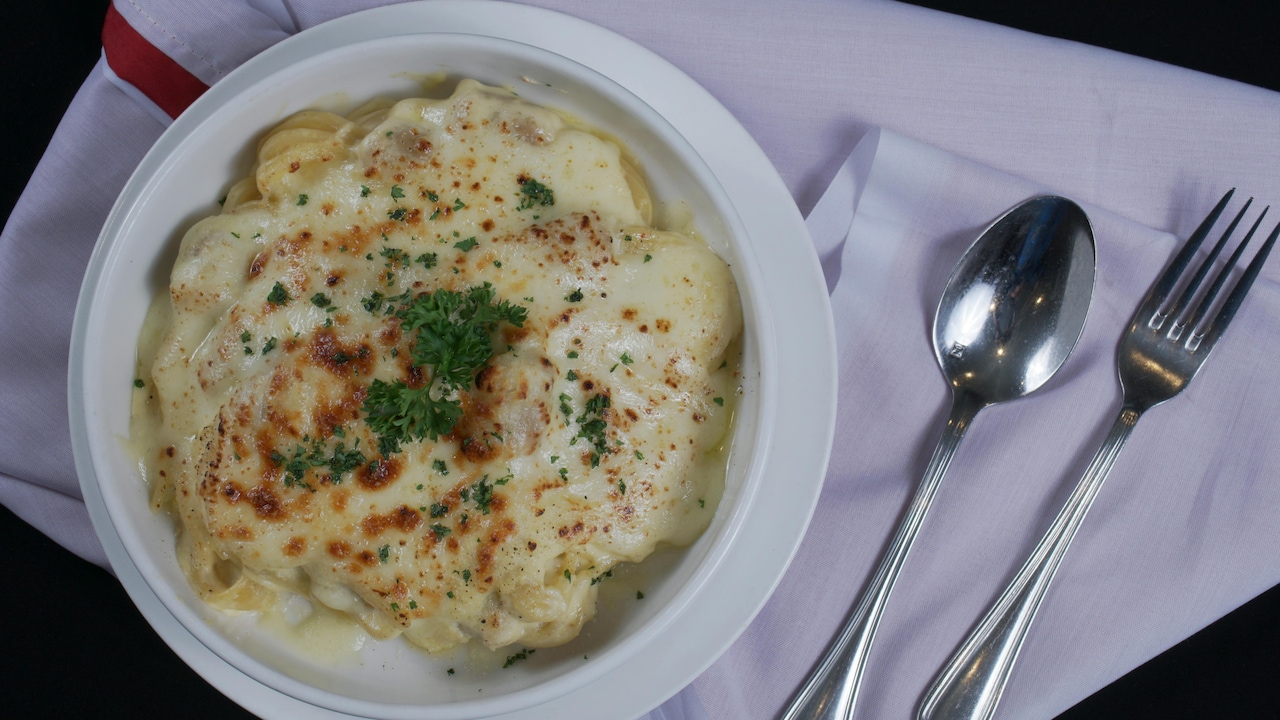
Steel, Insulated Or Glass: Which Casserole Keeps Food Hot The Longest?
Photo Credit: Unsplash
7. Taste, Texture and Temperature: Why Warmth Changes Everything
Temperature affects taste more than expected. Warm food releases aromas better. Spices bloom. Textures feel softer and more comforting.
Rice turns dry when cooled. Rotis stiffen. Gravies thicken unpleasantly. Reheating fixes some issues but often alters the flavour.
Casseroles that retain heat protect both taste and texture. Insulated casseroles excel here. Steel performs moderately. Glass falls behind during long waits.
Repeated reheating also consumes energy and time. A casserole that keeps food warm reduces these interruptions, making meals smoother and more enjoyable.
8. Maintenance and Longevity: Daily Practicality Matters
A casserole should fit daily life, not complicate it. Steel wins for toughness. It handles rough use, scrubbing and stacking.
Insulated casseroles need gentle care. Harsh scrubbing damages insulation. Lids require careful cleaning to prevent odour build-up.
Glass demands caution. One slip can end its journey. However, glass resists stains and odours well, making cleaning easy.
Longevity depends on habits. Careful users enjoy insulated and glass casseroles for years. Busy kitchens may prefer steel's resilience.
9. Cost Versus Performance: Value Over Price Tags
Price alone does not decide value. A ₹3,000 insulated casserole that replaces constant reheating may save time and effort daily. A ₹1,000 steel casserole may suffice for quick meals.
Glass sits in between. It offers visual value more than thermal performance.
The best choice balances budget, routine and expectations. Households with unpredictable schedules gain more from insulation. Those with fixed meal times may not need it.
10. The Final Verdict: Which Casserole Keeps Food Hot The Longest?
Insulated casseroles win the heat retention contest clearly. Their layered design, tight lids and air insulation outperform steel and glass by hours.
Steel comes second. Reliable, sturdy and affordable, but limited in long-term warmth.
Glass finishes last for heat retention, though it scores high on style and serving appeal.
Each casserole serves a purpose. The best choice depends on how long the food needs to wait before the plates fill up.
Steel, Insulated Or Glass: Which Casserole Keeps Food Hot The Longest?
Photo Credit: Unsplash
Products Related To This Article
1. Nayasa Ambrosia Deluxe Brown Inner Stainless Steel Insulated Casserole
2. Servewell Beige 2024 Melamine 2 Pieces Smooth Surface Thermal Insulated Casserole
3. Nayasa Bethany Set Of 3 Small White Insulated Inner Stainless Steel Casserole
4. FNS Silver-Toned Dishwasher Safe Thermal Insulated Casserole
5. SELVEL Green Stainless Steel 3 Pieces Easy to Clean Thermal Insulated Casserole
6. JAYPEE PLUS Jaypee Plus E warmer Beige Set of 2 Steel Removable Containers Electric Casserole Set
7. 4square Cream-Coloured 2025 Wood 1 Piece Easy to Clean Thermal Insulated Casserole
Warm food brings comfort, connection and satisfaction. A good casserole protects that warmth, quietly supporting daily life and special moments alike.
Steel casseroles remain loyal companions for quick meals. Glass casseroles charm during elegant servings. Insulated casseroles stand tall when time stretches and patience runs thin.
For those who value flexibility, insulated casseroles keep food hot the longest, without compromise. For others, steel or glass may still fit perfectly.
Choosing wisely ensures every meal arrives just as intended. Hot, flavourful and ready to be enjoyed.
(Disclaimer: This article may include references to or features of products and services made available through affiliate marketing campaigns. NDTV Convergence Limited (“NDTV”) strives to maintain editorial independence while participating in such campaigns. NDTV does not assume responsibility for the performance or claims of any featured products or services.)











![Steam Iron Teflon Shoe Cover for ES-300,ST-96 [Only For ES-300 and ST-96 Model Electric Steam Irons]](https://m.media-amazon.com/images/I/51wwkttondL._SL160_.jpg)