Manual vs Motorised Recliners For Small Homes: Which One Is Right For You?
Manual or motorised recliners, what really works in small homes? This guide compares space, comfort, cost and daily practicality to help choose a recliner that fits modern compact living.
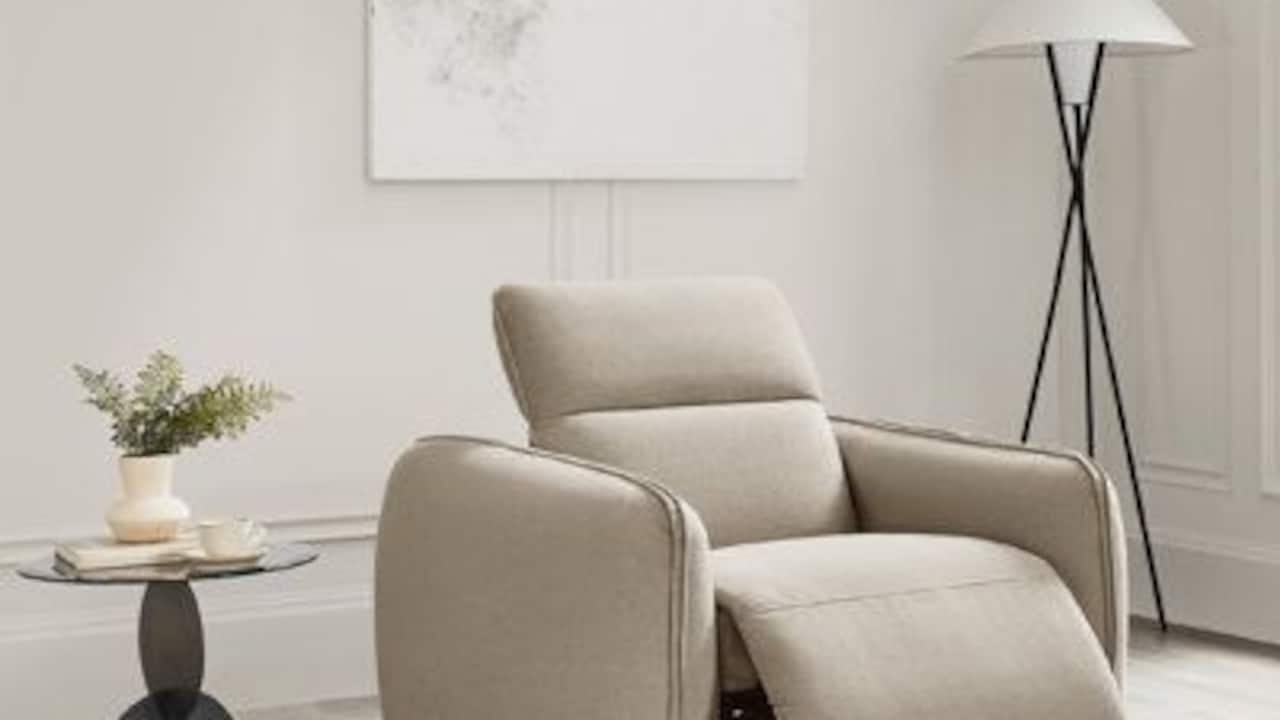
Manual Vs Motorised Recliners: What Suits Small Homes Better? Find Out Now.
Homes today tell a new story. Living rooms have shrunk, balconies have turned cosy, and furniture now needs to multitask like a seasoned household member. In such spaces, a recliner feels like a luxury that must earn its place. The big question often comes down to manual versus motorised recliners. So, if you have a small home, we explain which is the right one for you?
Both styles promise comfort after a long commute, a marathon cricket match, or a quiet evening with family. Yet small homes demand more than comfort. They need flexibility, sensible pricing, and furniture that blends into everyday life without fuss. A bulky chair that blocks movement or needs constant charging soon becomes more trouble than joy.
This article explores the real-life differences between manual and motorised recliners through 10 practical lenses. The goal? Finding a recliner that feels just right for you and not a hurdle.
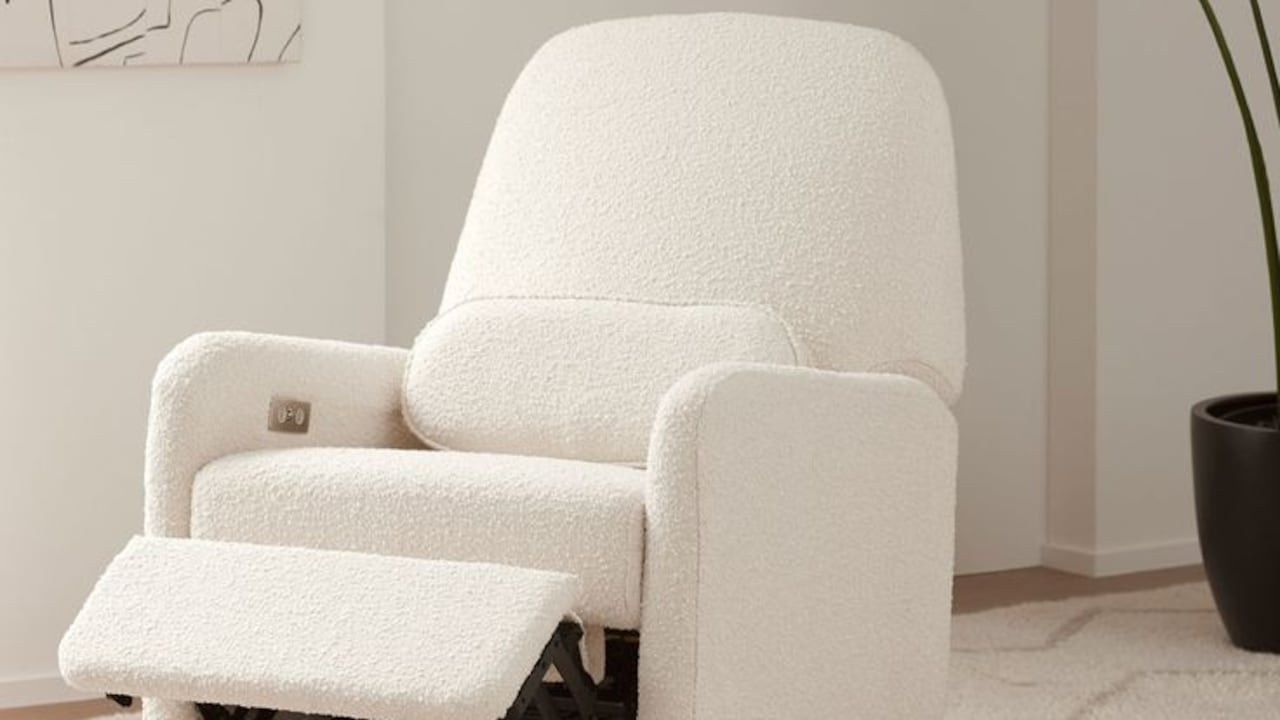
Manual Vs Motorised Recliners: What Suits Small Homes Better; Photo Credit: Pexels
What Really Matters When Picking a Recliner for a Compact Home
1. Space Efficiency: Every Inch Matters
Small homes treat space like gold. A recliner that sprawls too far can disrupt the room's flow. Manual recliners often win here. They usually feature compact frames and need less clearance at the back. A gentle push and the chair reclines without demanding extra room.
Motorised recliners, on the other hand, tend to carry added bulk. Motors, wiring, and reinforced frames increase size. Many models require wall clearance to avoid damage during reclining. In a snug living room, that gap can feel like wasted space.
Picture a sofa set, a centre table, and a recliner sharing one room. A manual recliner slides in neatly. A motorised one may force rearrangement. Some modern motorised designs claim “zero wall” features, yet they still need planning.
For homes where walking space feels tight during festivals or gatherings, manual recliners offer flexibility. They adapt rather than dominate. When space stays limited, simpler designs often make the smartest sense.
2. Ease of Use: Push Versus Power
Ease of use shapes daily comfort. Manual recliners rely on body movement. A slight push back, a lever pull, and relaxation begins. Many enjoy this hands-on feel. It feels intuitive, almost like stretching after a long day.
Motorised recliners bring button-controlled luxury. A tap adjusts the footrest, another tilts the back. This suits those who prefer smooth transitions without effort. Elder family members often appreciate this feature.
However, ease also depends on reliability. Manual mechanisms rarely fail. They work even during sudden power cuts, which remain part of everyday life. Motorised recliners depend entirely on electricity. Some include battery backups, yet those add cost and maintenance.
In compact homes, simplicity often equals ease. Manual recliners respond instantly without cords or switches. Motorised ones impress, yet they suit households ready to manage cables, sockets, and occasional resets.
Also Read: Top 10 Recliners On Amazon From Duroflex, Sleepyhead, Taylor To KosmoCare; 8 Reasons To Buy
3. Budget Considerations: Comfort Within Reach
Furniture budgets balance dreams and reality. Manual recliners generally cost less. Good-quality options start around ₹15,000 to ₹25,000. They deliver comfort without stretching finances.
Motorised recliners enter a higher bracket. Prices often begin near ₹35,000 and climb quickly based on features. USB ports, memory settings, and premium upholstery add to the bill.
For small homes, budget planning matters. Spending more on one chair may limit spending on storage or décor. Manual recliners free up funds for essentials like side tables or lamps.
Maintenance also affects long-term costs. Manual recliners need minimal care. Occasional tightening keeps them steady. Motorised recliners may require servicing if motors or switches act up.
When value drives decisions, manual recliners offer dependable comfort without financial stress. Motorised recliners suit those comfortable investing more for added convenience.
4. Maintenance and Durability in Daily Life
Daily life leaves marks. Tea spills, dust, and curious pets test furniture strength. Manual recliners handle such challenges well. Their mechanical parts remain simple and sturdy. Repairs, when needed, stay affordable.
Motorised recliners introduce complexity. Motors dislike dust and moisture. Power fluctuations can affect internal wiring. Repairs often require specialised technicians, which increases downtime and cost.
In small homes, furniture is used constantly. Recliners double as reading chairs, nap spots, and sometimes work-from-home thrones. Durability becomes crucial.
Manual recliners thrive under frequent use. Their straightforward design withstands repeated movement. Motorised recliners perform well too, yet they demand careful handling.
Households seeking low-maintenance comfort often lean towards manual options. Those who enjoy gadgets and manage upkeep carefully may enjoy motorised recliners despite the extra care.
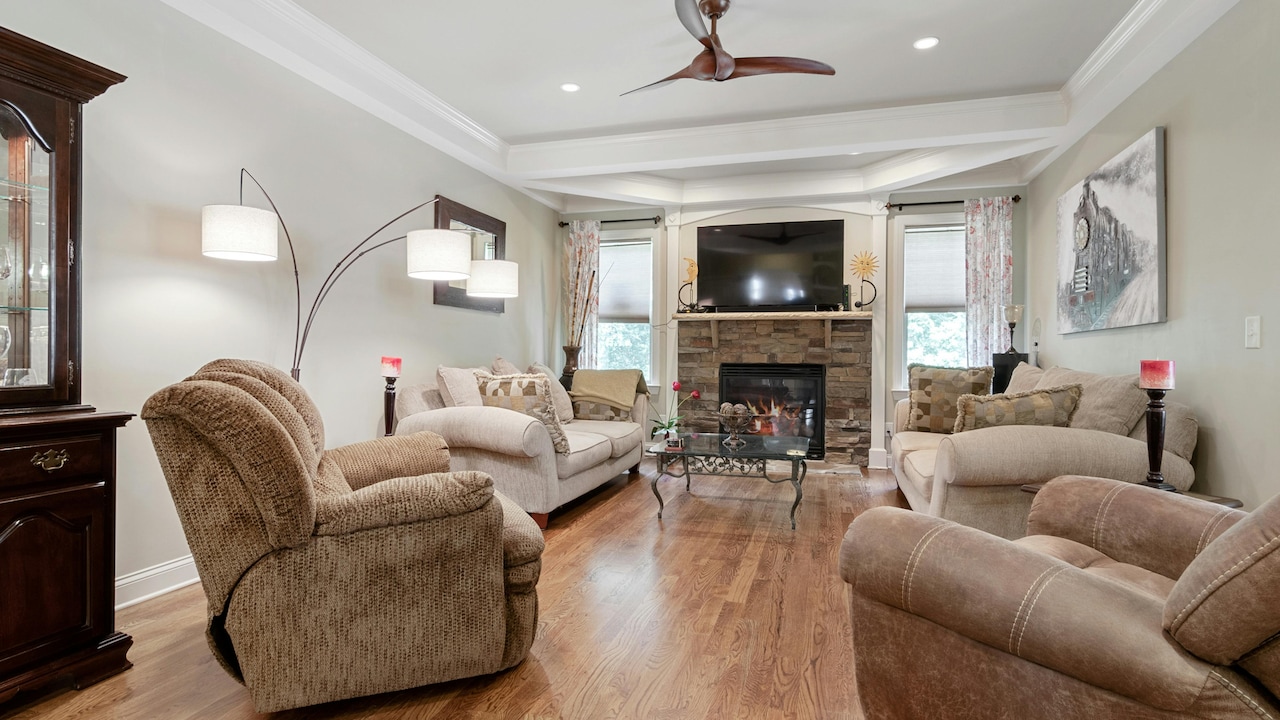
Manual Vs Motorised Recliners: What Suits Small Homes Better; Photo Credit: Pexels
5. Noise Levels: Quiet Comfort Counts
Noise rarely tops buying checklists, yet it matters. Manual recliners operate silently. A gentle shift and the chair reclines. Late-night relaxation never disturbs sleeping family members.
Motorised recliners produce a soft hum. High-quality models keep noise low, but cheaper ones can sound mechanical. In quiet homes, especially during nighttime TV sessions, this sound becomes noticeable.
Small homes amplify noise. Walls stay closed, and rooms share sound easily. A humming recliner during a tense movie scene can break immersion.
For households valuing quiet moments, manual recliners fit naturally. Motorised recliners suit homes where ambient noise already exists, such as ceiling fans or open windows.
Silence often equals comfort. In compact spaces, quieter furniture blends better with everyday living rhythms.
6. Design and Aesthetic Appeal
Furniture shapes a room's personality. Manual recliners often feature classic designs. Clean lines and neutral tones help them blend seamlessly with sofas and décor.
Motorised recliners lean towards modern styles. Chunkier builds and visible controls give them a tech-forward look. Some love this contemporary appeal, while others find it overpowering in small rooms.
Compact homes benefit from visual lightness. A bulky recliner can dominate the room, making it feel cramped. Manual recliners usually appear lighter and less imposing.
Upholstery choices also matter. Fabric recliners suit warmer climates and casual spaces. Leatherette options add elegance but may feel heavy visually.
Design harmony matters more in small homes. A recliner should complement, not compete. Manual recliners often strike that balance with ease.
7. Flexibility and Placement Options
Flexibility defines comfort in tight spaces. Manual recliners move easily. Many models weigh less and lack cords, allowing quick repositioning. This helps during cleaning or festive rearrangements.
Motorised recliners stay tethered to power points. Placement depends on socket availability. Extension cords clutter floors and disrupt aesthetics.
Small homes often change layouts. A recliner may shift from living room to bedroom during guests' visits. Manual recliners adapt without fuss.
Portability also matters for renters. Manual recliners travel easily during moves. Motorised ones require careful packing and power checks.
When flexibility ranks high, manual recliners shine. Motorised recliners suit stable layouts with dedicated spaces.
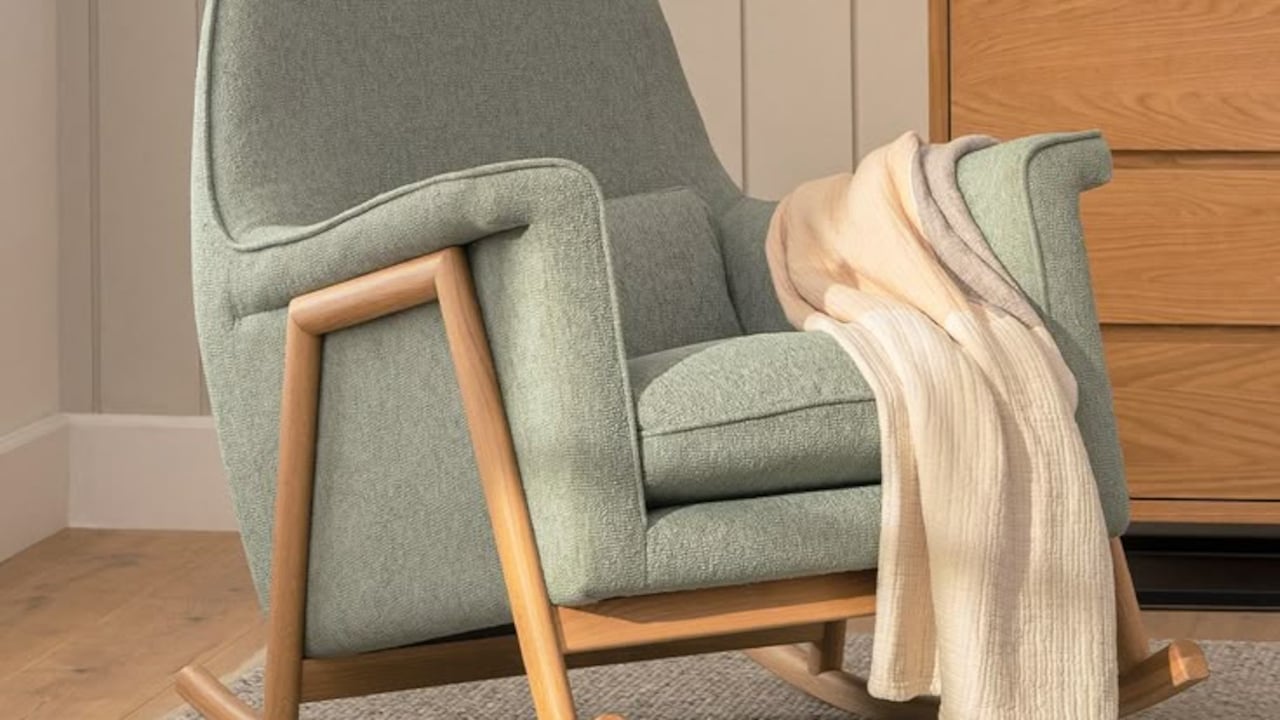
Manual Vs Motorised Recliners: What Suits Small Homes Better; Photo Credit: Pexels
8. Comfort and Ergonomic Support
Comfort remains the heart of any recliner. Manual recliners provide firm support with adjustable angles based on body movement. Many users enjoy finding the perfect position naturally.
Motorised recliners offer precision. Incremental adjustments help achieve customised comfort. Some models include lumbar support and headrest control.
For long hours of sitting, ergonomic support matters. Both types can deliver this when chosen wisely. Cushion quality and frame design play larger roles than mechanism type.
In small homes, recliners often serve multiple roles. Reading, watching TV, or quick naps demand adaptable comfort. Manual recliners respond quickly without setup.
Motorised recliners appeal to those who prefer fine-tuned settings. Manual recliners satisfy those who enjoy simple, responsive comfort.
9. Power Dependency and Everyday Realities
Power cuts still visit homes without warning. Manual recliners remain unaffected. Comfort continues uninterrupted.
Motorised recliners pause during outages. Some include battery backups, yet those require charging and replacement. Without backup, the recliner may stay stuck in one position.
Daily routines benefit from reliability. Manual recliners never depend on switches or remotes. They function anytime.
Small homes often juggle multiple appliances on limited sockets. Adding another power-hungry device complicates matters.
When reliability matters most, manual recliners stand strong. Motorised recliners suit homes with stable power and organised wiring.
10. Lifestyle Fit: Matching Habits and Needs
Furniture should suit lifestyle, not the other way around. Manual recliners align with relaxed, fuss-free living. They suit families who value simplicity and adaptability.
Motorised recliners cater to comfort enthusiasts who enjoy technology. They fit homes where relaxation takes centre stage and power access stays easy.
Small homes demand thoughtful choices. Every piece must justify its presence. Manual recliners often blend into daily life without demanding attention.
Motorised recliners feel luxurious yet require commitment. They reward careful planning and maintenance.
Understanding habits helps decide. Evening tea, shared TV time, or quiet reading all influence the right choice.
Products Related To This Article
1. Amazon Brand - Solimo Musca 1 Seater Fabric Recliner
2. The Sleep Company Luxe Motorised Recliner Sofa
3. Green Soul Comfy
4. Sleepyhead RX5 - Single Seater Leatherette Manual Recliner with Durable Spring Support
5. Duroflex Avalon RRR - Single Seater Premium Fabric Recliner
6. Amazon Brand - Solimo Ranttila Manual 2 Seater Leatherette Recliner
7. Phoenix Recliner Chair
Choosing between manual and motorised recliners for small homes boils down to priorities. Manual recliners offer simplicity, affordability, and adaptability. They thrive in compact spaces and everyday realities. Motorised recliners deliver refined comfort and modern appeal. They suit homes ready to accommodate power needs and higher budgets. In small homes, furniture must feel like a friend, not a challenge.
The right choice balances comfort, space, and lifestyle. When these align, even the smallest home can offer the biggest comfort at the end of the day.
(Disclaimer: This article may include references to or features of products and services made available through affiliate marketing campaigns. NDTV Convergence Limited (“NDTV”) strives to maintain editorial independence while participating in such campaigns. NDTV does not assume responsibility for the performance or claims of any featured products or services.)








![Steam Iron Teflon Shoe Cover for ES-300,ST-96 [Only For ES-300 and ST-96 Model Electric Steam Irons]](https://m.media-amazon.com/images/I/51wwkttondL._SL160_.jpg)