Ottoman Height and Shape Guide: How to Improve Comfort and Posture at Home
An ottoman might look like a simple footstool, but its height and shape can be the secret ingredient to better comfort. From plush living rooms to compact flats, the humble ottoman is quietly redefining the way we relax at home.
The Ergonomics Of Ottoman Height And Shape: Optimising Comfort And Posture.
The home is not just a roof and four walls; it is a sanctuary where small details often make the biggest difference. Think about the familiar moment after a long day: stepping into the living room, slipping off the shoes, and sinking into the favourite chair. Now imagine resting the feet on a comfy ottoman that feels “just right”, not too tall, not too flat, but perfectly tuned to the body's needs.
That tiny moment of comfort is more than a luxury. It is ergonomics at play. Height and shape influence posture, circulation, and even mood. Too high, and the knees feel awkwardly bent. Too low, and the lower back strains. A well-designed ottoman becomes more than décor, it becomes a silent companion in relaxation.
The following sections unpack the science, style, and everyday wisdom behind Ottoman ergonomics, offering relatable insights and a few nuggets of humour along the way. Here is all you need to know about Ottoman height and shape.
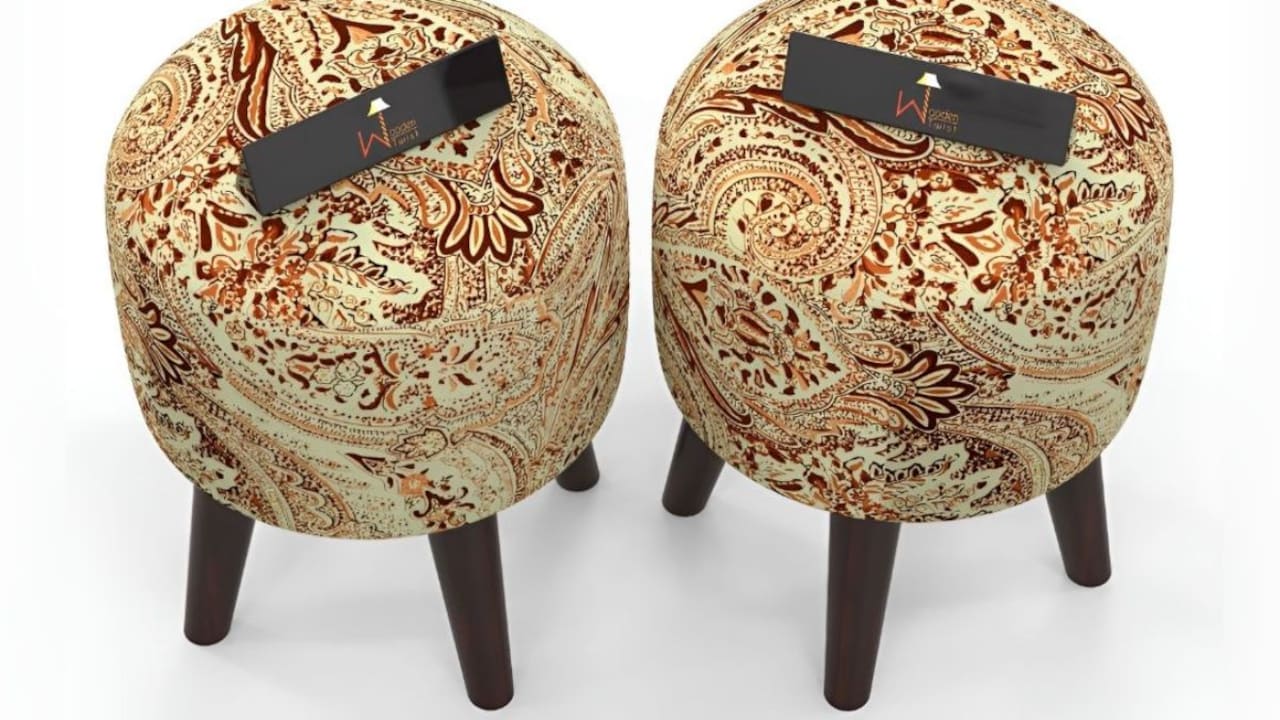
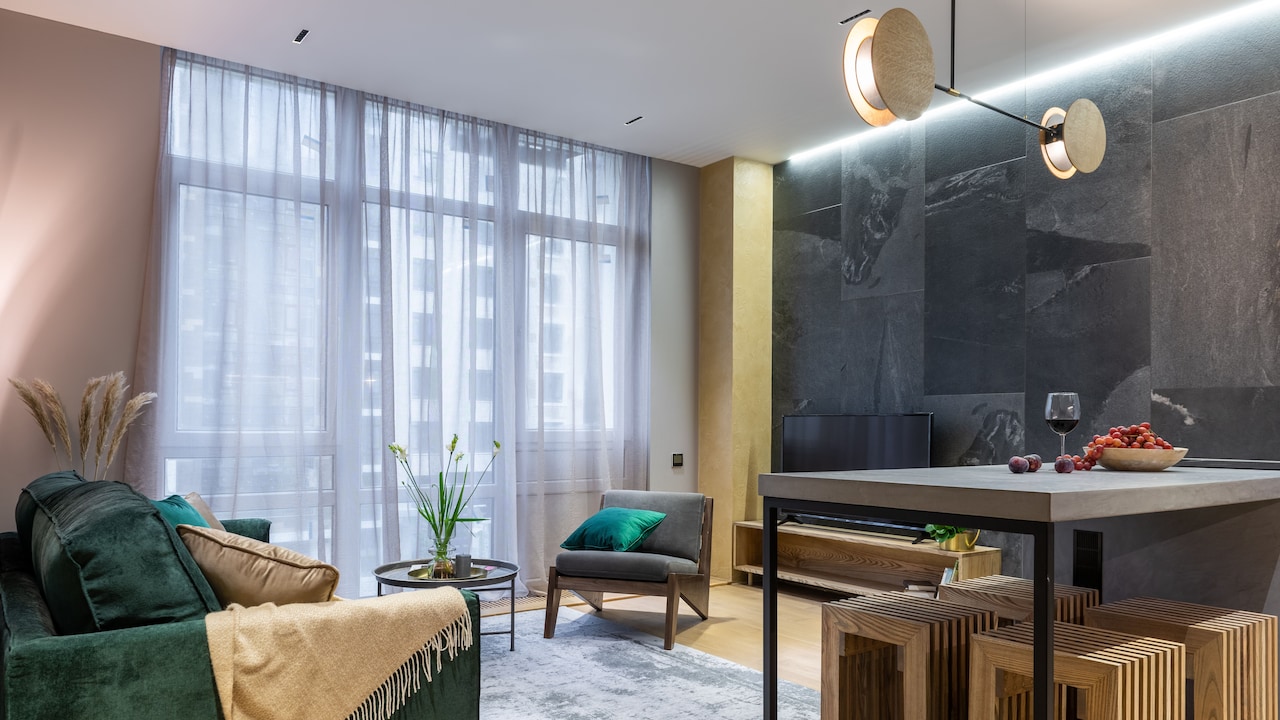
Selecting the right Ottoman height and shape promotes comfort and healthy posture - ideally, choose models just below seat level to support relaxed legs at home; Photo Credit: Myntra
Also Read: More Than Just A Footrest: 8 Creative Ways To Use An Ottoman In Your Home
How Height and Shape Influence The Ergonomics Of Ottoman
1. The Unsung Hero of Living Rooms
In the furniture hierarchy, sofas and beds usually grab the spotlight. Yet, the ottoman quietly does its job, often underestimated. A versatile piece, it serves as a footrest, extra seat, storage box, or even a coffee table when balanced with a tray. What many don't realise is that it can also be a tool for posture correction.
When positioned at the right height, the ottoman supports legs, improves blood flow, and reduces swelling, especially after long hours of standing or sitting. This is particularly relevant in cities where people spend hours commuting or working at desks. Unlike flashy statement chairs, ottomans embody practicality blended with comfort. Their real power lies not in grandeur, but in the subtle way they make daily life a little easier.
2. Why Height Matters More Than You Think
The right ottoman height is like the right-sized pillow, it makes or breaks the experience. Ideally, the ottoman should align with the sofa's seat level, allowing legs to extend naturally. Too tall, and it forces knees upward, straining thighs. Too short, and feet droop down, pulling the spine into discomfort.
Think of it as finding the perfect cup of chai: too much sugar and it overwhelms, too little and it feels bland. Balance is everything. In ergonomic terms, this balance prevents awkward angles that lead to stiffness. For those dealing with varicose veins or swollen ankles, keeping legs elevated slightly above heart level (on a taller ottoman with cushions) can improve circulation.
Thus, height is not just a design choice; it is a health choice, gently shaping how bodies recover at home.
3. The Shape Factor: Round, Square, or Rectangle?
Shapes influence more than aesthetics, they determine comfort and usability. Round ottomans, with their soft edges, suit relaxed lounging and work beautifully in homes with children, where safety is a concern. Square and rectangular ottomans, on the other hand, provide a flat, steady surface for trays, books, or laptops.
A person returning from office may want to stretch both legs across a rectangular ottoman, while someone watching TV may prefer the cosy, compact feel of a round one. Even small details, like tufted tops or smooth surfaces, play a role. A deep-buttoned ottoman may look elegant, but not everyone finds it comfortable to rest bare feet on textured surfaces.
Shape, therefore, is more than geometry. It shapes the very experience of relaxation, blending function with mood.
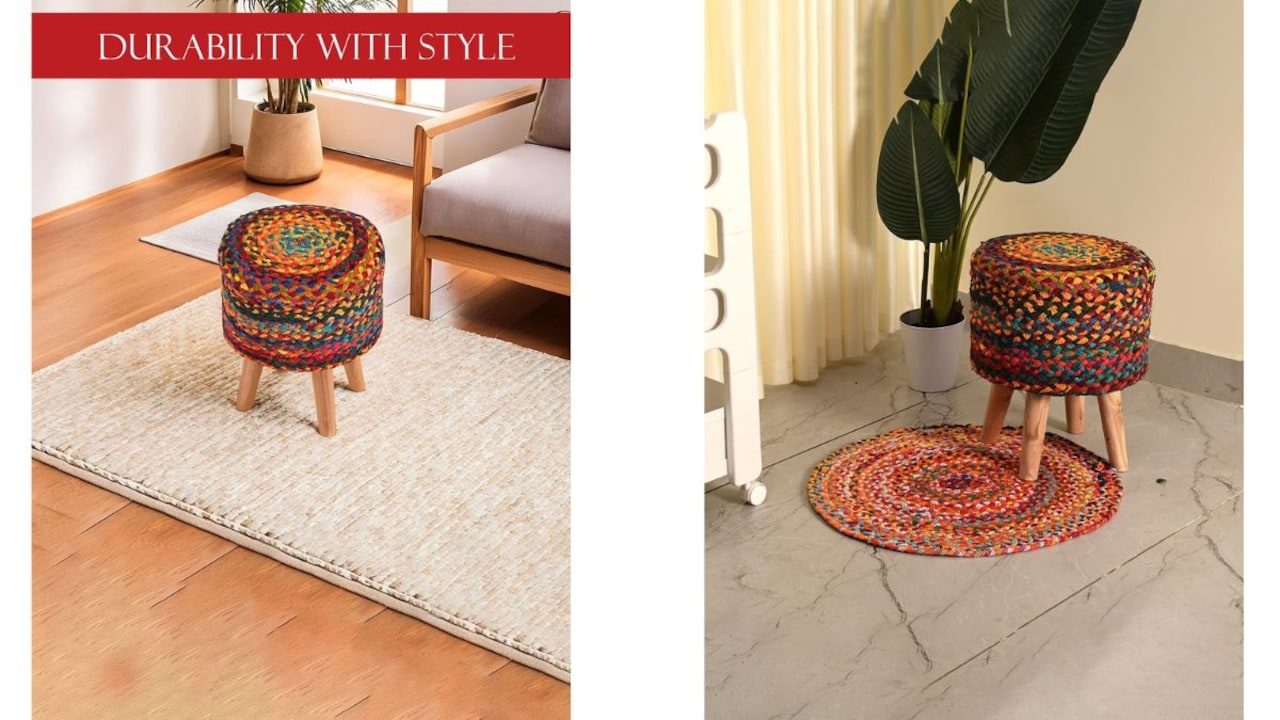
Explore different shapes like round, square, and rectangle; Photo Credit: Myntra
4. The Cultural Quirk of Sitting Low
Many households are used to sitting on the floor during meals, prayers, or casual gatherings. The ottoman becomes a bridge between modern seating and traditional habits. A lower ottoman, for example, doubles up as a perch for children during homework or board games. Taller ones, especially storage versions, suit urban flats where space is a luxury.
This adaptability reflects how furniture evolves alongside lifestyle. In homes where grandparents still prefer sitting low, a modestly sized ottoman provides support while rising or settling down. It respects tradition while embracing modern ergonomic logic.
5. Fabric, Feel, and Functionality
The height and shape may be critical, but fabric completes the story. Imagine resting tired feet on stiff leather during summer, it sticks and squeaks. Cotton or jute blends, however, breathe better in humid climates, offering comfort even on warm evenings.
Texture impacts posture subtly. Soft padding eases pressure on heels and ankles, while firmer surfaces provide support without sinking. In family spaces where ottomans double up as snack tables, easy-to-clean materials save both time and arguments. Ultimately, fabric selection is as much about lifestyle as about aesthetics, balancing comfort, maintenance, and climate.
6. Ottomans in Small Flats: Space Savers with a Twist
In compact flats, multifunctional furniture is less luxury and more necessity. Ottomans with storage transform clutter into hidden treasure chests, remote controls, extra cushions, or children's toys tucked neatly away. Fold-out ottomans even serve as emergency seating during festivals or cricket screenings with friends.
Their size also means they can move easily, shifting between rooms as needed. This flexibility turns a single piece into an all-rounder. By choosing the right height and shape, a flat-dweller avoids bulky furniture while still maintaining ergonomic balance. It's practicality wrapped in style, perfect for homes where every square foot counts.
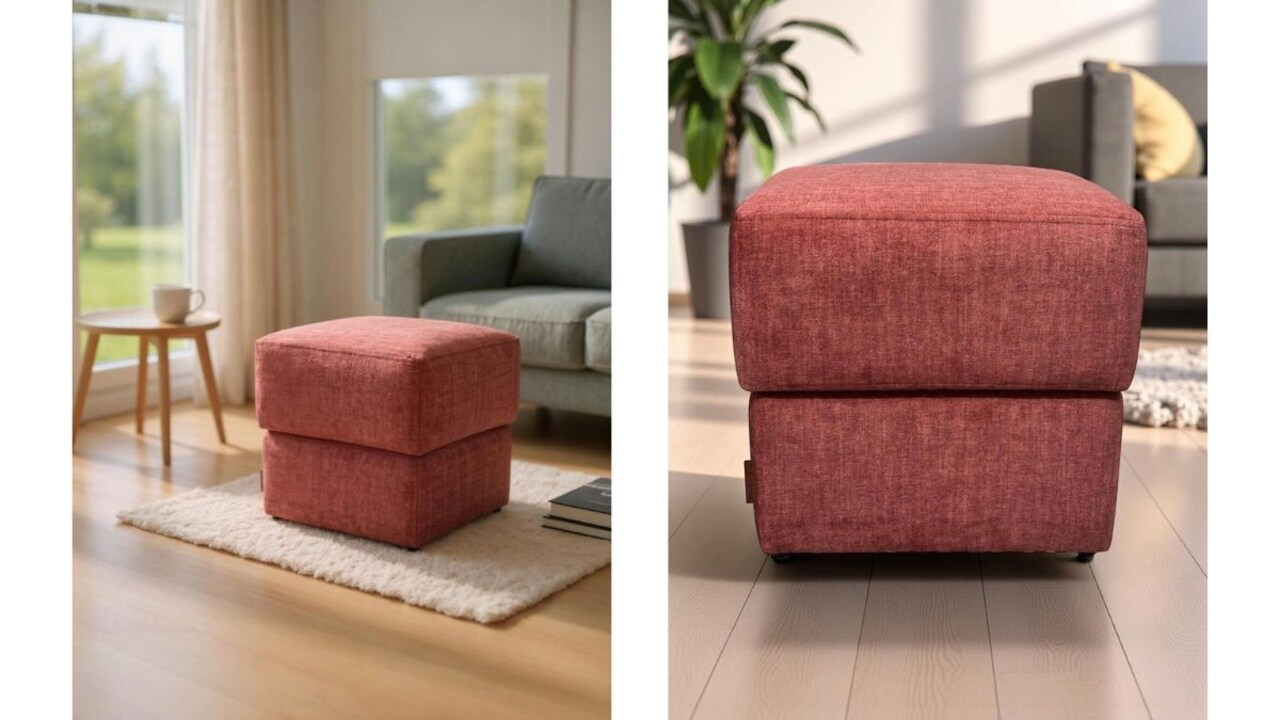
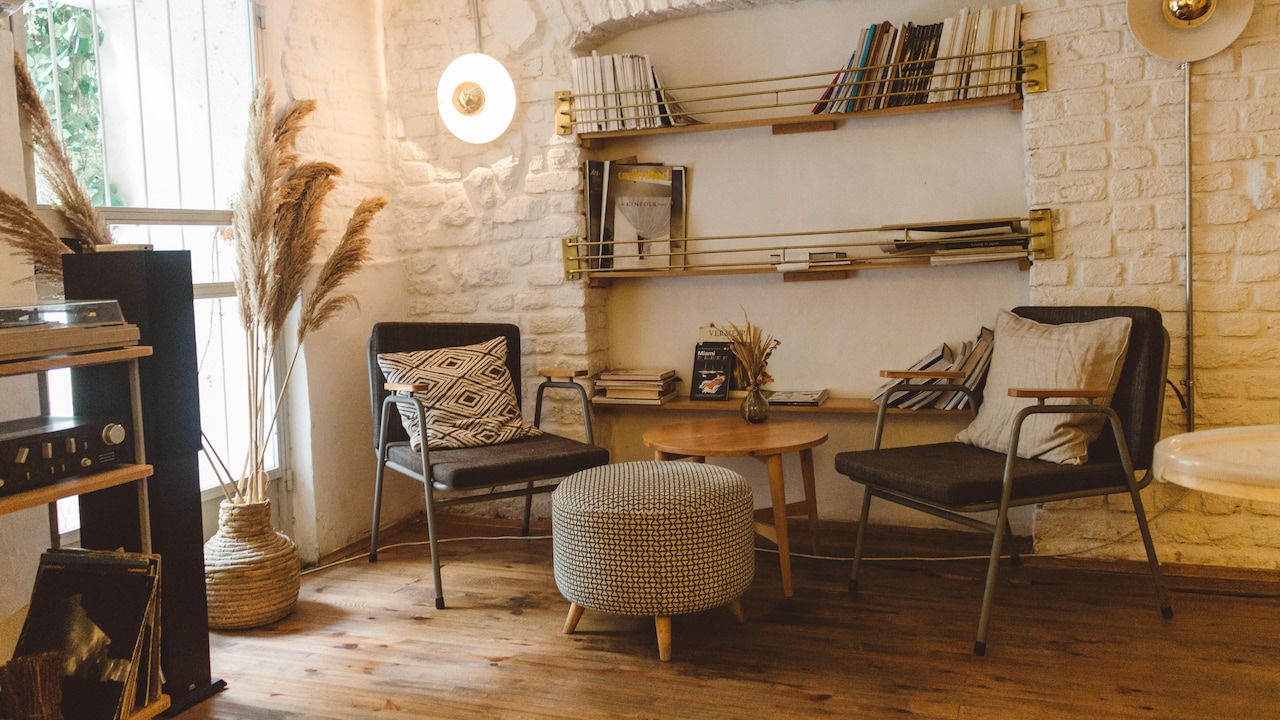
Ottomans serve as multifunctional furniture in small spaces; Photo Credit: Myntra
7. The Science of Leg Elevation
Health experts often recommend elevating legs to ease fatigue. An ottoman acts as a natural prop for this, aiding circulation and reducing strain on the lower back. Think of swollen feet after navigating crowded markets or standing at a wedding function, the relief of propping them up is instant.
The principle is simple: raising legs reduces pressure in veins, encouraging blood to flow back towards the heart. For people with desk jobs or long commutes, this small habit can reduce discomfort over time. The ottoman, then, quietly doubles up as a wellness tool, blending healthcare with homely comfort.
8. Aesthetic Harmony: Blending with Décor
An ottoman's presence can change the room's energy. A bold, patterned ottoman becomes a statement piece, while a neutral-toned one quietly blends in. Height and shape affect not just the body, but also visual balance. Too tall an ottoman next to a low-slung sofa looks awkward, like mismatched dance partners.
Choosing wisely ensures harmony, much like picking the right garnish for a dish. A carefully chosen ottoman not only supports feet but also anchors the room, adding character without overwhelming it. When aesthetics meet ergonomics, the home feels complete.
9. Affordability and Accessibility
Ottomans come in wide price ranges, from budget-friendly models under ₹2,000 found in local markets, to designer pieces that cost more than ₹50,000. Yet, comfort doesn't always need extravagance. Many households repurpose wooden trunks or cushioned stools into ottomans, achieving both utility and charm.
This accessibility makes ergonomic comfort inclusive. Whether in a student's hostel room or a sprawling bungalow, an ottoman can fit in. What matters most is thoughtful selection of height and shape, rather than price tags. It's a reminder that comfort need not be expensive, it just needs to be intentional.
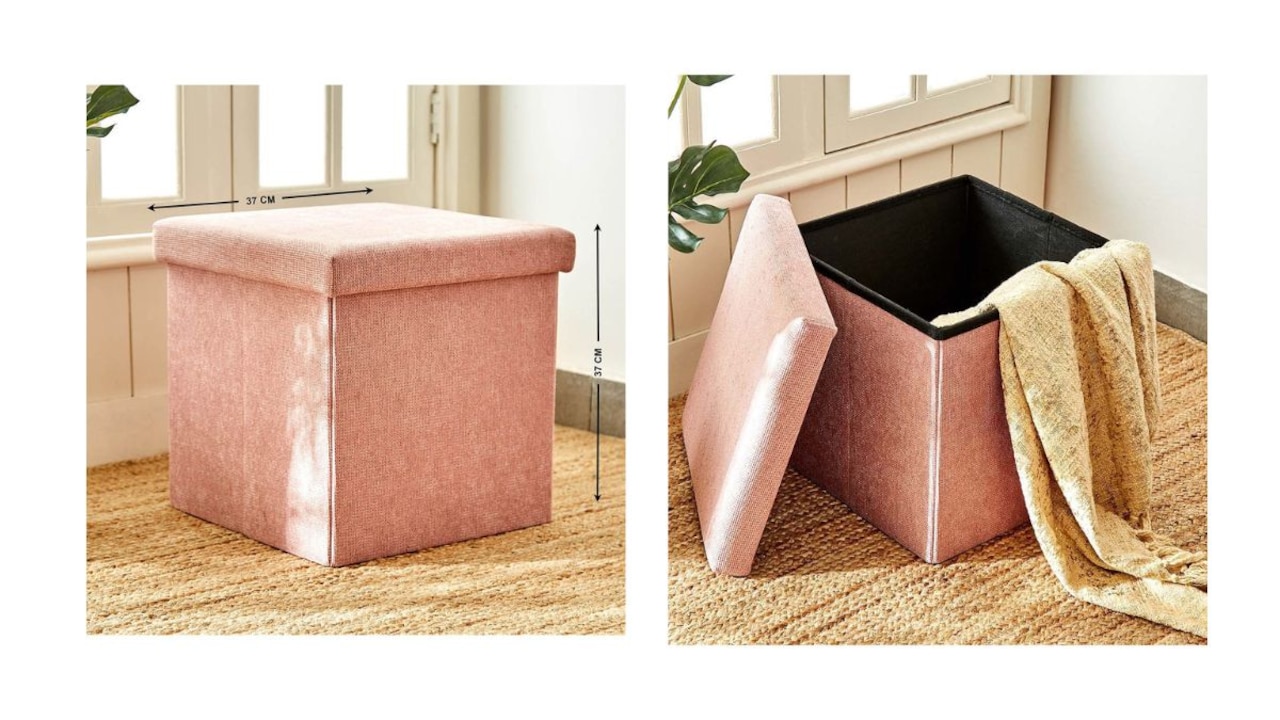
Ottomans are generally affordable and come in multiple shapes and sizes
Photo Credit: Myntra
10. Future of Ergonomic Ottomans
Furniture design is evolving with technology. Adjustable-height ottomans, foldable designs, and even ottomans with built-in massagers are slowly entering the market. Imagine coming home, placing legs on an ottoman, and switching on gentle vibrations to ease tension. The future is heading there, where form and function blend seamlessly.
As lifestyles grow busier, these small innovations may redefine rest. Yet, the core remains unchanged: the need for comfort, posture support, and a little corner of relaxation after the chaos of the day. The humble ottoman will continue adapting, always finding its place in living rooms, quietly improving lives.
Products Related To This Article
1. Wooden Twist Pack of 2 Brown Printed Round Wooden Ottomans
2. Ikiriya Verona Acacia Wood Square Set Of 2 Pouf Stools In Israel Patch Kantha Upholstery
3. Shadowkart Black & White Wooden Mudda Pouffe Ottoman
4. DOE BUCK Wood Velvet Round Ottomans
5. Shadowkart Brown Wooden Pouffe Ottoman
6. NACIA Brown & White Printed Wooden Round Ottoman
7. Shadowkart Blue & Yellow Printed Wooden & Velvet Pouffes Stool Ottomans
The ottoman might not boast the glamour of a designer sofa or the grandeur of a carved wooden table, but it holds power in its simplicity. Height and shape transform it from a mere footstool into a tool of comfort, posture, and even health.
Whether round or rectangular, tall or compact, budget-friendly or lavish, the ottoman adapts to the rhythms of everyday life. It supports aching feet, enhances posture, doubles as storage, and sometimes even steals the limelight as a stylish centrepiece.
Ultimately, investing thought into its ergonomics is less about furniture and more about well-being. After all, in a world that often feels hurried, sinking into a chair and resting tired legs on the perfect Ottoman is not just comfort, it is a small, daily act of self-care.
Disclaimer: The images used in this article are for illustration purpose only. They may not be an exact representation of the products, categories and brands listed in this article.