Mop Buying Guide: Spin Mop Vs Flat Mop Vs Spray Mop: Which One Cleans Better?
Confused between spin mops, flat mops, and spray mops? This guide compares cleaning performance, ease of use, water control, and value for money to help choose the right mop for everyday home cleaning.

Mop Buying Guide: Spin Mop Vs Flat Mop Vs Spray Mop: Which One Is Better?
Floor cleaning rarely sparks joy, yet it remains one of the most regular household chores. From dusty tiles to sticky kitchen corners, floors silently collect the evidence of daily life. Choosing the right mop can turn this routine task from a dreaded chore into a manageable habit.
The mop market has changed rapidly over the last decade. The humble cotton mop has given way to sleek spin systems, lightweight flat mops, and trigger-happy spray mops. Each claims to save time, water, and energy. Each promises better hygiene. Yet, the experience on the ground often differs from what the box advertises.
Homes vary. Some deal with red dust blowing in from open windows. Others battle oil splashes near the stove or muddy footprints after heavy rain. No single mop suits every floor or family. Understanding how each mop type works, where it excels, and where it falls short helps in making a smarter choice.
This guide compares spin mops, flat mops, and spray mops in practical terms. No technical jargon. No unrealistic expectations. Just honest insights shaped around everyday homes and real cleaning habits.
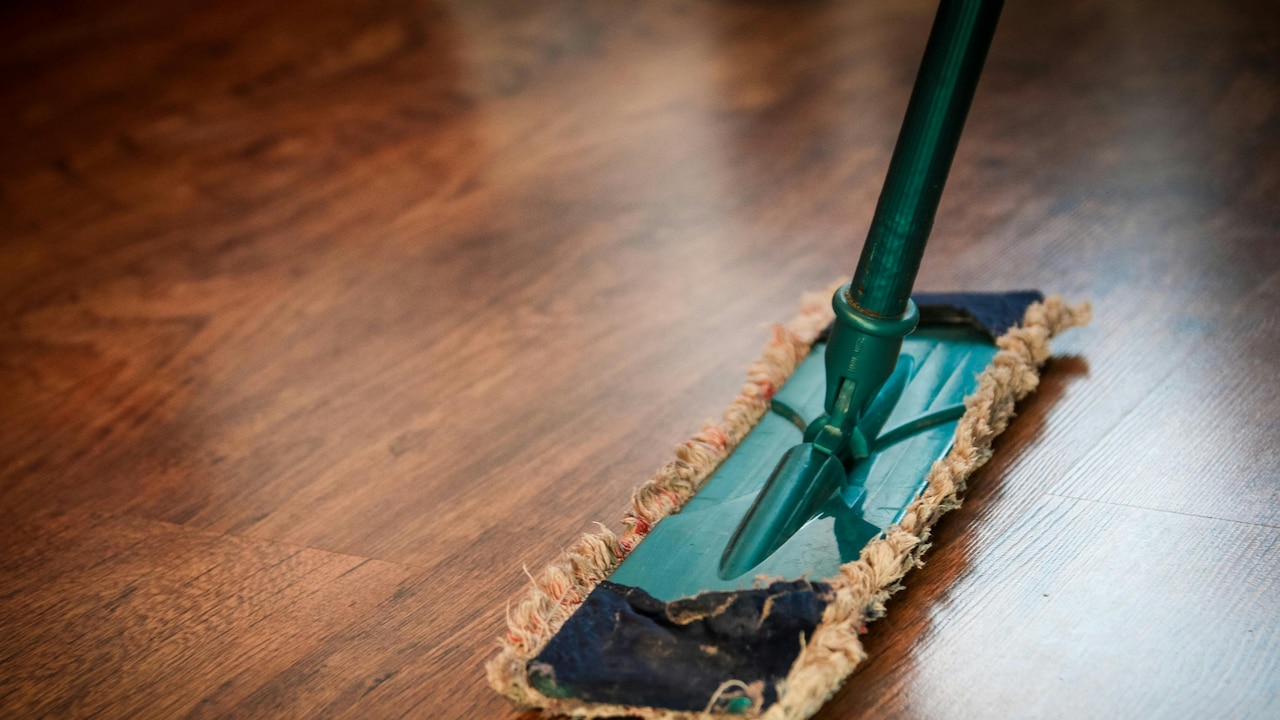
Mop Buying Guide: Spin Mop Vs Flat Mop Vs Spray Mop: Which One Is Better?; Photo Credit: Pexels
Comparing Spin Mops, Flat Mops, And Spray Mops
1. Understanding Spin Mops: Power Meets Practicality
Spin mops have become a familiar sight in many households. The bucket with a spinning mechanism looks impressive and, at times, oddly satisfying to use. At its core, a spin mop uses centrifugal force to remove excess water from the mop head, allowing better control over moisture levels.
This design suits homes with tiled or stone flooring, especially where thorough cleaning matters. The rotating fibres reach into grout lines and textured surfaces with ease. Muddy footprints, spilt tea, or sticky residues rarely stand a chance against a good spin mop session.
The biggest advantage lies in reduced hand contact with dirty water. A simple press or pedal spin wrings the mop dry. That small detail feels like a luxury during long cleaning routines. Spin mops also handle large areas efficiently, making them ideal for bigger homes.
However, they do come with a learning curve. Too much spinning dries the mop excessively, while too little leaves puddles behind. The buckets take up storage space, and water needs frequent changing for the best hygiene. Despite these quirks, spin mops shine when deep cleaning takes priority over speed.
2. Flat Mops Explained: Speed, Simplicity, and Control
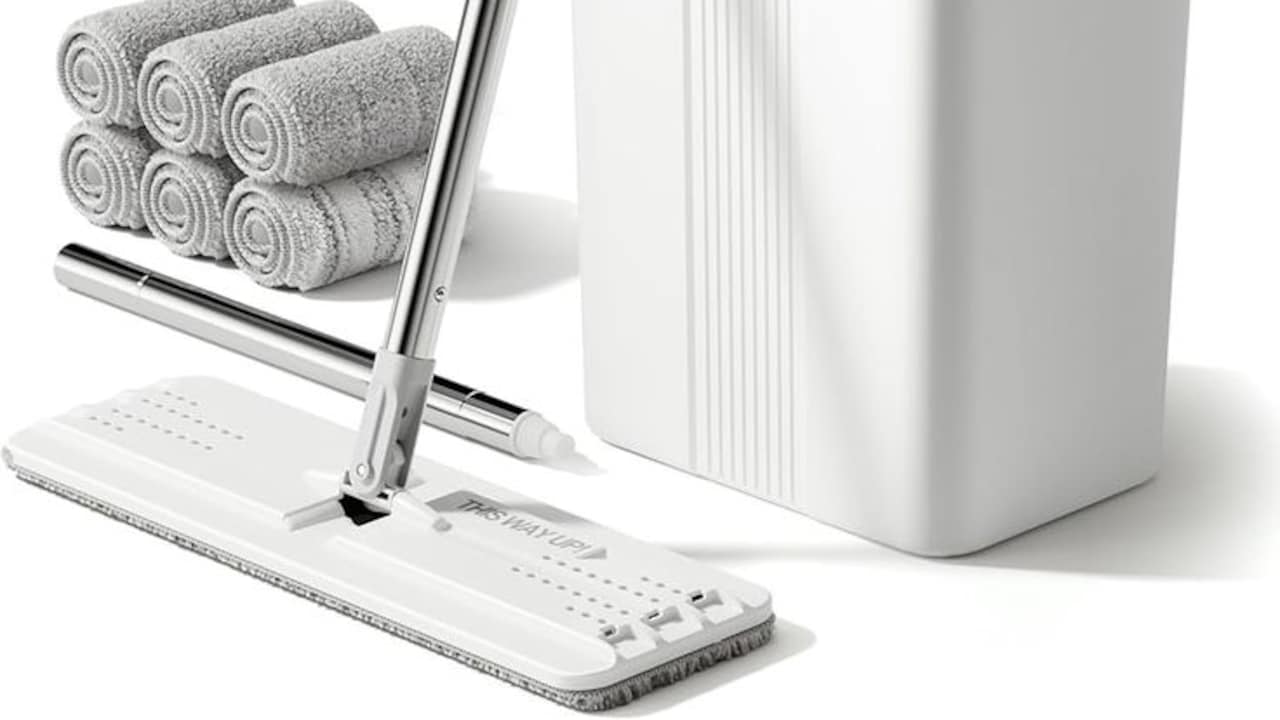
Flat mops appeal to those who prefer quick, no-fuss cleaning. With a rectangular head and microfibre pad, these mops glide smoothly across floors. They excel in covering wide spaces with minimal effort, making them popular for daily dusting and light wet cleaning.
Microfibre pads trap dust effectively, especially on smooth tiles, marble, or wooden flooring. They work well for homes where shoes stay outside, and heavy grime remains rare. The slim profile allows easy access under beds, sofas, and cabinets, areas often ignored during regular cleaning.
Most flat mops use a squeeze or fold mechanism for wringing. This offers decent control over water usage, though it lacks the precision of a spin mop. Pads usually detach easily and can be washed, reducing long-term costs and waste.
On the downside, flat mops struggle with stubborn stains. Dried spills and greasy patches often need repeated passes or pre-scrubbing. The flat head also finds corners and uneven surfaces challenging. Still, for busy mornings or quick evening clean-ups, flat mops deliver speed and convenience with minimal effort.
Also Read: How To Use A Steam Mop: Tricks To Cut Cleaning Time In Half
3. Spray Mops: Convenience at the Press of a Trigger
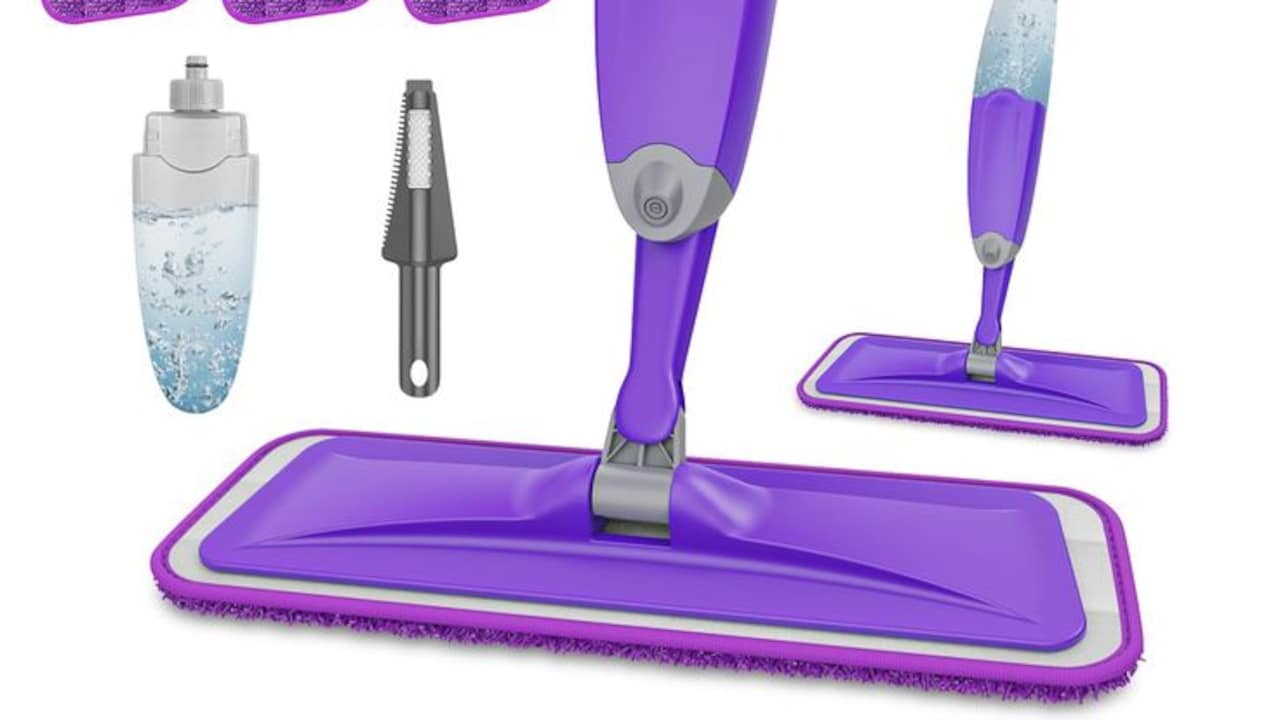
Spray mops focus on convenience above all else. A built-in spray bottle attached to the handle releases cleaning solution directly onto the floor with a simple trigger press. No bucket. No bending. No dripping trails across rooms.
These mops suit small apartments, quick spills, and homes where time remains perpetually short. A splash of curry gravy near the dining table or muddy paw prints after a short walk can be tackled instantly. The control over liquid usage also protects delicate wooden floors from excess moisture.
Spray mops encourage frequent cleaning since setup takes seconds. The microfibre pads work well for light dirt and everyday dust. Many users enjoy customising cleaning solutions, whether plain water, vinegar mixes, or mild floor cleaners.
However, spray mops lack muscle. Heavy grime, large areas, or deeply embedded dirt push them beyond comfort zones. The small spray tank requires frequent refilling during bigger sessions. Over time, triggers may wear out, especially with frequent use. Spray mops serve best as maintenance tools rather than deep-clean champions.
4. Cleaning Performance: Which Mop Removes Dirt Better?
Cleaning performance remains the heart of any mop comparison. Spin mops generally outperform others when dealing with heavy dirt. The thick, rotating fibres lift mud, food spills, and greasy residues effectively. They work well after festivals, family gatherings, or rainy days when floors face maximum abuse.
Flat mops deliver consistent performance for light to moderate dirt. Dust, hair, and minor spills disappear quickly with a single pass. Microfibre technology plays a key role here, trapping particles instead of spreading them around.
Spray mops focus on surface-level cleaning. They refresh floors rather than restore them. For homes that clean daily or twice a day, this light touch proves sufficient. For neglected corners or high-traffic areas, they struggle.
Floor type also influences results. Rough tiles and grout benefit from spin mops. Smooth surfaces favour flat and spray mops. In terms of sheer cleaning power, spin mops win. For maintenance and speed, flat and spray mops take the lead. Choosing depends on how dirty the floors get and how often cleaning happens.
Mop Buying Guide: Spin Mop Vs Flat Mop Vs Spray Mop: Which One Is Better?; Photo Credit: Pexels
5. Water Usage and Drying Time: Managing Moisture Wisely
Water control matters more than many realise. Excess water damages wooden floors and leaves slippery patches on tiles. Spin mops offer adjustable moisture levels through spinning intensity. Once mastered, they leave floors damp but not soaked, allowing quicker drying.
Flat mops rely on manual wringing. This offers moderate control but depends heavily on user effort. Uneven pressure often leads to wetter patches, especially during rushed cleaning sessions. Still, with practice, they maintain acceptable moisture levels for most floors.
Spray mops use the least water. Each trigger press releases a fine mist, making them ideal for moisture-sensitive surfaces. Floors dry quickly, often within minutes, reducing slip risks.
During humid seasons, quick drying becomes crucial. Spray mops excel here. Spin mops perform well when wrung properly. Flat mops sit somewhere in between. Homes with elderly members or children benefit from faster drying solutions to avoid accidents.
6. Ease of Use: Comfort During Everyday Cleaning
Ease of use shapes long-term satisfaction. Spin mops reduce hand contact with dirty water but require bucket handling and occasional lifting. Pedal systems feel satisfying, though they demand some effort. Long cleaning sessions may feel tiring, especially in multi-storey homes.
Flat mops feel lighter and easier to manoeuvre. Their slim design reduces strain on wrists and shoulders. Folding mechanisms work smoothly for most users. Storage remains simple, often fitting behind doors or in narrow corners.
Spray mops score highest for convenience. No bucket means no setup hassle. A quick spray and wipe handles sudden messes effortlessly. However, repeated trigger pressing can tire fingers during extended cleaning.
For those balancing work, family, and household chores, ease of use often outweighs deep-clean performance. Flat and spray mops fit this lifestyle better, while spin mops suit planned, thorough cleaning routines.
7. Maintenance and Hygiene: Keeping Mops Clean
A mop cleans floors, but who cleans the mop? Hygiene plays a vital role in choosing the right option. Spin mops use larger heads that collect significant dirt. Regular washing becomes essential to prevent odours. Many mop heads are machine washable, which simplifies maintenance.
Flat mop pads detach easily and wash well. Keeping multiple pads allows rotation between uses, ensuring cleanliness. Microfibre dries quickly, reducing bacterial growth when handled properly.
Spray mop pads are smaller and easier to wash. However, the spray mechanism needs occasional cleaning to prevent clogging, especially when using homemade solutions. Neglect here affects spray quality over time.
Buckets, bottles, and pads all require care. Spin mop buckets need rinsing and drying after use. Spray bottles benefit from emptying between sessions. Overall, flat mops offer the simplest hygiene routine, while spin mops demand the most attention but reward with superior cleaning.
Mop Buying Guide: Spin Mop Vs Flat Mop Vs Spray Mop: Which One Is Better?; Photo Credit: Pexels
8. Cost and Value for Money: Looking Beyond the Price Tag
Initial price often influences buying decisions, but long-term value matters more. Spin mops usually cost more upfront due to buckets and mechanisms. Replacement heads add to ongoing expenses. However, their durability and performance justify the investment for larger homes.
Flat mops sit in the mid-range. Replacement pads cost less and last longer when washed properly. Their balance between price and performance appeals to many households.
Spray mops often appear affordable initially. Over time, replacement pads and occasional trigger issues may increase costs. Still, for small homes or secondary cleaning tools, they offer good value.
Water usage also impacts costs. Spin mops use more water, while spray mops conserve it. Considering water bills and cleaning solution expenses helps paint a fuller picture. True value lies in matching the mop to cleaning habits rather than chasing the lowest price.
9. Storage and Space: Practical Living Considerations
Urban homes often struggle with storage space. Spin mop buckets occupy noticeable floor area. Finding a permanent spot can feel challenging, especially in compact flats. Some buckets stack neatly, but space remains a concern.
Flat mops shine in this area. Their slim handles and detachable pads store easily in cupboards or behind doors. They suit minimalistic homes where clutter feels unwelcome.
Spray mops require the least space. Without buckets, they store like a broom. This convenience appeals to those who prefer discreet cleaning tools.
Storage affects usage frequency. Easily accessible mops encourage regular cleaning. Tools buried in cupboards tend to gather dust themselves. Choosing a mop that fits the available space supports better cleaning habits over time.
10. Which Mop Cleans Better for Different Homes?
No single mop wins universally. The best choice depends on lifestyle, floor type, and cleaning frequency. Homes with children, pets, or frequent visitors benefit from the deep-clean power of spin mops. They handle heavy dirt confidently.
Busy households that clean daily appreciate flat mops for speed and balance. They manage dust and light spills without exhausting effort. Small apartments and quick-clean enthusiasts gravitate towards spray mops for instant action.
Many homes use a combination. A spin mop for weekly deep cleans and a spray mop for daily touch-ups create a practical system. Understanding needs, rather than trends, leads to smarter purchases.
Ultimately, the mop that cleans better fits seamlessly into daily routines. Comfort, convenience, and consistency matter as much as cleaning power. Floors stay cleaner when tools feel easy and reliable.
Products Related To This Article
1. Spotzero by Milton Prime Stainless Steel Wringer Spin Mop with Big Wheel
2. Panda Grip Spray Mops For Floor Cleaning Floor Mop With A Refillable Spray Bottle
3. UPC Flat Mop for Home Cleaning Floor
4. BonKaso 360° Spin Mop with Square Bucket Deluxe System Set
5. Livronic® Wet & Dry Cotton Pad Floor Mop with 18-Inch Head
6. Presto! Elite Spin Mop with Bigger Wheels and Auto- Fold Handle
7. MinuteToCleanIt Flat Mop for Floor Cleaning with Built in Spray
Choosing between a spin mop, flat mop, and spray mop feels less confusing when real-life needs guide the decision. Spin mops deliver unmatched deep-clean performance for stubborn dirt and larger spaces. Flat mops balance efficiency and simplicity, making them ideal for regular maintenance. Spray mops prioritise convenience, perfect for quick fixes and smaller homes.
Clean floors do more than improve appearances. They create comfort, safety, and a sense of calm. Investing in the right mop transforms cleaning from a chore into a manageable habit. Instead of chasing perfection, focus on what fits the rhythm of daily life.
A well-chosen mop does not just clean floors. It saves time, energy, and frustration. And that, in any home, feels like a small but meaningful victory.
(Disclaimer: This article may include references to or features of products and services made available through affiliate marketing campaigns. NDTV Convergence Limited (“NDTV”) strives to maintain editorial independence while participating in such campaigns. NDTV does not assume responsibility for the performance or claims of any featured products or services.)