Lidded Vs Open Laundry Baskets: Which One Keeps Your Home Smelling Fresh?
Lidded laundry baskets promise to trap unpleasant odours, but do they really keep homes fresher, or quietly make things worse? A closer look reveals surprising truths about airflow, hygiene, and daily habits that shape how homes smell.
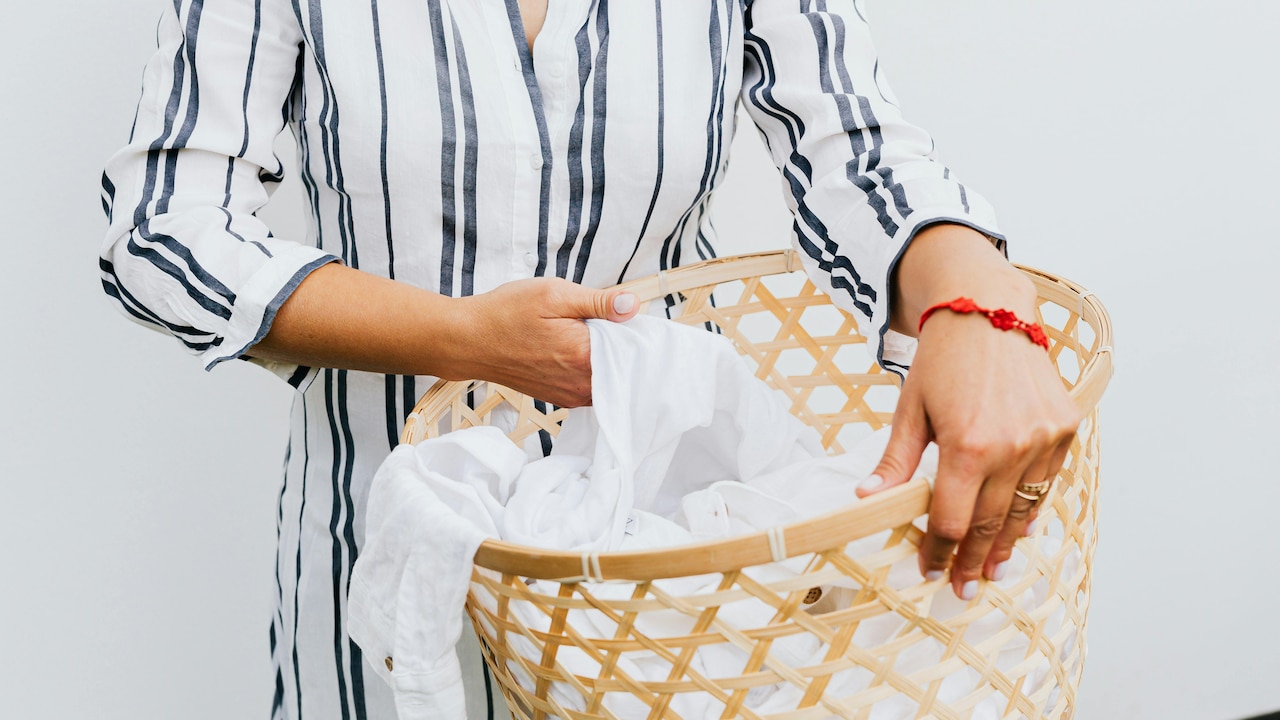
Are Lidded Laundry Baskets Actually Better Or Worse For Controlling Smells In Your Home? Know Now.
Laundry often sits quietly in a corner, yet it plays a loud role in how a home feels. A pile of worn gym clothes or damp towels can quickly shift the mood of a room, especially during humid months when everything seems to hold onto moisture a little longer. That is where the debate around lidded laundry baskets begins.
On the surface, a lid feels like a simple fix. Close it, hide the mess, and keep the smell in check. It sounds sensible, even elegant. Many households lean towards these baskets because they look neat and promise discretion. However, the reality is not as straightforward as it appears.
Odours do not just vanish because they are covered. They linger, evolve, and sometimes intensify in hidden spaces. Meanwhile, open baskets invite air circulation but risk spreading smells across the room.
This article explores whether lidded laundry baskets genuinely control odours or quietly create new problems. By looking at daily habits, weather conditions, and how fabrics behave, a clearer picture emerges, one that may challenge long-held assumptions about cleanliness and convenience.
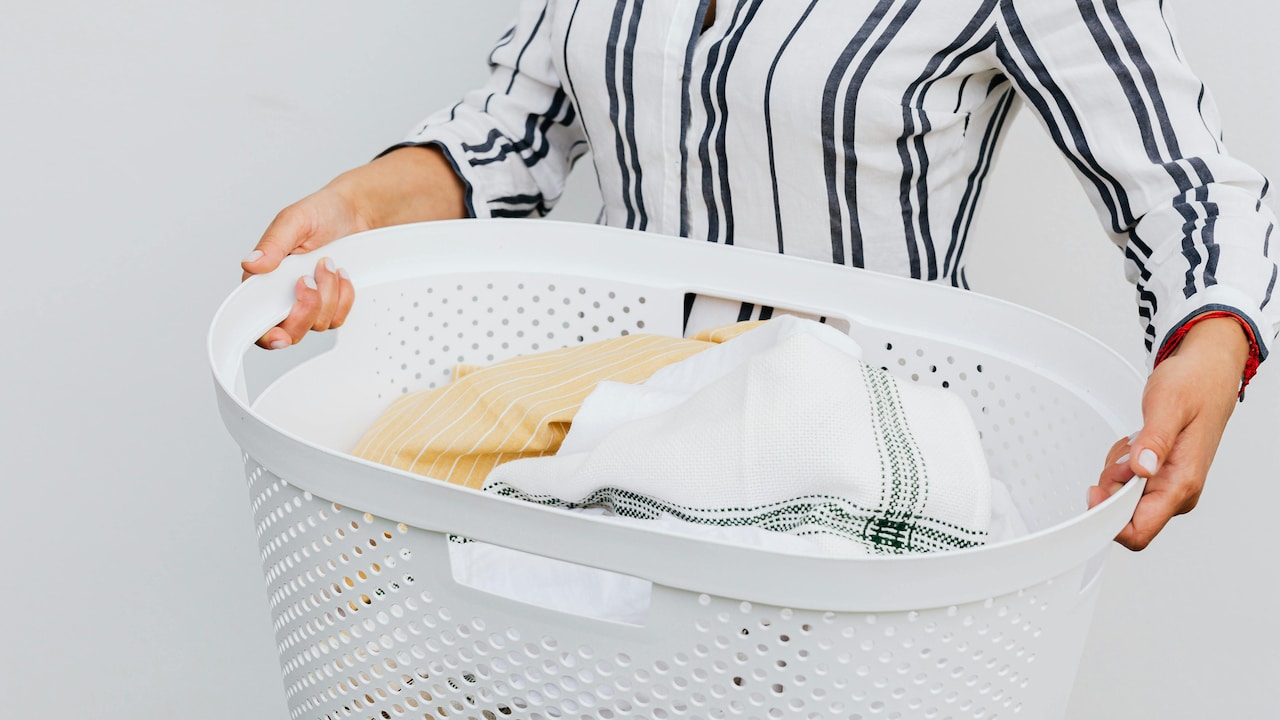
Do Lidded Laundry Baskets Really Prevent Smells Or Make Them Worse?
Photo Credit: Pexels
The Truth About Lidded Laundry Baskets And Smell Control
The Psychology Of “Out Of Sight, Out Of Smell”
A lid gives a sense of control. Close it, and the laundry disappears visually and mentally. It feels like the problem is solved. Yet, this is often more psychological than practical. The human brain tends to equate hidden with handled, even when the underlying issue remains untouched.
In busy households, where mornings begin with rushed routines and evenings end with tired sighs, a lidded basket becomes a silent accomplice. Clothes pile up through the week, hidden beneath a neat cover. Visitors walk in, and everything looks tidy. That sense of order brings comfort.
However, smells do not follow visual rules. They build up gradually, especially when fabrics carry sweat, moisture, or leftover detergent. When the lid opens after a few days, the burst of trapped odour can feel overwhelming. It is like opening a sealed container that has been quietly fermenting.
This habit of postponing laundry because it is hidden can make matters worse. What begins as a small pile turns into a compact cluster of strong smells. The lid does not eliminate odour; it delays confrontation with it.
Airflow: The Invisible Hero Of Freshness
Freshness depends heavily on airflow. Clothes, especially after a long day outdoors or an intense workout, hold moisture and bacteria. Without air circulation, these elements thrive.
Open laundry baskets allow air to move freely. This does not eliminate odours entirely, but it slows their growth. Moisture evaporates gradually, preventing that musty, damp smell that often develops in enclosed spaces.
In contrast, lidded baskets restrict airflow. The enclosed environment traps humidity, particularly in coastal cities or during monsoon months. Damp clothes sitting in such conditions create the perfect breeding ground for odour-causing bacteria.
Consider a typical scenario: a slightly damp towel tossed into a lidded basket after a shower. Over a couple of days, the smell intensifies. When mixed with other clothes, it spreads, affecting the entire load.
Airflow works quietly but effectively. It does not mask smells; it reduces the conditions that cause them. In this sense, an open basket may appear less sophisticated but often performs better in maintaining freshness.
Humidity And Climate: The Game Changer
Climate plays a crucial role in how laundry behaves. In regions where humidity levels remain high for most of the year, moisture becomes the main culprit behind unpleasant smells.
During monsoon season, even freshly washed clothes take longer to dry. Now imagine worn clothes stored in a lidded basket under similar conditions. The trapped moisture lingers, creating a warm and damp environment. This combination accelerates bacterial growth and intensifies odours.
On the other hand, in drier climates, the difference between lidded and open baskets may feel less dramatic. Clothes dry out faster, even when stored for a day or two. However, in most households dealing with fluctuating weather, humidity often tips the balance.
An open basket offers at least some relief by allowing trapped moisture to escape. It may not eliminate odour entirely, but it prevents that heavy, stale smell that develops in enclosed spaces.
Ignoring climate factors while choosing laundry storage can lead to frustration. A solution that works beautifully in one setting may fail completely in another, simply because the air behaves differently.
Material Matters More Than Expected
The type of basket matters just as much as whether it has a lid. Materials influence airflow, moisture retention, and overall hygiene.
Plastic baskets with solid walls and lids tend to trap both air and moisture. They are easy to clean and affordable, often priced around ₹500 to ₹1,500, making them popular. However, their non-breathable nature can worsen odour issues if clothes are left inside for too long.
Wicker or bamboo baskets, on the other hand, allow air to pass through their woven structure. Even with a lid, these baskets offer some ventilation. This helps reduce moisture build-up and keeps smells from becoming too intense.
Fabric hampers with mesh panels strike a balance. They provide partial coverage while still allowing airflow. These designs often work well in smaller spaces where both aesthetics and practicality matter.
Choosing the right material can transform how a basket performs. A well-ventilated lidded basket may outperform a fully enclosed plastic one, proving that design details matter more than the presence of a lid alone.
Hygiene Habits: The Real Deciding Factor
A basket, whether lidded or open, cannot compensate for poor habits. Hygiene practices play the biggest role in controlling smells.
Clothes left for several days without washing will smell, regardless of how they are stored. Sweat, dirt, and bacteria build up over time. Even the best-designed basket cannot prevent this natural process.
Separating damp items from dry clothes makes a noticeable difference. Towels, gym wear, and socks should not sit in a pile for too long. Hanging them briefly before placing them in the basket can reduce moisture significantly.
Regular washing routines also matter. Waiting until the basket overflows might seem efficient, but it often leads to stronger odours and tougher stains. Smaller, more frequent loads keep things manageable and fresher.
Cleaning the basket itself is equally important. Residual smells can linger on surfaces, especially in plastic containers. A quick wipe-down with mild disinfectant every week can prevent odours from building up over time.
In many ways, the basket reflects the habits around it. Change the habits, and the results improve, regardless of design.
Space Constraints And Practical Living
Urban living often comes with limited space. In compact homes, every corner counts. A lidded laundry basket fits neatly into this lifestyle by offering a tidy appearance.
Placed in a bedroom or bathroom, it keeps visual clutter under control. This is especially helpful when guests drop by unexpectedly. The lid acts as a quick fix, maintaining a sense of order.
However, tight spaces also mean limited ventilation. A closed basket in a small, enclosed room can intensify odours. Without proper airflow, smells may escape whenever the lid opens, spreading more noticeably in confined areas.
Open baskets may not look as polished, but they allow continuous air movement. In well-ventilated spaces, this can keep the overall environment fresher.
Balancing aesthetics and practicality becomes essential. Sometimes, a slightly visible pile of laundry with better airflow feels more manageable than a hidden source of strong odour. It is less about perfection and more about creating a comfortable living space.

Do Lidded Laundry Baskets Really Prevent Smells Or Make Them Worse?
Photo Credit: Pexels
The Role Of Fragrance And Deodorisers
Many households rely on fragrances to manage laundry smells. Scented liners, room fresheners, or detergent residues often mask odours temporarily.
A lidded basket can trap these fragrances along with the smells, creating a mixed scent that may not always feel pleasant. When opened, the combination can feel overpowering rather than fresh.
Open baskets allow fragrances to disperse naturally. This creates a lighter, more balanced environment. However, it also means that any unpleasant smell may spread more easily if the laundry sits for too long.
Natural solutions, such as placing baking soda or neem leaves near the basket, can help absorb odours without adding artificial scents. These small additions work quietly in the background, supporting freshness rather than masking problems.
Fragrance should complement cleanliness, not replace it. Relying solely on scents often leads to disappointment, especially when underlying issues remain unresolved.
Aesthetic Appeal Versus Functional Reality
A beautifully designed lidded basket can enhance a room's appearance. Sleek finishes, neutral tones, and compact designs make them a popular choice in modern homes.
They blend seamlessly with décor, adding a sense of organisation. This visual appeal often influences purchasing decisions more than functionality. After all, a tidy space feels inviting and calm.
However, function does not always follow form. A basket that looks good but traps moisture and odours may create more work in the long run. Clothes may require extra washing or stronger detergents to remove persistent smells.
Open baskets, though less refined, prioritise practicality. Their design focuses on airflow and ease of use. They may not win style points, but they often perform better in maintaining freshness.
Striking a balance between aesthetics and practicality becomes key. A well-designed basket should not just look good; it should support daily routines without creating hidden problems.
So, Are Lids Friend Or Foe?
The answer lies somewhere in between. Lidded laundry baskets are neither entirely good nor entirely bad. Their effectiveness depends on how they are used, where they are placed, and what goes into them.
In situations where laundry is managed regularly and moisture is controlled, a lidded basket can work well. It keeps spaces looking neat and contains mild odours effectively.
However, when clothes sit for longer periods or include damp items, the lid becomes a barrier rather than a solution. It traps moisture, intensifies smells, and creates a less hygienic environment.
Open baskets, while less discreet, often support better airflow and reduce the chances of strong odours developing. They encourage quicker laundry routines simply because everything remains visible.
Choosing between the two involves understanding daily habits and environmental conditions. There is no universal answer, only what works best for a particular home.
Products Related To This Article
1. THE ARTMENT BearBliss Red & White Laundry Basket
2. HOUSE OF QUIRK White & Green Printed Cotton Waterproof Square Storage Laundry Basket
3. Kuber Industries Disney Mickey Mouse Foldable Laundry Basket, Toy Storage Basket for kids
4. BB BACKBENCHERS Printed Round Laundry Basket
5. Prettykrafts Black Square Shape Laundry Basket
6. H&M Brown Seagrass Laundry Basket
7. HOKIPO Brown & White Seal Printed Foldable Laundry Basket For Clothes With Lid
Laundry may seem like a small part of daily life, yet it quietly shapes the atmosphere of a home. The choice between a lidded and open basket reflects more than preference; it reveals how cleanliness, convenience, and comfort are balanced.
A lid offers visual order and temporary control, but it does not eliminate the source of odour. Airflow, hygiene habits, and climate play far greater roles in keeping spaces fresh. Ignoring these factors can turn a simple solution into a hidden problem.
Rather than relying solely on design, a thoughtful approach works best. Regular washing, proper drying, and mindful storage make a noticeable difference. The basket then becomes a supporting tool rather than the centre of the solution.
In the end, freshness is less about what is covered and more about what is managed. A home feels inviting not because smells are hidden, but because they are handled with care and consistency.
(Disclaimer: This article may include references to or features of products and services made available through affiliate marketing campaigns. NDTV Convergence Limited (“NDTV”) strives to maintain editorial independence while participating in such campaigns. NDTV does not assume responsibility for the performance or claims of any featured products or services.)










![Steam Iron Teflon Shoe Cover for ES-300,ST-96 [Only For ES-300 and ST-96 Model Electric Steam Irons]](https://m.media-amazon.com/images/I/51wwkttondL._SL160_.jpg)