Why Sofa Covers Never Fit Properly And How To Choose The Right Size Every Time
Sofa covers often fail due to misleading size charts and unrealistic claims. Learn how to decode measurements, avoid costly mistakes, and choose covers that actually fit your furniture.
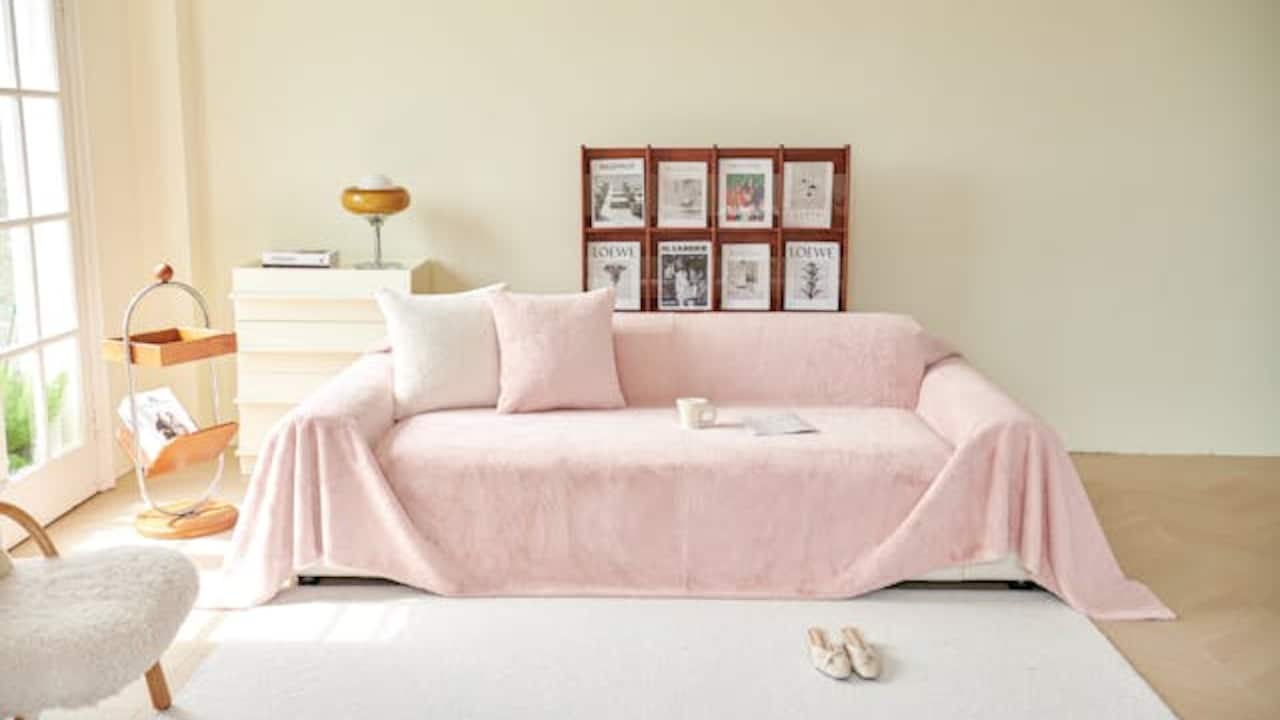
Stop Buying Sofa Covers That Never Fit By Avoiding Misleading Manufacturer Size Charts.
Few household purchases seem as simple as buying a sofa cover. Pick a colour, choose a fabric, glance at the size chart, and place the order. Yet, once the parcel arrives, reality tells a different story. The cover stretches too far in some places, bunches up in others, and never quite matches the neat look shown in advertisements.
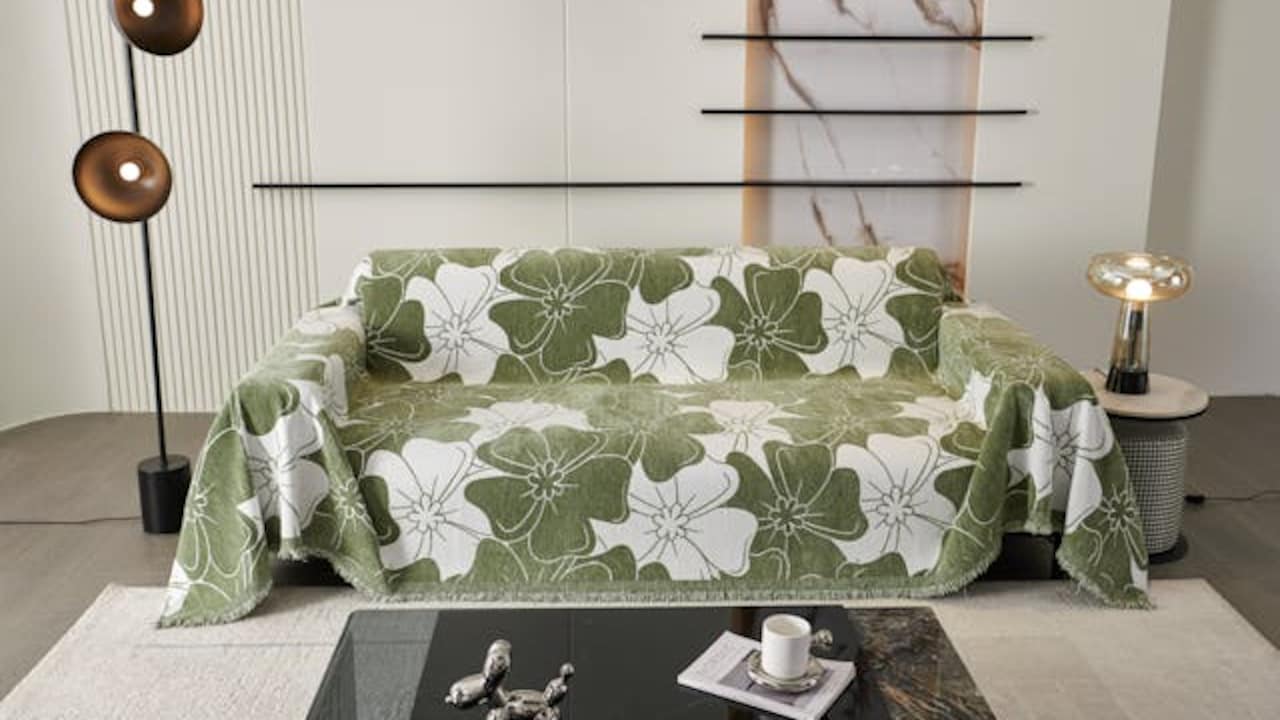
Sofa cover buying tips to get the best fit; Photo Credit: Pexels
This mismatch does not stem from poor taste or careless selection. Instead, it often begins with misleading manufacturer size charts that fail to reflect real-world furniture shapes. Sofas rarely follow standard dimensions, especially in homes where custom carpentry and varied designs dominate. Add to that the rush of online shopping and tempting discounts, and disappointment becomes almost inevitable.
Understanding how to decode these charts, and more importantly, how to ignore them when necessary, can change the entire experience. A well-fitted sofa cover does more than protect upholstery; it elevates the room, saves money, and brings a quiet sense of satisfaction every time someone walks in.
Also Read: Style Your Space Smartly: Sofa Covers Under ₹699
Understanding Why Sofa Covers Rarely Fit As Expected
Why Size Charts Rarely Reflect Real Sofas
Manufacturer size charts often present measurements in a neat, simplified format. They mention length, width, and height, as though sofas exist as perfect rectangles. In reality, most sofas come with curves, armrests of varying thickness, and backrests that tilt or taper. A three-seater from one brand may differ significantly from another, even if both claim similar dimensions.
The issue becomes more obvious in households where sofas have been customised. Local carpenters often design furniture based on available space rather than standard templates. As a result, no two pieces look exactly alike. Yet, size charts continue to assume uniformity.
This disconnect leads buyers to trust numbers that do not account for the nuances of real furniture. A cover labelled “fits 180–210 cm sofas” may technically stretch across that range, but fails to sit properly. It either clings too tightly or drapes loosely, creating an untidy appearance.
A better approach involves viewing size charts as rough guides rather than precise solutions. Recognising their limitations helps prevent misplaced expectations and encourages more thoughtful decision-making.
The Hidden Trick Behind Stretchable Fabric Claims
Stretchable sofa covers often promise a universal fit. The idea sounds appealing: one cover that adapts to multiple sizes. However, this flexibility can become a double-edged sword. While the fabric stretches, it does not always recover its shape neatly.
Manufacturers highlight elasticity as a benefit, but rarely mention how overstretching affects appearance. A cover pulled beyond its ideal range tends to thin out, revealing the original upholstery beneath. Colours may appear faded, and seams may strain, reducing durability.
On the other hand, when the fabric does not stretch enough, it gathers in folds that refuse to settle. This creates a rumpled look that no amount of tucking can fix. The sofa ends up looking less refined than before the cover was added.
The key lies in understanding that stretchable does not mean adjustable to all shapes. It works best within a narrow range. Instead of relying on broad claims, checking the fabric composition and reading between the lines of product descriptions can prevent disappointment.
Why Armrests Are The Biggest Fitting Challenge
Armrests often cause the most trouble when fitting sofa covers. They vary widely in design; some are slim and straight, others are wide and curved, and a few even double as storage units. Size charts rarely account for these differences in detail.
Covers designed for standard armrests struggle to accommodate bulkier versions. The fabric either fails to cover the entire arm or pulls unevenly, affecting the overall look. In some cases, the armrests end up partially exposed, defeating the purpose of protection.
Even when covers claim to include armrest measurements, they tend to oversimplify. A single number cannot capture the complexity of shape and structure. This leads to awkward adjustments, with users constantly tugging and rearranging the fabric.
A practical solution involves measuring armrests separately and comparing them with product images rather than relying solely on written dimensions. Visual cues often reveal more than numbers, helping buyers choose covers that align better with their sofa's design.
The Illusion Of One-Size-Fits-All Solutions
The phrase “one size fits all” sounds convenient, especially when browsing through endless options online. It suggests ease, affordability, and a quick solution to a common problem. However, in the world of sofa covers, this promise rarely holds true.
Furniture varies too much for a single size to work universally. Differences in seat depth, cushion thickness, and backrest height all play a role in how a cover fits. Ignoring these factors leads to covers that look either too tight or excessively loose.
Manufacturers often rely on this phrase to simplify inventory and appeal to a wider audience. Yet, the burden of adjustment falls on the buyer. Hours may go into tucking excess fabric, only for it to come undone within minutes of use.
A more reliable approach involves choosing covers designed for specific sofa types. While this may require extra effort during selection, it results in a cleaner, more tailored appearance that justifies the investment.
How Cushion Style Affects The Final Look
Cushion style plays a crucial role in determining how well a sofa cover fits. Fixed cushions behave differently from removable ones, and this distinction often goes unnoticed during purchase.
Covers designed for fixed cushions may not align properly with sofas that have detachable seats. The fabric may shift with movement, creating gaps or uneven surfaces. Conversely, covers meant for removable cushions can appear bulky on fixed designs.
The issue extends to cushion thickness as well. Thicker cushions require more fabric to wrap around comfortably. When a cover lacks sufficient allowance, it compresses the cushion, altering both comfort and appearance.
Understanding cushion structure before buying a cover can make a significant difference. Instead of focusing solely on overall sofa dimensions, paying attention to these smaller details ensures a better fit and a more polished look.
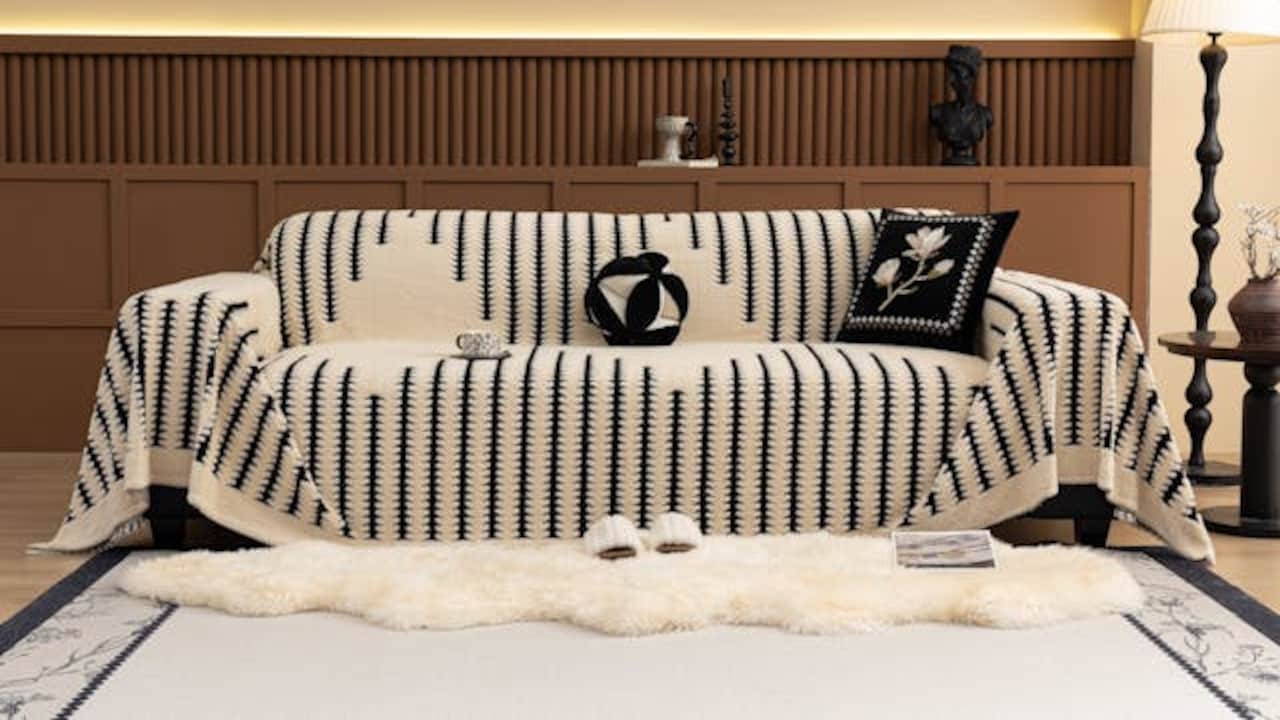
Consider the cushion style before finalising the sofa cover; Photo Credit: Pexels
Online Shopping Pitfalls And Overpromising Photos
Online listings often showcase sofa covers in perfectly styled living rooms. The lighting looks warm, the fabric appears flawless, and the fit seems impeccable. However, these images rarely reflect everyday conditions.
Professional photography hides imperfections. Clips and pins may secure the fabric during shoots, creating an illusion of a snug fit. Once the cover reaches a regular home, it behaves differently.
Customer reviews sometimes reveal these gaps, but not everyone reads them carefully. The excitement of a discount, say a cover priced at ₹799 instead of ₹1,999, can overshadow caution. The result is a purchase driven more by visuals than practicality.
A more mindful approach involves examining multiple images, especially those shared by customers. These provide a realistic view of how the cover performs in everyday settings, helping avoid costly mistakes.
The Role Of Fabric Quality In Fit And Longevity
Fabric quality influences not just comfort but also how well a sofa cover fits over time. Cheaper materials may look appealing initially, but they often lose shape after a few washes. Stretch weakens, seams loosen, and the cover begins to sag.
Higher-quality fabrics maintain their structure better. They adapt to the sofa without excessive stretching and retain their form even after repeated use. While they may cost more, perhaps around ₹1,500 to ₹3,000, they offer better value in the long run.
Texture also matters. Smooth fabrics tend to slip more, requiring frequent adjustments. Slightly textured materials grip the sofa better, staying in place throughout the day.
Investing in good fabric reduces the need for constant maintenance. It transforms the sofa cover from a temporary fix into a reliable addition that enhances the room's overall appeal.
Why Measuring At Home Beats Trusting Labels
Relying solely on manufacturer labels often leads to mismatched expectations. Taking measurements at home provides a clearer picture of what is needed. It accounts for unique features that standard charts overlook.
Measuring does not require specialised tools. A simple tape measure can capture essential dimensions, including seat width, depth, and armrest size. Noting these details helps compare products more accurately.
This approach also highlights irregularities. Slight curves or uneven sections become evident during measurement, guiding better choices. Instead of guessing, buyers can select covers that align closely with their sofa's actual shape.
Though it takes a few extra minutes, measuring at home saves time and money in the long run. It reduces the chances of returns and ensures a more satisfying purchase.
The Cost Of Repeated Wrong Purchases
Buying the wrong sofa cover once feels like a minor inconvenience. Repeating the mistake, however, adds up quickly. Each failed purchase means more money spent and more frustration.
A cover priced at ₹1,000 may not seem expensive at first. But buying three or four unsuitable options pushes the total cost higher than a single well-chosen product. Additionally, returning items can involve effort and sometimes extra charges.
Beyond money, there is the annoyance of constant adjustments and the disappointment of a living room that never looks quite right. These small frustrations accumulate, affecting the overall experience of home comfort.
Making informed choices from the start helps avoid this cycle. It shifts the focus from quick fixes to lasting solutions, ensuring better value and greater satisfaction.
Smarter Buying Habits For A Perfect Fit
Developing smarter buying habits transforms the sofa cover experience. It begins with questioning claims rather than accepting them at face value. Size charts, stretch promises, and promotional images all deserve a second look.
Comparing multiple products, reading reviews, and paying attention to fabric details can guide better decisions. Instead of rushing into a purchase, taking time to evaluate options leads to more reliable outcomes.
Custom-made covers also present a worthwhile alternative. Though slightly more expensive, they offer a precise fit that off-the-shelf options rarely achieve. For those seeking a polished look, this route can prove highly rewarding.
Ultimately, a thoughtful approach ensures that the sofa cover complements the furniture rather than fighting against it. The result is a living space that feels cohesive, comfortable, and well put together.
Products Related To This Article
1. Story@home Beige & Green Printed Microfiber Single Sofa Cover With Arms
2. MULTITEX Rust Striped 1 Piece Sofa Cover Without Arms
3. STITCHNEST Eco friendly & no colour fading Jacquard Washable 3 Seater Sofa Cover
4. HOMETHREADS Cream-Coloured & Cream-Coloured Printed 1 Piece Sofa Cover
5. MULTITEX Cream-Coloured Striped 1 Piece Sofa Cover Without Arms
A sofa cover should enhance a living room, not become a source of constant adjustment and mild irritation. The gap between expectation and reality often stems from misleading size charts and oversimplified claims. Recognising these pitfalls allows for better choices and more satisfying results.\
By focusing on real measurements, understanding fabric behaviour, and questioning marketing promises, it becomes easier to find covers that truly fit. The process may require a bit more effort, but the payoff is worth it, a sofa that looks inviting, stays neat, and reflects thoughtful care.
In the end, the goal is not just to cover a piece of furniture but to create a space that feels complete. A well-fitted sofa cover plays a quiet yet powerful role in achieving that balance.
(Disclaimer: This article may include references to or features of products and services made available through affiliate marketing campaigns. NDTV Convergence Limited (“NDTV”) strives to maintain editorial independence while participating in such campaigns. NDTV does not assume responsibility for the performance or claims of any featured products or services.)











![Steam Iron Teflon Shoe Cover for ES-300,ST-96 [Only For ES-300 and ST-96 Model Electric Steam Irons]](https://m.media-amazon.com/images/I/51wwkttondL._SL160_.jpg)