Top Induction Stove Mistakes People Make And How To Avoid Them
Induction cooktops look sleek, save time, and fit perfectly into fast-paced kitchens. This guide unpacks the most common slip-ups and offers simple ways to get the best out of an induction stove without wasting time, energy or money. Always avoid these 10 induction stove mistakes to ensure better meals and gadget longevity.
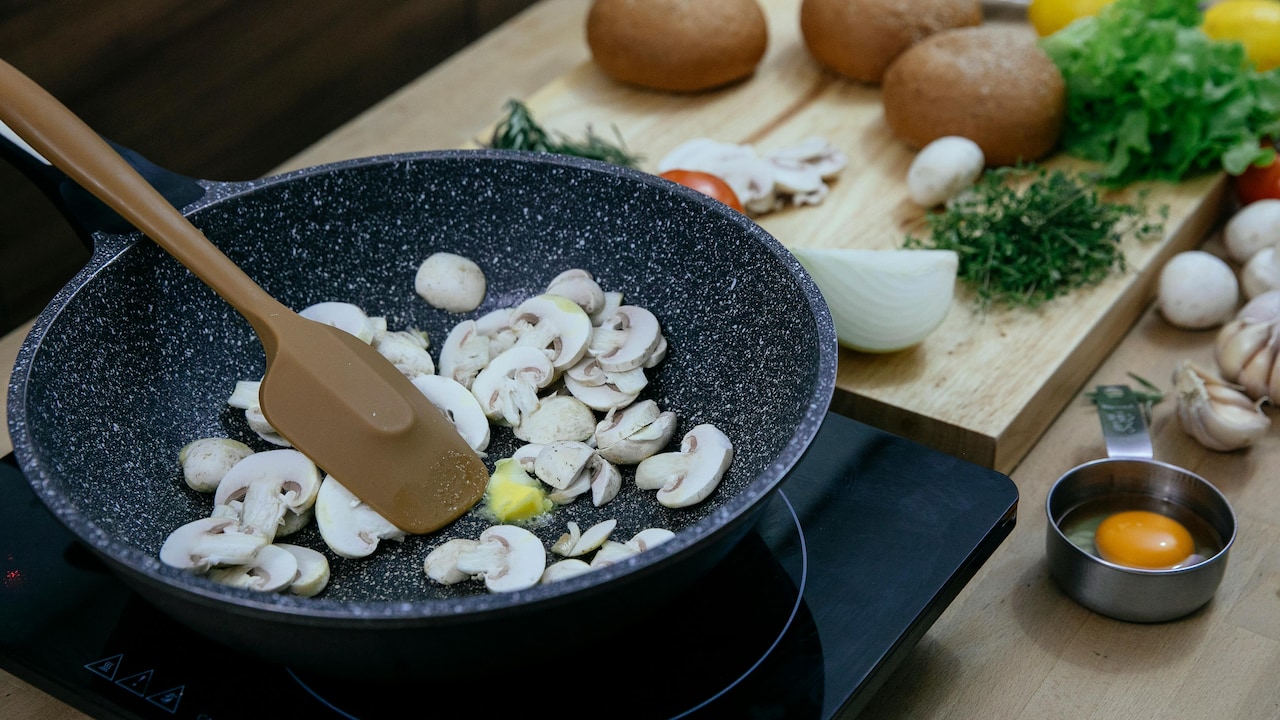
Here Are The Top Induction Stove Mistakes You Must Avoid for Better Cooking And Great Meals.
Induction stoves changed everyday cooking across many homes. The promise feels attractive: faster heating, lower electricity bills, and a cleaner look on the counter. The catch? These stoves work differently from gas. Heat behaves differently, pots respond in surprising ways, and the controls demand some attention. Many people get excited, plug one in, and then struggle with burned curries, flickering pans, or soaring power bills.
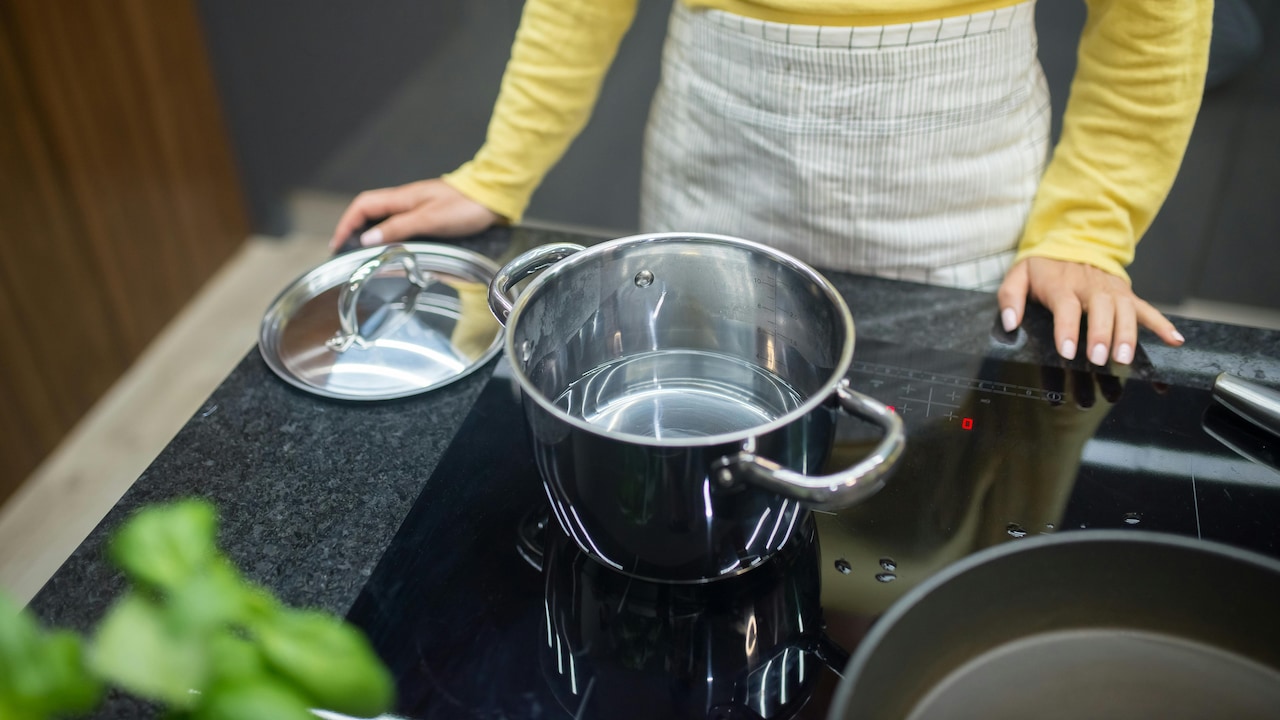
Explore common induction stovetops issues and how to fix them; Photo Credit: Pexels
This article explores mistakes that frequently sneak into daily cooking and highlights easy fixes. Every point offers a relatable scenario, practical advice, and a friendly nudge to help anyone enjoy smooth, efficient cooking with an induction stove. Here we present the top induction stove mistakes and how to avoid making them.
Also Read: Buying An Induction Stove? Donot Overlook These 8 Crucial Features
Where Things Usually Go Wrong in Day-to-Day Cooking
1. Using the Wrong Cookware
Many users pick up shiny steel or aluminium pans without checking whether the base suits an induction stove. The stove relies on magnetic contact, and a non-compatible pan turns into a stubborn problem. The pan either refuses to heat or heats unevenly. That leads to burnt edges, raw centres, and endless irritation.
A simple magnet test solves this. When a magnet sticks to the bottom of a pan, the pan works. Cast iron and induction-friendly stainless steel perform well. They heat quickly, spread heat evenly, and handle everyday demands like boiling milk or frying pakoras. When cookware creates a loud buzzing sound or refuses to sit flat, it signals trouble. A warped base reduces efficiency and increases cooking time. Many kitchens tuck away the induction-friendly pans only for emergencies. Instead, one can build a small reliable set, one kadhai, one saucepan, one tawa. This keeps meals smooth, prevents trial-and-error disasters, and saves money in the long run.
2. Placing the Stove on an Uneven Surface
A wobbly surface may not seem like a major issue, yet it causes plenty of mishaps. An uneven counter forces the stove to vibrate, shifts the pan slightly, and interrupts proper heating. The moment a pan loses full contact, the stove senses an error and stops heating. This frustrates many people who assume the stove has malfunctioned.
A stable, flat countertop makes a huge difference. Granite and tile counters work well. A wooden table works too when it holds the stove firmly. Rubber feet on the base help anchor the stove and reduce vibration. A flat surface prevents accidental spills, especially when boiling milk or simmering dal. A slight tilt pushes liquids to one side and leads to scorching. A few minutes spent checking the surface saves hours of cleaning and prevents damage to delicate electronics inside the stove. Treat the stove as an appliance that thrives on stability and it will perform without drama.
3. Ignoring Power Requirements
Many homes run induction stoves on old wiring or low-power sockets. This causes frequent tripping, uneven heating, or sudden shut-offs. A high-wattage appliance needs proper electrical support. When the wiring cannot handle the load, cooking turns stressful and unsafe.
A dedicated 15A socket with proper earthing handles most induction stoves smoothly. A stabiliser helps when voltage fluctuates during summer or festival seasons. Loose plugs need immediate attention because they spark or heat up. When the stove runs at full power, say while boiling water or frying, poor wiring strains the system. A quick chat with a certified electrician offers clarity on the right setup. The investment protects both the stove and the home. Once the wiring works well, cooking becomes faster, quieter, and more predictable.
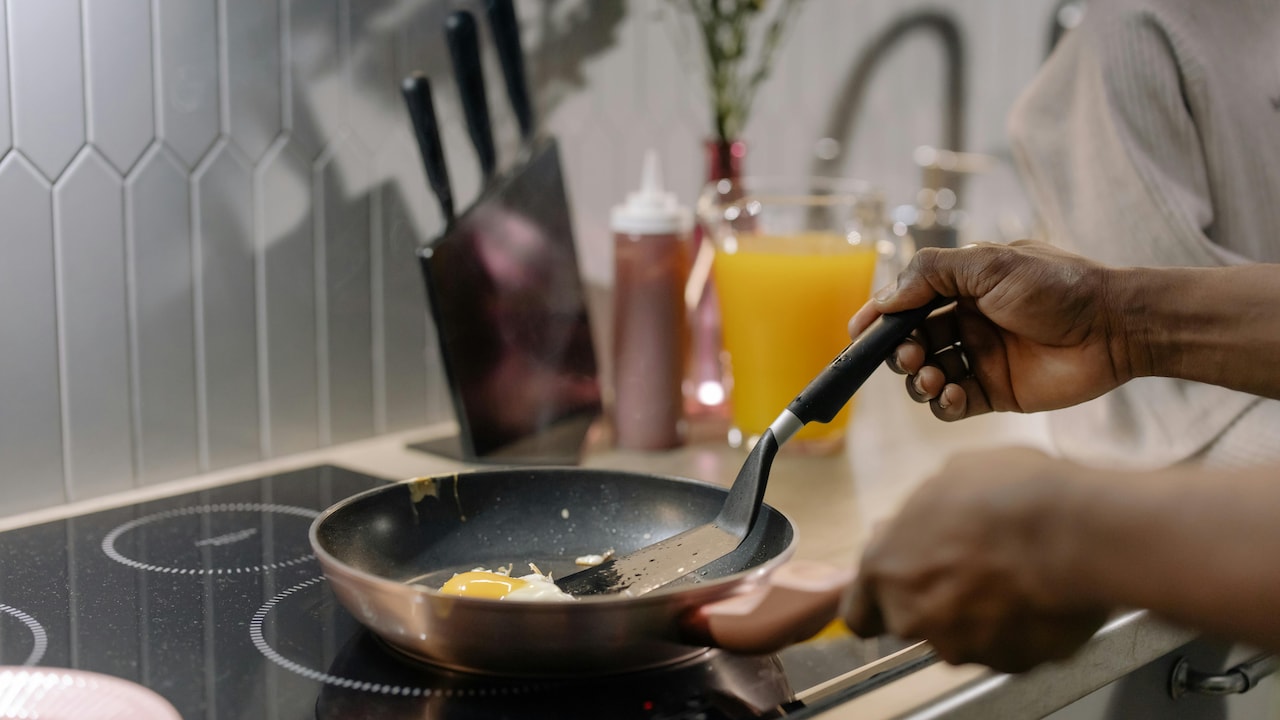
Do not ignore the power requirements of your stovetop; Photo Credit: Pexels
4. Overheating the Pan Before Adding Food
Many people crank the heat to full power and then wait too long before adding oil or ingredients. Induction stoves heat lightning fast, so pans reach high temperatures within seconds. This leads to burnt oil, smoky kitchens, and bitter flavours. The experience feels jarring compared to gas, which heats gradually.
A simple rhythm helps: switch on, choose medium heat, add oil, watch for gentle shimmering, then add ingredients. This keeps spices fragrant and prevents food from sticking. Delicate dishes like upma, pancakes, and dosas turn out better when the pan heats to the correct level instead of searing hot. A measured start allows control over taste, aroma, and texture. The speed of induction feels like a superpower only when one learns to pace it.
5. Neglecting Temperature Settings
Many people stick to the highest power setting for every dish because it feels faster. This approach creates uneven cooking. High heat works only for boiling or rapid frying. Curries, gravies, and slow-cooked dishes need gentler settings. When heat remains too high, onions burn before softening, gravies split, and rice overcooks.
Induction stoves offer precise temperature control. Using these settings transforms cooking. A lower heat helps simmer sambhar, thicken gravies, and melt chocolate without burning. Medium heat browns onions evenly without scorching the edges. Switching between settings feels simple once it becomes a habit. Think of it like driving, full throttle works only when the road remains clear. Each dish has its own sweet spot. Finding that balance leads to consistent, delicious meals and reduces electricity use as well.
6. Keeping the Surface Dirty
Many users leave spills, oil splatters, or starch residue on the induction surface. Over time this builds a layer that interferes with contact between the stove and the pan. Some stains turn stubborn due to repeated heating, which leaves the glass looking dull. Dirt also traps heat and affects sensor accuracy.
A quick wipe after each use prevents all of this. A soft cloth with mild detergent clears stains without scratching the glass. Vinegar helps with tough marks from milk or rice spills. This simple routine keeps the stove looking new and boosts performance. A clean stove also signals better hygiene and makes the kitchen feel inviting. Consider it the same as wiping a dining table after every meal. The few seconds spent on cleaning protect the stove for years.

Avoid keeping your induction stovetop dirty; Photo Credit: Pexels
7. Blocking the Ventilation Area
Every induction stove has small vents that release heat from the internal coils. When someone places the stove too close to a wall or blocks the vents with utensils, heat builds up inside. This strains the circuitry, slows down performance, and shortens the lifespan of the appliance. Some stoves even shut down mid-cooking to protect themselves.
A small gap between the stove and surrounding objects helps airflow. Keeping the back area open prevents heat buildup. This matters even more during long cooking sessions like preparing biryani or festive meals. Ensure no cloth, newspaper, or utensil rests near the vents. These tiny spaces play a big role in performance. Proper ventilation allows the stove to cool naturally and extend its life without extra effort.
8. Using Oversized or Undersized Cookware
Cookware size makes a major impact on induction efficiency. A giant kadhai that extends far beyond the heating ring wastes energy. A tiny pan that barely covers the zone heats unevenly and triggers error codes. In both cases, cooking feels unpredictable and the stove works harder than necessary.
Choosing pans that match the diameter of the heating circle gives the best results. Medium-sized cookware suits everyday meals and balances heat perfectly. This also prevents spills, especially when stirring sabzi or boiling rice. A lid helps trap steam and reduces cooking time. Matching the pan size with the heating area creates a smooth rhythm in the kitchen. It saves electricity, cuts down cooking time, and boosts flavour consistency.
9. Forgetting to Use Preset Modes
Many induction stoves come with preset modes like “Boil”, “Pressure Cook”, “Dosa”, “Deep Fry”, or “Milk”. These modes feel ignored in many homes. People stick to manual settings and miss out on features designed to simplify cooking. Presets adjust heat levels automatically and prevent common mistakes like curdling milk or burning rotis.
These settings help during busy mornings when multitasking becomes unavoidable. A preset for milk reduces the risk of sudden overflow. A dosa mode ensures even browning without constantly checking the heat. Pressure-cooking becomes more predictable as the stove maintains a steady temperature. These little conveniences lighten the daily load. A few minutes spent exploring the buttons reveals helpful options that make everyday cooking smoother and stress-free.
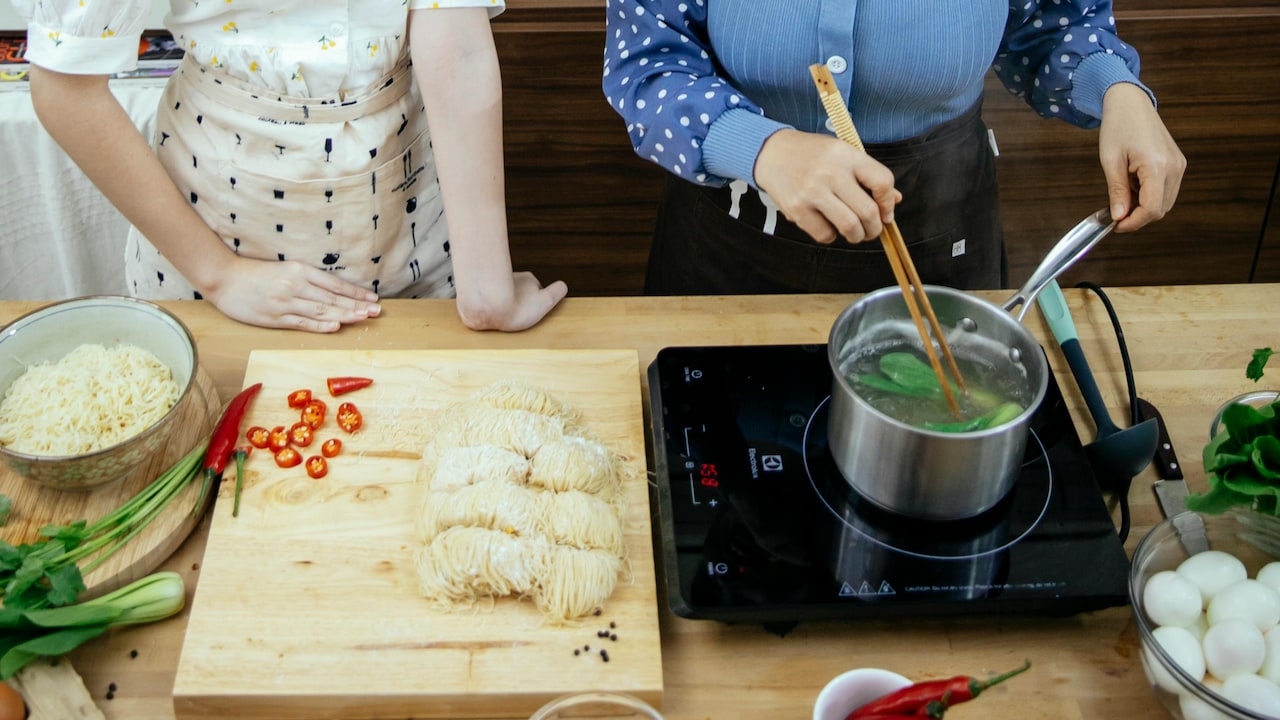
Make the most of your induction cooktop through its preset menus; Photo Credit: Pexels
10. Forgetting to Switch Off Properly
After finishing cooking, many users place the pan aside and walk away without switching off the stove completely. Even in standby mode, the touch panel stays active and sensitive to accidental taps. A child or a small nudge can turn the stove on again. This creates safety concerns and wastes electricity over time.
Switching off at the socket offers a simple solution. It saves power and eliminates accidental activation. Letting the stove cool down before cleaning also protects the glass surface from cracks caused by cold water. These small habits add safety to the kitchen. When the stove stays switched off, the mind feels at ease. A clean break between cooking and cleaning keeps the space organised and less stressful.
Products Related To This Article
1. Glen 2200W Infrared Cooktop Stove with Stainless Steel Grill Rack Touch Control
2. Prestige PIC 20 1600 Watts Induction Cooktop
3. Philips Viva Collection HD4928
4. IBELL SLIM50 Induction Cooktop
5. Cadlec CookEase 2000W Induction Cooktop
6. Philips HD4934/00 1300W Induction Cooktop with Triple MOV
7. Preethi Indicook IC124 Induction Cooktop
Induction stoves offer speed, efficiency, and a modern touch to the kitchen. Yet many people stumble over simple mistakes that reduce performance and create unnecessary frustration. A little understanding of how the stove works transforms the experience. Choosing the right pans, placing the stove correctly, adjusting heat thoughtfully, and keeping the surface clean make a huge difference. With these habits, the stove rewards every user with faster meals, better flavours, and lower bills.
Cooking should feel joyful, not stressful. Once the basics fall into place, an induction stove becomes a reliable companion in every bustling household, quiet, quick, and wonderfully efficient.
(Disclaimer: This article may include references to or features of products and services made available through affiliate marketing campaigns. NDTV Convergence Limited (“NDTV”) strives to maintain editorial independence while participating in such campaigns. NDTV does not assume responsibility for the performance or claims of any featured products or services.)










![Steam Iron Teflon Shoe Cover for ES-300,ST-96 [Only For ES-300 and ST-96 Model Electric Steam Irons]](https://m.media-amazon.com/images/I/51wwkttondL._SL160_.jpg)