Complete Guide To Steam Mopping: Tiles vs. Wood vs. Laminate
Steam mopping sounds simple, but not every floor reacts the same. This guide explains how steam affects tile, wooden and laminate floors, helping you clean safely without damaging your surfaces.
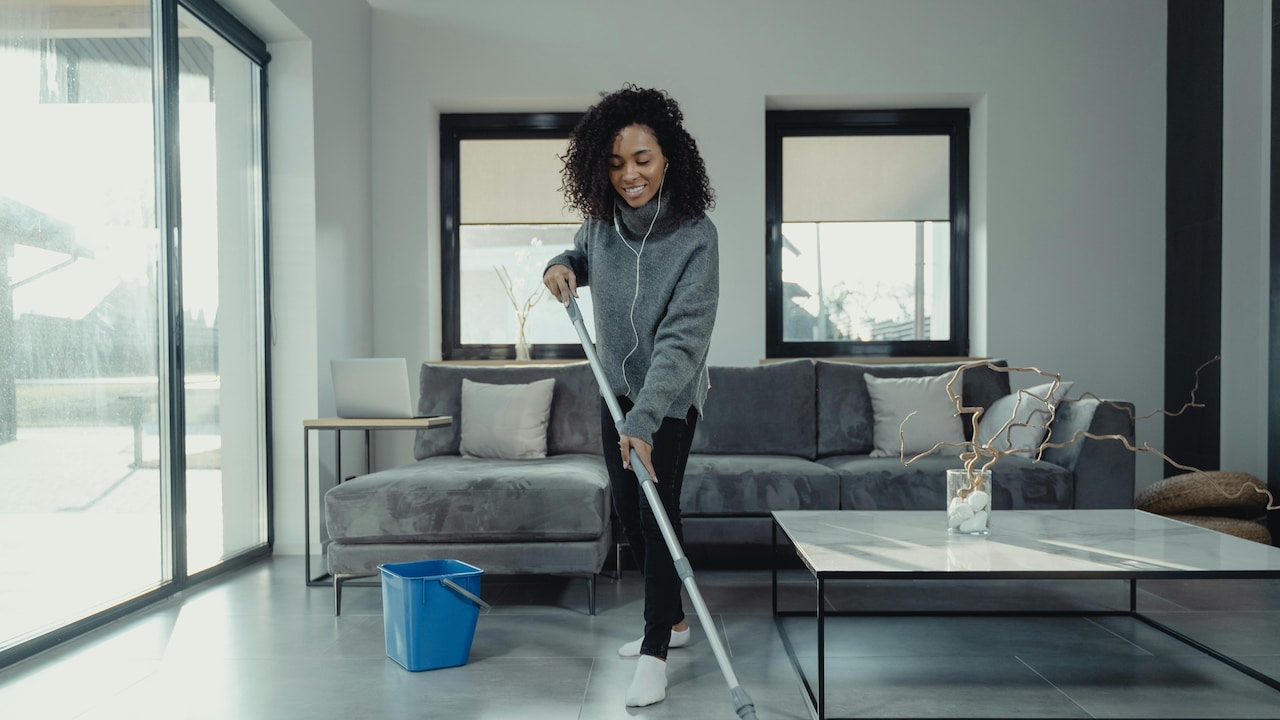
Steam Mopping Guide: Find Out If It Is Safe for Tiles, Wooden, and Laminate Floors.
Floors tell stories. They carry muddy footprints from rushed mornings, tea spills from lazy afternoons, and the aftermath of family gatherings that always seem to end in crumbs everywhere except the plate. Keeping them clean feels like a never-ending chore, especially when traditional mopping leaves behind streaks, soggy patches, or that faint smell of disinfectant that never quite feels comforting.
Steam mopping promises a better way. No harsh chemicals. Less water. Faster drying. It sounds almost too good to be true. But the truth lies in knowing how steam interacts with different surfaces. Tiles love it. Wood fears it. Laminate sits somewhere in between, acting brave but hiding vulnerabilities.
This guide looks at steam mopping through a practical lens, what works, what doesn't, and what needs caution. It aims to help households make cleaning choices, avoid expensive mistakes, and get that satisfying clean without stress.
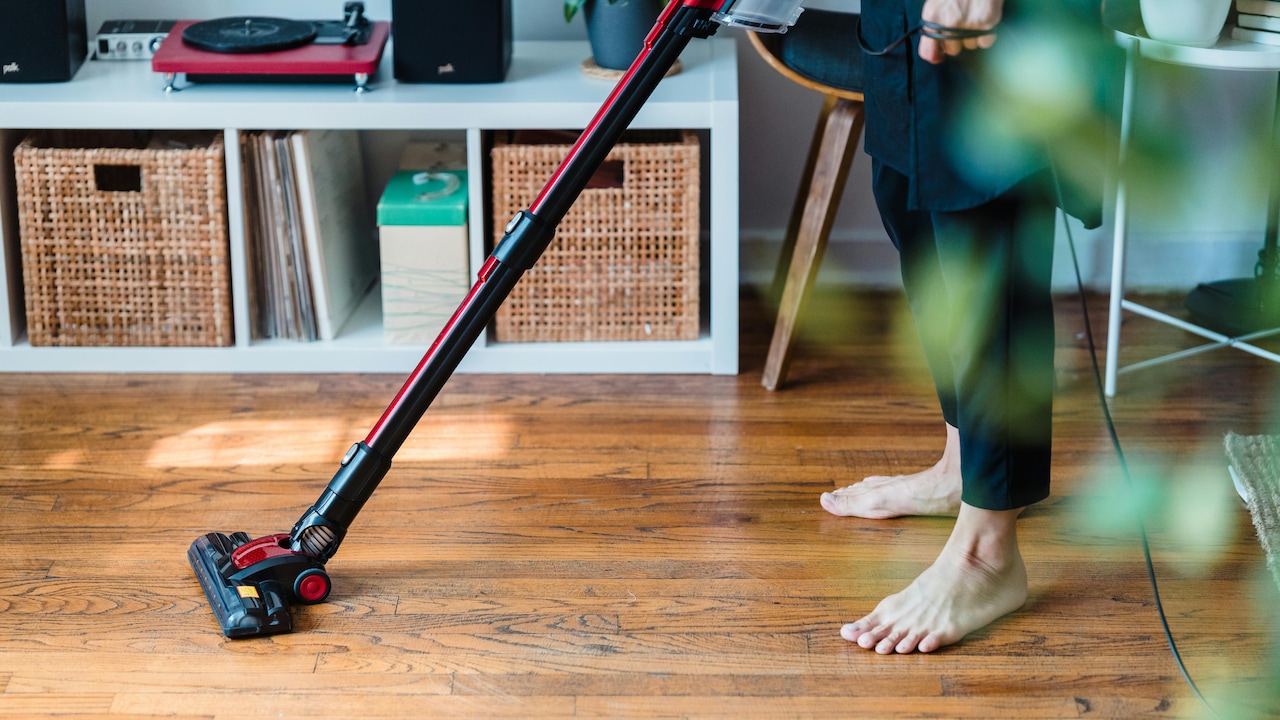
Complete Guide To Steam Mopping: Tiles vs. Wood vs. Laminate; Photo Credit: Pexels
How Steam Mopping Affects Tiles, Wooden And Laminate Floors
1. What Exactly Is Steam Mopping?
Steam mopping uses heated water to produce steam that loosens dirt, grease, and germs from floors. Instead of soaking the surface, it relies on heat and pressure to do the heavy lifting. This makes it appealing for homes that want effective cleaning without chemical residue.
The real charm lies in simplicity. Fill the tank with water, plug it in, and wait a minute or two. The steam comes out hot enough to sanitise surfaces, yet controlled enough to avoid puddles, when used correctly. It works best on sealed, non-porous floors where moisture cannot sneak underneath.
Many households enjoy the instant results. Floors dry quickly. Rooms feel fresher. The mop itself stays relatively clean compared to traditional cloth mops that often smell unpleasant after repeated use. Still, steam mopping is not a one-size-fits-all solution. The type of flooring decides whether steam acts like a helpful guest or an uninvited troublemaker.
2. Why Steam Mops Became So Popular
The rise of steam mops did not happen by accident. Busy lifestyles demand quicker, more efficient cleaning tools. Add growing awareness about hygiene, especially in homes with children or pets, and steam mops start to make perfect sense.
Another reason sits quietly in the background: cost savings. Regular floor cleaners, disinfectants, and polishing liquids add up over time. Steam mops use only water, which feels like a small victory every month when household expenses get reviewed. Spending ₹8,000–₹12,000 once on a decent steam mop often balances out within a year.
There is also an emotional angle. Watching steam lift grime without effort feels oddly satisfying. It turns cleaning into less of a chore and more of a quick reset. However, popularity sometimes leads to misuse. Many people assume steam suits every surface, which brings us straight to the most important comparison.
Also Read: How To Pick A Steam Mop That Works On Both Tiles And Wooden Floors
3. Steam Mopping on Tile Floors
Tiles and steam mops get along beautifully. Ceramic, porcelain, and vitrified tiles handle heat and moisture with ease. Their sealed surfaces prevent water from seeping in, making them ideal candidates for steam cleaning.
Steam loosens stubborn stains between tiles and refreshes grout lines that often trap dirt. Kitchens and bathrooms benefit the most, especially after heavy cooking or humid weather. Floors dry quickly, reducing the risk of slips or that sticky feeling left behind by soap-based cleaners.
A small tip makes a big difference: slow, steady passes. Rushing over tiles wastes steam and reduces cleaning power. Let the heat do its job. For deeply stained grout, repeated passes work better than pressing harder.
For tile-heavy homes, steam mopping feels like a game-changer. It offers hygiene, shine, and convenience without drama. Among all floor types, tiles remain the safest and happiest partner for steam.
4. The Truth About Steam Mopping Wooden Floors
Wooden floors bring warmth and elegance, but they also demand respect. Heat and moisture pose real risks here. Solid wood expands and contracts with humidity, and steam introduces both heat and moisture at once.
Using a steam mop directly on unsealed or poorly sealed wooden floors can cause warping, dull patches, or even cracks over time. The damage may not appear immediately, which makes it more frustrating. By the time the problem shows, repairs often cost far more than the mop itself.
Some manufacturers claim their wooden floors can handle steam on the lowest setting. While that may hold for well-sealed engineered wood, caution remains essential. Quick passes, minimal steam, and immediate drying help reduce risk.
For most households, traditional damp mopping or specialised wood cleaners remain safer choices. Wooden floors reward gentle care. Steam mopping them often feels like testing luck rather than practising smart cleaning.
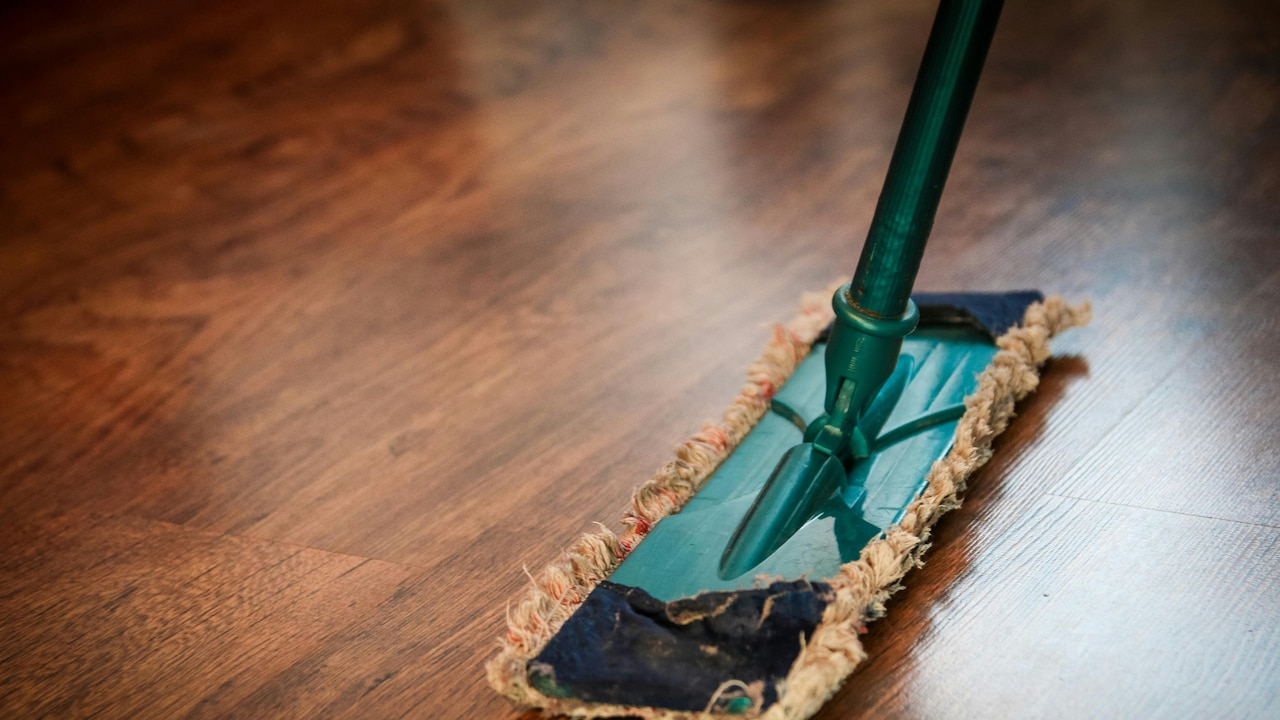
Complete Guide To Steam Mopping: Tiles vs. Wood vs. Laminate; Photo Credit: Pexels
5. Laminate Floors: The Middle Ground
Laminate floors look tough, but they hide a sensitive core. The top layer resists scratches and stains, yet the inner layers react poorly to moisture. Steam can sneak into seams, causing swelling or peeling over time.
Some modern laminates claim steam compatibility, but real-world conditions rarely match lab tests. Tiny gaps between planks act like open invitations for moisture. Once damage begins, repairs usually mean replacing entire sections.
If steam mopping becomes unavoidable, restraint matters. Use the lowest steam setting, keep the mop moving, and avoid lingering in one spot. Floors should feel barely damp, not warm and wet.
Many households choose microfibre mops or spray mops for laminate floors instead. They offer control without the risk. Laminate may tolerate steam occasionally, but it never truly welcomes it.
6. Hygiene, Germs, and Everyday Reality
Steam mops promise sanitisation, and science supports that claim. High-temperature steam kills many common bacteria and dust mites without chemicals. This matters in homes where crawling toddlers, barefoot mornings, and shared spaces blur hygiene lines.
Yet steam does not replace regular cleaning habits. Grease, food spills, and sticky residues still need basic wiping before steam works effectively. Think of steam as a deep cleaner, not a miracle worker.
There is also a psychological benefit. Clean floors feel different. Rooms smell neutral, not perfumed. That subtle freshness often improves mood, especially after long workdays or crowded weekends.
Still, hygiene depends on correct use. Dirty mop pads spread grime instead of removing it. Washing pads regularly and replacing them when worn keeps the process honest and effective.
7. Choosing the Right Steam Mop
Not all steam mops deserve a spot in the cupboard. Lightweight models suit small flats, while larger homes benefit from sturdier builds and bigger water tanks. Adjustable steam settings matter greatly, especially for mixed flooring.
Budget options around ₹5,000 work fine for tiles, but higher-end models offer better control and durability. Swivel heads, washable pads, and quick heat-up times add convenience.
Avoid falling for unnecessary attachments unless they serve real needs. Fancy tools look impressive but often stay unused. A reliable mop with strong steam control beats a bulky gadget every time.
Before buying, check warranty terms and the availability of spare pads. A steam mop works only as well as its maintenance allows.
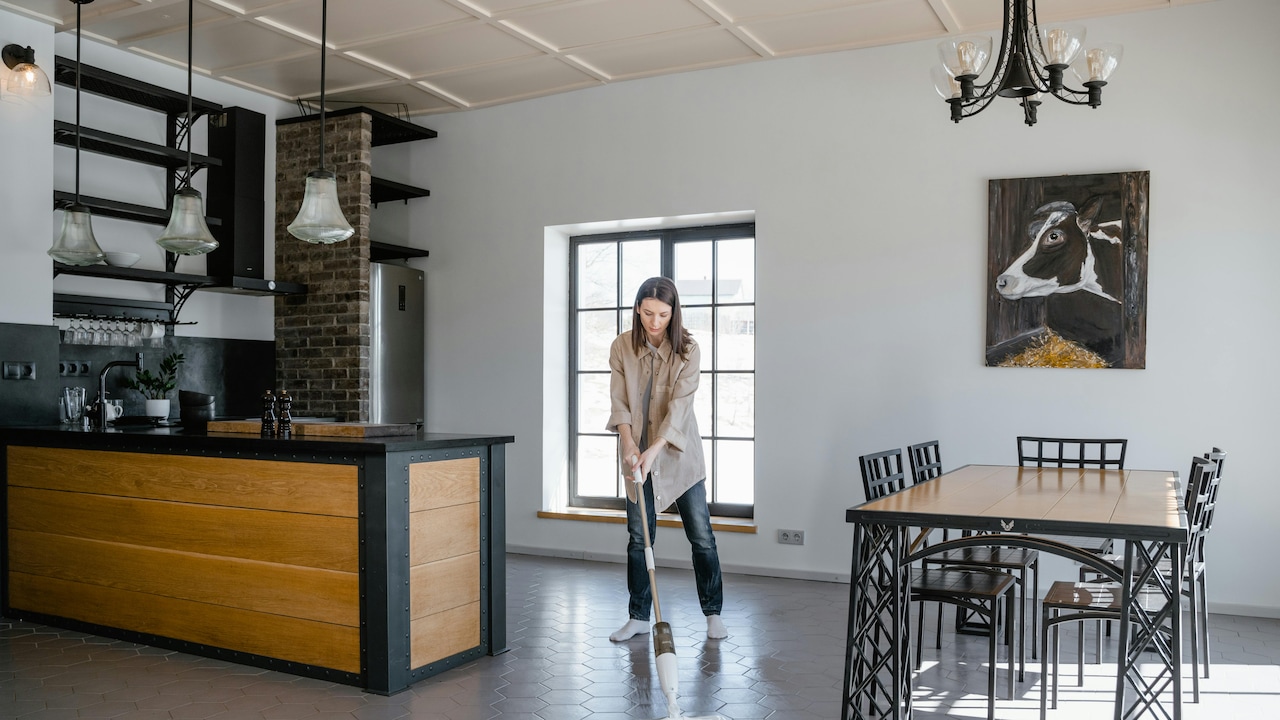
Complete Guide To Steam Mopping: Tiles vs. Wood vs. Laminate; Photo Credit: Pexels
8. Common Mistakes to Avoid
Many steam mop problems start with enthusiasm. Overfilling tanks, pressing down too hard, or using steam on unsuitable floors causes avoidable damage.
Another mistake involves skipping basic cleaning. Steam works best on surfaces free from loose dirt. Sweeping or vacuuming first saves time and protects floors from scratches.
Ignoring manufacturer guidelines also creates trouble. Every floor and mop comes with instructions for a reason. Reading them once prevents years of regret.
Finally, storing mops with damp pads invites unpleasant smells. Air-drying pads after use keeps things fresh and extends their life.
9. Steam Mopping During Monsoon and Festivals
Humidity changes everything. During monsoon months, floors take longer to dry, and excess moisture lingers. Steam mopping tiles still works well, but wooden and laminate floors need extra caution.
Festival seasons bring heavy foot traffic, spills, and decorations that shed glitter everywhere. Steam mops help reset floors quickly after celebrations, especially in tiled living spaces.
Timing matters. Steam mopping during dry hours of the day speeds up drying and prevents that clammy feel underfoot. A little planning turns steam into an ally, not a hassle.
10. Is Steam Mopping Worth It?
Steam mopping earns its place when used thoughtfully. For tiled homes, it feels almost essential. For wooden and laminate floors, it demands restraint and awareness.
The real value lies in understanding limits. Steam mops do not replace every cleaning tool, but they complement existing routines beautifully. Used wisely, they save time, reduce chemical use, and keep floors looking their best.
The smartest households treat steam as a specialist, not a generalist. That mindset makes all the difference.
Products Related To This Article
1. Hoover Steam Fresh Combi 2 in 1 Multi-Surface Powerful Steam Mop
2. Domestica Steamo 10-In-1 Steam Cleaner For Home Cleaning With 2 Steam Modes
3. DREAME D10 Plus Gen 2 Robot Vacuum and Mop
4. AGARO Regency Electric Spin Mop for Floor Cleaning,
5. Lifelong Electric Mop for Floor Cleaning
Steam mopping shines brightest when matched with the right surface. Tiles embrace it, wood resists it, and laminate tolerates it carefully. Understanding these differences transforms steam mopping from a risky experiment into a reliable routine.
Clean floors set the tone for the entire home. They influence comfort, hygiene, and even mood. With the right knowledge and a touch of patience, steam mopping becomes less about trends and more about sensible living.
In the end, the best cleaning method respects the floor beneath it. Steam, when used wisely, does exactly that.
(Disclaimer: This article may include references to or features of products and services made available through affiliate marketing campaigns. NDTV Convergence Limited (“NDTV”) strives to maintain editorial independence while participating in such campaigns. NDTV does not assume responsibility for the performance or claims of any featured products or services.)










![Steam Iron Teflon Shoe Cover for ES-300,ST-96 [Only For ES-300 and ST-96 Model Electric Steam Irons]](https://m.media-amazon.com/images/I/51wwkttondL._SL160_.jpg)