Why Bath Mats Stay Damp All Day And The Best Fast-Drying Materials To Choose
Why do bath mats stay damp? Mostly due to poor airflow and dense fibers; choose fast-drying materials like microfiber, bamboo, or quick-dry cotton weaves to prevent lingering moisture.
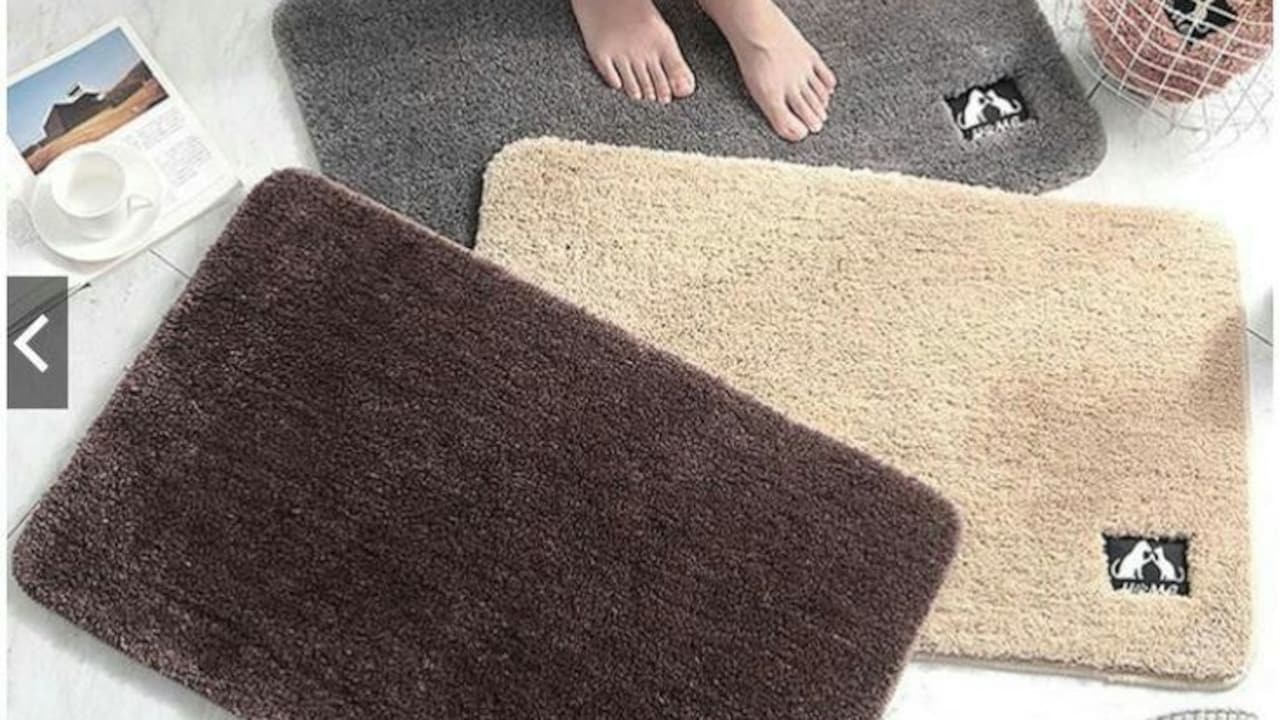
Do Your Bath Mats Stay Damp All Day? Here Are The Fabrics to Avoid And Best Quick-Drying Materials.
The bathroom often sets the tone for the day. A rushed morning shower or a slow evening soak both end the same way, with feet reaching for a bath mat. When that mat feels cold and damp, the mood drops instantly. Those factors matter, yet fabric choice plays a bigger role. Some bath mats soak up water like a sponge and refuse to let it go. Others release moisture quickly and stay fresh between uses. This article explores why bath mats stay wet, which fabrics cause trouble, and which materials work best for quick drying. Expect practical advice, relatable examples, and a few gentle truths about habits that keep mats damp longer than needed.
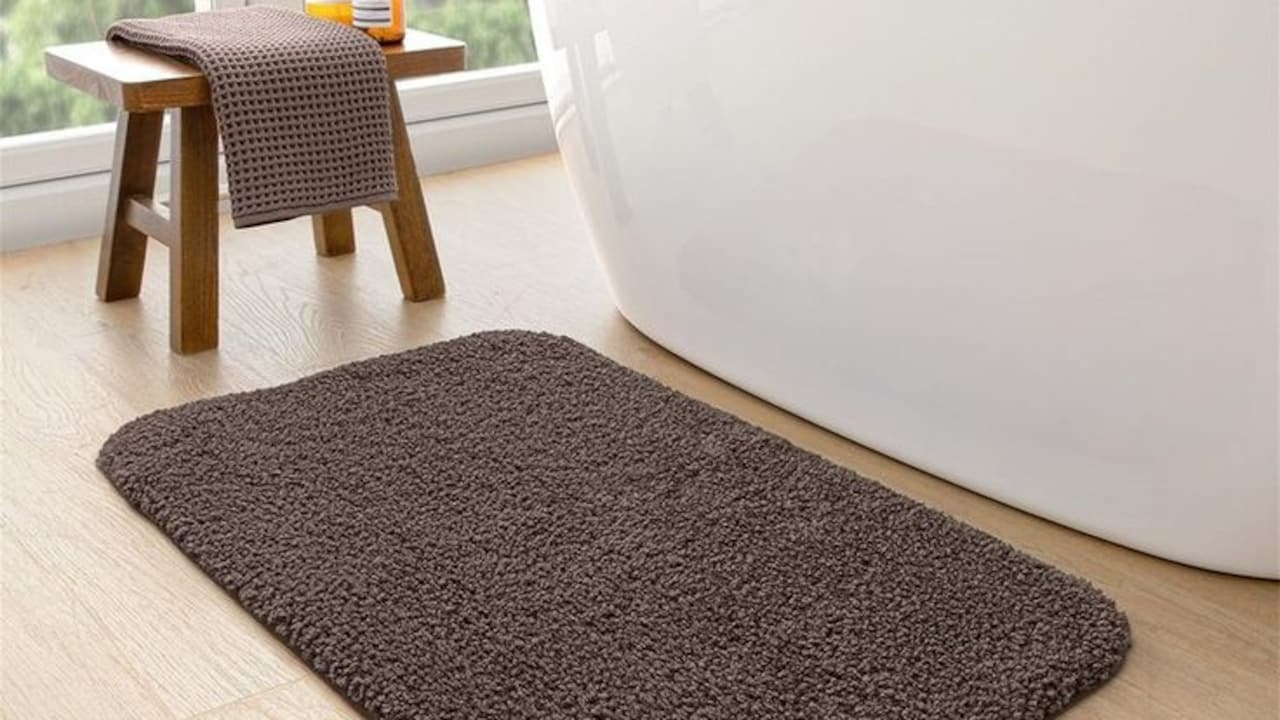
Why Bath Mats Stay Damp All Day And What Fast-Drying Materials To Choose; Photo Credit: Pexels
Bath Mat Fabrics Explained: Which Ones Stay Wet And Which Don't
1. Why Bath Mats Stay Damp All Day
Bath mats face a tough job. They catch dripping water, steam, and splashes several times a day. In homes where multiple people share one bathroom, the mat rarely gets a break. Thick fibres trap moisture deep inside, especially when the mat sits flat on the floor.
Humidity adds to the problem. After a hot shower, warm air holds moisture and slows evaporation. Poor airflow keeps that dampness locked in. Mats placed near the shower or tub absorb extra water from splashes, even when no one notices.
Another overlooked factor involves washing habits. Fabric softeners coat fibres and reduce their ability to release water. Over time, the mat dries more slowly and smells musty. Folding or hanging mats improperly also traps moisture.
Understanding these everyday triggers helps explain why some mats never seem to dry. The next step involves recognising which fabrics worsen the issue.
2. Cotton Bath Mats: Soft Yet Sneaky
Cotton bath mats feel comforting underfoot. Many people choose them for softness and affordability. Prices often start around ₹400, which feels reasonable for daily use. Yet cotton hides a flaw that becomes clear over time.
Cotton fibres absorb water quickly and hold onto it. Thick cotton mats trap moisture deep within the weave. Even after hours, the underside may remain wet. This lingering dampness encourages odours and bacterial growth.
Frequent washing helps, but cotton mats take longer to dry after laundry, too. In smaller homes without outdoor drying space, this becomes a hassle. Hanging a heavy cotton mat indoors raises humidity further.
Cotton suits dry climates or rarely used bathrooms. In busy households, it struggles to keep up. Those who love cotton should choose thinner weaves and avoid plush styles. Otherwise, that cosy mat may turn into a daily disappointment.
Also Read: Floor Mat Care: How Often To Wash, Rotate And Replace Your Floor Mat - Apply This Hygiene Rule
3. Memory Foam Mats: Comfort That Clings to Water
Memory foam bath mats promise spa-like comfort. Stepping onto one feels luxurious, especially after a long day. The foam compresses gently and supports tired feet. However, this comfort comes at a cost.
Memory foam absorbs water and dries painfully slowly. The foam core traps moisture beneath the surface fabric. Even when the top feels dry, the inside often stays wet. This hidden dampness leads to mould spots and unpleasant smells.
Many memory foam mats include a rubber backing. While this prevents slipping, it blocks airflow from below. Without air circulation, moisture lingers longer. Frequent machine washing damages the foam and shortens the mat's life.
These mats suit guest bathrooms with limited use. For daily showers, they demand more care than most homes can offer. Comfort feels great for a moment, but dryness matters far longer.
4. Chenille Mats: Fluffy but Problematic
Chenille bath mats attract attention with their thick, noodle-like texture. They look playful and feel plush underfoot. Children often enjoy stepping on them. Yet chenille struggles with moisture management.
The long fibres trap water between strands. After one shower, the mat may feel soaked. With repeated use, it rarely dries fully. Dust and hair cling easily to the damp fibres, making the mat look untidy fast.
Cleaning chenille mats proves tricky. Washing loosens fibres and reduces softness. Drying takes hours, sometimes longer in humid weather. The rubber backing, common in chenille designs, again blocks airflow.
Chenille suits decorative bathrooms that see light use. In everyday settings, it becomes a breeding ground for odours. The charm fades quickly when dampness refuses to leave.
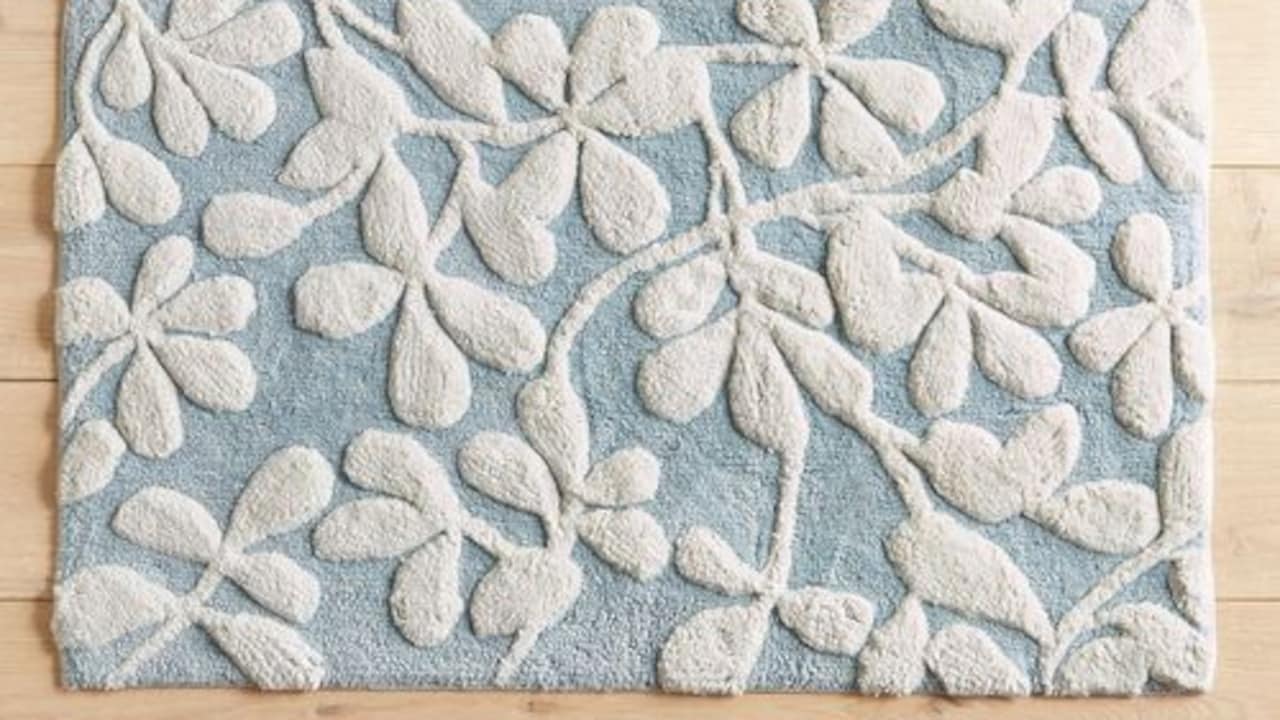
Why Bath Mats Stay Damp All Day And What Fast-Drying Materials To Choose; Photo Credit: Pexels
5. Microfibre Mats: Absorbent but Balanced
Microfibre bath mats offer a middle ground. They absorb water efficiently yet release it faster than cotton or chenille. The fine synthetic fibres spread moisture across a larger surface area, which speeds up drying.
Many households favour microfibre for this balance. Prices range widely, often between ₹600 and ₹1,200. Thinner microfibre mats dry quicker than plush versions. Choosing quality matters, as cheaper options lose effectiveness over time.
Microfibre resists mould better than natural fibres. It also feels soft without becoming heavy when wet. Regular washing keeps it fresh, and it dries faster on a line or rack.
For busy bathrooms, microfibre offers practicality without sacrificing comfort. It may not feel as indulgent as memory foam, but it handles daily use with ease.
6. Bamboo Bath Mats: Nature's Quick-Drying Choice
Bamboo bath mats stand apart from fabric options. Made from slats or strips, they do not absorb water. Instead, water drains through gaps and evaporates quickly. This design keeps the surface dry within minutes.
Bamboo resists mould and odours naturally. It suits humid climates and bathrooms with limited ventilation. Cleaning involves a simple wipe, which saves time and effort. Prices often start around ₹1,500, reflecting durability and style.
The firm surface surprises first-time users. Some miss the softness of fabric mats. Adding a small cotton towel nearby solves this for sensitive feet.
Bamboo mats last longer than most fabric options. They also add a modern, spa-like look to the bathroom. For those tired of damp mats, bamboo offers a refreshing change.
7. Diatomaceous Earth Mats: The Fastest Drying Option
Diatomaceous earth bath mats feel almost magical. Made from natural sediment, they absorb water instantly and dry within seconds. Step out of the shower, and footprints vanish before the next step.
These mats work through rapid absorption and evaporation. They never feel soggy and resist bacterial growth. Households with heavy bathroom traffic benefit greatly from this technology.
Diatomaceous mats cost more, often ₹2,500 or higher. They also feel hard underfoot, similar to stone. Dropping them may cause cracks, so handling requires care.
Despite these drawbacks, their performance impresses. No washing, no lingering dampness, and no smells. For those who value hygiene and convenience, this option stands at the top.
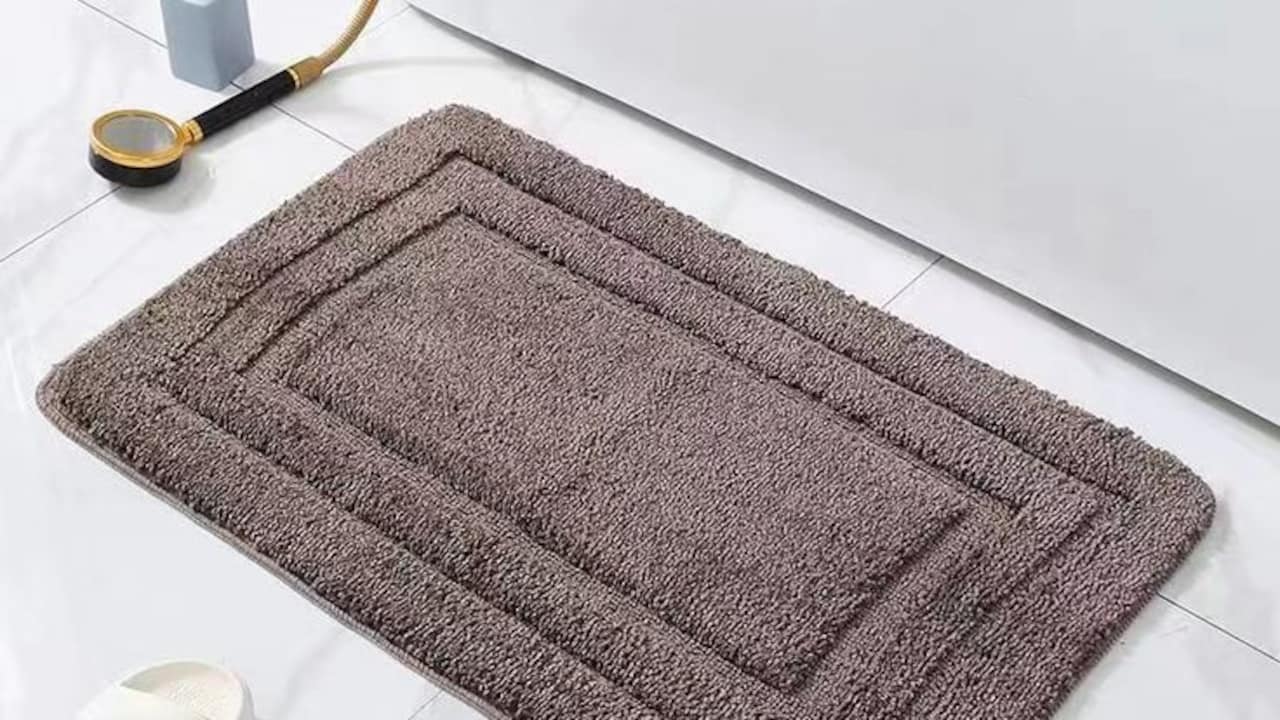
Why Bath Mats Stay Damp All Day And What Fast-Drying Materials To Choose; Photo Credit: Pexels
8. Rubber and PVC Mats: Waterproof Yet Tricky
Rubber and PVC bath mats often appear inside showers or tubs. They prevent slipping and resist water absorption. On the surface, they seem ideal for staying dry.
However, water pools on top rather than soaking in. Without proper drainage, the surface stays wet until wiped or shaken. The underside may trap moisture against the floor, especially without airflow.
These mats suit wet zones rather than stepping areas. Using them outside the shower leads to puddles and slippery surfaces. Regular cleaning matters, as soap residue builds up quickly.
Rubber and PVC play a supporting role in bathroom safety. They work best alongside a separate quick-drying mat outside the shower area.
9. How Bathroom Habits Affect Drying Time
Even the best bath mat struggles against poor habits. Leaving a mat crumpled on the floor traps moisture. Hanging it over a rod or chair improves airflow and speeds drying.
Ventilation matters more than many realise. Opening a window or running an exhaust fan after showers reduces humidity. This small step helps mats dry faster and stay fresher.
Washing mats correctly also makes a difference. Skipping fabric softener allows fibres to release water efficiently. Using warm water removes oils and residue that trap moisture.
Rotating between two mats gives time to dry fully. This simple habit extends lifespan and improves hygiene. Sometimes, the solution lies not in the mat, but in daily routines.
10. Choosing the Right Bath Mat for Everyday Life
Selecting the right bath mat involves balancing comfort, drying speed, and maintenance. Homes with children, elders, or shared bathrooms need fast-drying materials that stay safe and clean.
Consider bathroom size, ventilation, and usage frequency. Plush mats suit occasional use, while bamboo or diatomaceous options handle heavy traffic better. Budget also plays a role, yet investing slightly more often saves replacement costs later.
Texture matters too. Some prefer softness, others value firmness and hygiene. Trying different materials reveals personal preferences quickly.
A bath mat may seem like a small detail. Yet it affects comfort, cleanliness, and mood every single day. Choosing wisely transforms a minor annoyance into a quiet pleasure.
Products Related To This Article
1. Fabindia Off White Textured 1450 GSM Anti Skid Bath Rugs
2. bsb home Navy Blue 1300 GSM Water Absorbent Bath Rug
3. LUXEHOME INTERNATIONAL Vegas Beige 2800 GSM Ultra Soft Microfibre Anti-Skid Bath Rugs
4. Deoxys Set Of 2 110GSM Kitchen Rugs Set
5. Homio Blue Anti-Slip Microfibre 2000GSM Bath Rug
6. FAVRIA Green Anti Slip Scrubber BathMat
7. OBSESSIONS Yellow & White Printed Reversible 1800 GSM Bath Rug
A damp bath mat feels like a small problem until it becomes a daily irritation. Moisture, smells, and slow drying turn comfort into compromise. Fabric choice shapes this experience more than most realise. Pairing the right material with better habits creates lasting results. A dry mat welcomes tired feet and keeps bathrooms fresher. Sometimes, comfort begins with choosing what dries fastest.
(Disclaimer: This article may include references to or features of products and services made available through affiliate marketing campaigns. NDTV Convergence Limited (“NDTV”) strives to maintain editorial independence while participating in such campaigns. NDTV does not assume responsibility for the performance or claims of any featured products or services.)