Why Grilled Food Becomes Dry: Common Temperature and Moisture Mistakes
Dry grilled food is rarely about bad ingredients. Its usually caused by simple mistakes with heat, timing, and moisture. Heres why grilling often goes wrong and how to fix it. Cook your grilled food to perfection without drying them up with these simple tips.
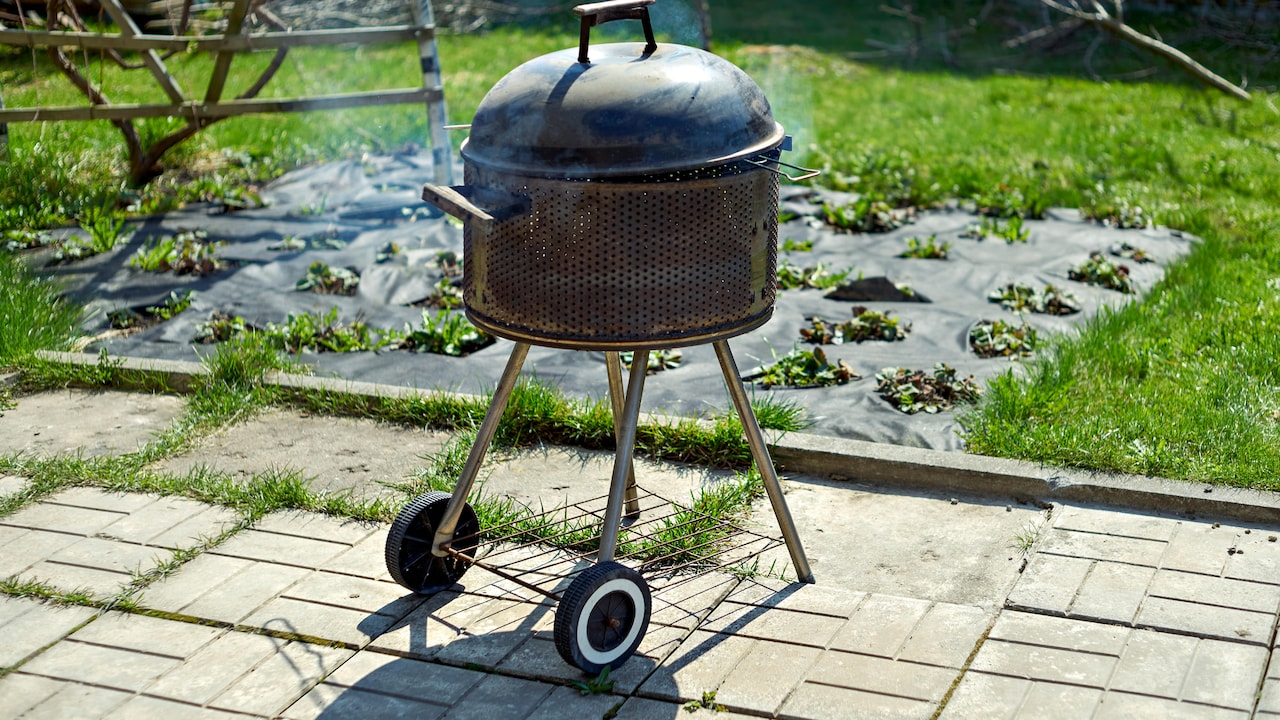
Why Grilled Food Becomes Dry: Avoid These Common Temperature and Moisture Cooking Mistakes.
Grilling holds a special place in home cooking. The aroma of spices hitting hot metal, the gentle sizzle, and the anticipation of that first bite feel almost celebratory. Rooftop gatherings, small balconies, and roadside grills all share this ritual. Yet, the outcome often misses expectations. Instead of juicy paneer, vegetables, or meat, the plate carries something stiff and dry.
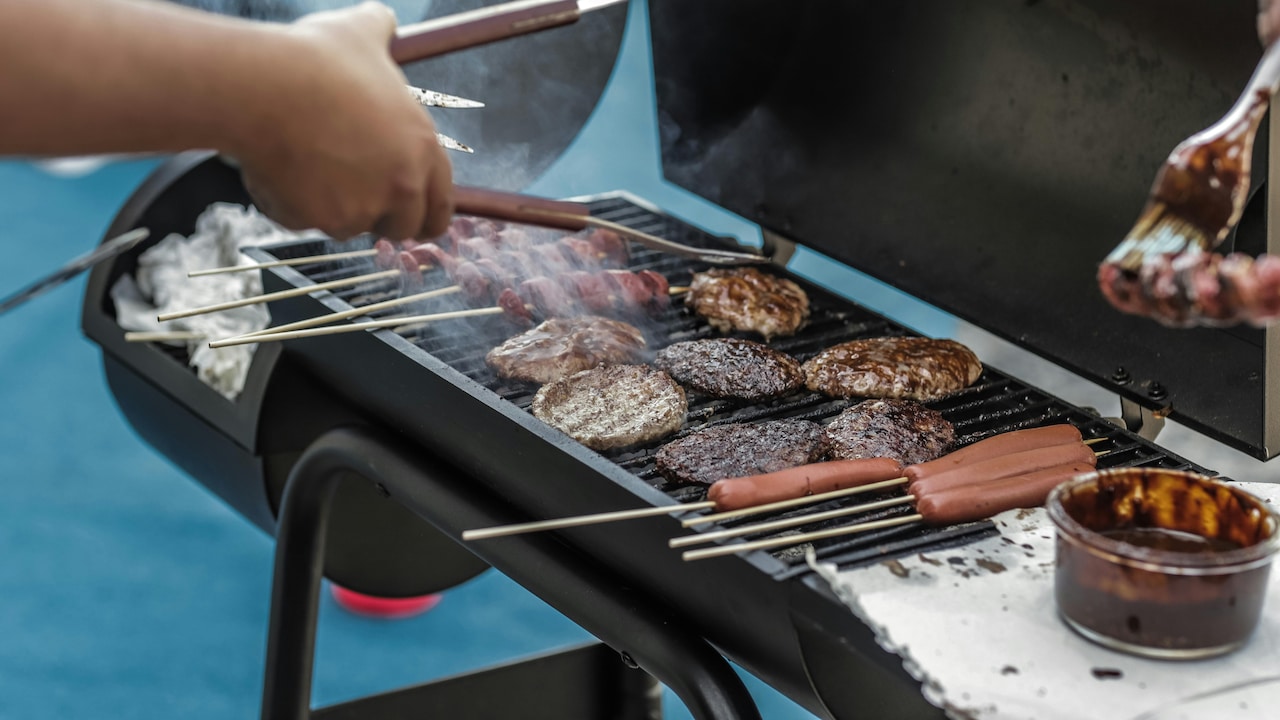
Prevent your food from becoming dry or stiff with these top tips and tricks; Photo Credit: Pexels
The problem rarely lies with the ingredients. Fresh produce and good cuts can still lose moisture if handled poorly. Heat, timing, and water content work together in delicate ways. When one slips out of balance, dryness follows. Understanding these details does not require fancy tools or professional training. It only needs awareness, patience, and a few adjustments in technique. The following sections explore the most common grilling mistakes and how they quietly drain moisture from food.
Also Read: Barbecue Lovers Ask: What's The Best Foldable BBQ Grill Under Budget?
Small Grilling Habits That Quietly Dry Out Your Food
1. Cooking Over Heat That Is Too High
High heat feels tempting. Flames look exciting, and quick cooking sounds efficient. Unfortunately, intense heat often turns juicy food dry. When the grill runs too hot, the moisture inside the food escapes rapidly. The outer layer chars before the inside cooks evenly. This seals nothing. It only shocks the food.
Many home grills lack temperature gauges, so judgment relies on instinct. If the grill surface smokes aggressively before food touches it, the heat is excessive. Spices burn, sugars blacken, and proteins tighten fast. This tightening pushes out natural juices, leaving a tough bite.
Lower, controlled heat allows moisture to stay trapped longer. Food cooks through gently while forming a golden crust. This balance takes patience but rewards every bite. Adjusting vents, spreading coals evenly, or simply waiting a few minutes before placing food can make a noticeable difference. Good grilling values control over speed.
2. Skipping the Resting Time Before Grilling
Straight-from-the-fridge grilling causes dryness more often than expected. Cold food reacts badly to sudden heat. The outer surface cooks too fast while the inside lags behind. This uneven cooking squeezes moisture out as proteins contract abruptly.
Allowing food to rest at room temperature for a short while helps greatly. Paneer, vegetables, or meat cook more evenly when they start closer to ambient temperature. The heat penetrates gradually instead of shocking the surface.
This step feels minor, but it changes the texture dramatically. Even ten to fifteen minutes outside the fridge helps fibres relax. The result tastes softer and more balanced. Resting also improves spice absorption and surface browning. Skipping this step often leads to dryness, even when everything else seems right.
3. Using Marinades Incorrectly
Marinades promise moisture and flavour, yet misuse causes the opposite effect. Many marinades rely heavily on acidic ingredients like lemon juice, vinegar, or curd. Left too long, these acids break down proteins excessively. The surface turns mushy, then dries out quickly on the grill.
Another mistake lies in uneven coating. Thick marinades burn on the outside while the inside remains under-seasoned. Burnt spice layers block moisture escape at first, then crack, allowing juices to escape rapidly.
Balanced marinades matter. Fat, mild acid, salt, and spices should work together. Oil helps retain moisture and prevents sticking. Timing matters just as much as ingredients. Short marination works better for delicate foods. Longer soaking suits tougher cuts. Thoughtful marination protects moisture instead of stealing it.
4. Overcooking in the Name of Safety
Fear of undercooking leads many cooks to keep food on the grill far too long. This habit dries out food faster than almost any other mistake. Moisture evaporates steadily as cooking continues. Past a certain point, no juice remains to save texture.
Visual cues help more than timing alone. Clear juices, gentle firmness, and even colour signal doneness better than guessing minutes. Paneer turns rubbery when left too long. Vegetables shrivel and lose sweetness. Meat fibres tighten and release their last drops of moisture.
Cooking with confidence prevents this. Removing food slightly earlier than expected allows residual heat to finish the job. This small leap of faith often separates juicy results from dry disappointment. Trusting senses matters more than strict rules.
5. Pressing or Flattening Food While Grilling
Pressing food against the grill feels satisfying. The sizzle sounds louder, and the surface looks crisp. Sadly, this action forces precious juices out. Every press squeezes moisture directly into the flames.
This habit often goes with burgers, kebabs, and paneer slices. The intention focuses on even cooking, but the result sacrifices tenderness. The food ends up dense and dry, despite a nice char.
Letting food cook undisturbed preserves internal moisture. Natural fat and water circulate within, keeping the texture soft. Turning gently and only when necessary protects the structure. Grilling rewards restraint. Less handling often leads to better results and happier plates.
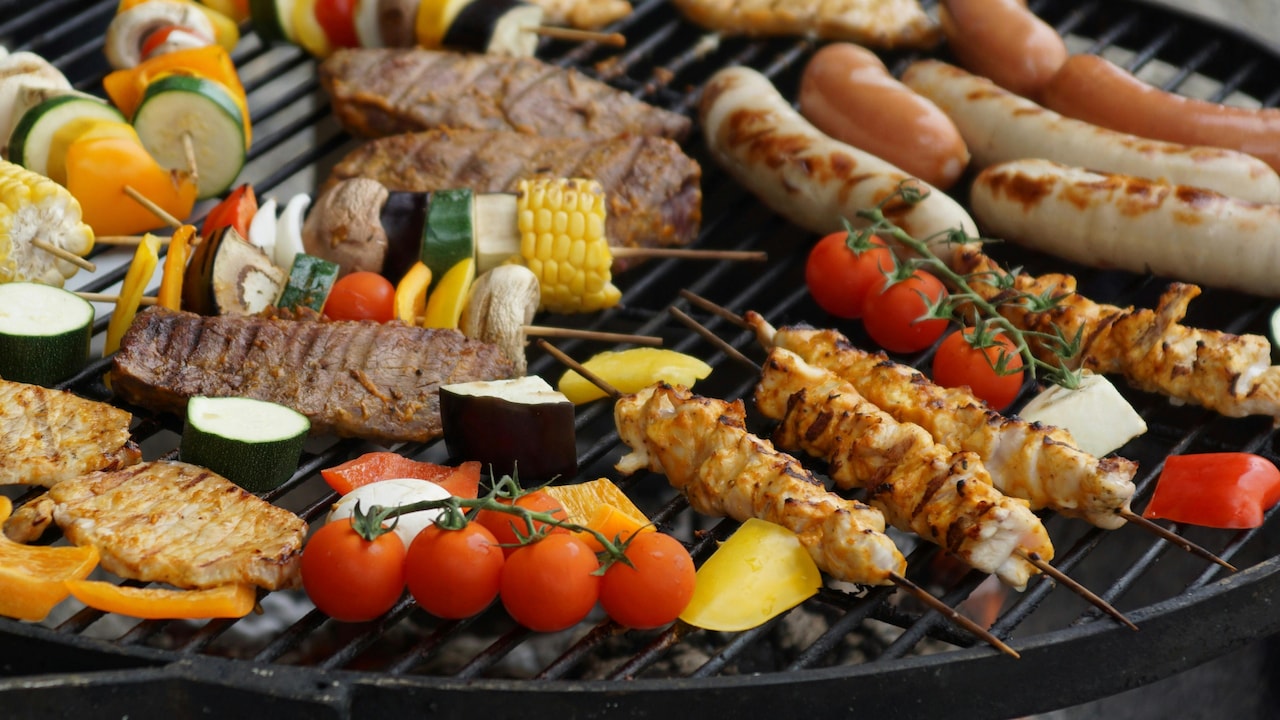
Avoid pressing food too hard on the grill to prevent it from becoming dry; Photo Credit: Pexels
6. Ignoring the Importance of Oil and Fat
Fat plays a quiet but vital role in grilling. It carries flavour and shields moisture. Lean foods dry out faster because nothing slows water loss. Skipping oil altogether creates unnecessary dryness.
A light coating of oil prevents sticking and promotes even browning. It also reduces direct moisture evaporation from the surface. Many vegetables, especially mushrooms and capsicum, rely on oil to stay juicy on the grill.
Choosing the right fat matters too. Oils with higher smoke points handle grilling better. Butter burns quickly, leaving bitterness and dryness behind. Using oil wisely enhances flavour while protecting moisture. Fat does not ruin grilled food. Neglecting it often does.
7. Flipping Too Often or Too Early
Constant flipping disrupts cooking rhythm. Each turn releases heat and interrupts crust formation. Without a proper crust, moisture escapes easily. Food ends up dry despite careful timing.
Early flipping creates similar trouble. When food sticks slightly, it signals that a crust has not formed yet. Forcing a flip tears the surface, opening pathways for juices to escape. Patience allows natural release once the surface sets.
Turning food fewer times helps maintain moisture. One or two flips usually suffice. This approach encourages even cooking and better texture. Grilling thrives on calm attention, not nervous movement.
8. Choosing the Wrong Cut or Ingredient
Not all foods suit grilling equally. Some cuts lack enough fat or structure to handle direct heat. Lean meat dries out quickly. Delicate vegetables lose moisture fast without protection.
Selecting grill-friendly ingredients improves results instantly. Cuts with moderate fat stay juicier. Vegetables with firm flesh hold moisture better. Even paneer varieties differ in moisture content.
Preparation also matters. Cutting food too small exposes more surface area, increasing moisture loss. Larger pieces retain juices better and cook more evenly. Thoughtful selection and sizing set the foundation for success before heat even enters the picture.
9. Skipping Basting and Moisture Boosters
Grilling does not mean abandoning moisture mid-cook. Basting adds flavour and replaces lost surface moisture. Skipping this step leaves food vulnerable to drying.
Simple basting liquids work well. Oil with spices, leftover marinade, or mild butter blends refresh the surface. Each brush adds a protective layer against heat. This technique suits longer grilling sessions, especially.
Timing matters here, too. Basting too early causes burning. Basting during the final stages works best. Moisture boosters also include covering the grill briefly to trap steam. Small actions like these protect tenderness and elevate flavour.
10. Forgetting to Rest Food After Grilling
The final mistake happens after cooking ends. Cutting into food immediately releases trapped juices. The plate fills with liquid while the food dries out.
Resting allows juices to redistribute evenly. Heat relaxes fibres slowly during this pause. Even a short rest makes a big difference. Covering loosely with foil helps retain warmth without trapping steam.
This step tests patience but rewards it generously. The first bite feels noticeably juicier. Resting transforms good grilling into great grilling. Skipping it often ruins all earlier effort.
Products Related To This Article
1. Portable Barbecue Grill Folding BBQ Grill
2. H Hy-tec (Device) Hybb
3. Qualiroast Barbeque Grill Charcoal- Barbeque Grill Set
4. Amazon Brand - Umi New GrillMaster Pro Premium BBQ Grill for Indoor & Outdoor Cooking
5. ORILEY Foldable and Portable Charcoal Barbeque Grill Set
Dry grilled food rarely results from one big error. It usually comes from small habits that feel harmless in the moment. Too much heat, rushed timing, or simple impatience slowly drains moisture from food. Each step, from preparation to resting, plays a role in protecting tenderness.
Grilling improves with awareness rather than complexity. Understanding how heat and moisture behave builds confidence. With gentle control, thoughtful marination, and patient timing, grilled food regains its charm. Juicy bites, balanced flavours, and satisfied smiles return to the table. Grilling then becomes what it promises to be: a celebration, not a compromise.
(Disclaimer: This article may include references to or features of products and services made available through affiliate marketing campaigns. NDTV Convergence Limited (“NDTV”) strives to maintain editorial independence while participating in such campaigns. NDTV does not assume responsibility for the performance or claims of any featured products or services.)















![Steam Iron Teflon Shoe Cover for ES-300,ST-96 [Only For ES-300 and ST-96 Model Electric Steam Irons]](https://m.media-amazon.com/images/I/51wwkttondL._SL160_.jpg)