Why People Overspend On Chairs But Ignore Desk Height
People spend heavily on ergonomic chairs but ignore desk height, the real driver of posture and comfort. This mismatch leads to discomfort, wasted money and workspaces that look good but don’t function well.
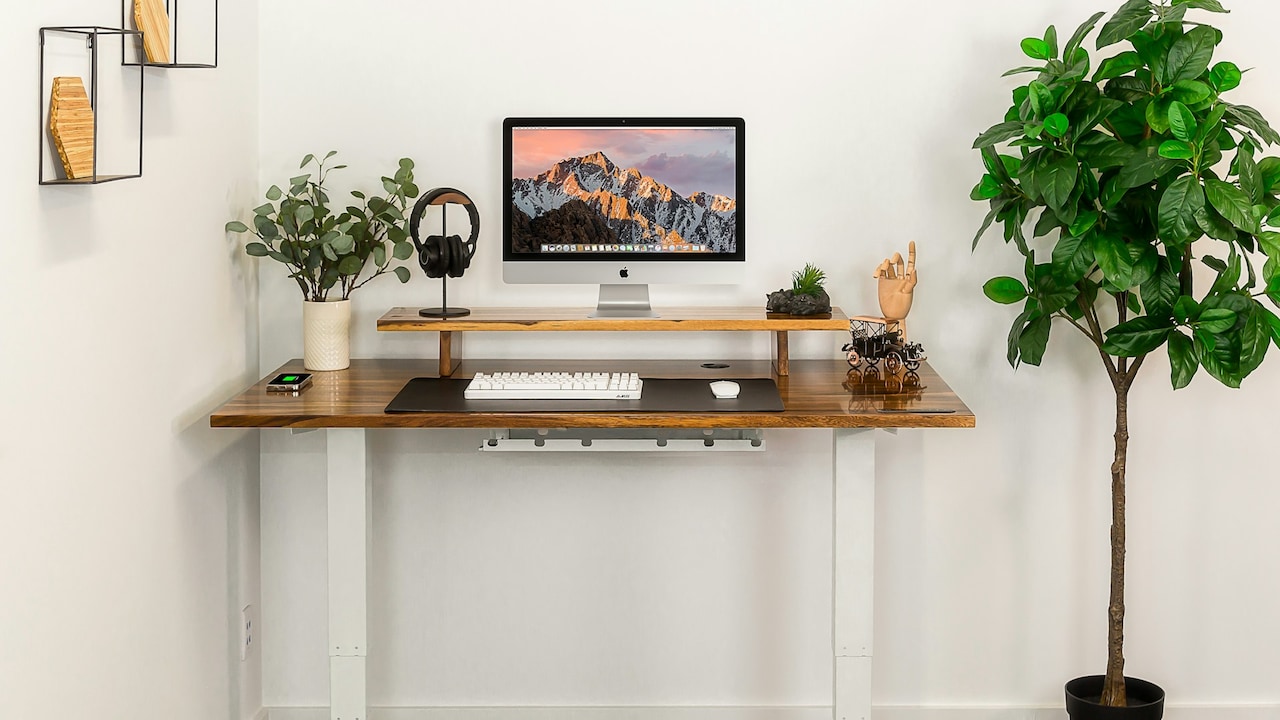
10 reasons why desk height matter more than you think
Walk into any office furniture store or browse online listings during a festive sale, and a familiar pattern emerges. Chairs dominate attention. Glossy images promise lumbar support, breathable mesh, adjustable armrests, and even “executive comfort”. Price tags climb quickly, sometimes touching ₹20,000 or more, and yet buyers rarely hesitate.
Now consider the desk. Most people settle for whatever fits the room or budget. A standard wooden table, a repurposed dining surface, or a simple ₹3,000 desk often becomes the default. Hardly anyone pauses to ask a basic question: Does this height suit daily work habits?

Here's why people often neglect desk height over office chairs; Photo Credit: Unsplash
This imbalance reveals something deeper than shopping preference. It exposes how comfort is understood. Chairs feel personal, visible, and easy to evaluate. Desk height, however, appears static and technical, almost invisible until discomfort creeps in.
Over time, that oversight adds up. Aching shoulders, strained wrists, and endless fidgeting during long work hours rarely point back to the desk. The blame lands squarely on the chair, leading to yet another expensive upgrade.
The truth is simpler and slightly ironic. A perfect chair paired with a poorly sized desk still creates discomfort. Understanding why this mismatch persists sheds light on how people design workspaces, and how small changes can transform daily comfort without burning through savings.
Also Read: Best Orthopaedic Office Chairs for Back Pain and Compact Workspaces
The Real Reasons Behind This Overlooked Imbalance
The Marketing Glow Around Chairs
Chairs enjoy the spotlight thanks to clever marketing. Advertisements paint them as the hero of productivity, often featuring professionals sitting upright with perfect posture and focused expressions. The message feels persuasive: buy the right chair, and work life improves instantly.
This narrative resonates because chairs feel dynamic. Adjustable levers, tilt mechanisms, and soft cushioning offer a sense of control. Spending ₹10,000 or more seems justified when comfort appears within reach.
Desks, on the other hand, lack that glamour. They sit quietly in the background, rarely highlighted as a problem-solving tool. Even premium desks rarely receive the same emotional pitch. As a result, buyers rarely associate desk height with wellbeing.
This imbalance in marketing shapes perception. Chairs feel like an investment in health. Desks feel like furniture. That subtle difference drives spending decisions, even when both elements play equal roles in posture.
The Illusion Of Instant Comfort
A new chair delivers immediate feedback. Sit down, and softness, support, and adjustability become obvious. The experience feels satisfying, even reassuring.
Desk height offers no such instant reward. Its impact reveals itself gradually. A desk that sits too high forces the shoulders to lift slightly. Too low, and the back rounds forward. These small misalignments build over hours, not minutes.
Because discomfort emerges slowly, it often escapes attention. Instead of blaming the desk, users assume the chair lacks support, or the body simply feels tired.
This delayed effect creates a misleading cycle. People upgrade chairs repeatedly, chasing comfort that never fully arrives. Meanwhile, the desk remains unchanged, quietly shaping posture every single day.
Price Equals Value, Or Does It?
Higher price tags often signal better quality. When a chair costs ₹15,000, it feels logical to assume superior comfort and durability. This belief encourages spending without deeper evaluation.
Desks rarely benefit from the same perception. A sturdy ₹5,000 desk seems sufficient because it “does the job”. After all, it holds a laptop or monitor. What more could it need to do?
This thinking overlooks a key factor. Desk height directly influences ergonomics. A poorly sized desk forces the body into awkward positions, regardless of chair quality.
The mismatch between perceived value and actual impact leads to overspending in one area and underinvestment in another. Comfort becomes skewed, not optimised.
Cultural Habits Around Furniture
Many households grow up using multipurpose furniture. Dining tables double as study desks. Coffee tables become laptop stations. Flexibility feels practical, especially in compact spaces.
This habit shapes expectations. A “good enough” surface becomes acceptable for work, even if it does not suit the posture. Chairs, however, often remain separate and personal. That distinction makes them feel more important.
As the work-from-home culture expanded, many upgraded chairs first. Desks often remained unchanged, inherited, or improvised.
The result is a familiar scene: a premium chair paired with a mismatched desk, creating an ergonomic imbalance that goes unnoticed for months.
The Psychology Of Visible Investment
People prefer to invest in what others can see. A stylish chair instantly enhances the look of a workspace instantly. During video calls, it even becomes part of the background, signalling professionalism.
Desk height, however, remains invisible. Its impact hides beneath the surface, influencing posture rather than appearance.
This psychological bias encourages spending on visible upgrades while ignoring functional adjustments. A ₹12,000 chair feels like a statement. Adjusting desk height feels like a minor tweak, even though its benefits may be greater.
Over time, this preference for visible investment shapes entire workspace setups, often at the cost of comfort.

People like investing in visible things, making desk height appear insignificant; Photo Credit: Unsplash
The Rise Of Ergonomic Buzzwords
Terms like “lumbar support”, “breathable mesh”, and “4D armrests” dominate product descriptions. These features sound advanced and essential, making chairs feel like high-tech solutions.
Desk-related terminology rarely captures the same attention. Words like “height ratio” or “elbow alignment” sound technical and less appealing.
This difference in language influences buying behaviour. People gravitate towards products that feel innovative and easy to understand. Chairs fit that description perfectly.
Desks, despite their importance, remain trapped in functional simplicity. Without compelling language, they struggle to compete for attention.
The Cost Of Ignoring Desk Height
Ignoring desk height carries real consequences. Over time, poor alignment leads to discomfort that affects productivity and mood.
Shoulders tense up when the desk sits too high. Wrists strain when typing angles feel unnatural. The back compensates for these imbalances, often leading to fatigue.
These issues rarely appear dramatic. Instead, they build quietly, making work feel slightly more exhausting each day.
Ironically, many respond by upgrading chairs again, hoping to fix the problem. The cycle continues, with more money spent and little improvement achieved.
A simple adjustment to desk height could often solve these issues, but it remains overlooked.
The Simplicity Of Desk Adjustments
Unlike chairs, desk improvements do not always require large investments. Simple changes can make a noticeable difference.
Raising a laptop with a stand, adjusting chair height to match the desk, or using a footrest can improve alignment significantly. Even a small ₹500 accessory can enhance comfort more than a ₹10,000 chair upgrade.
However, these solutions lack excitement. They feel practical rather than transformative. Without a strong emotional appeal, they rarely attract attention.
This preference for dramatic upgrades over simple fixes explains why desk height continues to be ignored.
Social Influence And Trends
Social media plays a powerful role in shaping workspace trends. Sleek chairs often feature in aesthetic setups, drawing admiration and inspiring purchases.
Desks appear in these setups too, but their height or ergonomics rarely receive attention. The focus remains on design rather than function.
As a result, people replicate what they see. Investing in a stylish chair feels like following a trend. Adjusting desk height feels like a technical detail, easily skipped.
This influence reinforces existing habits, keeping the spotlight firmly on chairs.
Redefining Comfort And Balance
True comfort does not come from a single piece of furniture. It emerges from balance. A well-matched chair and desk create harmony, allowing the body to relax naturally.
Understanding this balance shifts priorities. Instead of chasing the perfect chair, attention turns to the overall setup. Desk height, screen position, and seating all work together.
This approach often reduces unnecessary spending. Instead of investing ₹20,000 in a premium chair, a balanced setup with thoughtful adjustments may deliver better results at half the cost.
Comfort becomes less about luxury and more about alignment. That shift changes how workspaces evolve over time.
Products Related To This Article
1. Intellidesk Eco - Electronic Height Adjustable Desk
2. Lukzer Electric Automatic Height Adjustable Sit Stand Desk
3. JIN OFFICE Octave Height Adjustable Table Electric
4. Green Soul Imperium Height Adjustable Table for Office Work
5. iSmart Technology Amazon Basics Adjustable Height Wooden Table with Wheels
The fascination with chairs reflects more than comfort; it reveals how people perceive value, visibility, and convenience. Chairs promise instant results and visual appeal, making them easy to prioritise. Desks, particularly their height, remain understated yet essential.
This imbalance creates a cycle of overspending and underperformance. Expensive chairs fail to deliver expected comfort when paired with poorly aligned desks. Frustration follows, often leading to further upgrades instead of addressing the root cause.
A small shift in perspective can break this cycle. Viewing the workspace as a system rather than a collection of items changes everything. Desk height gains importance, not as an afterthought but as a foundation.
In the end, comfort does not depend on how much is spent, but on how wisely choices align with the body's needs. Sometimes, the simplest adjustment, often overlooked, makes the biggest difference.
(Disclaimer: This article may include references to or features of products and services made available through affiliate marketing campaigns. NDTV Convergence Limited (“NDTV”) strives to maintain editorial independence while participating in such campaigns. NDTV does not assume responsibility for the performance or claims of any featured products or services.)









![Steam Iron Teflon Shoe Cover for ES-300,ST-96 [Only For ES-300 and ST-96 Model Electric Steam Irons]](https://m.media-amazon.com/images/I/51wwkttondL._SL160_.jpg)