Why Your Coffee Table Becomes A Clutter Magnet Within 10 Days
A coffee table starts clean, then slowly collects everything from remotes to receipts. Here’s why clutter builds up so fast and how everyday habits quietly turn that surface into a dumping zone.

Why Your Coffee Table Becomes A Clutter Magnet Within 10 Days
A coffee table often begins its life as the most put-together spot in the living room. Styled with a neat stack of books, perhaps a candle, maybe a small plant, it looks intentional, calm, almost magazine-worthy. Then, something shifts. A remote lands there. A cup stays a little longer than planned. Keys get tossed during a rushed entry. Within ten days, the carefully curated surface turns into a quiet chaos of everyday life.
This transformation doesn't happen randomly. It follows patterns, habits, convenience, visual blind spots, and a surprising emotional attachment to “temporary” placements. The coffee table sits right at the centre of activity, which makes it both useful and vulnerable. It becomes the easiest place to drop things, the last place to organise, and somehow, the hardest place to keep clean.
Understanding why this happens makes it easier to fix. Because the clutter isn't just about laziness or lack of discipline, it's about how spaces are used, how routines form, and how small decisions quietly add up.
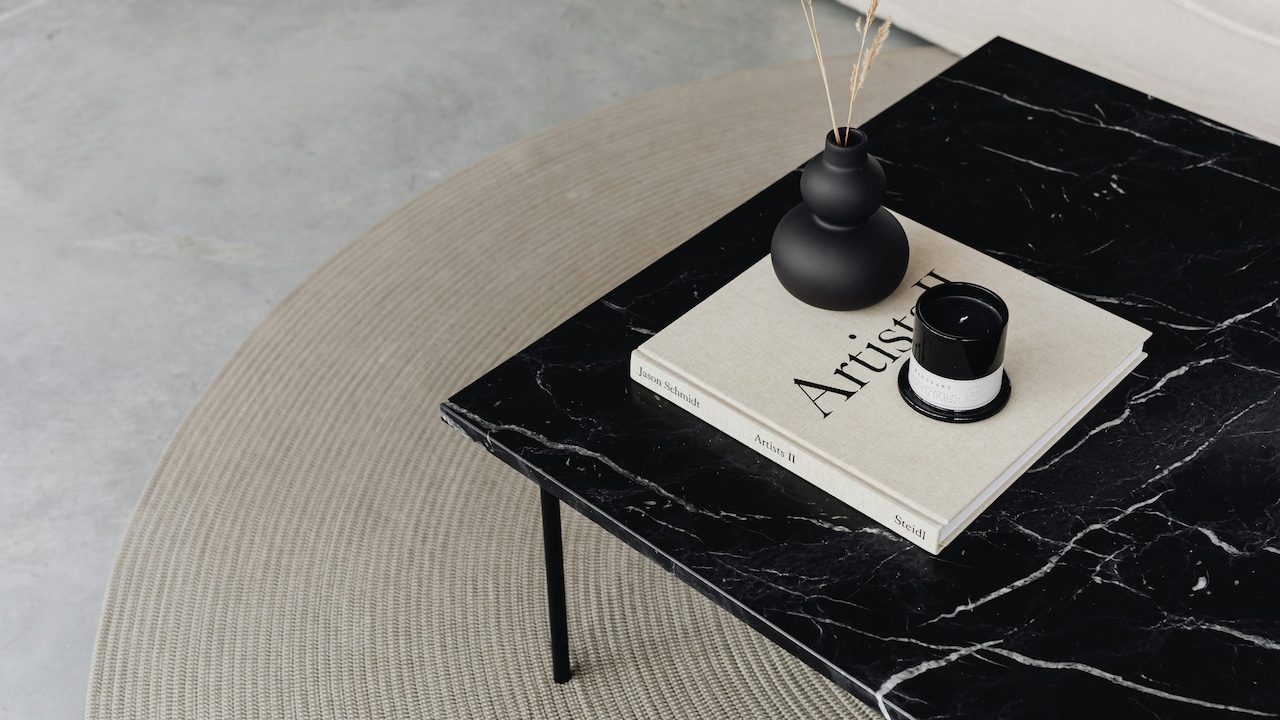
Why Your Coffee Table Becomes A Clutter Magnet Within 10 Days; Photo Credit: Pexels
How Everyday Habits Turn Your Coffee Table Into A Clutter Zone
The “Just For Now” Trap That Never Ends
Every clutter story on a coffee table begins with something that feels temporary. A phone charger placed there “just for today,” a pair of sunglasses set down after coming home, or even a bill that needs attention later. The intention is always short-term, but the action creates a pattern. Once one item sits there, it lowers the resistance for the next.
That “just for now” mindset is deceptive. It feels harmless in the moment, but it builds permission. The brain starts to treat the coffee table as a flexible holding zone rather than a defined space. And since there's no immediate consequence, nothing pushes those items to move.
Over time, these temporary placements stop feeling temporary. They blend into the background. A receipt stays for days, then weeks. The charger becomes permanent. The table quietly shifts from a styled surface to a holding area for things that don't have a proper home.
The Living Room Is The Busiest Zone In The House
The coffee table sits in one of the most active areas of any home. This is where people relax, snack, scroll, chat, work, and sometimes even eat full meals. Naturally, everything gravitates towards this space.
Think about how many different activities happen here in a single day. Morning tea, afternoon scrolling, evening television, late-night snacks. Each activity brings something new to the table: cups, remotes, wrappers, notebooks, even random packaging.
Because the table serves so many purposes, it rarely gets a reset. Unlike a dining table that gets cleared after meals or a desk that often has a defined work boundary, the coffee table stays in a constant state of use. It doesn't have a clear start or end point in the day.
That continuous usage creates overlap. One item doesn't leave before the next arrives. And slowly, the surface fills up without anyone noticing when it crosses the line.
Also Read: Top 5 Coffee Table Sets for Balconies Under ₹10,000: Enhance Relaxation Outdoors
Remotes, Chargers, and Daily Essentials Never Leave
Certain items practically live on the coffee table. Remotes, chargers, earbuds, and sometimes even power banks. These are things used daily, often multiple times a day, which means they rarely get put back in a drawer.
The problem isn't just their presence, it's their multiplication. One remote turns into three. A single charger becomes a tangle of wires. Add a pair of earphones, a smartwatch cable, and suddenly the table looks like a mini tech hub.
These items feel too essential to move. Keeping them close seems practical. But without boundaries, they start spreading out, overlapping with other objects, and creating visual clutter even when the number of items isn't very high.
The irony is that convenience often creates inconvenience here. Easy access leads to messy accumulation, which eventually makes it harder to find anything quickly.
Snacks And Cups Leave Behind More Than You Think
Snacking habits play a bigger role than expected. A quick tea break turns into a cup left behind. A small snack leaves crumbs. A wrapper sits there because “it'll be thrown later.”
Unlike larger messes that demand immediate cleaning, these small traces feel negligible. But they stack up. A cup here, a plate there, a few crumbs, maybe a coaster that never gets used again, it all builds a sense of disorder.
Also, once food-related items appear on the table, it changes how the space is perceived. It stops feeling like a styled area and starts feeling like a functional, disposable one. That subtle shift encourages more casual placement of things.
Within days, the table begins to look like a mix of a snack station and a storage surface, which makes it harder to reset mentally.

Why Your Coffee Table Becomes A Clutter Magnet Within 10 Days; Photo Credit: Pexels
Lack Of Defined Storage Creates A Default Dumping Spot
Clutter often signals something deeper, a lack of proper storage. When items don't have a clear home, they naturally land in the most accessible place. And the coffee table, being right in the middle, becomes that place.
Keys, wallets, mail, random shopping receipts, these things need quick-drop zones. Without a tray, basket, or drawer nearby, the table takes over that role. It becomes the default dumping spot.
The issue isn't the items themselves. It's the absence of structure. Without designated spaces, the brain chooses convenience over organisation every single time.
And once the table starts acting as a catch-all, it becomes harder to reverse the habit. Because now, it's not just clutter, it's a system, albeit an unintentional one.
Visual Blindness Sets In Faster Than Expected
One of the strangest things about clutter is how quickly it becomes invisible. What looks messy to a guest might not even register to someone who sees it every day.
This happens because the brain adapts. It filters out familiar visuals to reduce overload. So, the pile of magazines, the scattered remotes, and the random objects all blend into the background.
This visual blindness is dangerous for the organisation. Because if the mess isn't noticed, it won't be addressed. The table stays cluttered, not because it's accepted, but because it's no longer seen as clutter.
A quick reset often feels surprising. Suddenly, the surface looks larger, cleaner, and calmer. That contrast highlights how much had accumulated without conscious awareness.
Decorative Items Slowly Lose Their Purpose
At the beginning, the coffee table might have had a clear aesthetic, books, candles, maybe a small decor piece. But as functional items start creeping in, the decorative ones lose their identity.
A candle gets pushed aside for a cup. A book stack becomes a base for random objects. A tray meant for styling turns into a storage container.
Over time, the original design intention fades. The decor no longer defines the table. Instead, it gets absorbed into the clutter, making everything look accidental rather than intentional.
This shift affects perception. The table stops feeling like a styled part of the room and starts feeling like an overflow zone. And once that perception changes, maintaining aesthetics no longer feels necessary.
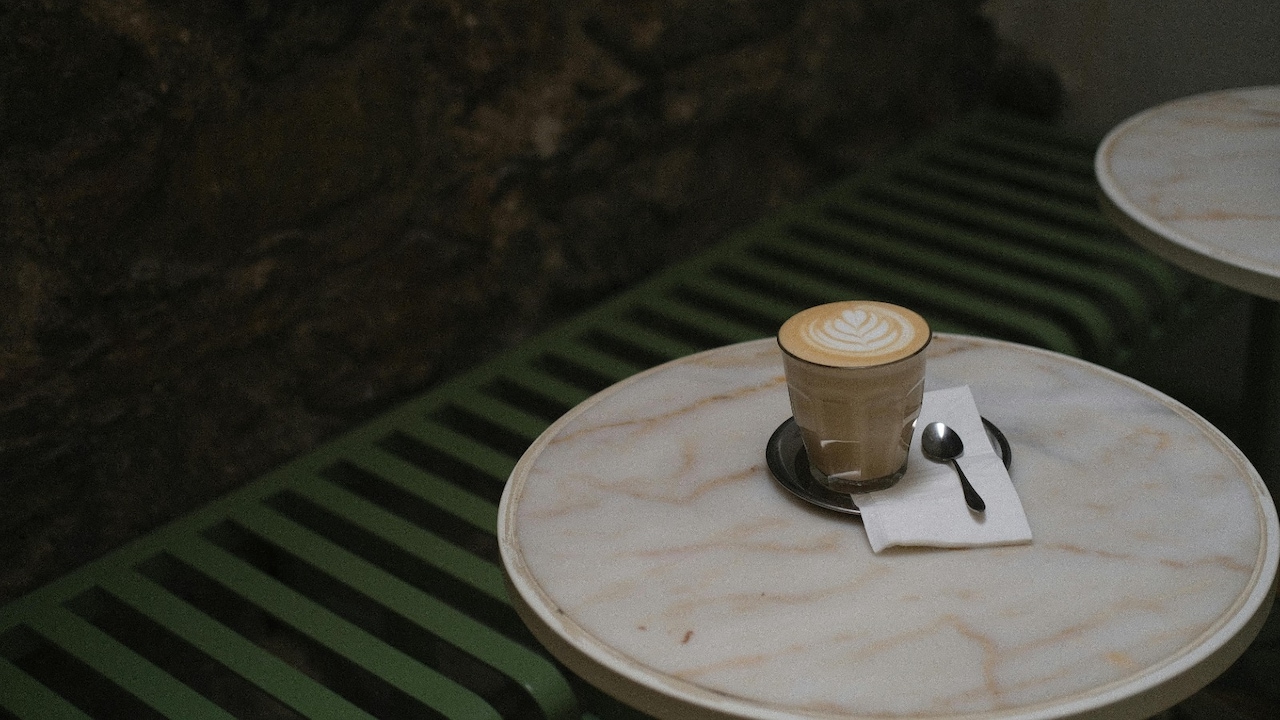
Why Your Coffee Table Becomes A Clutter Magnet Within 10 Days; Photo Credit: Pexels
Cleaning Feels Like A Bigger Task Than It Is
A cluttered coffee table often stays cluttered because it feels overwhelming to fix. Not because it actually is, but because it looks like it might take time.
The irony is that most coffee tables can be reset in under five minutes. But the brain perceives clutter as a larger task, especially when it involves multiple small items.
This leads to procrastination. “Will clean it later” becomes a recurring thought. And since nothing urgent depends on that cleaning, it keeps getting pushed.
Meanwhile, the clutter grows. And with each passing day, the task starts feeling slightly heavier, even though the effort required remains minimal.
Guests And Daily Life Create Mixed Signals
When guests visit, the coffee table often gets a quick clean-up. Things are removed, surfaces are wiped, and the table looks neat again. But this reset is temporary.
Once daily life resumes, the habits return. Items start reappearing. The table slowly fills up again. This cycle creates mixed signals, clean sometimes, messy most of the time.
Because the table can look good when needed, it creates a false sense of control. It feels like clutter isn't a real issue since it can be fixed quickly for occasions.
But without consistent habits, that reset doesn't last. The table becomes a space that swings between styled and chaotic, never quite settling into a stable state.
Emotional Attachment To Small Things Adds Up
Clutter isn't always practical. Sometimes, it's emotional. A book being read, a note that feels important, a small item picked up during a trip, these things carry meaning.
The coffee table becomes a place where these items stay visible. Almost like a personal display. But over time, these meaningful objects mix with random clutter, making it harder to distinguish what actually matters.
This emotional layering adds complexity. It's not just about cleaning anymore; it's about deciding what to keep, what to move, and what to let go of.
And because those decisions take effort, they often get delayed. The items stay, the clutter grows, and the table continues to reflect both daily life and unfinished choices.
Products Related To This Article
1. AASALIYA Wooden Center Coffee Table with Storage
2. Green Soul Allure Engineered Wood Coffee Table (Gold Cherry)
3. Two Square Stacking Nesting Coffee Tables with Metal Frames
4. Elegant 2-Tier Center Table with Engineered Wooden Top & Gold Metal Frame
5. Green Soul Allure Engineered Wood Coffee Table (Gold Cherry)
A cluttered coffee table isn't a sign of carelessness. It's a reflection of how life flows through a space. It shows convenience, routine, and small habits stacking up over time. The table sits at the centre of activity, quietly absorbing everything that doesn't have a defined place.
The good news is that the same patterns that create clutter can also solve it. Small changes, like defining zones, limiting what stays on the surface, and resetting the table once a day, can make a noticeable difference. It doesn't require a full redesign or strict discipline. Just a bit of awareness and a few intentional choices.
Because at its best, a coffee table isn't just functional. It's a visual pause in the room. A place that feels calm, put together, and quietly inviting. And keeping it that way is less about effort and more about understanding why it gets messy in the first place.
(Disclaimer: This article may include references to or features of products and services made available through affiliate marketing campaigns. NDTV Convergence Limited (“NDTV”) strives to maintain editorial independence while participating in such campaigns. NDTV does not assume responsibility for the performance or claims of any featured products or services.)










![Steam Iron Teflon Shoe Cover for ES-300,ST-96 [Only For ES-300 and ST-96 Model Electric Steam Irons]](https://m.media-amazon.com/images/I/51wwkttondL._SL160_.jpg)