Why Your Sofa Looked Perfect Online But Feels Uncomfortable At Home
That sofa looked perfect online, but nightly comfort says otherwise. From lighting tricks to poor ergonomics, discover why your living room centrepiece feels wrong exactly when you need it most.
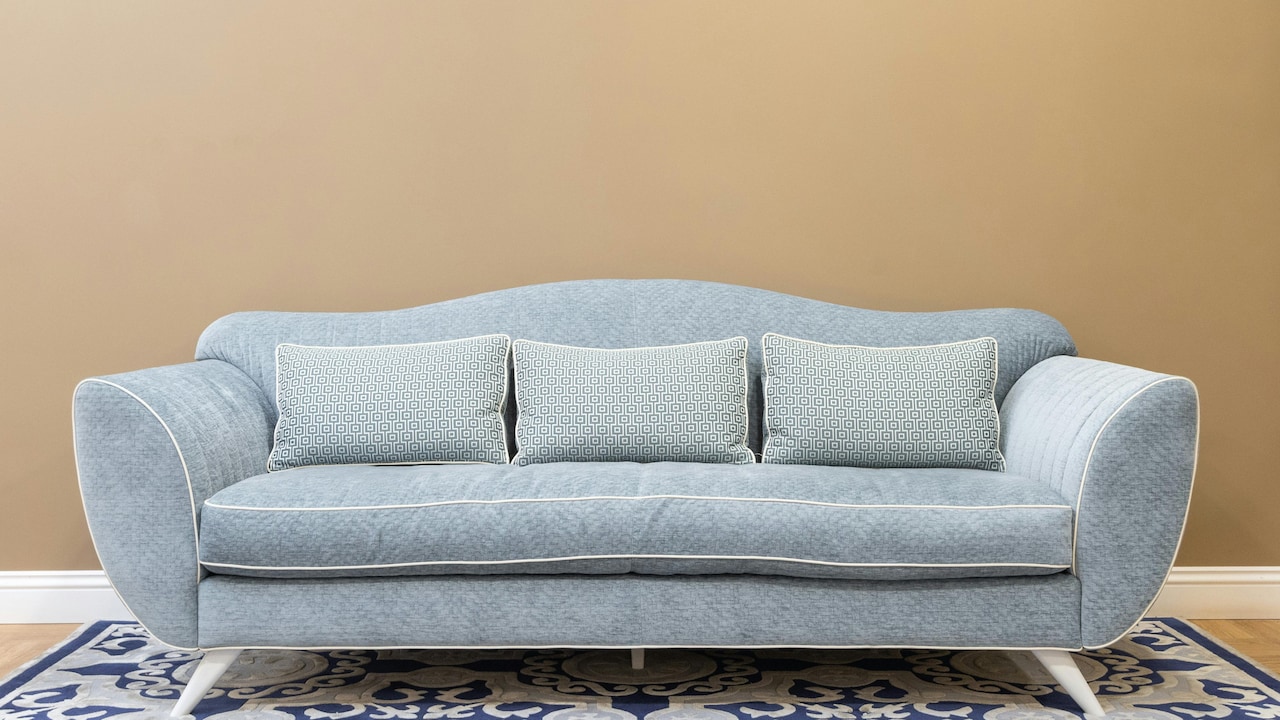
Bought A Sofa Online? Here's Why It Feels Wrong Every Evening
There is a particular kind of disappointment that creeps in around 8 PM. Dinner is done, the day winds down, and the body seeks that familiar spot, the sofa. It promised comfort, style, perhaps even a bit of luxury. The photographs looked stunning. The reviews sounded convincing. The price, maybe ₹25,000 or even ₹75,000, felt justified. Yet, the moment one sinks into it, something feels wrong.
It is not always obvious. No glaring defect. No dramatic failure. Just a quiet sense that this piece of furniture does not belong. It does not hug the back the way it should. It does not invite long conversations or lazy scrolling. It simply exists, beautiful, but distant.
This mismatch between expectation and reality is more common than admitted. The online world sells a dream, while everyday living exposes the truth. And somewhere between glossy images and real evenings lies the answer.
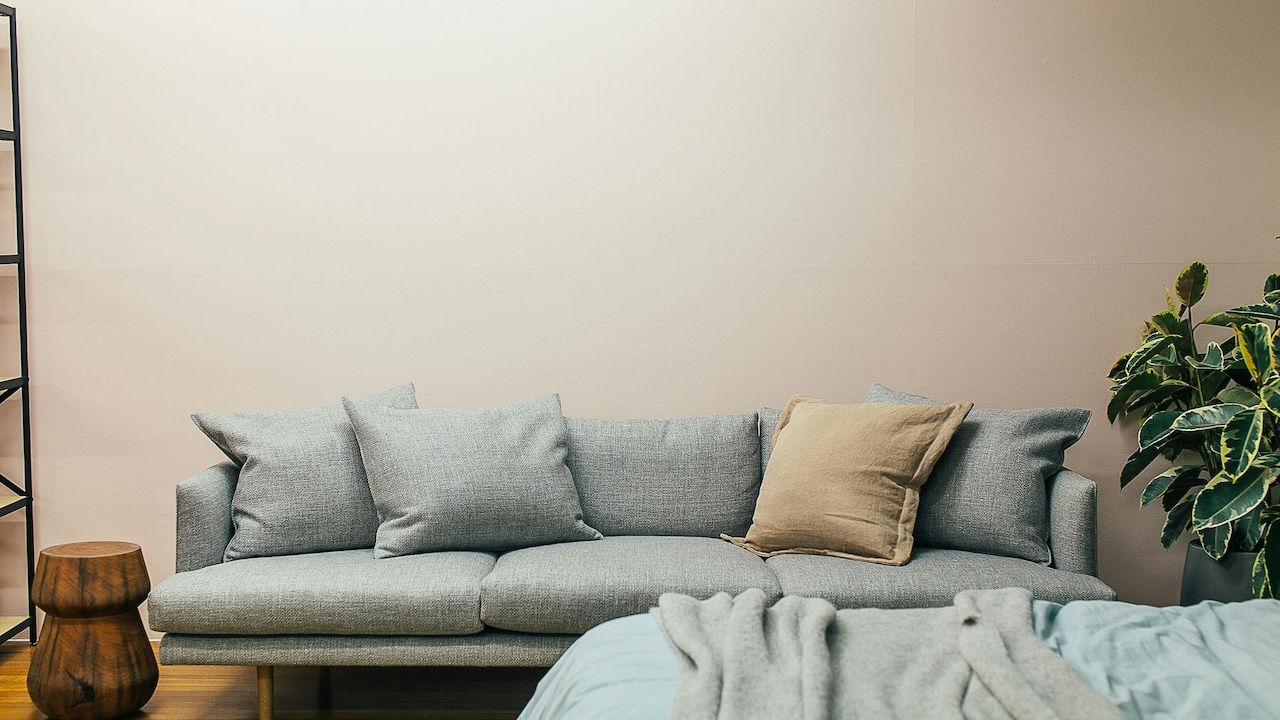
Why Your Sofa Looked Perfect Online but Feels Wrong Every Evening At 8 PM
Photo Credit: Pexels
What Goes Wrong After The Delivery Truck Leaves
The Lighting Lied More Than The Reviews
Online sofa images often glow with soft, golden lighting that makes everything look warm and inviting. That beige upholstery seems rich and creamy, almost like a luxury hotel lobby. But at home, under a harsh tube light or a dim yellow bulb, the same sofa can appear dull, flat, even slightly lifeless.
Evening lighting plays tricks on perception. Around 8 PM, the home shifts into a softer, more intimate mood. If the sofa fabric does not respond well to that lighting, it starts to feel cold or unwelcoming. What once looked cosy now feels oddly distant.
Showroom lighting is carefully designed. Photography lighting is even more controlled. Homes, however, have their own personality, flickering shadows, uneven brightness, and sometimes a stubborn tube light that refuses to flatter anything.
That difference alone can make the sofa feel like it belongs to another space entirely. The mismatch is subtle but persistent, and over time, it grows into quiet dissatisfaction.
The Size Looked Right Until It Wasn't
Online measurements feel abstract. A three-seater sounds generous. Dimensions in centimetres seem precise. But when the sofa finally arrives and settles into the living room, reality sets in.
Sometimes it is too bulky, swallowing up space and making the room feel cramped. Other times, it feels oddly small, like it is floating awkwardly instead of anchoring the room. The proportions rarely translate perfectly from screen to space.
Evenings highlight this problem. After a long day, the body craves ease of movement. A sofa that blocks walking paths or feels squeezed between walls becomes more noticeable. Comfort is not just about cushioning; it is also about how the furniture sits within the room.
The human eye judges space differently in person. That perfect online fit often ignores the quirks of real homes, uneven walls, additional furniture, or even the placement of a ceiling fan that suddenly feels too close.
Comfort Was Assumed, Not Tested
A sofa can look incredibly soft in pictures. Cushions appear fluffy, armrests inviting. But comfort is not visual; it is deeply physical.
The seat might be too firm, refusing to relax tired muscles. Or too soft, making it difficult to sit upright. The backrest might not support properly, leading to that familiar evening fidgeting, adjusting cushions, shifting positions, never quite settling.
At 8 PM, the body is honest. It reveals discomfort without hesitation. After hours of work, commuting, or simply managing daily routines, even a slight mismatch in support becomes obvious.
Online descriptions often use words like “ergonomic” or “premium cushioning,” but these terms rarely capture the actual feel. Without sitting on it beforehand, the purchase becomes a gamble.
And comfort, once lost, cannot be styled away.
Fabric That Looked Fancy But Feels Annoying
Velvet, linen, faux leather, each fabric has its charm online. They add texture, richness, and personality. But daily life interacts with fabric in unexpected ways.
Velvet might trap heat, making it uncomfortable during warmer months. Faux leather can feel sticky after a while. Certain fabrics attract dust or pet hair, becoming high-maintenance overnight.
Evenings amplify sensory awareness. After a long day, the skin becomes more sensitive to textures. A fabric that looked luxurious may start to feel irritating or impractical.
Then comes the issue of cleaning. A small spill during dinner or tea can turn into a stressful situation if the fabric demands delicate care. Suddenly, the sofa feels less like comfort and more like responsibility.
The visual appeal fades quickly when touch and practicality step in.
Also Read: Are Sofa Throws Actually Useful Or Just Decorative? Benefits And Best Ways To Style
The Colour Didn't Match Real Life
Colours on screens are deceptive. That elegant grey might turn bluish. That warm brown might look muddy. Screens differ, lighting changes everything, and expectations quietly shift.
Once the sofa enters the home, it must coexist with existing furniture, wall colours, curtains, and flooring. If the tones clash, even slightly, the entire room feels off.
At 8 PM, when the house settles into its evening mood, colour harmony becomes more noticeable. The sofa either blends beautifully or stands out awkwardly.
Sometimes the mismatch is subtle, a shade too dark, a tone too cool. But over time, it creates a sense of unease. The sofa no longer feels like part of the home.
Instead, it feels like a guest that overstayed its welcome.
The Lifestyle Wasn't Considered
Online purchases often focus on aesthetics rather than daily habits. A sleek, low sofa might look modern, but it may not suit a household where elders prefer firmer seating. A delicate design might struggle in a home with children or frequent guests.
Evenings reveal lifestyle mismatches clearly. That is when everyone gathers, stretches out, chats, watches something, or simply relaxes. If the sofa does not support these routines, it begins to feel inadequate.
Perhaps the seating is too shallow for lounging. Or the armrests are too narrow for comfort. Maybe it lacks enough space for everyone to sit together.
Furniture should adapt to life, not the other way around. When it fails to do so, dissatisfaction grows quietly but steadily.
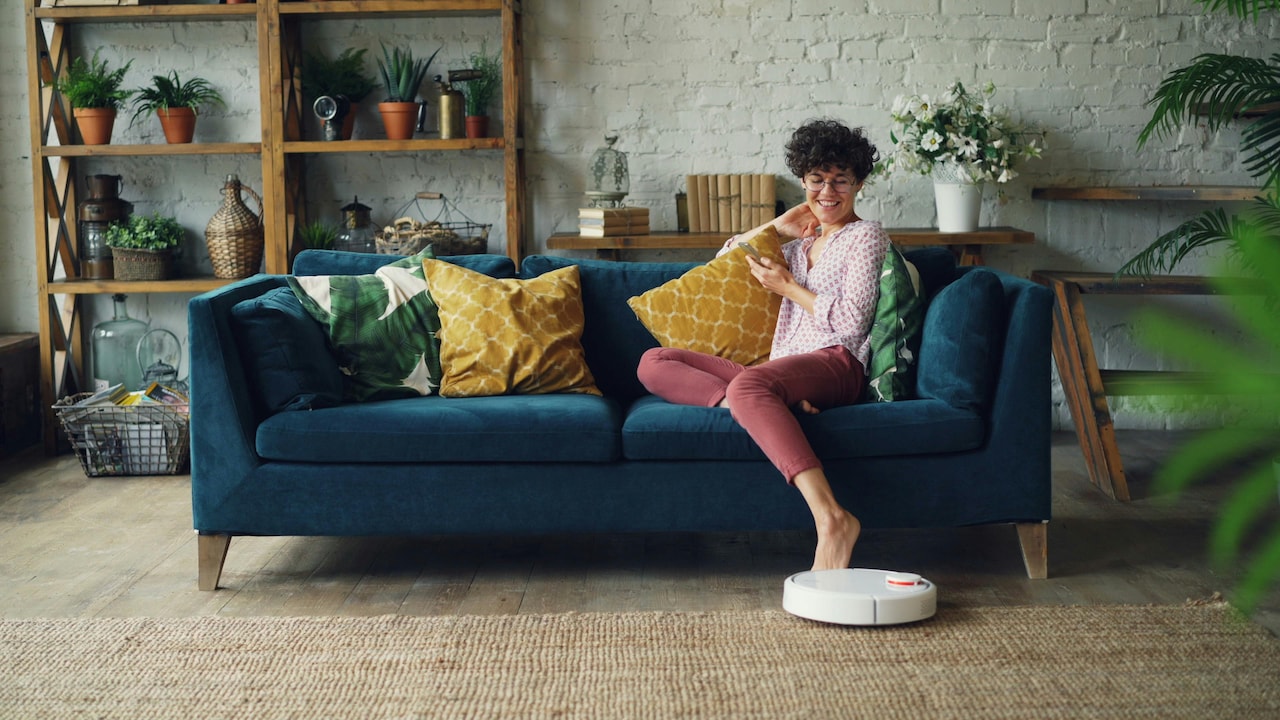
Why Your Sofa Looked Perfect Online but Feels Wrong Every Evening At 8 PM
Photo Credit: Pexels
Assembly And Structure Were Overlooked
Flat-pack furniture often looks impressive online, but the final assembly can influence stability and comfort. Slight misalignments, uneven legs, or loose joints can create a subtle sense of imbalance.
This is not always visible immediately. But during quiet evenings, when everything slows down, even a slight wobble or creak becomes noticeable.
The sofa may not feel as solid as expected. Sitting down might produce a faint sound. Leaning back might feel uncertain. These small details chip away at the sense of comfort.
A well-built sofa feels reassuring. It supports without complaint. When that assurance is missing, relaxation becomes difficult.
The Emotional Expectation Was Too High
Online shopping often carries emotional weight. That sofa might represent a new beginning, a home upgrade, or a long-awaited treat after saving ₹50,000 or more.
Expectations build quietly. The sofa is not just furniture; it is a symbol of comfort, success, or change.
When reality does not match that emotional expectation, disappointment feels sharper. The sofa becomes a reminder of what was imagined versus what exists.
Evenings, being reflective by nature, bring this feeling to the surface. Sitting there, the gap becomes impossible to ignore.
It is not just about comfort anymore. It is about fulfilment.
Reviews Told Half The Story
Customer reviews often highlight durability or delivery experience. They rarely capture the nuanced, everyday feel of using the sofa at specific moments, like winding down at night.
A review might say, “Great product for the price.” But what does that mean at 8 PM after a tiring day?
People write reviews shortly after purchase. Long-term comfort, daily interaction, and emotional satisfaction rarely make it into those lines.
As a result, decisions rely on incomplete information. The sofa may meet expectations on paper but fall short in lived experience.
Homes Are More Than Catalogues
Online images present perfect spaces, clean, coordinated, and almost unreal. Real homes, however, carry personality. They have mismatched cushions, slightly faded curtains, and a lived-in charm.
A sofa that looks perfect in a catalogue may struggle to fit into that authenticity. It might feel too polished or too disconnected.
Evenings highlight the true nature of a home. That is when comfort matters more than aesthetics. When the sofa does not align with that feeling, it stands out.
A home is not a showroom. It is a space of habits, memories, and small imperfections. Furniture must embrace that, not resist it.
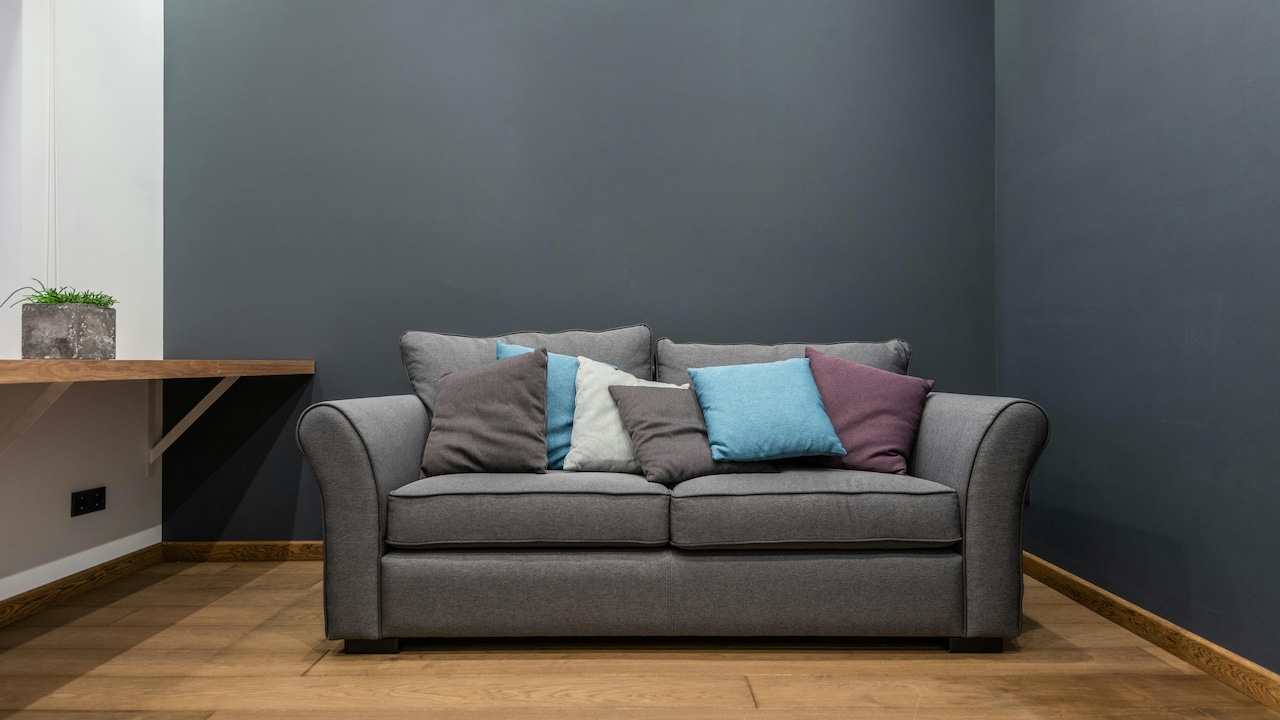
Why Your Sofa Looked Perfect Online but Feels Wrong Every Evening At 8 PM
Photo Credit: Pexels
Products Related To This Article
1. AMATA Eagle Solid Wood 3 Seater Sofa Cum Bed
2. Stylish & Modern Heavy Duty & Luxurious Traditional 3 Seater Sofa Chesterfield Sofa Arm Sofa Three Seater Sofa for Living Room Guest Room Hotels
3. KENDALWOOD Furniture 5- to 6-Person Fabric Sofa Set for Living Room Furniture
4. Solid Sheesham Wooden 3 Seater Sofa for Living Room
5. Wooden 6 Seater Sofa Set for Living Room & Drawing Room
The problem is rarely the sofa alone. It is the gap between curated expectation and lived reality.
Online shopping simplifies choices but removes experience. It shows how something looks, not how it feels at the end of a long day. And that difference matters most at 8 PM, when comfort becomes non-negotiable.
A good sofa is not just about design or price. It is about how it supports daily life, how it responds to lighting, how it fits into space, and how it feels after hours of use.
Perhaps the lesson is simple: comfort cannot be fully captured on a screen. It must be experienced, tested, and understood.
Because at the end of the day, a sofa is not meant to impress guests or win compliments. It is meant to hold tired bodies, quiet conversations, and those small, unspoken moments of rest. And when it does that right, it no longer feels wrong at 8 PM.
(Disclaimer: This article may include references to or features of products and services made available through affiliate marketing campaigns. NDTV Convergence Limited (“NDTV”) strives to maintain editorial independence while participating in such campaigns. NDTV does not assume responsibility for the performance or claims of any featured products or services.)










![Steam Iron Teflon Shoe Cover for ES-300,ST-96 [Only For ES-300 and ST-96 Model Electric Steam Irons]](https://m.media-amazon.com/images/I/51wwkttondL._SL160_.jpg)