Best Blanket Materials For Winter: Why Some Blankets Don't Keep You Warm Enough
Choosing the wrong blanket material can leave you cold all winter. Things to know about different blanket materials to stay warm and comfy in winter.

Why Some Blankets Feel Cold At Night And The Best Materials For Winter Warmth.
Winter nights arrive with a familiar ritual. Fans slow down, windows shut tight, and the cupboard opens for extra blankets. Yet warmth does not always follow. Many households stack two or three layers and still feel cold. That frustration usually points to one thing: material choice. Blankets differ in how they trap air, manage moisture, and sit against the skin. Some feel heavy yet offer little insulation. Others feel light but work like magic. Marketing labels rarely explain this clearly, which leads to confused buyers and restless sleep.

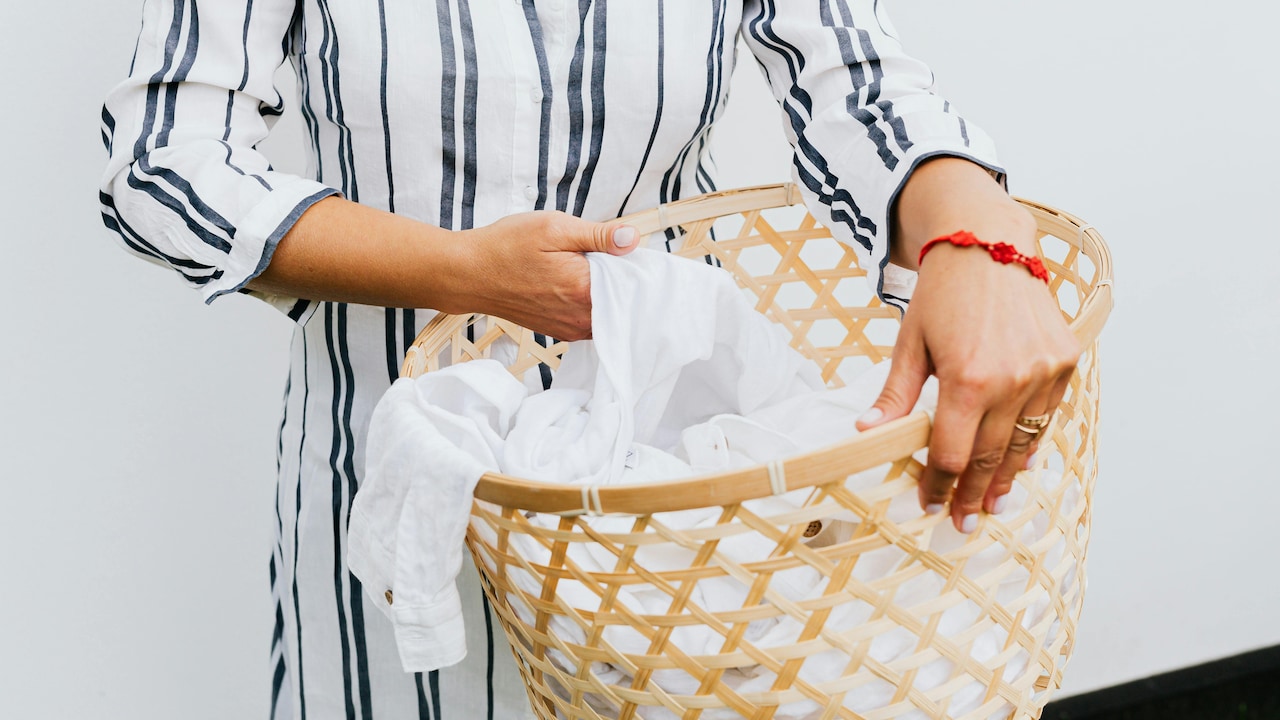
Try these blanket materials to stay warm in winter; Photo Credit: Unsplash
This guide breaks down popular blanket materials, one by one. Each section explains how the fabric behaves in winter, why it works or fails, and who it suits best. Expect practical insights, familiar scenarios, and a few gentle truths about common buying mistakes. Warmth, after all, should never feel complicated.
Also Read: Top 5 Soft Microfiber Blankets For The Winter Season
Understanding Why Some Blankets Fail To Keep You Warm
1. Wool: The Winter Champion That Breathes With You
Wool blankets earn their reputation through performance, not hype. The fibres curl naturally, trapping pockets of air that hold body heat close. That structure keeps warmth steady even when the night turns sharply cold. Wool also manages moisture well. Dampness from sweat moves away from the skin, which prevents that clammy chill many people hate.
Despite these strengths, some avoid wool due to its scratchiness. That issue often comes from low-grade fibres. Fine merino wool feels soft and gentle, even for sensitive skin. Weight also plays a role. A dense wool blanket warms better than a loosely woven one.
Wool suits places where winter nights swing between mild and freezing. It adjusts without fuss. However, improper care can ruin it. Hot water and rough washing flatten fibres and kill insulation. When wool fails to warm, blame usually falls on poor quality or bad maintenance, not the material itself.
2. Cotton: Comfortable, Familiar, and Often Misunderstood
Cotton blankets appear in almost every home. They feel breathable, light, and easy to maintain. That comfort makes them popular, yet cotton struggles in peak winter. The fibres lack natural insulation. Heat escapes quickly, especially in colder regions.
Cotton works best as a layering piece. It pairs well with heavier blankets, adding comfort without bulk. Alone, it suits mild winters or rooms with good heating. Many people expect cotton to perform like wool, which leads to disappointment.
Thread count and weave matter here. A thick cotton quilt traps more air than a thin sheet-style blanket. Still, even the best cotton cannot match wool or fleece for warmth. Cotton's strength lies in softness and versatility, not heat retention. When warmth matters most, cotton needs backup.
3. Fleece: Lightweight Warmth With a Modern Feel
Fleece blankets surprise many sleepers. They feel light yet hold heat efficiently. Synthetic fibres create tiny air pockets that trap warmth close to the body. Fleece also dries quickly and resists moisture, which keeps sleepers comfortable through long nights.
This material suits those who dislike heavy bedding. It folds easily and travels well. Children often love fleece due to its softness and playful designs. However, fleece struggles with breathability. Some sleepers wake up feeling too warm or sweaty.
Low-quality fleece pills over time. Those little fabric balls reduce insulation and spoil the look. Static cling also annoys some users. Despite these drawbacks, fleece delivers reliable warmth for its weight. When a blanket feels warm at first but turns cold later, poor-quality fleece often stands behind the problem.
4. Mink: Plush Comfort With Hidden Limitations
Mink blankets dominate winter markets with their glossy finish and heavy feel. They look luxurious and feel warm when first used. That weight creates a comforting hug effect that many people enjoy.
However, mink blankets rely on density rather than insulation. The synthetic fibres press flat under body weight, which reduces trapped air. Heat escapes slowly but steadily through the night. Breathability also suffers. Trapped moisture can create discomfort, especially for warm sleepers.
Mink works best in short bursts, such as afternoon naps or mild winter evenings. For long, cold nights, it often disappoints. The warmth fades, leaving sleepers reaching for another layer. The lesson here remains simple: heaviness does not equal warmth.
5. Microfiber: Budget-Friendly But Heat-Shy
Microfiber blankets attract buyers with low prices and easy care. The fabric feels smooth and light, making it popular for everyday use. However, warmth rarely tops its strengths.
Microfiber fibres run very fine and flat. That structure limits air trapping, which reduces insulation. In cool weather, it performs decently. In deep winter, it struggles. Many people stack microfiber blankets without realising the material itself lacks thermal power.
On the plus side, microfiber resists stains and washes well. It suits guest rooms or transitional seasons. Expecting it to replace wool or fleece leads to cold nights and frustration. When warmth falls short despite multiple layers, microfiber often sits in the stack.

Microfiber blankets are affordable and a suitable choice for light to moderate winter; Photo Credit: Pexels
6. Quilted Blankets: Warmth Depends on What's Inside
Quilted blankets bring nostalgia. Stitched patterns and familiar designs evoke comfort. Their warmth, however, depends entirely on the filling. Cotton-filled quilts breathe well but lack insulation. Polyester-filled versions trap more heat but may feel stuffy.
The stitching pattern also matters. Tight stitching compresses filling and reduces warmth. Wider spacing allows insulation to loft and trap air. Many quilts fail in winter due to over-stitching and thin filling.
Quilts shine as top layers. They add warmth and style when paired with a thermal blanket underneath. Alone, they rarely suffice in cold regions. Choosing a quilt without checking the filling often leads to disappointment.
7. Down and Feather: Luxury That Needs Care
Down blankets offer exceptional warmth for their weight. Tiny clusters from bird plumage trap air efficiently. This creates insulation without bulk. Sleepers enjoy warmth without feeling weighed down.
However, the down demands proper care. Moisture ruins its loft, which kills insulation. Cheap down alternatives often mix feathers with minimal down, reducing performance. Allergies also concern some users.
When blankets fail to warm, poor quality or damp storage usually causes the issue. High-quality down, kept dry and fluffed, performs beautifully. It suits those who value lightness and consistent warmth through long winter nights.
8. Acrylic: Colourful, Durable, and Surprisingly Cool
Acrylic blankets mimic wool's look but not its performance. The fibres resist wear and hold colour well. That durability makes acrylic popular in everyday households.
Warmth, however, remains moderate. Acrylic traps less air than wool and struggles in colder climates. Static electricity also bothers many sleepers, especially in dry winter air.
Acrylic works well for decorative throws or mild winters. Expecting it to handle freezing nights leads to cold surprises. The blanket may feel warm at first touch but lose heat quickly. That gap between feel and function explains many midnight blanket swaps.
9. Silk: Smooth Luxury With Limited Insulation
Silk blankets feel indulgent. The fabric glides over skin and regulates temperature gently. Silk works well for those who dislike overheating.
Yet silk focuses on comfort, not insulation. The fibres lack bulk and trap minimal air. In cold conditions, silk alone feels inadequate. Many people mistake its temperature-regulating reputation for warmth, which causes confusion.
Silk shines as an inner layer. Paired with wool or fleece, it enhances comfort and manages moisture. Used alone in winter, it leaves sleepers cold despite the luxury feel. Understanding silk's role prevents unrealistic expectations.
10. Blended Fabrics: Convenience With Compromises
Blended blankets mix fibres to balance cost, care, and comfort. Cotton-polyester blends dominate this category. They wash easily and resist wrinkles.
Warmth varies widely. A blend with higher synthetic content traps more heat. One with more cotton breathes better but warms less. Many blends fail because they try to please everyone and end up excelling at nothing.
Checking fibre ratios helps. A vague label often hides weak insulation. Blended blankets suit moderate winters and layered bedding setups. Expecting them to perform like specialised materials leads to disappointment. Blends reward realistic expectations.
Products Related To This Article
1. bien LIVING Plush Reversible Microfiber Comforter Single Bed
2. VAS COLLECTIONS 220 GSM Microfiber Reversible AC Comforter
3. Razzai 500 GSM Winter Comforter Premium Collection Quilted Comforter
4. BSB HOME Polyester Micromink Summer Ac/Mild Winter/Heavy Winter Sherpa Blanket Super Soft Flannel Solid
5. SAJAVAT HOME Hand-Knitted Cotton Sofa Throw
Winter warmth depends less on how many blankets sit on the bed and more on what they contain. Materials decide whether heat stays or slips away. Wool, down and fleece trap warmth effectively. Cotton, silk, and acrylic serve better as support players.
Many cold nights stem from misunderstandings, not bad products. A heavy blanket may comfort the mind but fail the body. A light one may outperform expectations. Choosing wisely transforms winter sleep from restless to restorative.
The right blanket does more than warm the body. It brings comfort, calm, and the quiet joy of drifting off without shivers. Winter nights deserve nothing less.
(Disclaimer: This article may include references to or features of products and services made available through affiliate marketing campaigns. NDTV Convergence Limited (“NDTV”) strives to maintain editorial independence while participating in such campaigns. NDTV does not assume responsibility for the performance or claims of any featured products or services.)








![Steam Iron Teflon Shoe Cover for ES-300,ST-96 [Only For ES-300 and ST-96 Model Electric Steam Irons]](https://m.media-amazon.com/images/I/51wwkttondL._SL160_.jpg)