Why Your Vacuum Flask Stops Keeping Drinks Hot, Even If Its New
A new vacuum flask doesn’t always mean lasting heat. From weak seals to everyday usage mistakes, discover the real reasons hot drinks turn lukewarm far sooner than expected.
Bought A New Vacuum Flask, But Drinks Go Cold Fast? This Is Why.
A vacuum flask feels like a small luxury. Hot filter coffee on a rainy morning. Kadak chai during a long train journey. Soup packed for a late shift. The expectation stays simple: heat goes in, heat stays in. Yet reality often disappoints. The flask looks untouched, still smells new, and costs a decent ₹1,200. Still, the drink cools down far too fast. Well, most flasks fail because of tiny, everyday reasons. Some begin at the factory. Others happen in the kitchen without anyone noticing. A few relate to how heat behaves, not how brands advertise. Understanding these reasons saves money, frustration, and a few cold sips.
This article unpacks 10 common causes. Each one sounds harmless. Together, they explain why “new” does not always mean “effective”.
Why Your Vacuum Flask Stops Keeping Drinks Hot, Even If Its New
Photo Credit: Pexels
What Really Causes A New Vacuum Flask To Lose Heat
1. The Vacuum Seal Was Weak From Day One
A vacuum flask relies on empty space. The gap between the inner and outer walls must stay free of air. That vacuum blocks heat transfer. If air sneaks in, insulation collapses.
Manufacturing flaws cause this problem more often than expected. A tiny crack. A weak weld. A hairline defect is invisible to the eye. The flask leaves the factory looking perfect, yet the vacuum already struggles.
This issue shows up early. Drinks cool down within two to three hours, no matter how tightly the lid gets screwed. Many people blame themselves first. Few suspect the seal.
Budget flasks suffer more, but price never guarantees safety. Even a ₹2,500 flask can slip through quality checks. Once the vacuum breaks, no fix exists. The flask turns into an ordinary steel bottle.
A simple test helps. Pour boiling water inside. Close the lid. After five minutes, touch the outer wall. Warmth signals trouble. A healthy vacuum keeps the outside cool and comfortable.
2. The Lid Is the Real Villain
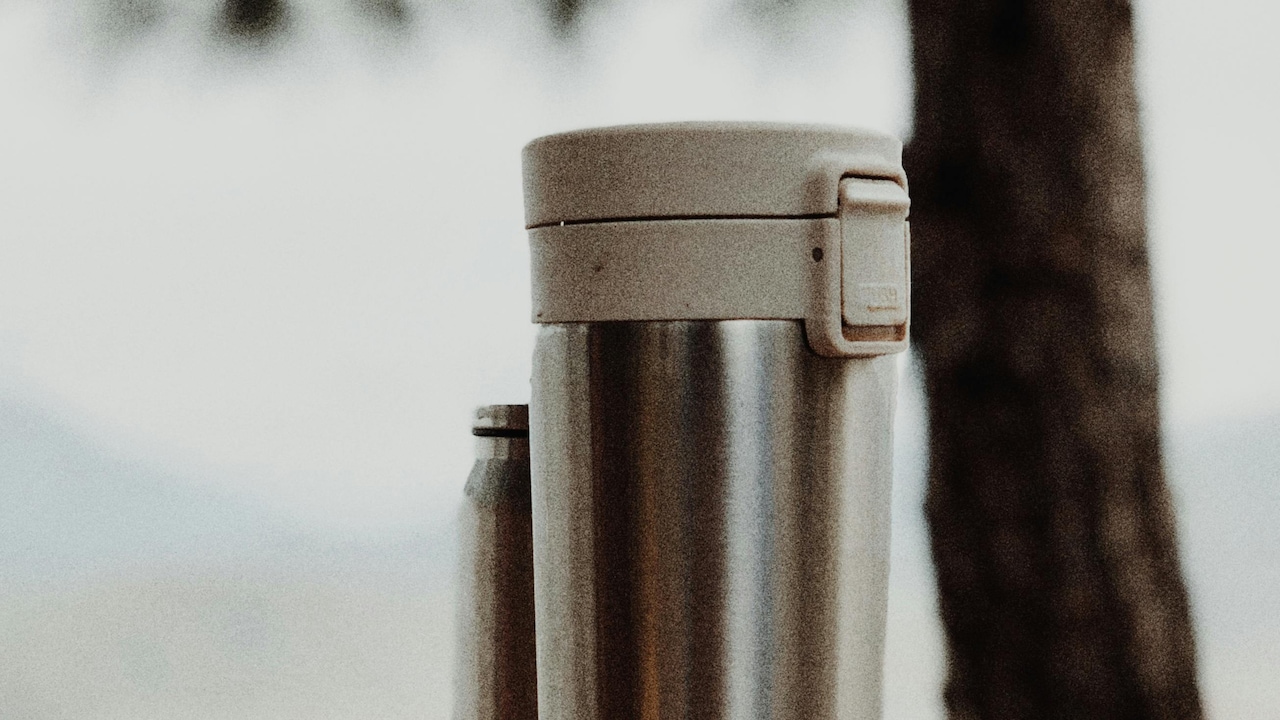
Most heat escapes from the top. The lid plays a bigger role than the steel body. Yet lids receive less attention during design and daily use.
Many flasks use plastic lids with rubber seals. Over time, these seals loosen. Heat escapes through microscopic gaps. Even brand-new flasks suffer if the lid design cuts corners.
Flip-top lids cause more trouble. They feel convenient during meetings or drives. They also leak heat faster. Each sip opens a pathway for steam and warmth to escape.
Another issue hides inside the lid. Condensed steam collects there. This moisture steals heat with every opening. After a few uses, the lid never fully dries, even overnight.
A tight, screw-on lid with minimal moving parts keeps drinks hot longer. Convenience often trades off against insulation. That trade-off rarely gets mentioned on the box.
3. The Flask Never Got Preheated
Cold steel drinks heat before tea does. That simple truth surprises many users.
A room-temperature flask absorbs a large chunk of heat when hot liquid goes in. The drink starts losing temperature before the lid even closes. This loss feels dramatic during winter mornings or in air-conditioned rooms.
Preheating solves this problem. Hot water poured into the flask for two minutes warms the inner walls. That water gets discarded. Only then does the actual drink go in.
Skipping this step shortens heat retention by hours. Many people never hear about preheating. Instruction leaflets rarely mention it. Shopkeepers focus on brand names, not habits.
Think of the flask as a thermally lazy object. It needs a warm-up. Without it, the drink pays the price. That first step often makes the difference between six hours of heat and barely three.
4. Overfilling or Underfilling Ruins Performance
More liquid does not always mean better insulation. Less liquid causes problems, too.
An underfilled flask traps excess air inside. That air heats up, cools down, and carries heat away from the drink. The flask works hardest when filled close to the brim.
Overfilling creates a different issue. Liquid touches the lid too much. Heat escapes faster through the top. Pressure also builds up, stressing the seal over time.
The sweet spot sits just below the mouth. Enough liquid to reduce air space. Enough room for safe expansion.
This balance feels boring, yet matters more than brand loyalty. A ₹600 flask filled correctly beats a ₹3,000 flask used poorly.
Many daily routines involve hurried pouring before leaving home. Attention slips. That small mistake shows up as a cold drink by mid-morning.
5. Frequent Opening Breaks the Heat Barrier
Every time the lid opens, heat escapes. Steam rushes out. Cold air rushes in. The temperature drops sharply.
This effect compounds quickly. Opening the flask every fifteen minutes during travel drains heat faster than expected. The drink never recovers.
Office habits often cause this problem. Sharing sips. Checking temperature. Pouring small amounts repeatedly. Each action sounds harmless.
Vacuum flasks work best when left alone. One long pour beats five short ones. This reality clashes with social tea breaks and casual sipping.
Some flasks advertise “quick access lids”. They sell convenience, not insulation. Heat retention requires patience. Once that trade-off becomes clear, expectations shift.
Treat the flask like a savings account for heat. Withdraw once, not repeatedly. The payoff stays warmer and far more satisfying.
Also Read: How To Choose A Steriliser For Baby Bottles In India: Steam Vs UV Vs Electric?
6. Milk, Sugar, and Additions Change Everything
Plain water behaves differently from tea, coffee, or soup. Additions alter heat retention in subtle ways.
Milk lowers the starting temperature. Sugar dissolving absorbs heat. Spices and herbs add surface area. All these factors accelerate cooling.
Many flasks get tested with hot water at factories. Real-life drinks behave differently. A flask that keeps water hot for eight hours may struggle with milky coffee after four.
Another issue arises from residue. Milk proteins stick to steel walls. Over time, they form a thin film. This layer interferes with insulation.
Rinsing with plain water rarely removes this film. Gentle cleaning with warm water and mild soap helps. Harsh scrubbers damage the inner lining and worsen heat loss.
Understanding drink composition sets realistic expectations. The flask does not fail. Physics simply takes over.
7. Washing Habits Quietly Damage the Flask
That satisfying scrub feels productive. Sadly, it often harms the flask.
Steel wool, harsh brushes, and abrasive powders scratch the inner wall. These scratches trap moisture and reduce insulation efficiency.
Dishwashers cause more harm. High heat and strong detergents attack seals and adhesives. Lids warp slightly. The vacuum seal weakens.
Even soaking the flask overnight creates trouble. Water sneaks into tiny gaps. Over time, corrosion begins.
Manufacturers recommend gentle hand washing for a reason. Warm water. Mild detergent. Soft sponge. Quick drying.
These steps sound tedious after a long day. Skipping them shortens the flask's effective life dramatically. Care determines performance more than most people realise.
8. External Temperature Plays a Bigger Role Than Expected
A flask does not exist in isolation. Surroundings matter.
Leaving the flask in direct sunlight heats the outer wall. That heat interferes with the internal temperature balance. Drinks lose heat faster later.
Cold environments create similar trouble. Early morning commutes, hill stations, or air-conditioned buses sap warmth from the flask's exterior. The vacuum fights harder and loses ground.
Placing the flask inside a bag adds a protective layer. Wrapping it in cloth during winter helps. Small adjustments extend heat retention without any cost.
Many people place flasks on office desks near windows or air vents. The cooling effect remains unnoticed until the first sip disappoints.
Heat behaves like a traveller. It escapes through every available route. Blocking a few routes makes a surprising difference.
9. Expectations Set by Advertising Miss Reality
Boxes promise “24 hours hot”. Reality rarely delivers that.
These claims come from controlled lab tests. Hot water. No opening. Ideal room temperature. Perfect conditions.
Daily life looks nothing like that. Real drinks. Frequent use. Variable weather. Movement and vibration.
Comparing personal experience with advertising creates frustration. The flask feels defective when it actually performs within normal limits.
A more honest expectation sits around six to eight hours for hot beverages. Premium models may stretch to ten. Anything beyond that remains a bonus, not a guarantee.
Understanding this gap restores trust. The flask stops feeling like a bad purchase. It becomes a useful tool with limits.
Why Your Vacuum Flask Stops Keeping Drinks Hot, Even If Its New
Photo Credit: Pexels
10. Sometimes, It's Simply Time to Let Go
Even the best flasks age.
Seals loosen. Microcracks develop. Insulation weakens gradually. Performance drops without any dramatic failure.
A flask used daily for two years has done its duty. Expecting peak performance forever leads to disappointment.
Recognising this moment saves energy. Repurposing the flask for cold drinks extends its usefulness. Cold retention often outlasts heat retention.
Replacing a worn-out flask feels wasteful at first. Yet the daily comfort of a truly hot drink often justifies the expense.
Not every problem needs fixing. Some simply need acceptance and a fresh start.
Products Related To This Article
1. Milton Breeze 1000 Brown Stainless Steel Single Wall Vacuum Flask
2. Pexpo CROWN Silver Colourblocked Stainless Steel Single Wall Vacuum Flask
3. Prestige PSWBC 02 Red Brand Logo Stainless Steel Double Wall Vacuum Flask
4. BOROSIL Hydra Black Stainless Steel Double Wall Vacuum Flask
5. Pexpo MOROCCO Green Colourblocked Stainless Steel Single Wall Vacuum Flask
6. Milton Felice 700 Green Stainless Steel Double Wall Vacuum Flask
7. BERGNER Walking Pink Stainless Steel Double Wall Vacuum Flask
A vacuum flask rarely fails without reason. Heat loss usually traces back to habits, design choices, or simple physics. Weak seals, careless washing, skipped preheating, and unrealistic expectations all play a part. The next time a sip turns lukewarm, the answer likely sits closer than expected. Often, it waits right there in the lid, the pour, or the way the flask gets treated every single day.
(Disclaimer: This article may include references to or features of products and services made available through affiliate marketing campaigns. NDTV Convergence Limited (“NDTV”) strives to maintain editorial independence while participating in such campaigns. NDTV does not assume responsibility for the performance or claims of any featured products or services.)







![Steam Iron Teflon Shoe Cover for ES-300,ST-96 [Only For ES-300 and ST-96 Model Electric Steam Irons]](https://m.media-amazon.com/images/I/51wwkttondL._SL160_.jpg)