Fast Charging Power Banks: Do They Really Charge Phones Faster?
Fast charging power banks promise quicker phone top-ups, but do they actually work? Understanding charging protocols, cables and phone compatibility reveals when these portable chargers truly deliver faster power.
Fast Charging Power Banks Explained: Do They Really Charge Phones Faster?
Few modern frustrations compare to watching a smartphone battery crawl from 5% to 10% while rushing out the door. From office commutes to weekend train journeys, a drained phone disrupts everything, including payments, maps, messages and music. That anxiety explains why power banks have become everyday companions. Walk into any electronics store or browse an online marketplace, and bold labels scream promises of “fast charging”, “super charging”, or “rapid boost”.
Naturally, curiosity follows. If a regular power bank already charges a phone, what exactly makes a fast-charging power bank different? More importantly, does it truly refill a battery faster, or does the label merely sound impressive on a product box?
Understanding the truth requires looking beyond advertising slogans. Charging speed depends on several factors: the phone's hardware, the charging protocol, cable quality and even the temperature of the device. Many people purchase a ₹2,000 fast charging power bank expecting dramatic results, only to discover the charging speed feels similar to their old one.
The reality sits somewhere between hype and genuine innovation. Fast charging technology works, but only under the right conditions. Once those conditions align, the difference becomes noticeable, especially during travel, long commutes or sudden power outages.
Exploring how these devices function, what affects charging speed and when they truly make sense reveals the real story behind fast charging power banks.
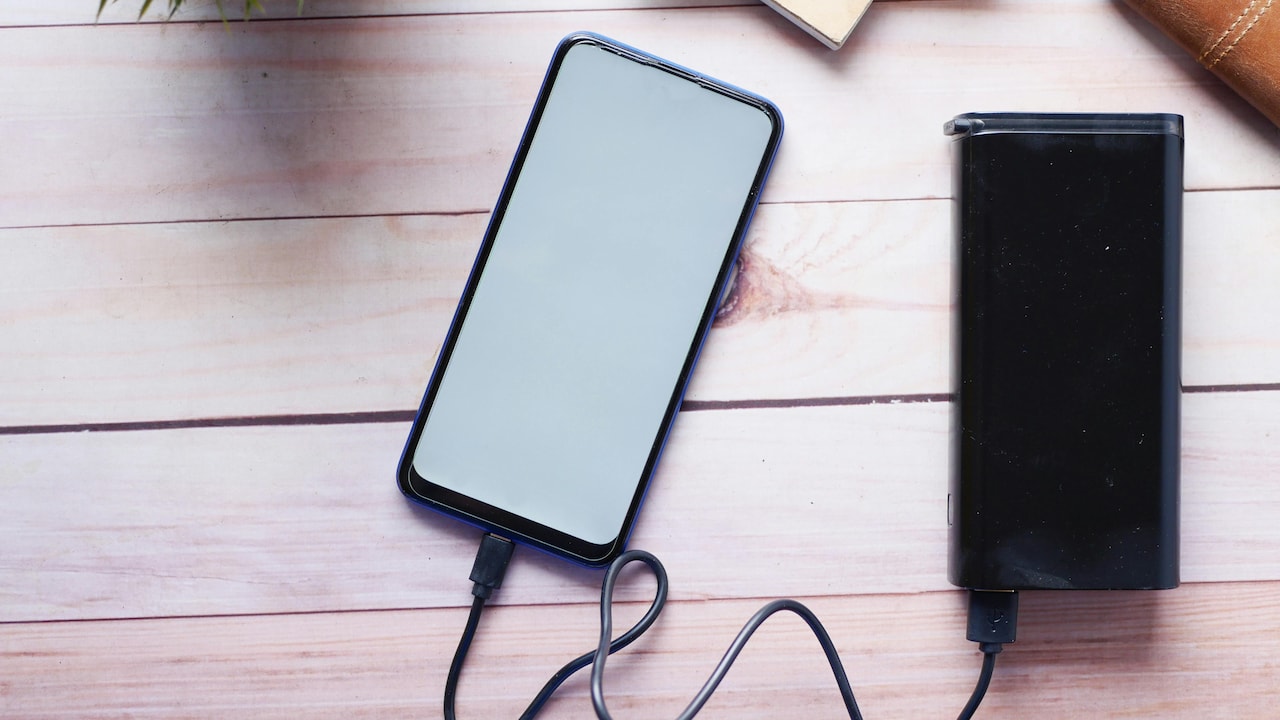
Fast Charging Power Banks: Do They Really Charge Phones Faster?; Photo Credit: Pexels
Key Factors That Determine Fast Charging Performance
The Rise Of Fast Charging Technology
The idea of fast charging emerged as smartphones evolved into powerful pocket computers. Larger displays, stronger processors and constant internet connectivity pushed battery usage higher than ever. Waiting three hours for a full charge suddenly felt unacceptable.
Technology companies responded by developing faster charging standards. Instead of sending electricity slowly into the battery, these systems increase voltage or current to deliver more power in less time. Terms like Quick Charge, Power Delivery and Warp Charge entered everyday conversations among gadget users.
Power banks soon adopted the same technology. Manufacturers realised that people wanted portable charging that matched the speed of wall adapters. A commuter stuck in traffic or a student waiting for a lecture, does not have hours to spare. A quick 30-minute boost matters.
Fast charging power banks, therefore, aim to replicate the rapid charging experience outside the home. They pack internal circuits capable of delivering higher power outputs, sometimes reaching 18W, 30W or even higher.
The concept sounds simple. Yet real-world performance depends on several conditions. A fast charging power bank cannot magically speed up a device that does not support fast charging in the first place. Compatibility remains the hidden factor many buyers overlook.
Understanding How Fast Charging Actually Works
Fast charging revolves around a simple principle: delivering more power safely into a battery within a shorter time. Traditional chargers usually supply around 5 watts of power. Fast charging systems increase this number significantly.
To manage this safely, both the phone and charger communicate with each other. They negotiate how much voltage and current the battery can handle without overheating. Once the agreement occurs, the charger delivers higher power.
A fast-charging power bank follows the same process. Inside the device sits a controller chip that communicates with the smartphone through the charging cable. If both devices recognise the same charging protocol, the power bank increases its output.
Without this communication, the power bank falls back to normal charging speeds. That explains why some users see no difference even after buying a fast-charging model.
Another factor often surprises people. Fast charging mainly works during the early stage of charging, typically between 0% and 50%. As the battery fills up, the charging speed gradually slows down to protect battery health.
So while the first half of charging happens rapidly, the last 20% always takes longer. This behaviour sometimes creates the illusion that fast charging stops working midway, when in reality the system simply protects the battery.
Also Read: Top 7 20000 mAh Power Banks Under 1,500 That Charge Fast From Portronics, Ambrane, Kratos to pTron
The Role Of Charging Protocols
Not all fast charging systems speak the same language. Each major smartphone brand often uses its own protocol. This technical detail quietly determines whether a power bank charges quickly or slowly.
Common standards include USB Power Delivery, Qualcomm Quick Charge and several brand-specific systems. When a power bank supports multiple protocols, it increases the chances of compatibility with different devices.
Imagine plugging a phone into a power bank that supports only one charging standard while the phone uses another. The devices cannot negotiate fast charging. The power bank then defaults to regular speed.
That scenario happens frequently when people buy cheaper models without checking compatibility. A fast charging label alone does not guarantee universal performance.
Higher-quality power banks, therefore, include multiple charging protocols to support a wider range of smartphones, tablets and even laptops. Although these models may cost around ₹3,000 or more, they often deliver the performance buyers expect.
Understanding this compatibility factor helps explain why one fast charging power bank feels blazing fast while another seems disappointingly ordinary.
Why Your Phone Matters More Than The Power Bank
A fast-charging power bank alone cannot create faster charging. The smartphone itself must support fast charging technology. Without that capability, the power bank simply behaves like a regular charger.
Many budget smartphones still rely on standard charging speeds. Plugging such a device into an expensive fast-charging power bank will not suddenly transform the charging time.
The phone's internal battery design, charging circuit and software all control how much power the device accepts. Some phones support 18W charging, while others push beyond 60W using proprietary technology.
Even among fast charging devices, the maximum speed varies widely. A power bank capable of 30W output will charge a phone that supports only 18W at the lower rate.
That difference explains why real-world charging speeds differ between devices using the same power bank. A flagship smartphone might jump from 10% to 50% within half an hour, while a mid-range device climbs more slowly.
So, before expecting miracles from a power bank, checking the phone's charging capability reveals what speed to realistically expect.
Fast Charging Power Banks: Do They Really Charge Phones Faster?; Photo Credit: Pexels
Cable Quality: The Hidden Speed Breaker
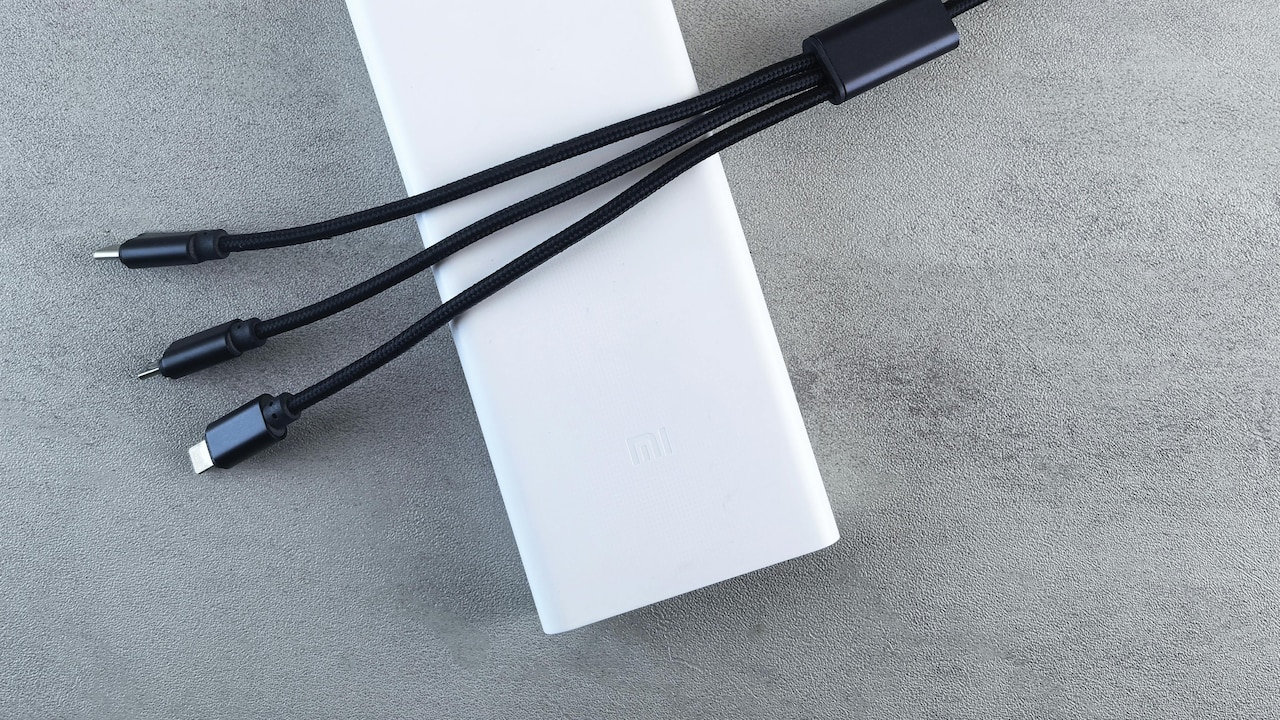
Charging cables rarely receive attention, yet they often determine the real charging speed. A poor-quality cable can quietly reduce power delivery, even when using a powerful fast-charging power bank.
Fast charging requires cables designed to carry higher current safely. Cheap cables sometimes lack proper wiring or certification. As a result, the system restricts power flow to prevent overheating.
Many people unknowingly use the cable bundled with an older charger. That cable may support only standard charging speeds. The power bank and phone may support fast charging perfectly, but the cable blocks the process.
Higher-quality cables include thicker wires and smart chips that communicate with the charger. These cables allow higher power flow without risk.
Spending ₹300 to ₹500 on a reliable cable often unlocks the full potential of a fast-charging power bank. Without it, the charging experience may feel frustratingly slow despite owning capable hardware.
Sometimes the smallest accessory quietly becomes the biggest performance bottleneck.
Battery Capacity And Output Power
Power bank capacity often appears on packaging in large numbers, such as 10,000mAh or 20,000mAh. While capacity determines how many times a phone can charge, it does not always guarantee faster charging.
Charging speed depends more on output power, measured in watts. A large capacity power bank with low output may charge slowly, while a smaller model with higher output charges faster.
For example, a 20,000mAh power bank delivering only 10W may take longer to charge a phone than a compact 10,000mAh unit offering 30W output.
Manufacturers sometimes highlight capacity while hiding output specifications in small print. Buyers then assume higher capacity equals faster charging, which is not always true.
Balanced models combine good capacity with strong output power. Such devices provide enough energy for multiple charges while still delivering rapid boosts when needed.
For travellers, students and office commuters, that balance often matters more than simply choosing the largest battery available.
Heat, Safety And Battery Protection
Fast charging pushes more power into a battery within a shorter time. That process naturally produces heat. Excessive heat can damage battery health if not managed carefully.
Reliable fast charging power banks include temperature sensors and protection circuits. These systems monitor heat levels and adjust power flow when necessary.
When the battery temperature rises too high, the charging speed automatically slows down. Some users interpret this behaviour as inconsistent charging, but it actually protects the device.
Smartphones also contain similar safety systems. Both the power bank and phone work together to prevent overheating, overcharging or short circuits.
Well-built power banks, therefore, cost slightly more because they include these safety features. Spending ₹1,500 to ₹3,000 on a trusted brand usually provides better safety compared with extremely cheap models.
Fast charging technology continues improving, but safety always remains the top priority. Speed matters, yet battery health matters far more.
Fast Charging Power Banks: Do They Really Charge Phones Faster?; Photo Credit: Pexels
Real-World Charging Speeds
In everyday use, fast charging power banks often provide noticeable improvements, though not always dramatic ones. A typical example explains the difference.
Consider a phone with 20% battery remaining during a long train journey. A standard power bank might add around 15% battery in twenty minutes. A fast charging model could push that number closer to 35% or even 40% within the same time.
That difference becomes valuable during short breaks or quick stops. A half-hour charging window suddenly provides enough battery to last several more hours.
However, the advantage becomes less visible once the battery crosses 70%. Charging slows down as the battery fills, regardless of how powerful the charger is.
Fast charging, therefore, shines most when the battery runs low and time feels limited. During overnight charging or relaxed charging at home, the difference becomes less important.
Understanding this behaviour helps set realistic expectations before purchasing a fast-charging power bank.
When Fast Charging Power Banks Make Sense
Fast charging power banks prove especially useful for people who are constantly on the move. Long commutes, outdoor travel and unpredictable electricity supply often create situations where quick charging becomes essential.
Imagine waiting at a crowded railway platform with only fifteen minutes before departure. A fast charging power bank can add enough battery to keep maps, music and digital payments working throughout the journey.
Students attending long college days often rely on phones for notes, messaging and entertainment. A rapid top-up between classes can prevent the dreaded low-battery warning during the evening commute.
Frequent travellers also appreciate faster charging during airport layovers or bus stops. Instead of searching endlessly for wall sockets, a quick power bank boost solves the problem.
For such lifestyles, spending slightly more on a fast-charging power bank offers genuine convenience rather than just fancy specifications.
Marketing Hype Versus Real Performance
The technology behind fast charging genuinely works. Yet marketing language sometimes stretches expectations beyond reality. Words like “super fast” or “ultra charging” often appear without a clear technical explanation.
Consumers may assume that any fast-charging power bank will drastically reduce charging time. In truth, the improvement depends on device compatibility, cable quality and output power.
Some inexpensive products advertise fast charging but support only one limited protocol. Others display impressive wattage numbers that apply only to specific devices.
Smart buyers, therefore, look beyond the front of the box. Checking output wattage, supported protocols and brand reputation provides a clearer picture of real performance.
Technology works best when expectations match reality. Fast charging power banks offer meaningful speed improvements, but they follow the laws of battery physics rather than marketing slogans.
Products Related To This Article
1. Lifelong Electronics 20000mAh 22.5W Fast Charging Power Bank
2. Xiaomi Power Bank 4i 20000mAh 33W Super Fast Charging PD
3. Amazon Basics 20000 mAh Power Bank
4. URBN Power Bank 20000mAh Fast Charging
5. DailyObjects Loop Qi2 Certified 20000 Mah Mag-Safe Compatible Aluminium Wireless Power Bank
Fast charging power banks do charge phones faster, but only when the entire charging ecosystem works together. The phone must support fast charging, the power bank must deliver sufficient output, and the cable must handle higher current safely.
When these elements align, the difference becomes genuinely useful. Quick top-ups during travel, short breaks or unexpected power cuts can add hours of smartphone usage in minutes.
However, fast charging does not eliminate every waiting period. Batteries still slow down near full capacity, and safety systems regulate power to prevent overheating. Understanding these limits helps avoid unrealistic expectations.
Choosing a well-designed fast charging power bank, therefore, involves more than simply reading the word “fast” on the packaging. Output power, protocol support, cable quality and brand reliability all matter.
For people constantly juggling busy schedules, commutes and travel, a good fast charging power bank becomes less of a gadget and more of a quiet daily companion. When the battery icon flashes red at the worst possible moment, that small device can deliver the kind of relief no marketing slogan could ever fully describe.
(Disclaimer: This article may include references to or features of products and services made available through affiliate marketing campaigns. NDTV Convergence Limited (“NDTV”) strives to maintain editorial independence while participating in such campaigns. NDTV does not assume responsibility for the performance or claims of any featured products or services.)