Smartphone Buying Guide 2026: Spending ₹15000, ₹30000 Or ₹60000? Know What To Check For
Smartphone Buying Guide 2026: This guide breaks down what to check at ₹15,000, ₹30,000, and ₹60,000, from performance and battery to cameras, display, updates, and value.

Smartphone buying guide 2026: Top features to check before buying a smartphone in the upcoming year.
Smartphone shopping in 2026 looks easy on paper. Plenty of brands, endless launches, and more “AI features” than anyone asked for. Yet the decision still trips people up, because daily needs stay stubbornly practical. A smartphone must unlock fast at a crowded metro gate. It must hold charge through a long day of calls, maps, and payments. It must shoot decent photos at weddings where lighting behaves like a prank. Budget changes expectations, not the basics. Around ₹15,000, value matters most and compromises show up faster. At ₹30,000, buyers can demand polish and balance. At ₹60,000, buyers should demand the full flagship experience, not just a fancy logo. So, in our smartphone buying guide 2026 with budgets of between ₹15000, ₹30000 or ₹60000, we reveal what buyers should be looking at.
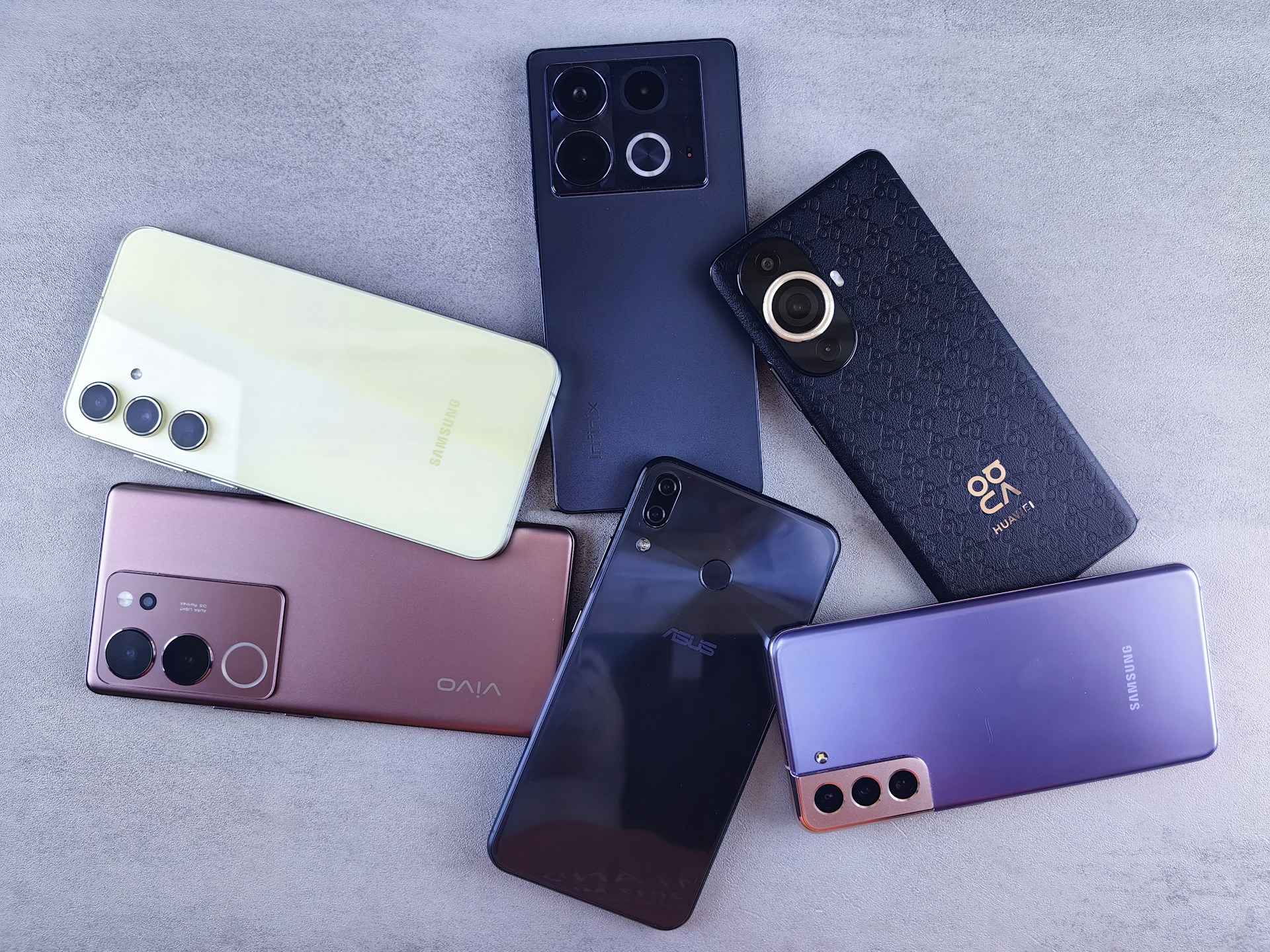
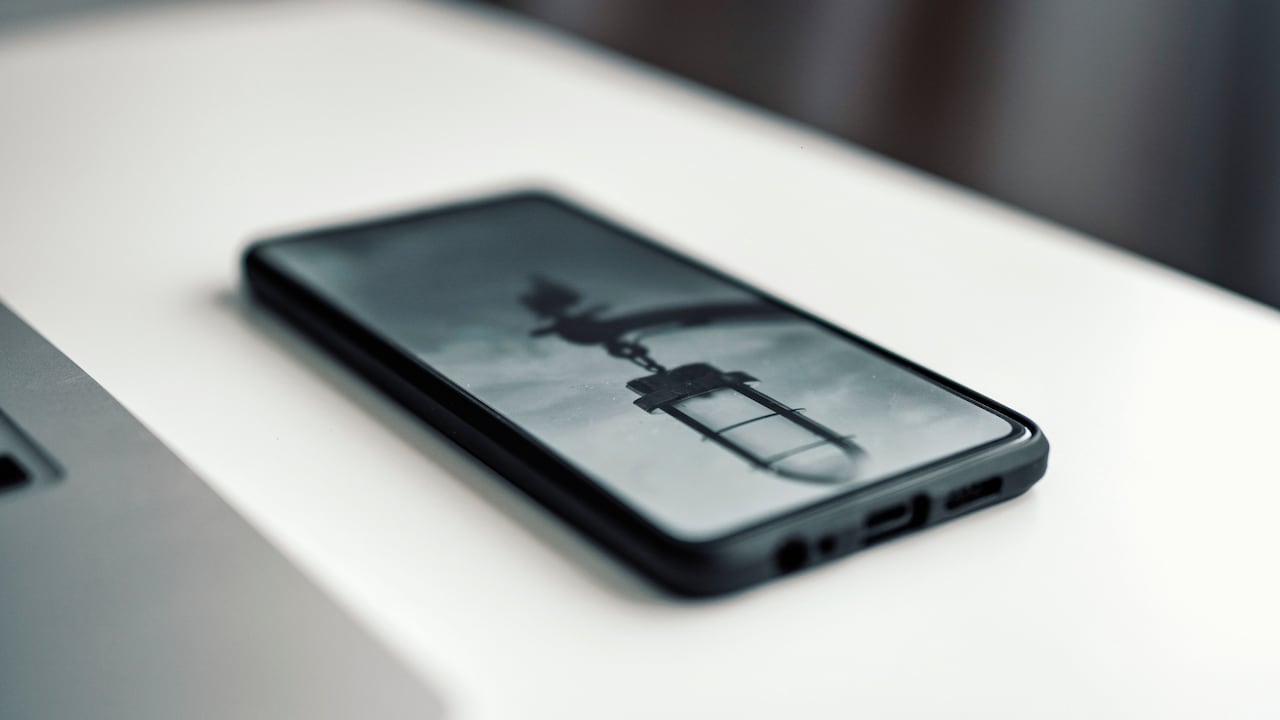
Explore 10 crucial things to check in smartphones before buying one in 2026; Photo Credit: Unsplash
Use the 10 checks below like a pre-flight list. They keep the choice clear, even when marketing tries to do magic tricks.
Also Read: Top 5 Smartphones Under ₹20,000: Best Battery, Camera and More, From Samsung, iQOO to Motorola
10 Things To Check Before Buying A Smartphone
1) Start With Priorities, Not Specs: The ₹15k, ₹30k, ₹60k Reality Check
A budget sets the “no-drama zone” for a phone. Under ₹15,000, focus on smooth basics: reliable calls, clean display, decent battery, and stable software. Expect good daylight photos, not miracle night shots. At ₹30,000, demand an all-rounder: faster performance, better cameras, brighter screens, and stronger update support. This range often gives the best value, like finding a solid thali that tastes great and still leaves room for dessert.
At ₹60,000, ask for premium comfort: top-tier cameras, flagship chipset, excellent display, strong haptics, and long-term updates. If a ₹60,000 phone stutters, heats up, or ships with weak support, walk away. Decide the top three daily priorities first: camera, battery, gaming, compact size, or durability. Specs then become tools, not traps.
2) Performance That Stays Smooth: Chipset, Thermals, and Real-Life Speed
A phone can score big in benchmarks and still feel sluggish in daily use. In 2026, performance depends on the chipset, storage speed, thermal design, and software tuning. For ₹15,000 phones, look for a proven mid-range processor paired with fast storage (UFS if possible). That combo keeps app launches snappy and reduces the “why is this loading?” moment.
At ₹30,000, expect strong multitasking and stable gaming. Check reviews for sustained performance, not just peak numbers. A phone that slows down after ten minutes of gaming feels like a sprinter who stops for pani puri mid-race. At ₹60,000, demand consistent power with good heat control. Heating doesn't just annoy; it drops camera quality, reduces battery life, and makes gaming choppy. Also check RAM type and management. More RAM helps, but smart optimisation helps more.
3) Display Choices That Fit Daily Life: Brightness, Refresh Rate, and Size Comfort
A great screen improves everything: reading, photos, maps, cricket scores, and late-night scrolling. For ₹15,000, prioritise brightness and colour accuracy over fancy labels. A 90Hz refresh rate feels smoother than 60Hz, but a brighter panel matters more under harsh sunlight. At ₹30,000, aim for OLED with 120Hz and strong outdoor visibility. For ₹60,000, expect top-class HDR, excellent brightness, and accurate colours without weird tint shifts.
Now the practical bit: size. Choosing a screen size often feels like choosing a mirror size that actually works for your space. Too big and it feels awkward in the hand and pocket. Too small and typing turns into thumb gymnastics. If one-handed use matters, look for narrower designs, not just diagonal inches. Also, check touch response and accidental touch handling. A “butter smooth” display should stay smooth during sweaty summer commutes, too.
4) Battery and Charging: A Full Day Means a Full Day, Not “By Lunch”
Battery claims love drama. Real life loves honesty. Under ₹15,000, a 5,000mAh battery with good optimisation often beats a smaller battery with faster charging. Prioritise endurance first, speed second. At ₹30,000, aim for both: strong battery life and fast charging that tops up during a tea break. Also, check charging standards and whether the brand includes a charger in the box, because “surprise spending” feels annoying.
At ₹60,000, expect efficient chipsets, premium battery management, and safe fast charging. Wireless charging can feel convenient, but treat it as a bonus unless it fits the routine. Also check battery health features that limit overnight charging stress. A phone should last through navigation, UPI payments, calls, photos, and music without constant battery anxiety. Nobody wants to hunt for sockets like hidden treasure at a wedding venue.
5) Cameras: Look Beyond Megapixels and Check Consistency
Megapixels sell phones. Consistency makes photos worth sharing. In the ₹15,000 range, expect strong daylight shots and workable portraits. Night mode can help, but keep expectations realistic. Instead, check for fast shutter speed and accurate skin tones. At ₹30,000, demand a reliable main camera plus a useful secondary camera. Many phones still add weak macro sensors for decoration. A good ultra-wide lens matters more than a “2MP” anything.
At ₹60,000, the camera system should feel confident in all lighting. Look for natural colours, strong dynamic range, and steady video. Also, check portrait edge detection and motion handling, because kids and pets rarely pose like professional models. Video creators should check stabilisation, audio quality, and focus tracking. Finally, open the selfie camera in harsh indoor light. If faces look waxy or over-sharpened, the “AI beauty” might feel more like an unwanted filter.

Look for smartphones with a fast shutter speed and accurate skin tones; Photo Credit: Pexels
6) Software and Updates: The Phone You Buy Today Must Age Gracefully
A phone's software shapes the entire experience: notifications, battery life, app smoothness, and privacy controls. Under ₹15,000, avoid heavy, messy interfaces that flood the phone with ads and duplicate apps. A cleaner UI can make modest hardware feel faster. At ₹30,000, expect better polish and fewer annoyances. Look for meaningful features like call screening, good spam detection, and smooth animations.
At ₹60,000, long-term update support matters as much as hardware. Security updates protect banking apps and payment flows. Major OS updates keep the phone feeling current. Check the brand's update promise and real-world track record. Also, check pre-installed apps and whether they uninstall easily. A phone should feel like your tool, not a billboard. The best software stays out of the way, then shows up at the right moment, like a friend who brings extra tissues before a sentimental film scene.
7) Build Quality and Durability: Surviving Drops, Dust, and Monsoon Madness
Phones travel through chaos: crowded buses, slippery café tables, sudden rain, and the occasional dramatic drop. Under ₹15,000, focus on practical durability. A decent case and tempered glass help, but the phone should also feel sturdy, with minimal flex and a good grip. At ₹30,000, look for better materials, stronger glass protection, and some level of water resistance if available.
At ₹60,000, demand proper protection ratings and a premium build. Water resistance matters during monsoons and accidental spills. Also, check the camera bump design, because a wobbly phone on a table becomes a daily irritation. Haptics also matter more than people admit. Good vibration feedback makes typing and navigation feel crisp. Buttons should click nicely, not feel mushy. A flagship should feel like a well-made watch: solid, precise, and satisfying every single day.
8) Connectivity in 2026: 5G Bands, Wi-Fi, Call Quality, and Practical Extras
Fast internet sounds fun until the phone drops signal indoors. Connectivity depends on modem quality, antenna design, and band support. For ₹15,000, check call stability, VoLTE/VoWiFi support, and solid reception. A cheap phone that struggles with calls fails the most basic job. At ₹30,000, expect strong 5G performance plus stable Wi-Fi.
At ₹60,000, look for premium connectivity features like faster Wi-Fi standards, better Bluetooth stability, and reliable GPS. If travel matters, accurate navigation helps more than flashy AI features. Also, check speaker quality and microphone clarity. Crisp audio matters for calls, meetings, and voice notes. Dual SIM behaviour matters too, especially if one SIM handles work. A phone should juggle networks without tantrums. Connectivity should feel boring, in the best way, because it simply works.
9) Storage, RAM, and the Hidden Speed Boost: Don't Buy Future Headaches
Storage fills up faster in 2026. Photos look bigger, apps grow heavier, and WhatsApp families keep forwarding videos like it's a sport. Under ₹15,000, avoid 64GB unless usage stays very light. 128GB feels safer for most people. Also check the storage type. Faster storage improves app launches and camera processing more than many expect.
At ₹30,000, 256GB often makes sense, especially for people who shoot lots of video. At ₹60,000, 256GB should feel like the starting point, with 512GB for heavy creators. RAM helps multitasking, but don't chase massive numbers blindly. Balanced optimisation beats bragging rights. Also, check if the phone supports expandable storage, though many newer models skip it. Finally, check how much storage the system eats on day one. A phone should offer space for memories, not just for preloaded apps.
10) Value, Warranty, and Timing: Deals, Service Centres, and Buying Smarter
The best phone choice can still feel terrible if service turns into a headache. Check warranty terms, service centre reach, and the brand's reputation for repairs. Under ₹15,000, after-sales support matters hugely because margins stay tight and hardware failures can sting more. At ₹30,000, demand better service and clearer spare part pricing. At ₹60,000, premium support should match the premium price.
Also buy smart. Prices swing wildly during festive sales, end-of-season clearances, and new model launches. A ₹30,000 phone often drops to ₹25,000 with bank offers, while older flagships sometimes fall near ₹60,000 and deliver excellent value. Still, avoid buying too old if updates matter. Check return policies and open-box delivery options. And don't ignore comfort: weight, grip, and pocket feel. A phone lives in hand every day. The right choice feels effortless, not like a complicated relationship.
Products Related To This Article
1. OPPO K13 5G
2. Samsung Galaxy M56 5G
3. OnePlus Nord 5 | Snapdragon 8s Gen 3
4. Nothing Phone (3a) Pro 5G
5. OnePlus 15R
6. Google Pixel 9A
7. Samsung Galaxy S25 Plus 5G
A smartphone in 2026 should fit life, not impress a spec sheet. The ₹15,000 range can deliver dependable basics if the focus stays on smooth software, battery life, and steady performance. Around ₹30,000, the sweet spot often appears, with balanced cameras, stronger displays, and better long-term usability. At ₹60,000, buyers should demand true flagship polish: powerful yet cool performance, excellent cameras in every light, premium durability, and updates that keep the phone secure for years.
(Disclaimer: This article may include references to or features of products and services made available through affiliate marketing campaigns. NDTV Convergence Limited (“NDTV”) strives to maintain editorial independence while participating in such campaigns. NDTV does not assume responsibility for the performance or claims of any featured products or services.)