Why Are People Switching Back To Wired Earphones in 2026? Reddit Seems To Know
Wired Earphones Comeback 2026 | Wired earbuds are suddenly back in trend. From sound quality to convenience, Reddit users share why people are ditching wireless for wired again.

The wired comeback is part nostalgia, part practicality.
If someone had told us five years ago that wired earphones, those prone-to-tangle, old‑school, "don't‑move-too-much-or-they'll-yank-out" vintage pieces, would make a comeback, we might have laughed. Wireless buds were meant to be the future: sleek, convenient, liberating. While wired earphones were to be appreciated only in old Bollywood movies. And for a while, wireless earbuds absolutely dominated the scene.
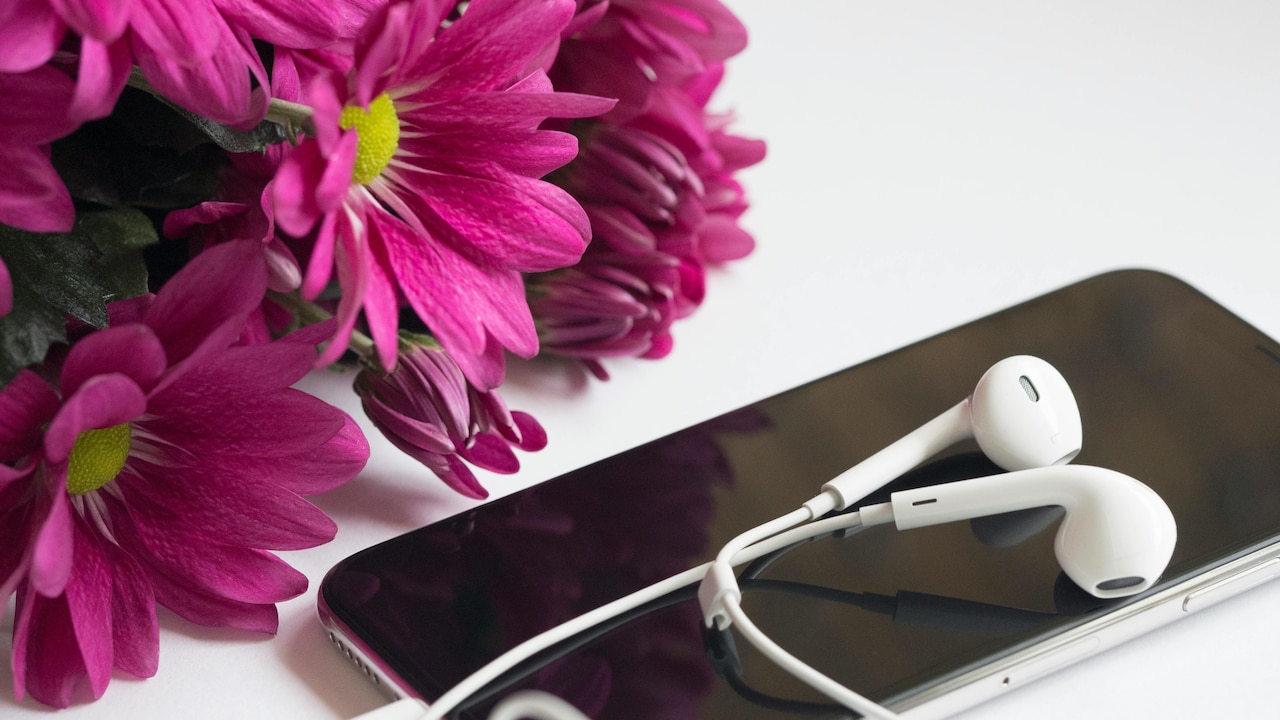
Sometimes the simplest tech, like wired earphones, ends up being the most reliable.
Photo Credit: Pexels
Yet here we are in 2026, noticing something curious on university campuses, metros, cafes and co‑working spaces: wires. Dangling white and black, emerging from pockets, all the way to the ears. The question practically asks itself, why are people switching back?
Also Read: How To Choose The Best Wireless Earbuds: Comfortable, Long-Lasting Buds for All-Day Wear
Reddit's r/Earbuds community recently had this exact conversation after a user pointed out that wired earphones seem to be sneaking back into daily life. The replies were surprisingly passionate, and collectively, they paint a picture of a trend that's practical, cultural, and maybe even a little nostalgic.
Let's dive into what Reddit, and real users, have to say.
Why Are People Switching Back To Wired Earphones? Reddit Explains
1. Better Sound Quality For Way Less Money
One of the clearest arguments in favour of wired earphones is the raw value for money. Audiophiles have been quietly saying it for years, but now even the general public is catching on: a ₹800-₹1500 wired pair can easily outperform a ₹3000-₹4000 pair of popular wireless buds in pure sound quality.
Without batteries, Bluetooth compression, latency issues or tiny in‑built amplifiers, wired earphones simply don't have to fight physics to sound good. They can deliver clearer mids, richer bass and better detail with minimal fuss.
Redditor Extension_South7174 summed it up, "If you want good sound without emptying your wallet, the wired route is still unbeaten. They even recommended the 7Hz Zero 2, a model widely celebrated online for offering shockingly good audio at a low price."
In short, wireless earphones made us forget how good wired ones can sound. Now, people are remembering.
2. No Need To Charge
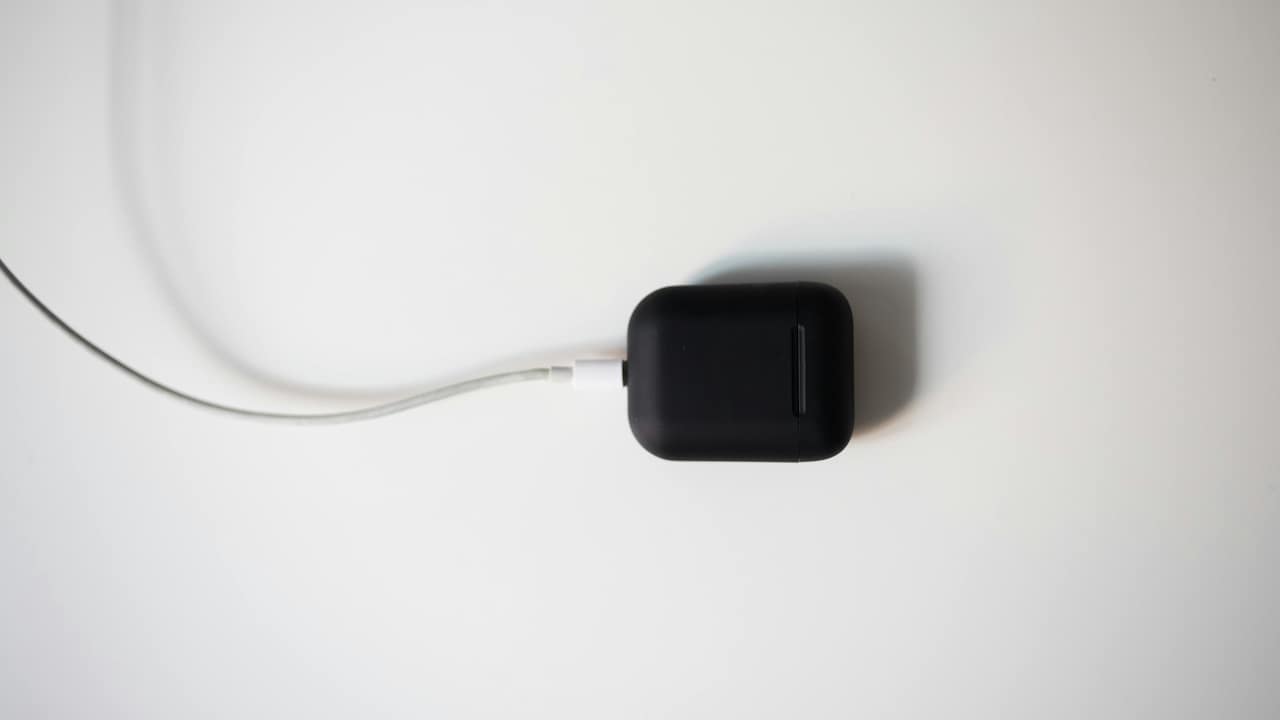
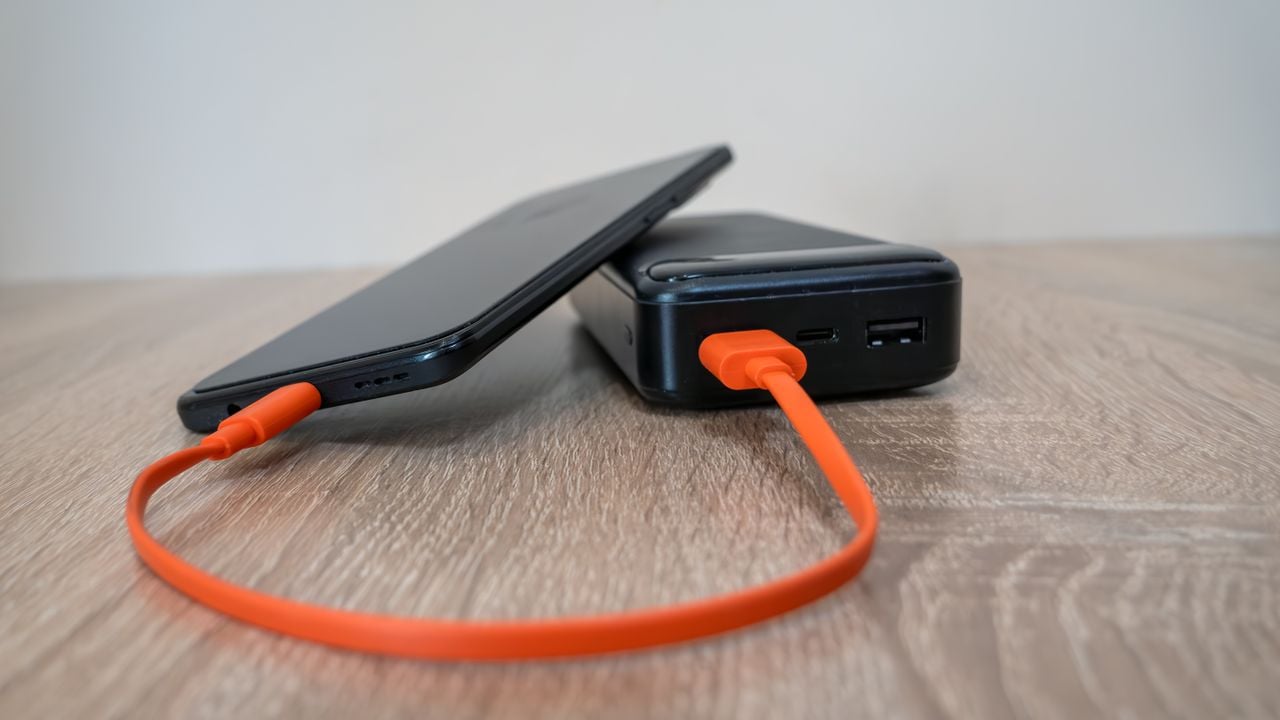
Wired earphones don't need charging, and that alone feels refreshing.
Photo Credit: Pexels
Let's be honest: charging fatigue is real.
We charge our phones, our smartwatches, our laptops, our tablets, our e‑readers, and occasionally our electric toothbrushes too. The last thing many of us want is yet another device that demands juice, especially something as frequently used as earphones.
Redditor KaptainKuceng kept it simple, "Wired buds work whenever you pick them up. No charging anxiety. No battery deterioration. No frantic searching for that tiny case that's always mysteriously running low.
And it isn't just Redditors, I have lived this too. As an iPhone user, I had to carry a separate charger for the wireless buds, alongside my work laptop and its charger. The everyday inconvenience of juggling multiple cables becomes a bigger hassle than it's worth. Add the constant need to recharge the buds, often multiple times a day if you're a heavy listener, and the charm of "wireless freedom" fades fast.
With wired earphones? You plug in and you're good to go. There's something refreshing about that simplicity.
3. Skips Terrible Mic Experience
If there's one point that everyone on the Reddit discussion seemed to agree on, it's that wireless earphone microphones are notoriously bad.
Wireless earbuds from brands like Noise, boAt, Apple, and more may be stylish and convenient, but when it comes to call clarity, they've been compared to:
- Talking from across the room.
- Speaking from inside a tin can.
- A voice note recorded underwater.
One user, u/killingtyme23, admitted that friends consistently complain about their wireless earbud mic, “People tell me it sounds like trash.” Another, gots8e9, echoed the sentiment, emphasising how distant or muffled voices tend to sound over Bluetooth mics.
I've had the same experience. Wireless mic quality frustrated me to the point where I constantly had to switch devices for calls during my work or metro rides. With wired earphones, especially Apple's own, the difference is immediate. Voices sound crisp. There's no weird compression. No clipping, crackling or robotic distortions.
For people who take work calls regularly or rely on voice notes, this alone becomes a compelling reason to ditch wireless.
4. Fashion, Aesthetics, And Nostalgia Bonus

Wired earphones are extremely Y2K coded and win every time in mic quality
Photo Credit: Pexels
Interestingly, the thread didn't just stick to technical reasons. u/epicmango_loves_art pointed out that the return of wired earphones is partly a fashion trend.
Think about it. Vintage and Y2K aesthetics have been back in force for years, low‑rise jeans, Y2K kurtis, flip phones on Instagram, claw clips, cam-corders. Wired earphones fit neatly into this cultural wave. They give off a certain vintage‑cool vibe that wireless buds never quite managed.
Wired earphones also offer more variety. Different colours, metal finishes, translucent housings, quirky designs, the personalisation options outshine the generic look of most wireless buds.
And unlike wireless devices that need sleek, rounded casings for batteries and sensors, wired models can be bold, playful or retro without affecting functionality.
Young people, especially are embracing this mix of practicality and aesthetic flair. A wire isn't a limitation anymore, it's an accessory.
5. Dodges ANC Fatigue
Active Noise Cancellation (ANC) was a major selling point for wireless earphones. But many users, myself included, have realised over time that ANC can cause discomfort, pressure, dizziness or even nausea.
While some wireless earbuds offer transparency modes or adjustable ANC levels, they rarely feel as "natural" as letting the environment filter in through open-back or semi‑open wired designs.
Wired earphones also let you choose ear tips, fit styles, and sound signatures more flexibly. Essentially, they give you more control over your listening experience, without forcing your ears to adapt to artificial sound environments.
6. Convenience Wins
Wireless earphones were marketed as the ultimate convenience. And they are convenient in many scenarios: running, commuting lightly, gym sessions, hands‑free calls. But they also come with compromises, pairing issues, latency, firmware updates, battery cycles, dropped connections, and microphones that make you sound like you're phoning from the bottom of a pit.
Wired earphones, in contrast, give you:
- Reliability
- Instant connection
- Better call quality
- Better sound for the price
- Zero charging stress
They're not perfect, wires still tangle, and not all phones have headphone jacks, but for many people, these trade-offs feel minor compared to the benefits.
Are Wired Earphones Really “Back”?
Absolutely, and not quietly.
Wired earbuds are not just a passing aesthetic fad; they're part of a wider shift in how people approach technology. There's a growing preference for devices that:
- Last longer
- Are simpler to maintain
- Offer better value
- Are kinder to the environment
- Reduce digital fatigue
Wireless isn't going anywhere, nor should it. But more and more people, from students to professionals, are discovering that the old ways weren't so bad after all. Sometimes, the simplest tech is the tech that wins.
Top Wired Earphones in 2026 Available Online
1. JBL C100SI Wired In Ear Headphones With Mic
2. Sennheiser CX 80s Wired in Ear Earphones with in-Line Microphone
3. Apple EarPods (USB-C)
4. realme Buds 3 Wired Earphones with Mic
5. Amazon Basics Pro Series IEM Earphone
6. Samsung AKG-Tuned IC100 Type-C Earphone
7. Sony MDR-EX255AP Wired in-Ear Headphones
8. Sounce HiFi KZ ZST Colorful Hybrid Balance Armature with Dynamic in-Ear Earphones Stereo Headphones
Frequently Asked Questions (FAQs)
1. Why are wired earphones becoming popular again?
People are switching back to wired earphones because they offer better sound quality for the price, require no charging, and deliver clearer microphone performance. Many also prefer their simplicity and comfort.
2. Are wired earphones better for calls?
Yes. Wired earphones typically have clearer microphone quality since they don't rely on Bluetooth compression or distant mic placement. This makes them more reliable for calls and meetings.
3. Do wired earphones sound better than wireless ones?
Generally, yes, especially in lower price ranges. Wired audio avoids Bluetooth limitations, delivering cleaner, more detailed sound without latency.
4. Is the wired earphone comeback just a fashion trend?
Partly. The Y2K and retro aesthetic has made wired earphones trendy again, especially among younger users. But the return is also driven by practical benefits like reliability and convenience.
5. Why do some people feel uncomfortable using ANC in wireless earbuds?
Active Noise Cancellation can cause ear pressure, dizziness or nausea for some users because it artificially blocks external sound. Wired earphones often feel more natural due to their passive listening experience.
(Disclaimer: This article may include references to or features of products and services made available through affiliate marketing campaigns. NDTV Convergence Limited (“NDTV”) strives to maintain editorial independence while participating in such campaigns. NDTV does not assume responsibility for the performance or claims of any featured products or services.)