Charging Cables Breaking Often? How To Choose Durable Ones
Frayed ends, loose connections, and yet another trip to the shop, charging cables seem to have a shorter life than they should. With the right knowledge, though, it is possible to pick cables that last longer, charge faster and save money over time.
Tired Of Charging Cables Breaking? 10 Smart Tips To Choose Durable Ones
Few things feel as frustrating as plugging in a phone at night, only to wake up to a battery that barely moved. A quick inspection often reveals the culprit: a worn-out charging cable, bent at odd angles or hanging by a thread near the connector. It is a small accessory, yet it plays a huge role in everyday life. Charging cables face constant stress. They twist inside bags, get yanked out in a hurry, and often live in less-than-ideal conditions. While many simply replace them without a second thought, repeated purchases can quietly add up. Spending ₹300 here and ₹500 there may not seem much, but over a year, the total can sting.
The good news? Not all cables are created equal. Some are built to endure daily wear, while others barely survive a few weeks. Knowing how to spot a durable cable can make a noticeable difference, not just to convenience, but also to the wallet.
Charging Cables Breaking Often? How To Choose Durable Ones
Photo Credit: Pexels
Key Factors To Consider Before Buying A Durable Charging Cable
Understand Why Cables Fail
Charging cables rarely fail without warning. Most begin to show subtle signs, tiny cracks near the connector, slight loosening, or intermittent charging. These issues usually stem from repeated bending at stress points. The area where the wire meets the connector takes the most strain, especially when the phone is used while charging.
Daily habits contribute more than expected. Charging while scrolling social media, tossing cables into backpacks without care, or wrapping them tightly around a charger can weaken the internal wires. Over time, these micro-damages accumulate until the cable gives up entirely.
Another overlooked factor is heat. Charging devices under pillows or in tight spaces can generate excess heat, which affects both the cable and battery. A better understanding of these causes helps in choosing cables designed to resist such wear and tear.
Durability, in this sense, is not just about materials; it is about how well a cable handles real-life use.
Look For Reinforced Connectors
The connector ends of a cable often determine its lifespan. Cheap cables tend to have plain plastic joints, which crack easily under pressure. In contrast, durable cables feature reinforced connectors with extended rubber or flexible sleeves. These act as buffers, reducing the strain caused by bending.
When browsing options in stores or online, it helps to gently inspect the connector design. A longer, slightly thicker joint usually signals better reinforcement. Some premium cables even include strain-relief patterns, those ribbed sections near the ends, which allow gradual bending instead of sharp folds.
This design detail might seem minor, yet it significantly improves longevity. Spending an extra ₹200–₹300 on a cable with reinforced connectors can save multiple replacements later.
In everyday use, such cables feel sturdier and inspire confidence. They do not give that uneasy feeling of “handle with care,” which is often a sign of fragile construction.
Choose Braided Over Plastic Coating
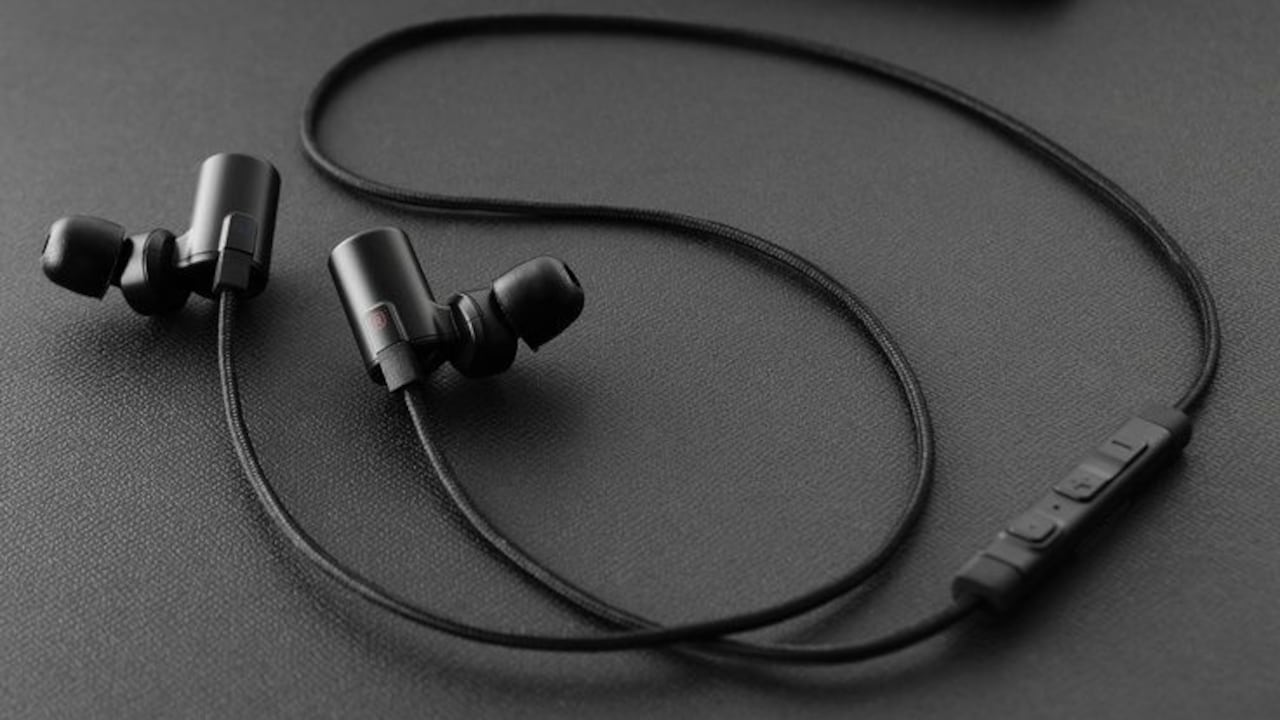
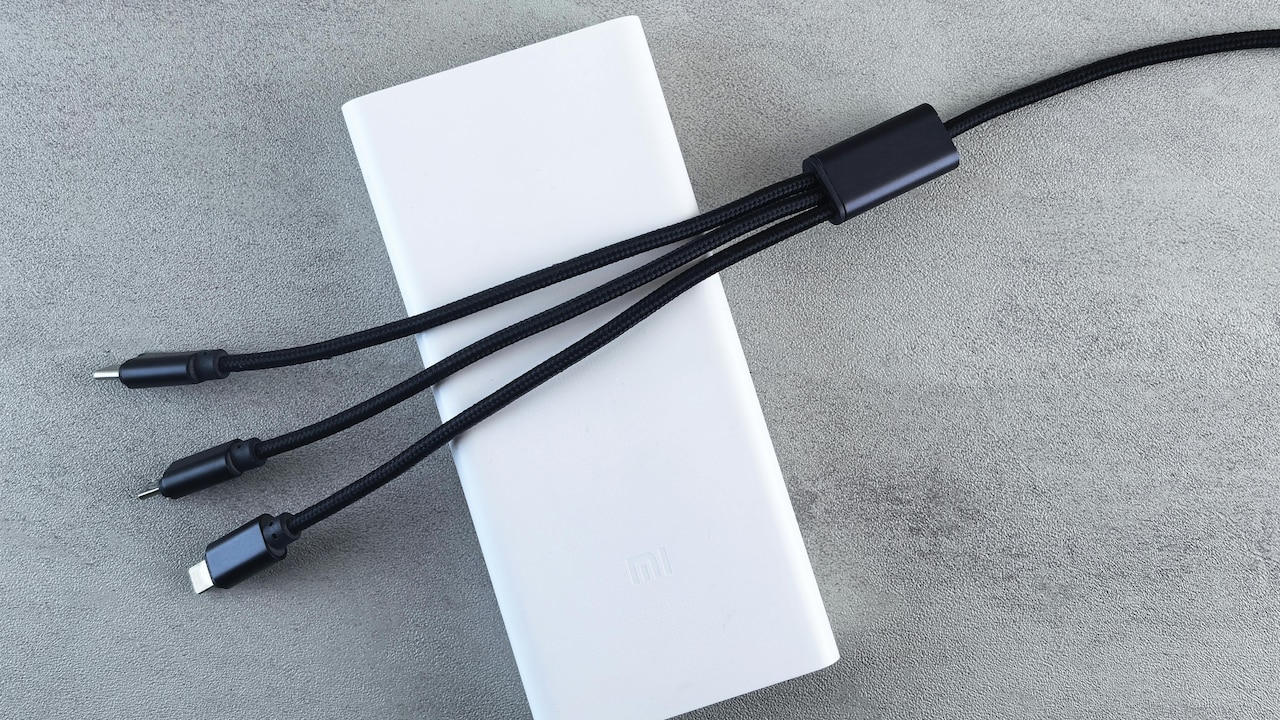
The outer layer of a cable plays a crucial role in durability. Traditional plastic-coated cables look neat at first but tend to crack, peel, or stiffen over time. Braided cables, on the other hand, use woven nylon or fabric that resists damage far better.
Braided designs handle friction and bending more effectively. They do not tangle as easily and feel more flexible in the hand. For those who carry cables in bags or pockets daily, this added resilience makes a noticeable difference.
There is also a subtle psychological benefit. A braided cable simply feels premium. It gives the impression of reliability, even before testing it. While they may cost slightly more, often around ₹600 to ₹1,000, the extended lifespan makes them a worthwhile investment.
In homes where cables often travel from room to room, a braided option reduces the need for frequent replacements. Over time, it becomes clear that durability is not just about strength, but also about how well a cable adapts to daily movement.
Also Read: Why Your Fast Charger Still Charges Slowly: The Cable Problem Nobody Talks About
Check Cable Length Wisely
Long cables seem convenient at first glance. They allow charging from a distance, making it easier to use devices comfortably. However, longer cables often experience more internal resistance and are more prone to tangling and damage.
Shorter cables, typically around one metre, strike a good balance between convenience and durability. They remain easier to manage and put less strain on connectors. For bedside charging or desk use, this length works well without excessive slack.
That said, longer cables still have their place. When choosing one, it is important to ensure the build quality matches the added length. A poorly made long cable will fail more quickly than a well-built shorter one.
Ultimately, selecting the right length depends on usage patterns. A thoughtful choice prevents unnecessary wear and keeps the charging experience smooth. Sometimes, the simplest option turns out to be the most practical.
Pay Attention To Certification
Many overlook certification labels, yet they reveal a lot about cable quality. Certified cables meet specific safety and performance standards, ensuring compatibility with devices. Non-certified options may work initially, but can cause slow charging or even damage over time.
For instance, cables designed for fast charging must support higher power levels. Without proper certification, they might not deliver the expected speed or could overheat. This becomes particularly important for modern smartphones that rely on quick charging technology.
Checking packaging details or product descriptions helps in identifying certified cables. While these may cost slightly more, they provide peace of mind. Spending ₹800 on a reliable cable feels far better than risking device damage with a cheaper alternative.
A certified cable not only lasts longer but also protects the device it serves. That alone makes it a smarter choice in the long run.
Consider Brand Reliability
Brand reputation often reflects product quality. Well-known brands invest in better materials, testing, and design. While lesser-known options may appear attractive due to lower prices, they sometimes compromise on durability.
This does not mean every expensive cable guarantees quality, but established brands usually offer better consistency. They also provide warranties or replacement policies, which add value.
In local markets or online platforms, it helps to read reviews and check user feedback. Real experiences often reveal details that product descriptions miss. A cable praised for lasting over a year stands out compared to one that fails within months.
Spending ₹500 more on a trusted brand might seem unnecessary at first, yet it often reduces the hassle of repeated purchases. Over time, reliability becomes more valuable than saving a small amount upfront.
Charging Cables Breaking Often? How To Choose Durable Ones
Photo Credit: Pexels
Evaluate Fast Charging Compatibility
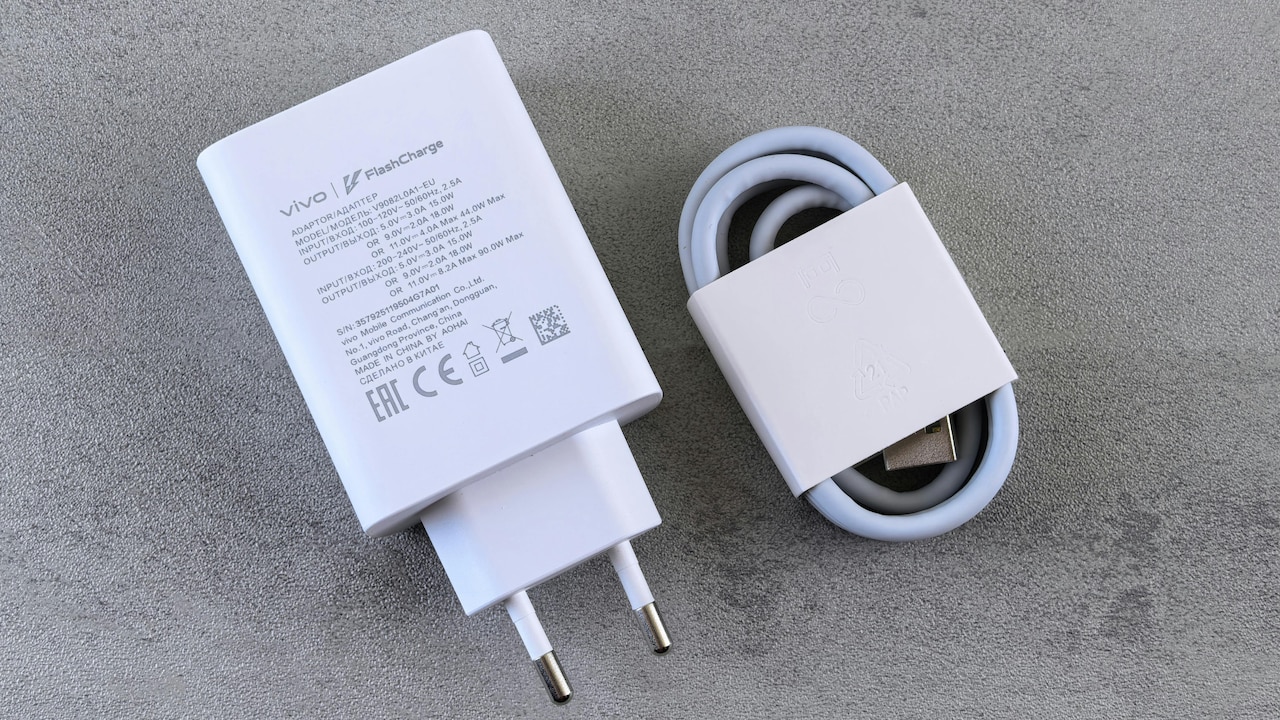
Fast charging has become a standard feature, but not all cables support it effectively. Using a regular cable with a fast charger may result in slower speeds, defeating the purpose entirely.
Durable cables designed for fast charging use thicker internal wires to handle higher current. This reduces heat buildup and improves efficiency. Checking compatibility with specific charging standards ensures optimal performance.
It is also worth noting that fast charging generates more heat than standard charging. A poorly built cable may struggle under these conditions, leading to quicker wear. Investing in a cable built for fast charging ensures both speed and durability.
For those constantly on the move, fast charging can be a lifesaver. Choosing the right cable enhances this benefit while maintaining long-term reliability.
Inspect Flexibility And Feel
A cable's flexibility often indicates its quality. Stiff cables tend to crack over time, while overly soft ones may lack structural strength. A good cable strikes a balance; it bends easily without feeling fragile.
Holding a cable before purchase can reveal a lot. Smooth bending, without creaking or resistance, suggests better materials. Even when buying online, product descriptions and reviews can hint at flexibility.
Flexible cables adapt better to daily use. They survive twists inside bags and awkward charging angles without damage. This adaptability plays a significant role in extending lifespan.
While it may seem like a minor detail, the way a cable feels in hand often reflects how well it will perform over time. Sometimes, instinct serves as a reliable guide.
Avoid Overly Cheap Options
Budget-friendly options can be tempting, especially when cables seem interchangeable. However, extremely cheap cables often compromise on materials and safety. They may work initially but tend to fail quickly.
Frequent replacements not only increase expenses but also create inconvenience. A ₹150 cable replaced every month ends up costing far more than a ₹700 cable that lasts a year.
There is also a safety aspect to consider. Poorly made cables can overheat or damage devices. Saving a small amount is not worth the potential risk.
A balanced approach works best; look for value rather than the lowest price. Spending a little more up front often results in better performance and fewer headaches later.
Maintain Cables Properly
Even the most durable cable benefits from proper care. Simple habits can extend its life significantly. Avoid pulling the cable from the wire; always grip the connector instead. Store cables loosely rather than wrapping them tightly.
Using cable organisers or clips can prevent tangling and reduce stress. Keeping cables away from extreme heat or moisture also helps maintain their condition.
Another useful habit involves rotating usage. Instead of relying on a single cable everywhere, having a few designated ones, for home, office, and travel, reduces wear on each.
Durability is a combination of good design and mindful use. A well-maintained cable can last far longer than expected, proving that small changes in behaviour make a big difference.
Charging Cables Breaking Often? How To Choose Durable Ones
Photo Credit: Pexels
Products Related To This Article
1. MYVN 100W Ultra Fast Charging Cable for OnePlus
2. Ambrane Unbreakable 60W / 3A Fast Charging 1.5m Braided Micro USB Cable for Smartphones
3. Portronics Konnect L POR-1403 Fast Charging 3A Type-C Cable 1.2 Meter with Charge
4. COSTAR 60W 3-in-1 Multi Fast Charging Cable
5. G+ PD 100W Charging Cable with Intelligent Power Control
Charging cables may seem like simple accessories, yet they influence daily convenience more than most realise. Frequent breakages often stem from a mix of poor quality and everyday habits. By understanding what to look for, reinforced connectors, braided designs, proper certification, and reliable brands, it becomes easier to choose cables that last.
Durability is not about spending excessively; it is about spending wisely. A slightly higher upfront cost often leads to long-term savings and fewer frustrations. Combined with proper care, a good cable can serve reliably for months, even years.
In the end, the goal is simple: fewer replacements, better performance, and one less daily annoyance. Choosing the right cable turns a small purchase into a smart decision.
(Disclaimer: This article may include references to or features of products and services made available through affiliate marketing campaigns. NDTV Convergence Limited (“NDTV”) strives to maintain editorial independence while participating in such campaigns. NDTV does not assume responsibility for the performance or claims of any featured products or services.)