10 Steam Iron Mistakes Most People Make That Damage Clothes Silently
Common steam iron mistakes can slowly ruin clothes without being noticed. From water choice to heat settings, these everyday errors shorten fabric life and fade favourites faster.
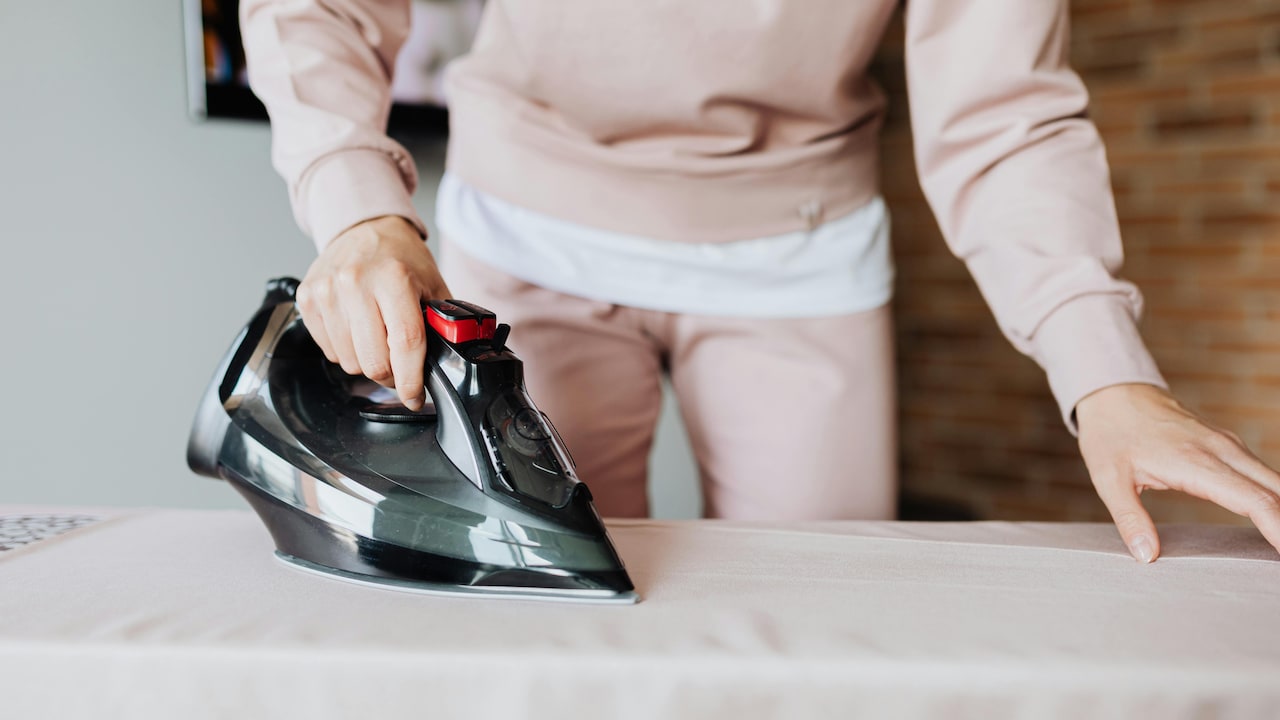
10 Steam Iron Mistakes That Ruin Clothes And Simple Fixes To Keep Every Outfit Looking Crisp Longer.
Steam irons rarely get much attention. They are used early in the mornings, between boiling milk and checking the time, or late at night. The steam iron plugs in, heats up, and gets to work. Over time, however, favourite clothes begin to lose their charm. Colours dull. Fabrics stiffen. Tiny scorch marks appear like unwanted signatures. This happens because many households skip the care and technique needed to protect clothes while using a steam iron.
Understanding these mistakes saves money, preserves fabric, and keeps clothes looking fresh for years. Here are 10 steam iron mistakes most people make that ruin clothes silently. Also, know how to stop them before another beloved outfit pays the price.
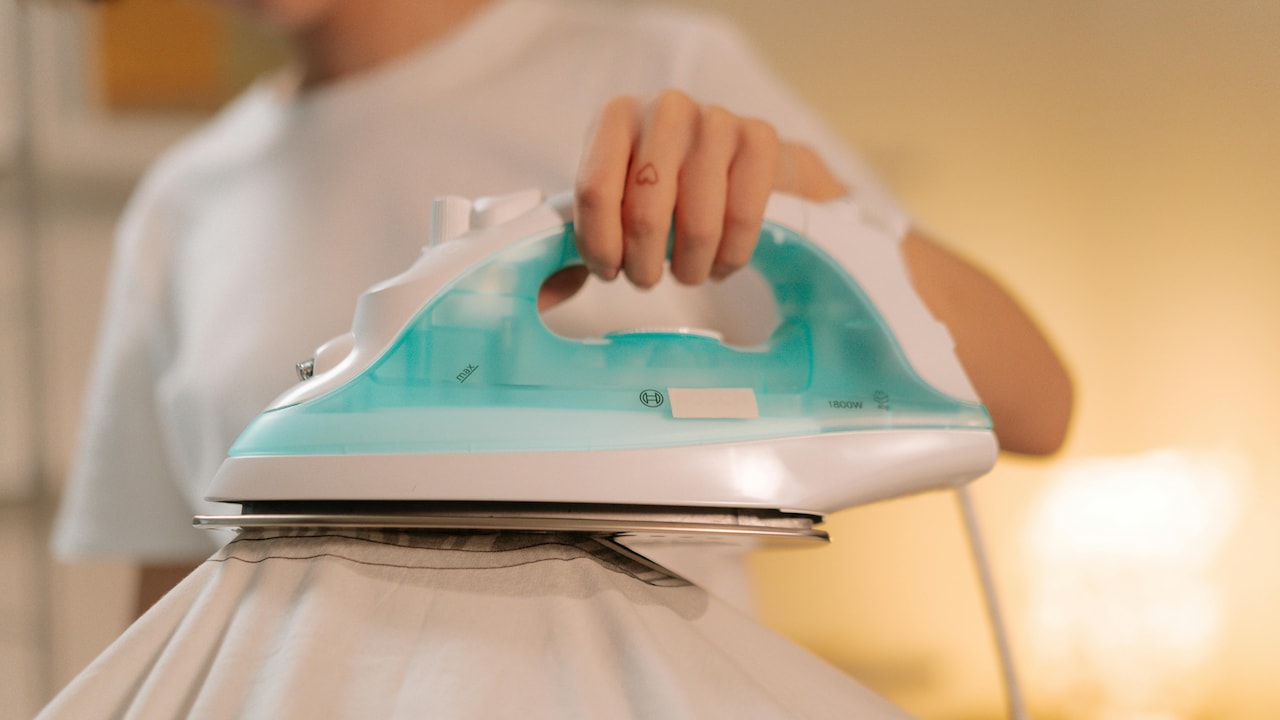
10 Steam Iron Mistakes That Ruin Clothes Silently
Photo Credit: Pexels
Why Your Clothes Wear Out Faster Than They Should
1. Using Tap Water Instead of Filtered Water
Tap water feels convenient. Fill the tank, press the steam button, and move on. Over time, minerals in tap water build up inside the iron. Limescale forms quietly and clogs steam vents. Steam starts sputtering instead of flowing evenly. White flakes land on dark fabrics and leave stubborn marks.
Cotton shirts and school uniforms suffer the most. The fabric stiffens after ironing, even when washed properly. Mineral residue also stains silk and satin beyond repair. Many assume the fabric quality failed, yet the real culprit sits inside the iron.
Filtered or distilled water costs very little compared to replacing damaged clothes. A ₹50 bottle lasts weeks. Regular descaling, as mentioned in the manual, keeps the steam clean and gentle. Clear steam protects fibres and helps clothes breathe instead of choking them with residue.
2. Ignoring Fabric Labels Completely
Fabric labels exist for a reason. They whisper warnings that often get ignored in the morning rush. A high heat setting meant for cotton lands on a delicate blend. The result shows later as shine, shrinkage, or weakened fibres.
Office trousers often develop a glossy patch on the thighs or pockets. Synthetic saree blouses lose shape. Linen creases turn stubborn. These changes happen gradually, making them hard to trace back to one ironing session.
Taking ten seconds to check the label saves hundreds of rupees. When labels fade, a simple rule helps: start with low heat and increase slowly. Steam suits natural fibres better than synthetics. Respecting fabric limits keeps clothes strong and comfortable for longer.
3. Letting the Iron Sit Too Long in One Spot
A ringing phone. A crying child. A doorbell. Life interrupts ironing often. Leaving a hot iron resting on fabric, even for a few seconds, creates damage that never fully fades. Scorch marks appear as pale shadows. Fibres flatten and lose strength.
Dark fabrics show burns clearly, while light fabrics hide damage until washing reveals it. Once burnt, fibres break faster and tear easily. That trusted kurta suddenly develops holes after a few wears.
Keeping the iron moving prevents this problem entirely. When interruptions arise, placing the iron upright avoids direct contact. A simple habit change protects clothes from irreversible harm and keeps mornings stress-free.
Also Read: Steam And Dry Irons At Pocket-Friendly Prices Trending During The Flipkart Buy Buy Sale
4. Overusing Steam on Every Fabric
Steam feels powerful and satisfying. Wrinkles relax instantly. Yet, not every fabric welcomes heavy steam. Excess moisture weakens fibres, especially in blends and delicate materials. Clothes may look perfect on the hanger, but sag or stretch once worn.
Dupattas lose flow. Rayon tops lose shape. Even sturdy cotton can feel limp after repeated over-steaming. Moisture trapped in fabric also invites mildew if clothes are stored before drying fully.
Using steam only when needed keeps fabrics resilient. Dry ironing works well for light wrinkles. Allowing clothes to air-dry after steaming prevents musty smells and fibre fatigue. Balance, not excess, delivers the best results.
5. Ironing Dirty or Partially Washed Clothes
A shirt looks clean enough. No visible stains. Ironing feels harmless. Heat, however, sets invisible dirt and sweat deep into fibres. Yellow patches appear later under arms or collars, refusing to disappear even after repeated washes.
Body oils react with heat and bond with fabric. Whites turn dull. Pastels lose brightness. What seemed like wear and tear actually began under the iron.
Ironing only freshly washed clothes keeps colours alive. Even light wear deserves a wash before ironing. This habit protects both fabric and appearance, especially during hot summers when sweat sneaks in unnoticed.
6. Skipping Iron Cleaning for Months
An iron soleplate collects residue over time. Burnt starch, fabric fibres, and mineral deposits form a sticky layer. This grime transfers onto clothes as dark streaks or rough patches.
Light-coloured garments suffer the most. A fresh white shirt picks up grey smudges moments before heading out. Panic follows. Scrubbing fabric rarely helps.
Cleaning the iron once a month takes less than ten minutes. A soft cloth, mild cleaner, and warm plate remove residue easily. A clean soleplate glides smoothly and treats clothes with care instead of leaving scars.
7. Using Starch Excessively
Starch promises crispness. Shirts stand proud. Sarees hold pleats beautifully. Overuse, however, turns fabric brittle. Fibres lose flexibility and crack over time. Small tears appear near seams and folds.
White shirts develop yellow patches after a few washes. Dark fabrics show powdery streaks. Starch also attracts dirt faster, increasing washing frequency and wear.
Using starch sparingly preserves fabric strength. Occasional use works best for special occasions. Everyday clothes benefit from natural softness rather than rigid perfection. Comfort and longevity often beat sharp creases.
8. Ironing Buttons, Zips, and Prints Directly
Plastic buttons melt silently under heat. Zips warp and snag. Printed designs crack and peel. These issues appear slowly and often get blamed on poor tailoring.
Ironing directly over embellishments weakens both fabric and attachment. Once damaged, repairs cost more than prevention. Turning garments inside out protects surface details. Using a pressing cloth adds another layer of safety.
Care for small details preserves the overall look. Clothes retain charm and function without surprise breakdowns after a few washes.
9. Storing Clothes Immediately After Steaming
Freshly steamed clothes feel warm and damp. Folding or hanging them right away traps moisture. This leads to creases setting in odd places and encourages mildew smells.
Cupboards develop a stale odour. Clothes feel heavy and uncomfortable when worn. Rewashing becomes necessary, adding wear and water costs.
Allowing clothes to cool and dry fully before storage keeps them fresh. Five to ten minutes on a hanger makes a noticeable difference. Patience here saves effort later.

10 Steam Iron Mistakes That Ruin Clothes Silently
Photo Credit: Pexels
10. Choosing Speed Over Care Every Time
Rushing through ironing feels unavoidable on busy mornings. Speed, however, invites mistakes. Incorrect settings, skipped sections, and careless movements damage clothes bit by bit.
Over time, wardrobes shrink as favourites wear out early. Replacements add up. A ₹1,500 shirt replaced twice a year quietly drains the budget.
Slowing down slightly improves results dramatically. Focused ironing reduces repeat work and extends garment life. Care taken today pays back in confidence, savings, and clothes that age gracefully.
Products Related To This Article
1. PHILIPS Handheld Garment Steamer
2. Goodscity handheld garment steamer for clothes
3. NUUK STROM GO Super Compact and Lightweight Travel Garment Steamer
4. Hamilton Beach Patented Durathon 3-in-1 Garment Steamer
5. OWNAIR Steamer for Ironing Clothes
6. INALSA Steamer for Ironing Clothes
7. Inalsa Mini Steam Iron For Clothes & Garment Steamer
Steam irons simplify life, yet they demand respect. Small habits shape the fate of clothes more than brand names or price tags. Minerals in water, ignored labels, excess steam, and rushed routines quietly erode fabric strength. Simple changes, filtered water, clean plates, mindful heat, preserve clothes and reduce unnecessary spending. The next time the steam iron heats up, a little care ensures that favourite outfits stay sharp, comfortable, and ready for many more mornings ahead.
(Disclaimer: This article may include references to or features of products and services made available through affiliate marketing campaigns. NDTV Convergence Limited (“NDTV”) strives to maintain editorial independence while participating in such campaigns. NDTV does not assume responsibility for the performance or claims of any featured products or services.)