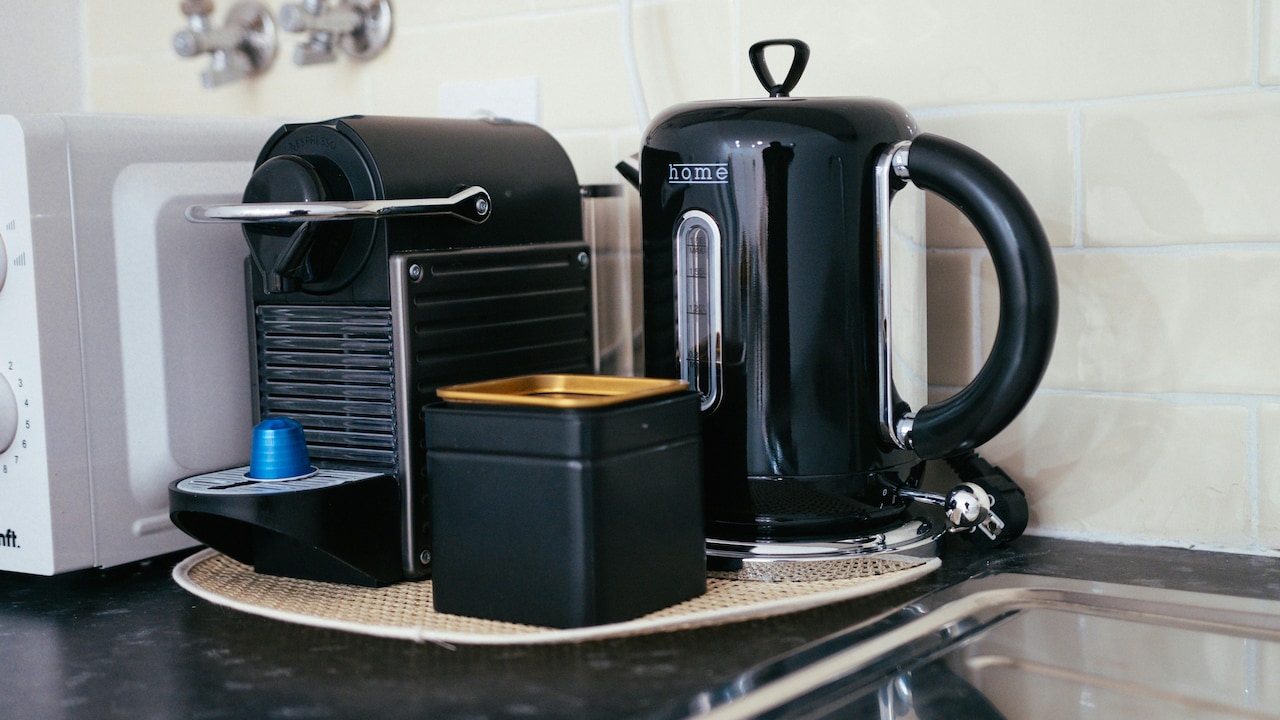
7 Cooking Habits That Are Killing Your Pots And Pans
Burnt bases, peeling coatings and warped pans are not bad luck. Everyday cooking habits silently ruin cookware faster than expected. Discover the common mistakes that shorten the life of your pots and pans, and how to stop them.
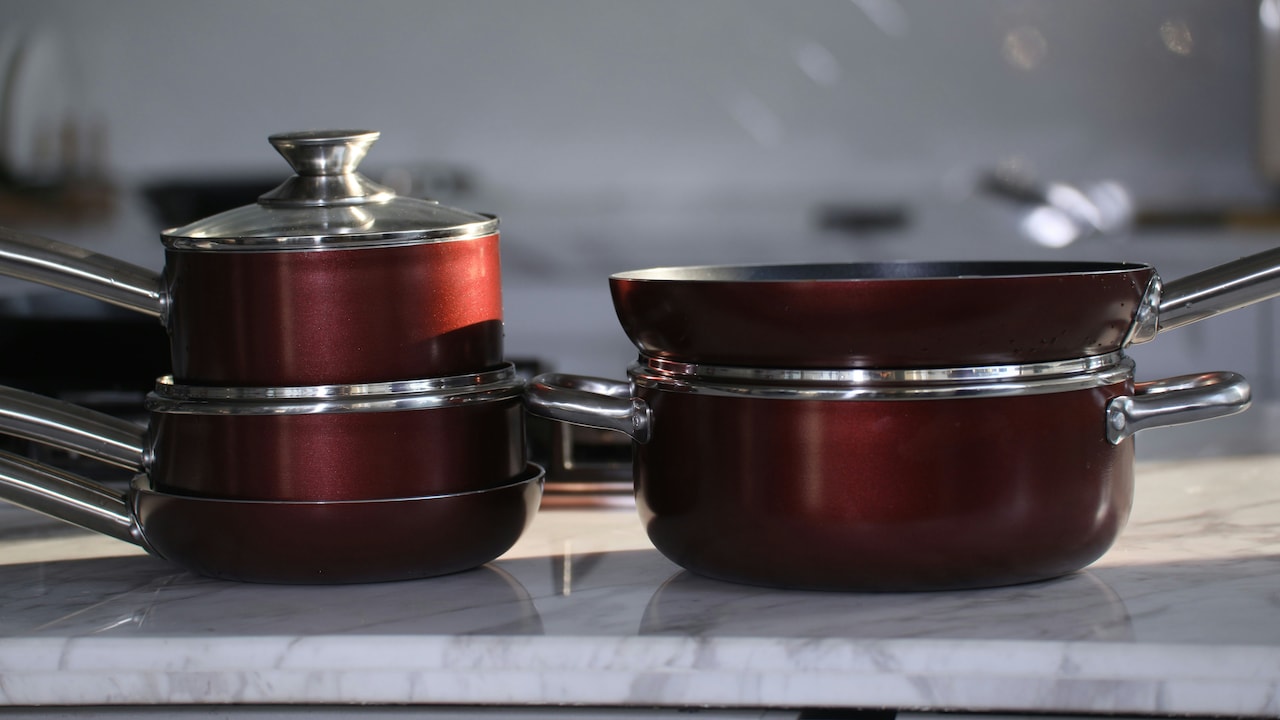
7 Cooking Habits That Are Ruining Your Pots And Pans Without Your Realising It.
Every kitchen has a favourite pot or pan. Maybe it's the kadai that makes perfect sabzi or the frying pan trusted for crisp dosas. These kitchen utensils become part of daily life, yet they often suffer more abuse than appreciation. Burn marks appear, coatings peel off and handles loosen. Many assume this damage comes with age, but in most cases, habits cause the harm.
Cooking feels routine, but small actions matter. The way a pan heats, cools, gets cleaned or stored decides how long it lasts. In homes where cookware costs anywhere from ₹1,200 to ₹6,000 per piece, careless habits quietly add up to wasted money.
This guide breaks down 10 common cooking habits that ruin pots and pans. Each one sounds harmless at first, yet together they shave years off cookware. The good news lies in how easy most of these habits are to fix. A little awareness can save time, effort and frequent trips to buy replacements.
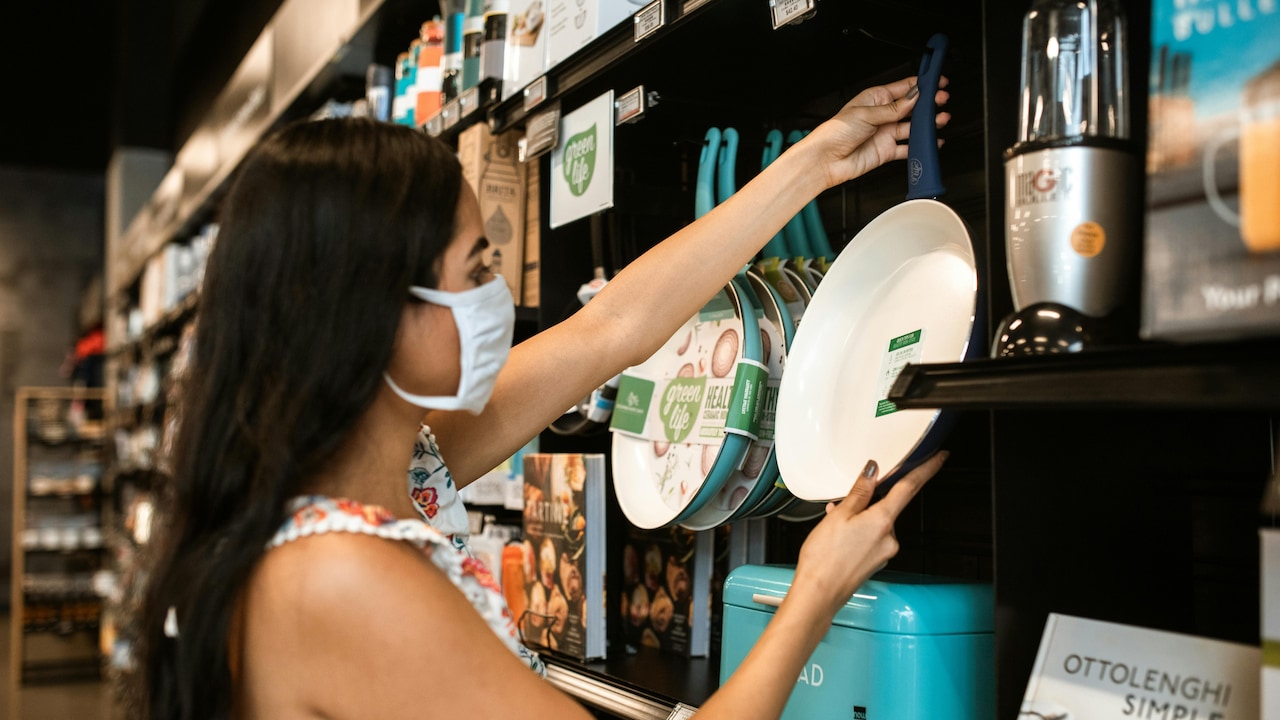
7 Cooking Habits That Are Killing Your Pots And Pans; Photo Credit: Pexels
Before You Blame the Brand, Check These Habits
1. Cranking Up the Flame Every Time
High heat feels tempting when hunger strikes or guests wait at the table. Many believe stronger flames mean faster cooking. In reality, constant high heat damages pots and pans faster than anything else.
Non-stick coatings break down under extreme heat. Stainless steel warps and loses its shine. Aluminium pans develop hotspots that scorch food. Even cast iron suffers when overheated repeatedly, leading to cracks and uneven seasoning.
Most everyday cooking needs medium heat. Vegetables soften gently, spices bloom without burning, and gravies thicken evenly. High heat suits only a few tasks, like boiling water or quick stir-fries. Leaving an empty pan on a strong flame proves especially harmful, as temperatures spike rapidly without food to absorb heat.
That familiar burnt ring at the bottom tells a story of excess heat. Turning the flame down slightly saves cookware and improves flavour. Food cooked patiently tastes better, and leaves pans healthier in the long run.
2. Using Metal Utensils on Delicate Surfaces
The scraping sound of a metal spoon against a non-stick pan signals trouble. Many kitchens still rely on steel ladles and spatulas out of habit. While sturdy, they act like sandpaper on coated surfaces.
Each scrape creates tiny scratches. Over time, these scratches grow, causing food to stick and coatings to peel. Once damaged, non-stick pans lose their purpose. Even ceramic coatings suffer from rough handling.
Wooden, silicone or nylon utensils protect surfaces while cooking gently. They also feel lighter in the hand and reduce noise during cooking. Switching utensils costs far less than replacing a pan every year.
Some argue that metal spoons feel easier for heavy stirring. In those cases, reserving metal utensils for stainless steel or cast iron pans helps. Matching the utensil to the pan keeps both working longer and cooking more smoothly.
Also Read: How to Choose The Right One-Pot Cookware Size for Singles, Couples And Families
3. Washing Hot Pans Straight After Cooking
The sizzle of water hitting a hot pan feels satisfying, but it shocks the metal badly. This sudden temperature change causes warping, especially in aluminium and stainless steel cookware.
A warped pan never sits flat again. Oil pools unevenly, food cooks inconsistently and frustration grows. Non-stick coatings also weaken due to thermal shock, leading to peeling and bubbling.
Letting pans cool naturally before washing makes a huge difference. Even five to ten minutes helps. Warm water cleans better than cold water on cooled pans, making cleaning easier too.
In busy kitchens, patience feels rare. Yet those few minutes of waiting save hours spent dealing with ruined cookware. Cooling first protects shape, surface and long-term performance.
4. Scrubbing Aggressively with Harsh Cleaners
Burnt food happens. Overboiled milk, sticky sugar syrup or forgotten tadka leaves leave marks behind. Many respond with steel wool, harsh powders or aggressive scrubbing.
These methods strip protective layers and scratch surfaces deeply. Non-stick pans suffer the most, but stainless steel loses polish and develops rough patches, too. Over time, food sticks more and cleaning becomes harder, creating a frustrating cycle.
Soaking pans in warm water with mild dish soap loosens residue gently. Baking soda works well for stubborn stains without scratching. Wooden or silicone scrubbers clean effectively while staying kind to surfaces.
Gentle cleaning preserves shine and smoothness. Pans stay easier to use and nicer to look at. Treating cookware kindly during cleaning extends its life more than any expensive brand promise.
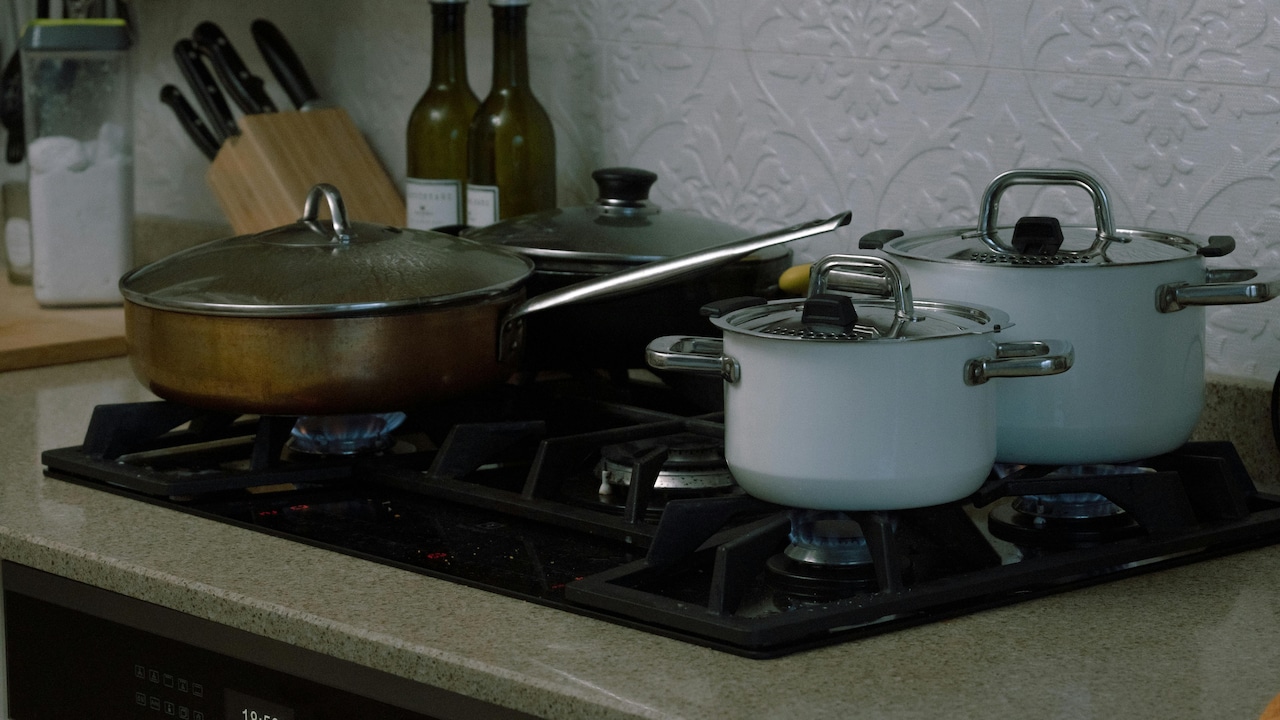
7 Cooking Habits That Are Killing Your Pots And Pans; Photo Credit: Pexels
5. Stacking Pans Without Protection
Cupboard space often runs short, leading to stacked pans placed directly on top of each other. This habit causes hidden damage over time.
Non-stick surfaces scratch under weight and movement. Stainless steel gets scuffed. Lids clatter and chip edges. Each movement inside the cupboard adds another mark.
Using simple pan protectors, cloths or even old cotton dupattas between pans prevents damage. Hanging pans works well where space allows. Keeping lids stored separately reduces impact on rims and coatings.
These small storage changes protect investment quietly. Opening a cupboard to find clean, scratch-free cookware feels satisfying. Care during storage matters just as much as care during cooking.
6. Cooking the Wrong Food in the Wrong Pan
Every pan has a purpose. Using them interchangeably causes wear and disappointment. Cooking acidic foods like tomato gravies in aluminium pans reacts with the metal, affecting taste and damaging the surface.
Non-stick pans struggle with dry roasting spices. High heat required for tadka damages the coating. Cast iron handles frying beautifully but reacts poorly to long acidic cooking unless seasoned well.
Matching food to pan improves results and protects cookware. Stainless steel suits acidic dishes and boiling tasks. Cast iron shines with frying and roasting. Non-stick pans handle eggs, pancakes and light sautéing best.
Understanding these differences transforms cooking experiences. Food tastes better, pans last longer and frustration reduces. Knowledge proves cheaper than replacement.
7. Skipping Seasoning and Maintenance
Cast iron and carbon steel pans demand care. Many buy them with excitement, only to neglect seasoning and maintenance later.
Without seasoning, food sticks and rust appear. Scrubbing aggressively removes protective layers, undoing progress. Leaving these pans wet invites corrosion.
Seasoning creates a natural non-stick surface that improves with use. Applying a thin layer of oil after cleaning and drying keeps rust away. Over time, these pans develop character and better performance.
Maintenance feels tedious at first, but it soon becomes a habit. Well-kept cast iron lasts decades, often passed down through generations. Ignoring maintenance shortens its life drastically.
7 Cooking Habits That Are Killing Your Pots And Pans; Photo Credit: Pexels
8. Using Too Much Oil to Compensate for Damage
When pans lose their non-stick ability, extra oil seems like the solution. Unfortunately, this habit hides the real problem while causing others.
Excess oil burns and forms sticky residue on pan surfaces. This residue traps heat and leads to uneven cooking. Cleaning becomes harder, encouraging more aggressive scrubbing and further damage.
Healthy cooking also suffers. Extra oil increases calorie intake without improving taste. A well-maintained pan needs less oil, not more.
Addressing the root cause works better. Re-seasoning, gentle cleaning or replacing a severely damaged pan restores balance. Cooking feels lighter, healthier and cleaner with the right surface condition.
9. Ignoring Loose Handles and Small Repairs
A slightly loose handle often gets ignored. Over time, it worsens, causing accidents or breakage. Heat transfers unevenly when handles loosen, affecting cooking control.
Tightening screws or replacing handles early prevents bigger damage. Many cookware brands offer spare parts or simple fixes. A quick repair saves the pan from becoming unusable.
Loose handles also pose safety risks. Hot pans tipping cause spills and burns. Regular checks keep kitchens safer and cookware functional.
Maintenance extends beyond surfaces. Paying attention to small details preserves overall performance and comfort during cooking.
10. Treating Cookware as Disposable
Perhaps the most damaging habit lies in the mindset. Treating pots and pans as disposable items leads to careless use. Throwing them around, neglecting care and replacing them frequently wastes money and resources.
Quality cookware rewards care with better cooking results. Developing respect for utensils changes habits naturally. Turning flames down, cleaning gently and storing thoughtfully become second nature.
Cooking feels more enjoyable when tools work well. Familiar pans perform predictably, enhancing confidence in the kitchen. Longevity saves money and reduces clutter.
Viewing cookware as long-term companions rather than temporary tools shifts behaviour positively. That shift alone protects pots and pans more than any instruction manual.
Products Related To This Article
1. Bergner BE Essentials TriPro Tri-Ply 7 Pcs Cookware Set of Rice Handi 24cm
2. ATTIL - Aluminium - Non Stick 9 Pcs Cookware Set
3. Amazon Basics Granite Finish Non Stick 5 Pcs Induction Base Cookware Set
4. AGARO Imperial Granite Non Stick Cookware Set
5. Expresso Steel Handi Set Copper Bottom Handi Set with Lid
6. Ember Cookware Arcilla Ceramic Non Stick Cookware Set of 2
7. Cello Induction Base Aluminium Non Stick Sauce
Pots and pans rarely fail on their own. Everyday habits quietly wear them down until damage becomes impossible to ignore. High heat, rough utensils, rushed cleaning and careless storage all play their part.
The encouraging truth lies in how easy these habits are to change. Small adjustments in heat control, cleaning methods and storage habits extend cookware life dramatically. Better care also improves food quality and cooking enjoyment.
In kitchens where meals bring families together daily, cookware deserves respect. A little attention keeps favourite pans reliable, attractive and efficient for years. Treat them well, and they return the favour with every perfectly cooked meal.
(Disclaimer: This article may include references to or features of products and services made available through affiliate marketing campaigns. NDTV Convergence Limited (“NDTV”) strives to maintain editorial independence while participating in such campaigns. NDTV does not assume responsibility for the performance or claims of any featured products or services.)