8 Hairstyling Mistakes To Avoid: Stop Unnecessary Hair Fall And Breakage
Everyday hairstyling habits can quietly cause hair fall and breakage. This article highlights eight common styling mistakes and simple changes that help protect hair strength, reduce damage, and support healthier growth.
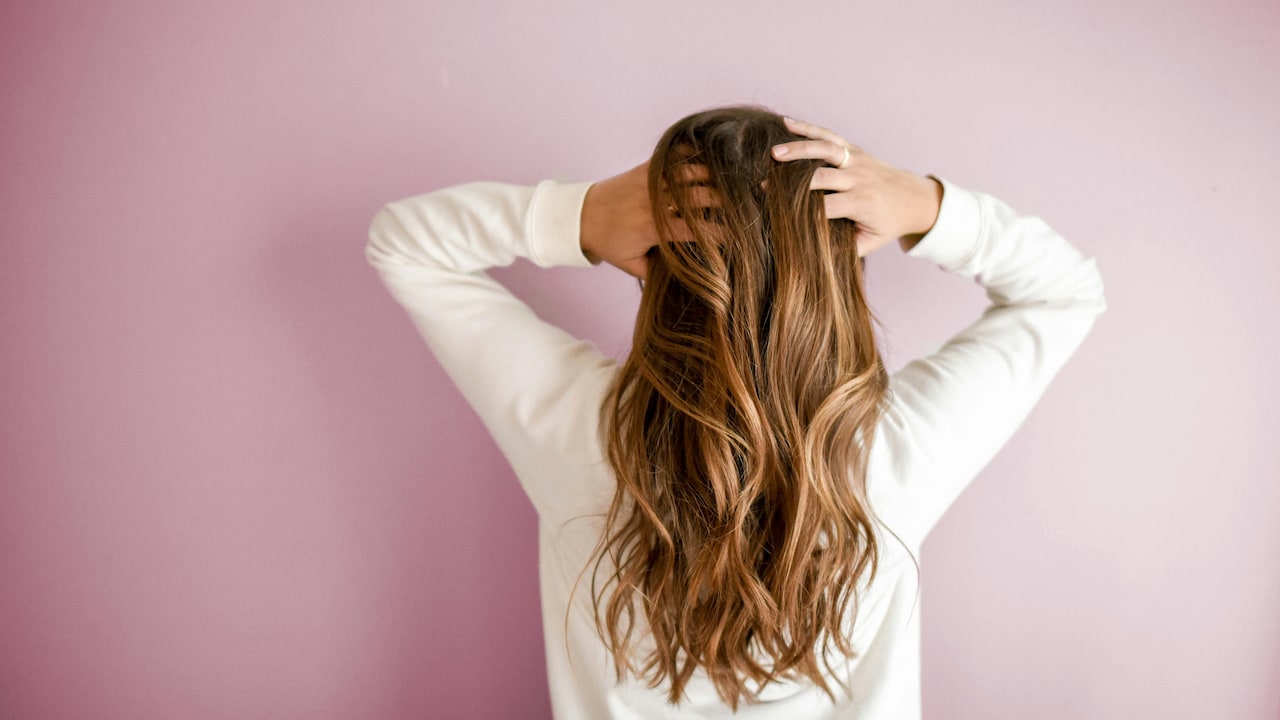
Hair Fall And Breakage: Here Are The Top 8 Common Hairstyling Mistakes You Should Stop Making.
Hair holds emotional value. A good hair day lifts confidence, while hair fall can ruin an otherwise perfect morning. From rushed school mornings to wedding-season styling sprees, hair goes through a lot. Heat tools, tight hairstyles, wrong products, and even impatience all leave their mark. Most damage does not happen overnight. It builds slowly, strand by strand, until hair feels thinner, drier, and lifeless.
The good news lies in awareness. Hair responds quickly to better care. Avoiding a few everyday mistakes can reduce breakage, control hair fall, and restore strength. Below are 8 hairstyling mistakes that deserve a second look. Each one might feel harmless, yet together they explain why hair struggles to stay strong.
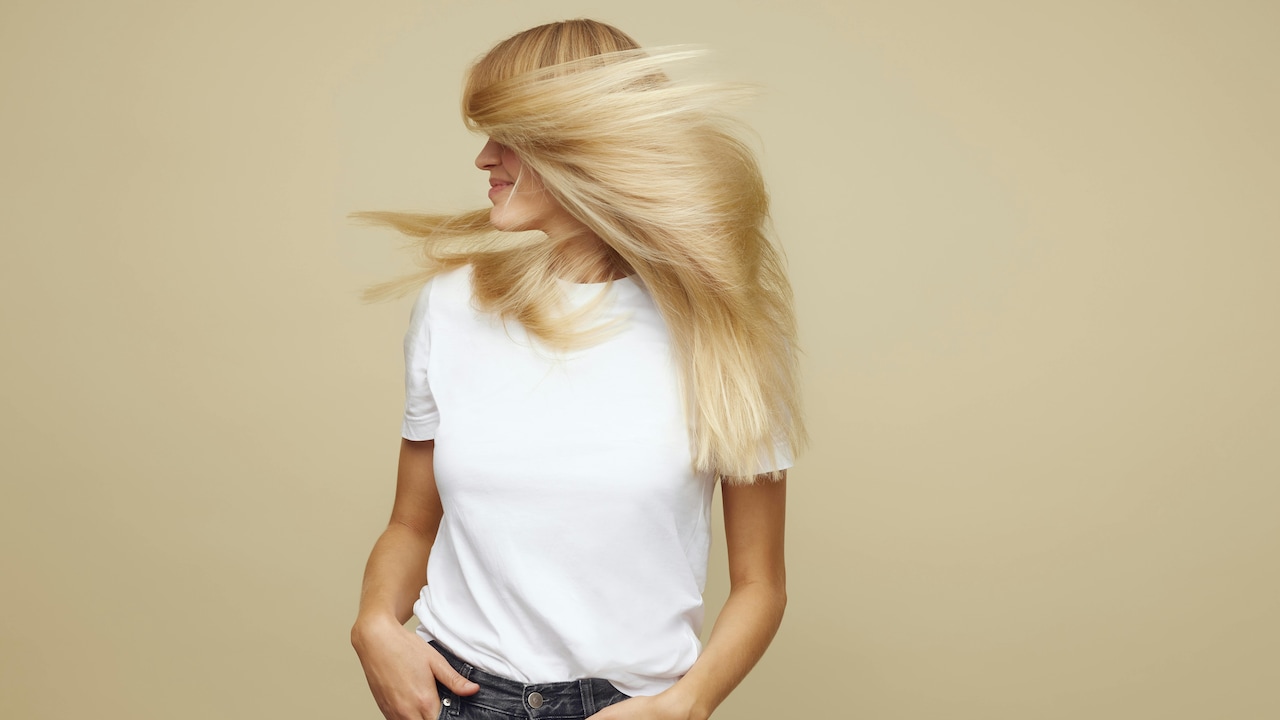
8 Hairstyling Mistakes To Avoid: Stop Unnecessary Hair Fall And Breakage
Photo Credit: Pexels
Common Hairstyling Errors That Lead To Hair Fall and Breakage
1. Styling Wet Hair Without Care
Wet hair feels soft and flexible, but it sits in its weakest state. Hair shafts swell when wet, which makes them prone to snapping with the slightest pull. Brushing or styling hair straight out of the shower often leads to silent breakage that shows up days later.
Many rush through mornings, tugging at knots with a regular brush or tying wet hair into a tight bun. This habit stretches the strands beyond their limit. Over time, hair loses elasticity and starts breaking mid-length, creating frizz and uneven growth.
Letting hair air-dry partially before styling helps. A wide-tooth comb works better than a brush when hair stays damp. Starting from the ends and moving upwards reduces stress on the roots. A soft microfibre towel or an old cotton T-shirt absorbs water without rough friction. Hair rewards patience. Those extra ten minutes can save months of damage and prevent unnecessary hair fall.
2. Overusing Heat Styling Tools
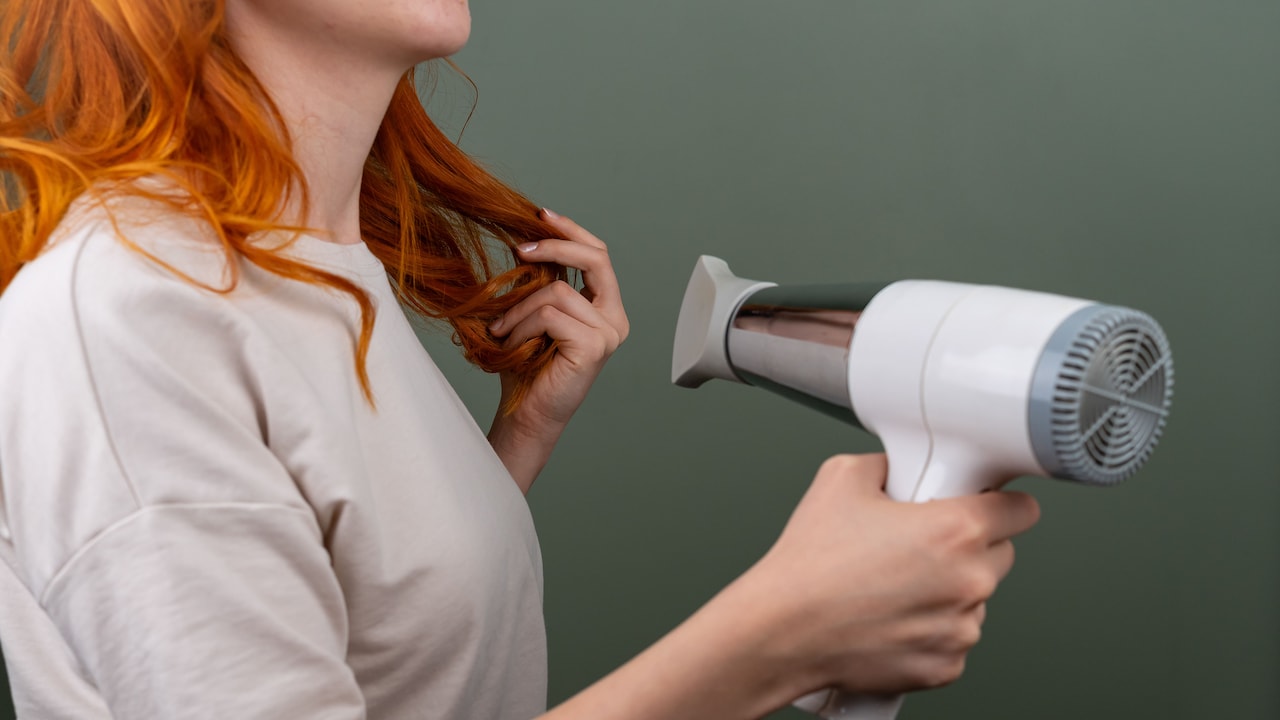
Straighteners, curlers, and blow dryers promise instant polish. Used daily, they also steal moisture and weaken hair protein. High heat alters the hair structure, leaving strands dry, brittle, and more likely to snap during simple actions like tying or washing.
Many believe that expensive tools prevent damage. Even the best tool causes harm when used often or at maximum temperature. Heat damage does not always show immediately. Hair may look fine for weeks, then suddenly start shedding and breaking.
Reducing heat frequency makes a visible difference. Heat-free styles, braids, or natural textures give hair a chance to recover. When heat becomes necessary, a heat protectant acts as a shield, not a cure-all. Lower temperatures work better than repeated high-heat passes. Hair does not need to be pin-straight every day. Sometimes, slightly imperfect waves save more hair than flawless styles.
3. Tight Hairstyles That Pull From the Roots
Sleek ponytails, tight buns, and neatly braided styles look sharp, especially in humid weather. However, constant tension pulls at the roots and weakens follicles. This strain leads to traction-related hair fall, especially along the hairline and temples.
Hair tied too tightly for long hours struggles to relax. The scalp feels sore, yet many ignore the discomfort for the sake of neatness. Over time, hair becomes sparse in areas under constant stress, and regrowth slows down.
Switching to looser styles reduces damage without sacrificing appearance. Soft scrunchies work better than thin elastic bands. Changing partings and alternating hairstyles give the scalp breathing space. Hair should feel secure, not stretched. Comfort often signals healthier styling choices, while pain serves as a warning sign worth listening to.
4. Using the Wrong Hair Accessories
Accessories complete a hairstyle, but the wrong ones quietly sabotage hair health. Thin rubber bands, metal clips with sharp edges, and rough hairpins snag strands and cause breakage. Each removal takes a few hairs along with it.
Many keep old, stretched-out elastics or broken clips out of habit. These accessories pull unevenly and create friction. Decorative pins often look harmless but trap hair in awkward angles that weaken the shaft.
Choosing smooth, snag-free accessories protects hair during everyday styling. Fabric-covered bands, wooden combs, and rounded clips reduce friction. Accessories should glide out easily without resistance. If removal requires force, the accessory likely causes damage. Hair stays on the head when tools respect its structure.
Also Read: How To Maintain Hair Wigs: 5 Simple Habits for Long-Lasting Results
5. Brushing Too Aggressively or Too Often
Brushing spreads natural oils and keeps hair neat. Overdoing it, however, causes breakage and scalp irritation. Aggressive brushing pulls hair from the roots and damages the cuticle, especially when hair feels dry or tangled.
Some believe brushing one hundred strokes daily improves shine. In reality, excessive brushing leads to frizz, split ends, and weakened strands. Hair does not need constant manipulation to stay healthy.
Gentle brushing once or twice a day works best. Detangling should start at the ends, not the scalp. A brush with flexible bristles adapts better to knots. Hair deserves the same kindness given to delicate fabric. Rough handling never improves quality, whether with silk or strands.
6. Ignoring Scalp Health While Styling
Healthy hair starts at the scalp, yet styling routines often skip this crucial area. Product build-up, sweat, and pollution clog follicles and weaken hair growth. Heavy gels, sprays, and dry shampoos create residue that suffocates the scalp when left uncleaned.
Styling on an unclean scalp reduces circulation and invites irritation. Itching and flakes follow, leading to more hair fall during washing and brushing. Hair may look styled, but it grows weaker underneath.
Regular scalp cleansing restores balance. Massaging the scalp during washing improves blood flow and strengthens roots. Lightweight styling products suit daily use better than heavy formulas. Clean roots support stronger strands, while a neglected scalp slowly undermines even the best hairstyles.
7. Constantly Changing Hairstyles Without Breaks
Experimenting with hairstyles brings joy and creativity. Frequent changes without recovery time stress hair fibres. One week of tight curls followed by straightening, then colouring, pushes hair beyond its tolerance.
Hair needs stability to remain strong. Constant manipulation disrupts the natural cuticle alignment, leading to dryness and breakage. Trend-driven styling often prioritises looks over longevity.
Building rest days into hair routines makes a difference. Simple, low-manipulation styles allow hair to recover. Protective styles during travel or busy weeks reduce daily stress. Hair flourishes when creativity balances with care. Style should enhance confidence, not compromise hair health.
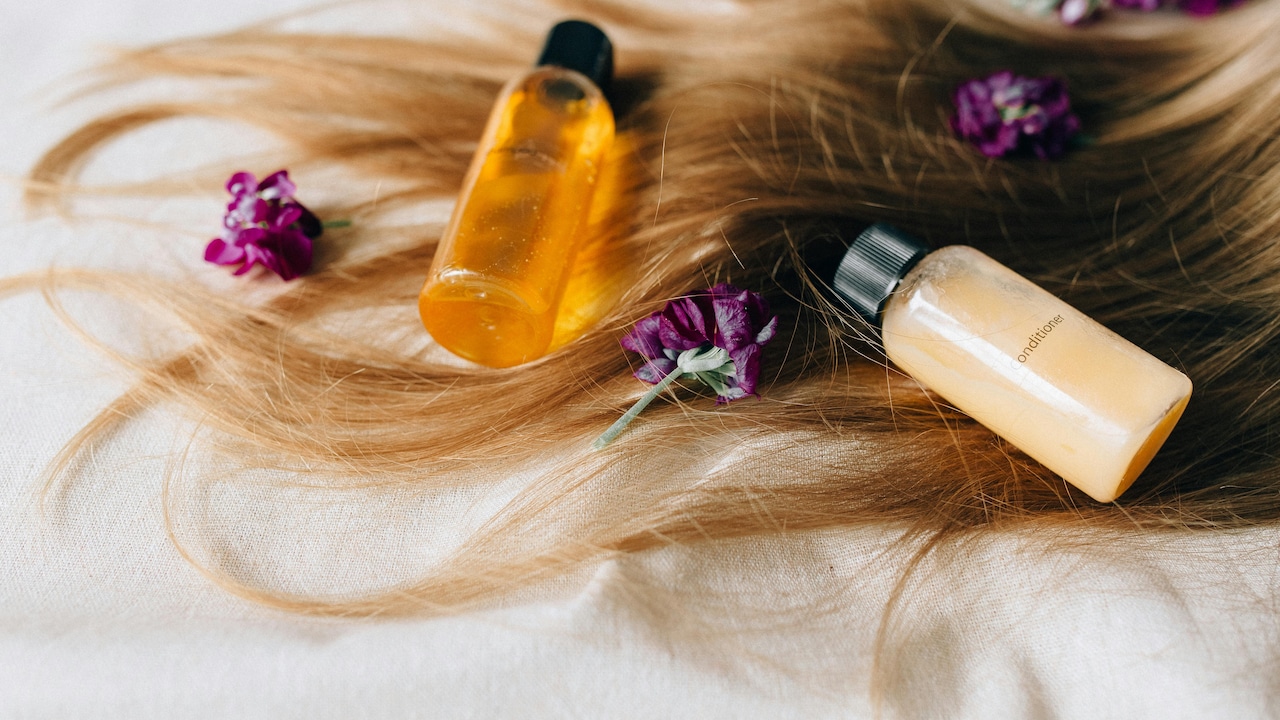
8 Hairstyling Mistakes To Avoid: Stop Unnecessary Hair Fall And Breakage
Photo Credit: Pexels
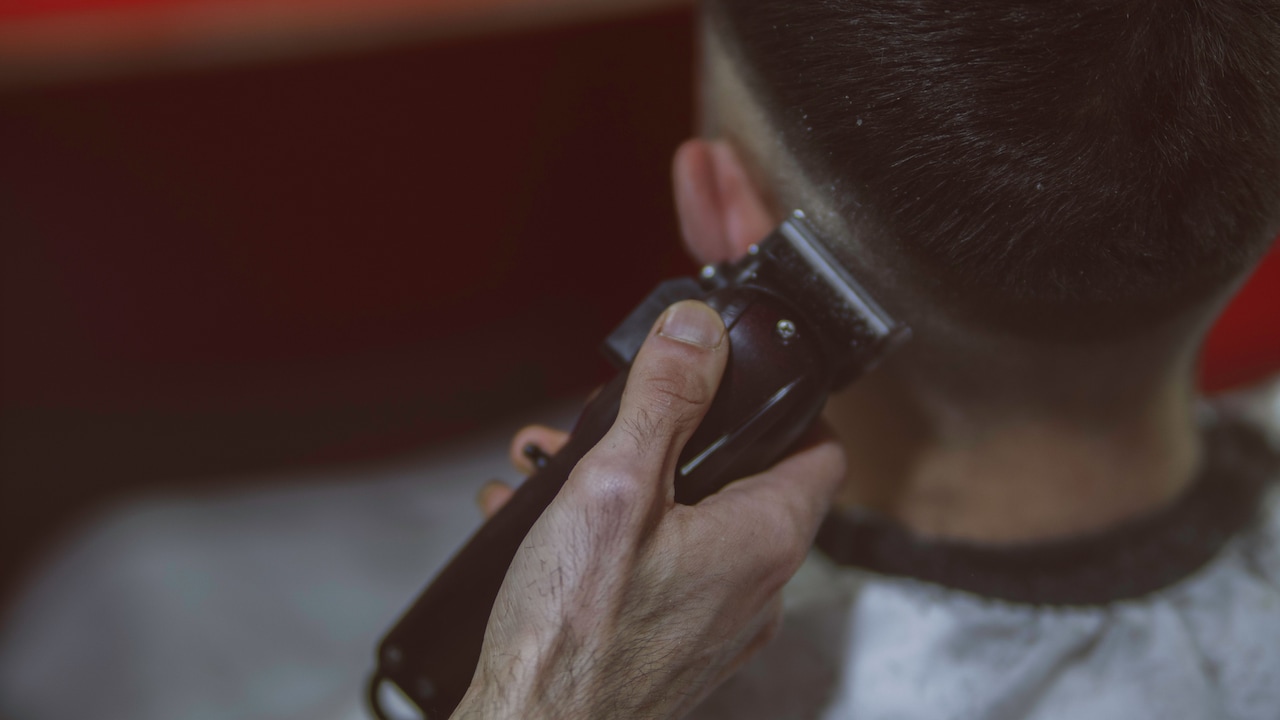
8. Skipping Regular Trims
Many avoid trims to grow hair longer. Skipping trims often does the opposite. Split ends travel up the hair shaft, causing more breakage and uneven growth. Hair may look long, yet feel thin and lifeless at the ends.
Regular trims remove damaged portions before they spread. Trimming does not reduce length dramatically when done every few months. Instead, it preserves thickness and improves overall appearance.
Healthy ends make styling easier. Hair holds styles better without fraying tips. Growth feels faster when breakage reduces. Trims act like maintenance checks, preventing small issues from turning into major setbacks.
Products Related To This Article
1. VEGA VHSB-07 LitStyle L2 Hair Straightener Brush-Keratin Argan Oil Ceramic Coated Bristles
2. Philips BHS264/00 SilkProtect On The Go Hair Straightener with KeraShine
3. WINSTON Ionic 1200W Foldable Hair Dryer
4. Agaro HD-1214 Hair Dryer
5. NOVA Nova Temperature Control Professional NHS 860 Hair Straightener
Hair fall and breakage rarely stem from one dramatic mistake. They grow from small habits repeated daily. Tight ponytails, rushed brushing, excessive heat, and neglecting scalp health slowly weaken strands. Fixing these mistakes does not require giving up on style or spending money on treatments. Hair responds well to respect. A little patience, a softer touch, and mindful styling protect hair better than any miracle product. Strong, healthy hair grows when daily habits support it. Style should celebrate hair, not strain it. Avoid these common mistakes, and your hair will thank you.
(Disclaimer: This article may include references to or features of products and services made available through affiliate marketing campaigns. NDTV Convergence Limited (“NDTV”) strives to maintain editorial independence while participating in such campaigns. NDTV does not assume responsibility for the performance or claims of any featured products or services.)