Appliance Wattage Explained: Whats Safe For Home Sockets
Appliance wattage decides what your home sockets can safely handle. From chargers to heaters, knowing power limits helps prevent overloads, tripped circuits, and fire risks, making everyday electricity use safer and smarter.
Appliance Wattage Explained: How Much Power Home Sockets Can Safely Handle.
Every home runs on an invisible rhythm of electricity. From the early-morning kettle to the late-night phone charger, sockets work overtime without complaint. Trouble starts when too much power flows through a plug that was never meant to handle it. That is where wattage steps in.
Wattage measures how much power an appliance uses. Think of it as how loudly an appliance “speaks” to the socket. Some whisper, others shout. Knowing the difference keeps homes safe, appliances healthy, and electricity bills sensible.
Many households still rely on wiring installed years ago. Back then, fans and radios ruled. Today, air fryers, geysers, and washing machines demand far more. This gap between old wiring and modern usage causes most socket mishaps.
This article explains appliance wattage in plain language. It shows what works safely with home sockets and what needs extra care. Expect practical advice, relatable examples, and a clear path to safer everyday use.
Appliance Wattage Explained: Whats Safe For Home Sockets
Photo Credit: Pexels
How Much Power Your Home Sockets Can Really Handle
1. What Does Wattage Actually Mean at Home?
Wattage sounds technical, yet it stays simple at heart. It tells how much electricity an appliance consumes while running. A 10-watt LED bulb sips power gently. A 2000-watt room heater gulps it down.
Every socket supports only a certain load. Most standard wall sockets manage around 6 amps, which equals roughly 1380 watts at 230 volts. Exceeding this limit stresses the wiring and heats up the socket.
A familiar scene plays out during winter. A heater plugs into a regular socket already powering a television. Suddenly, the plug feels warm. That warmth signals danger, not comfort.
Checking appliance labels helps. Wattage usually sits printed near the plug or behind the appliance. Understanding this number builds confidence. It allows smarter decisions about where and when to plug in devices.
Wattage knowledge turns guesswork into certainty. It protects homes from overload and gives peace of mind during everyday use.
2. Why Home Sockets Have Limits
Home sockets resemble buckets. Fill them beyond capacity, and spillage follows. Electrical overload behaves the same way. Excess wattage causes heat buildup, loose connections, and eventual failure.
Standard sockets serve daily essentials like fans, televisions, and chargers. Heavy-duty appliances demand more than these sockets can safely supply. Geysers, ovens, and air conditioners fall into this category.
Many older homes still use wiring designed decades ago. Back then, electricity needs stayed modest. Today's kitchens alone host mixers, microwaves, and induction cooktops. Each adds pressure to the system.
When sockets overload, circuit breakers trip. This safety feature prevents fires. Frequent tripping signals a deeper issue that needs attention.
Respecting socket limits saves money and lives. It avoids damaged appliances and costly rewiring later. A little caution today keeps the lights glowing tomorrow.
3. Low-Wattage Appliances: The Safe Everyday Companions
Low-wattage appliances form the backbone of daily comfort. Items under 500 watts usually pose minimal risk when used correctly. Think LED bulbs, ceiling fans, routers, and phone chargers.
These devices suit regular wall sockets without fuss. Even running several together rarely causes trouble. A study lamp glowing beside a laptop charger stays well within safe limits.
Fans deserve special mention. A modern ceiling fan consumes around 70 watts. That efficiency allows long hours of use without worry, even during summer heat.
Small electronics keep power consumption predictable. They rarely surprise with sudden spikes. This reliability makes them ideal for extension boards, too.
Understanding low-wattage safety builds trust in everyday setups. It allows households to focus concern where it matters most, rather than fearing every plug.
4. Medium-Wattage Appliances: Handle With Awareness
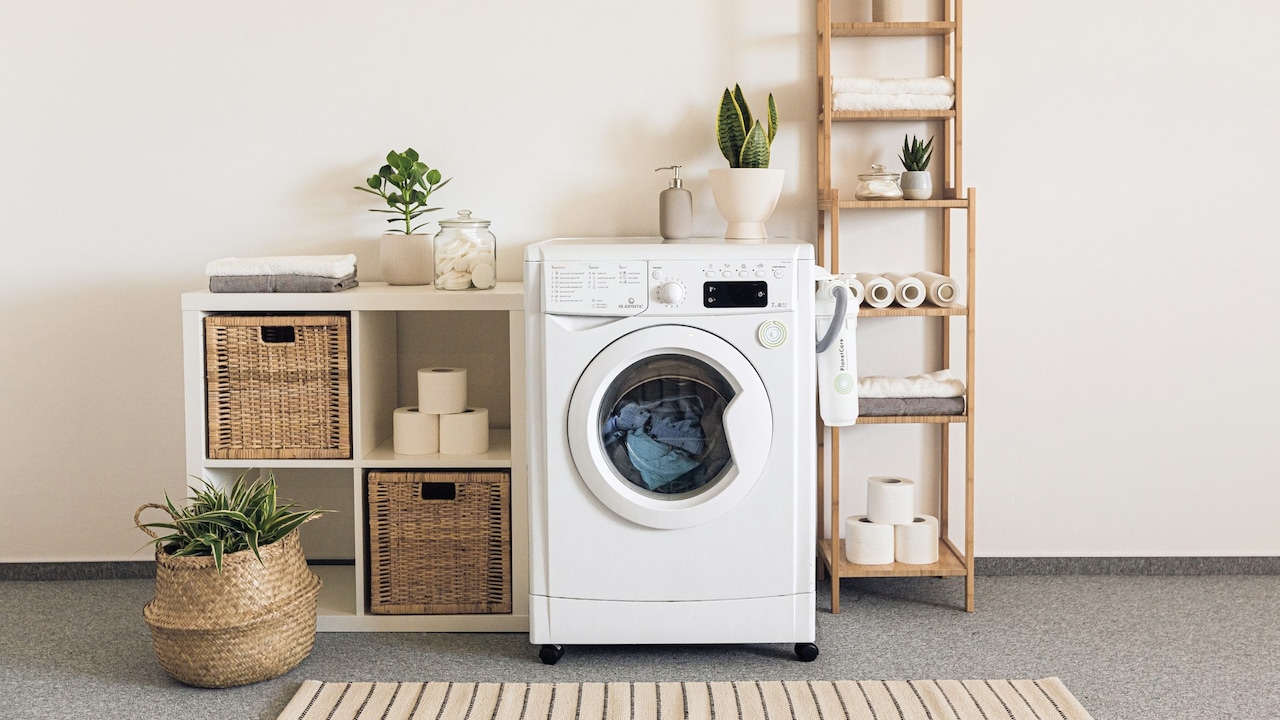
Medium-wattage appliances sit between comfort and caution. These devices usually range from 500 to 1500 watts. Examples include refrigerators, washing machines, mixers, and televisions.
A refrigerator cycles power rather than drawing it constantly. That behaviour keeps average consumption manageable. Washing machines, however, spike during heating cycles.
Plugging multiple medium-wattage devices into one socket increases risk. A mixer and microwave sharing a point often push limits together.
Using dedicated sockets for such appliances works best. Kitchen layouts often include higher-rated points for this reason.
Awareness makes the difference here. Medium-wattage appliances remain safe when used thoughtfully. Ignoring their combined load invites unnecessary trouble.
5. High-Wattage Appliances: The Power-Hungry Giants
High-wattage appliances command respect. These devices consume over 1500 watts and demand dedicated wiring. Room heaters, geysers, ovens, and induction cooktops top this list.
Plugging a heater into a standard socket invites danger. The socket overheats, insulation weakens, and sparks may follow. Many winter fire incidents trace back to this mistake.
Dedicated 16-amp sockets handle such loads safely. They feature thicker wiring and sturdier plugs. Most modern homes include these points in kitchens and bathrooms.
Using extension cords with high-wattage appliances spells disaster. These cords rarely handle the heat generated.
Treat power-hungry appliances with care. Proper sockets ensure warmth and convenience without turning comfort into risk.
6. Extension Boards and Power Strips: Hidden Risks
Extension boards promise convenience. They allow multiple devices from one socket. Trouble starts when wattage adds up unnoticed.
Charging phones, running a laptop, and powering a lamp usually stay safe. Add an iron or a kettle, and danger looms.
Most extension boards lack heavy-duty wiring. Their thin cables heat quickly under load. Many accidents occur when boards hide under carpets or beds, trapping heat.
Choosing boards with surge protection helps, yet wattage limits still apply. Reading the board's rating prevents overload.
Using extension boards wisely keeps homes safe. They serve as helpers, not substitutes for proper sockets.
7. Kitchen Appliances: A Wattage Hotspot
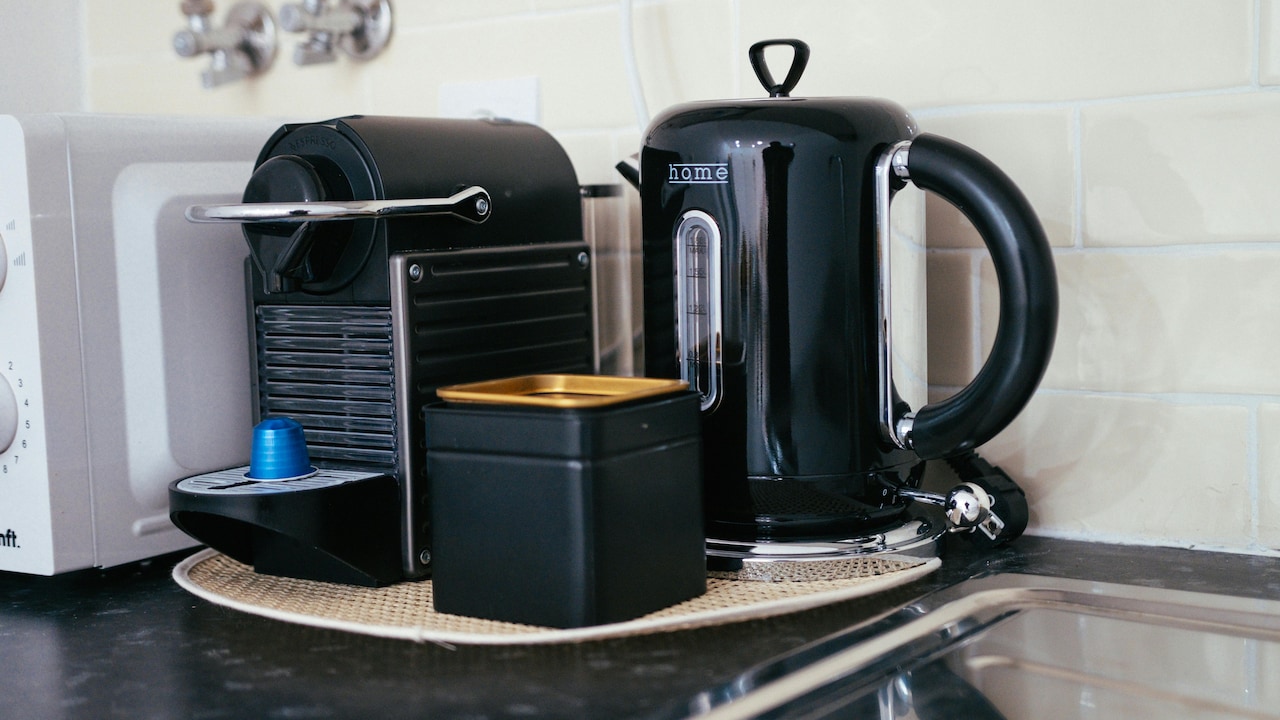
The kitchen hums with electricity. Microwaves, mixers, toasters, and cooktops often run together. Each appliance draws significant power.
An induction cooktop alone may consume 1800 watts. Add a microwave and the load doubles. Standard sockets struggle under such demand.
Modern kitchens include dedicated points for heavy appliances. Using them correctly prevents tripping and overheating.
Cooking during festivals often means running several devices at once. Planning appliance use avoids sudden blackouts mid-recipe.
Understanding kitchen wattage keeps meals smooth and stress-free. It ensures celebrations stay joyful rather than interrupted by flickering lights.
8. Old Wiring vs Modern Appliances
Many homes still rely on ageing wiring hidden behind walls. Time weakens insulation and connections. Modern appliances test these limits daily.
Frequent tripping, buzzing sounds, or warm sockets hint at trouble. Ignoring these signs risks serious damage.
Upgrading wiring may seem costly, yet it saves money long-term. Appliance repairs and replacements cost far more.
Electricians often recommend rewiring during renovations. This step prepares homes for future appliances, too.
Matching wiring capacity with modern needs ensures safety. It brings peace of mind and supports evolving lifestyles.
9. Reading Appliance Labels Like a Pro
Appliance labels hold valuable clues. Wattage, voltage, and current ratings appear in small print. Learning to read them empowers smarter choices.
A label showing 2000 watts signals the need for a heavy-duty socket. One showing 150 watts fits almost anywhere.
Energy ratings also appear. Higher star ratings indicate efficiency, which reduces power consumption over time.
Checking labels before purchase avoids regret later. It ensures compatibility with existing sockets.
This small habit builds confidence. It turns shopping into a safer, more informed experience.
10. Smart Habits for Everyday Electrical Safety
Safe electricity use thrives on habits. Switching off unused appliances reduces load and saves money. Unplugging chargers prevents unnecessary draw.
Spacing out high-wattage appliance use avoids overload. Running the washing machine after cooking works better than doing it together.
Regular socket checks help too. Loose plugs and scorch marks need attention.
Teaching children basic safety builds awareness early. Simple rules create lifelong habits.
Smart use keeps electricity a trusted ally. It powers homes quietly, reliably, and safely.
Appliance Wattage Explained: Whats Safe For Home Sockets
Photo Credit: Pexels
Products Related To This Article
1. Wonderchef Chef Magic Kitchen Robot
2. INALSA food processor for kitchen with Mixer Grinder Juicer
3. Pigeon Kessel Multipurpose Kettle
4. NutriPro Juicer Mixer Grinder - Smoothie Maker
5. Pigeon by Stovekraft Cruise 1800 watt Induction Cooktop With Crystal Glass
6. PHILIPS Digital Air Fryer HD9252/90 with Touch Panel
7. Milton Royal Express 800W Griller Sandwich Maker & Toaster
Electricity supports modern living, yet it demands respect. Appliance wattage forms the bridge between comfort and caution. Understanding what each device needs prevents overload and protects homes.
Small changes make a big difference. Reading labels, using proper sockets, and avoiding shortcuts keep systems healthy. These habits reduce risks and extend appliance life.
Homes thrive when power flows smoothly. With the right knowledge, sockets stay cool, lights shine steady, and everyday life continues without interruption.
(Disclaimer: This article may include references to or features of products and services made available through affiliate marketing campaigns. NDTV Convergence Limited (“NDTV”) strives to maintain editorial independence while participating in such campaigns. NDTV does not assume responsibility for the performance or claims of any featured products or services.)