How To Choose the Right Wireless Charger For Work And Bedside
Wireless chargers can simplify both workdays and bedtime routines. This guide explains how to choose the right one based on speed, safety, design, and daily habits, without wasting money or desk space. Use these easy tips to get the best wireless charger for your device. Also, have a look at the top picks from Eller, Ambrane to Anker.
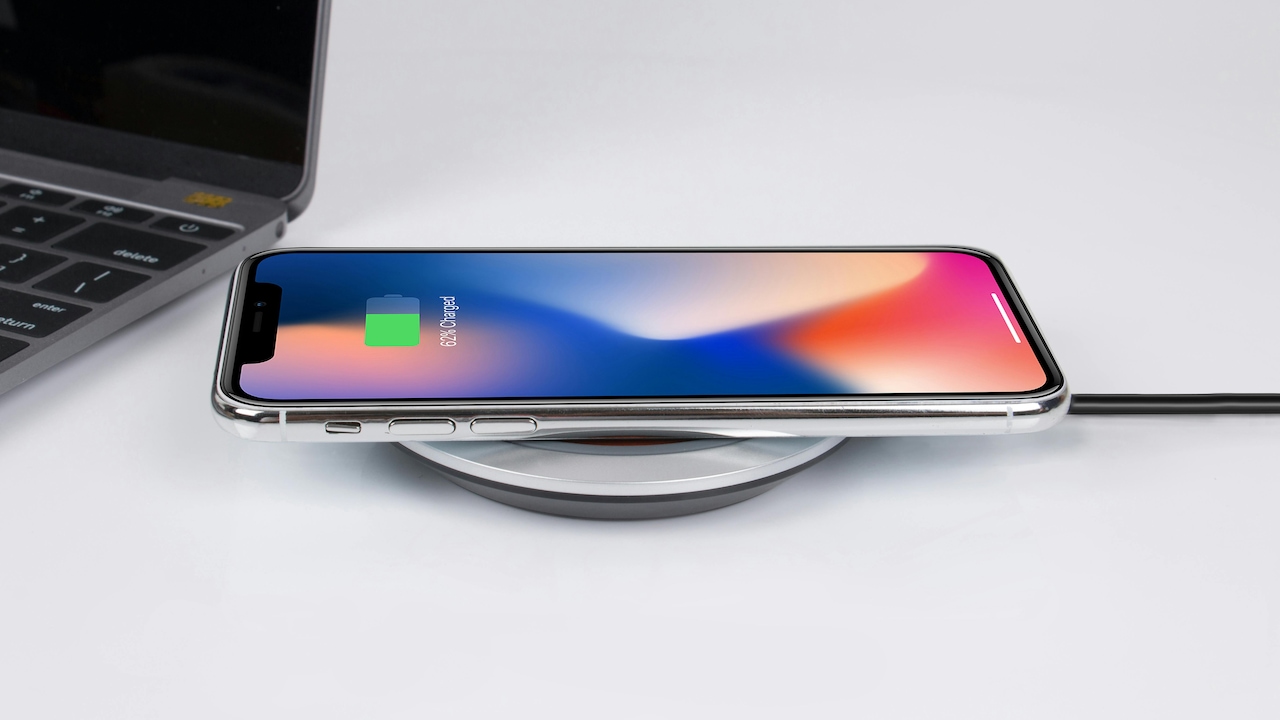
Choosing the Best Wireless Charger for Your Desk and Bedside Table.
A smartphone rarely leaves the hand these days. It wakes people up, guides them through traffic, pays for groceries, and winds down the evening with a favourite show. With that much dependence, charging becomes more than a routine. It becomes a daily ritual. Wireless charging has quietly stepped in to make that ritual smoother. No cables to twist. No ports to damage. Just place the phone down and let it power up. Still, not every wireless charger fits every lifestyle. A charger that works brilliantly on an office desk may feel awkward next to a bed. Some charge fast but heat up. Others look stylish but struggle with phone cases. Choosing wisely saves money, time, and a fair bit of irritation.
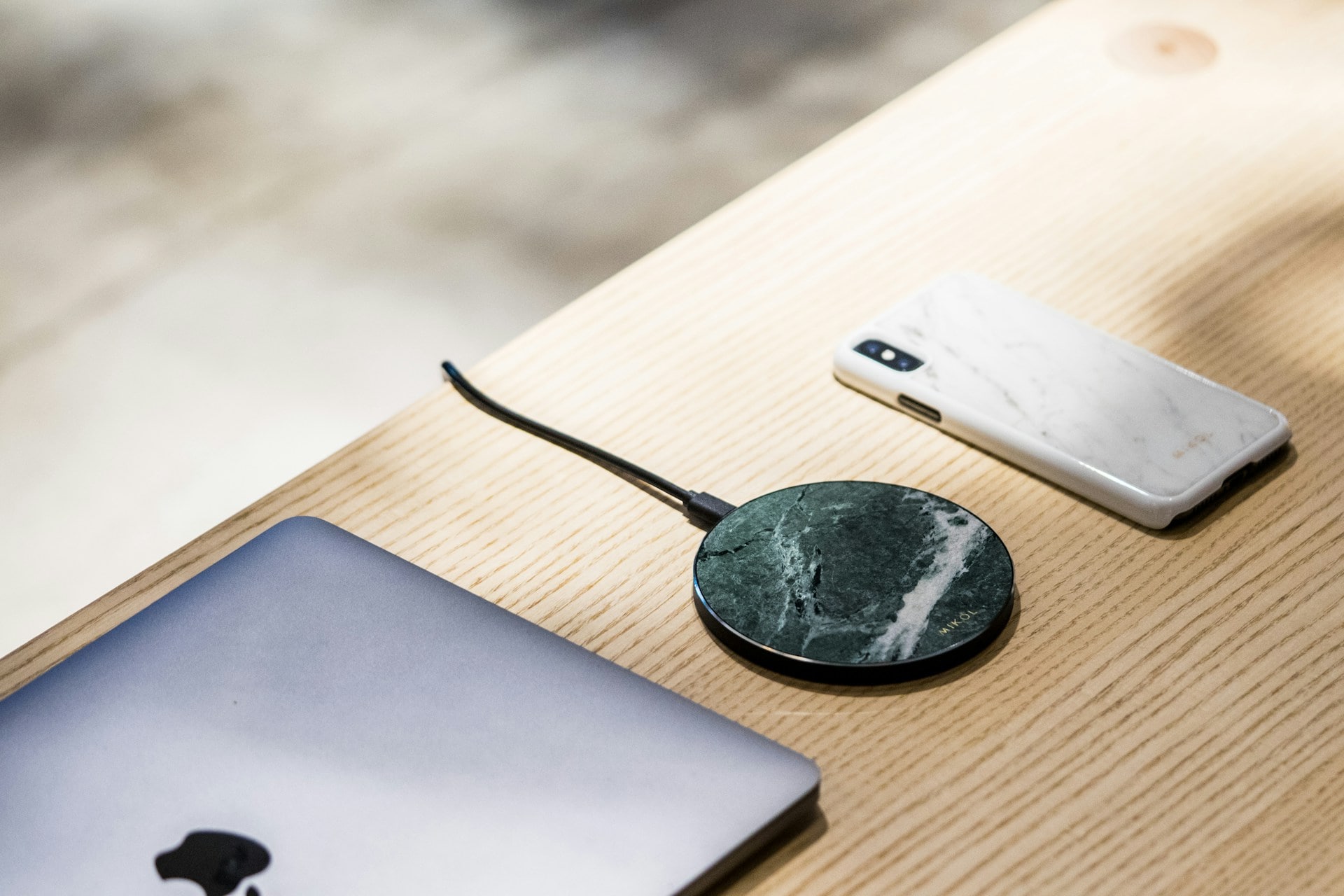
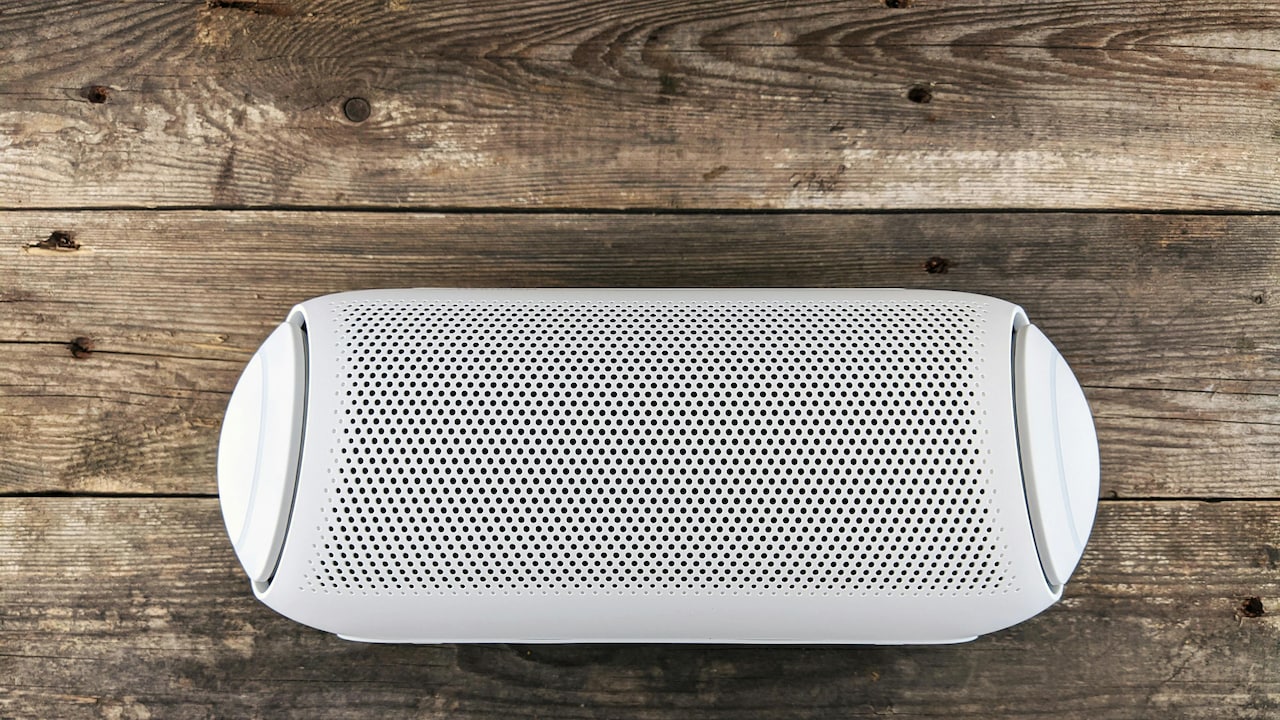
Here are some easy tips to get your hands on the best wireless charger; Photo Credit: Unsplash
This article walks through everything worth knowing before buying a wireless charger for work and bedside use, with practical examples drawn from everyday life. Also, don't forget to check the top picks from Eller, Ambrane to Anker.
Also Read: Is It Time To Ditch The Cables? 8 Reasons Why You Should Switch To Wireless Charging
Finding A Charger That Fits Your Daily Routine
1. Understand Wireless Charging Basics Before Buying
Wireless charging works through electromagnetic induction. That sounds technical, yet the idea stays simple. A pad sends power to the phone when both align properly. Most modern phones support the Qi standard, which keeps things universal. Before buying anything, checking whether the phone supports Qi charging avoids disappointment later.
Charging wirelessly feels convenient, though it often runs slower than wired charging. That difference matters at work, when a quick top-up between meetings becomes essential. At night, speed matters less, as the phone rests for hours. Understanding this balance helps set realistic expectations.
Many people expect wireless charging to feel magical. Place phone, walk away, done. In reality, alignment matters. A slight shift can stop charging. Chargers with alignment guides or stands reduce this issue. Knowing these basics early helps narrow choices and avoid frustration later.
2. Decide Between Charging Pad and Charging Stand
Wireless chargers come mainly as flat pads or upright stands. Both serve different moods and spaces. A flat pad suits a bedside table well. It stays subtle and silent. Just place the phone down and sleep takes over. It also works well for people who check notifications less at night.
A stand feels more practical at work. It keeps the screen visible during video calls, messages, or calendar alerts. Glancing at the phone without lifting it feels surprisingly efficient. Many stands support both portrait and landscape modes, which suits video watching during lunch breaks.
Space also matters. A compact pad fits small desks or cluttered nightstands. A stand needs more room but offers better ergonomics. Think about daily habits before choosing. Someone who scrolls news while charging at work may prefer a stand. Someone who drops the phone and forgets it till morning may prefer a pad.
3. Pay Attention to Charging Speed Ratings
Charging speed often decides satisfaction. Wireless chargers usually offer 5W, 10W, or 15W output. Phones support different maximum speeds, so matching both avoids wasted potential. A charger rated for 15W charges faster, but only if the phone supports it.
At work, faster charging saves the day. A 20-minute coffee break can add meaningful battery life with a higher wattage charger. That convenience proves useful during long commutes or back-to-back meetings. At bedside, slower speeds feel acceptable. Gentle overnight charging also reduces heat buildup.
Many chargers advertise fast charging but require compatible adapters. Using an old plug may drop speeds dramatically. Checking whether the charger includes an adapter avoids extra spending later. Spending ₹2,000 on a charger and another ₹800 on an adapter feels unnecessary when planned well.
4. Check Compatibility With Phone Cases
Phone cases protect devices from drops and scratches, yet they can interfere with wireless charging. Thick cases or those with metal plates often block charging entirely. Before buying a charger, checking the case thickness saves trouble.
Most wireless chargers work well with cases up to 3–5 mm thick. Slim silicone or leather cases pose no issue. Rugged cases may need removal each time, which defeats convenience. At bedtime, removing a case daily feels annoying. At work, it feels disruptive.
Some chargers advertise enhanced case compatibility. Those models cost slightly more but offer peace of mind. Spending a little extra upfront often saves daily irritation. Also, magnetic accessories attached to cases may interfere. Keeping the charging area clean and simple ensures reliable performance every time.
5. Think About Heat Management and Safety
Heat remains the silent enemy of battery health. Wireless charging naturally produces more heat than wired charging. A good charger manages this well. Poor designs allow phones to warm up uncomfortably, especially overnight.
Look for chargers with built-in temperature control and foreign object detection. These features shut off power if something goes wrong. That matters at bedside, where phones charge for hours unattended. Safety brings better sleep, quite literally.
Ventilation also plays a role. Chargers with airflow channels or heat-dissipating materials perform better. Metal surfaces sometimes trap heat, while rubberised coatings feel cooler. Reviews often reveal real-world performance here. A charger that stays cool after an hour earns trust quickly.
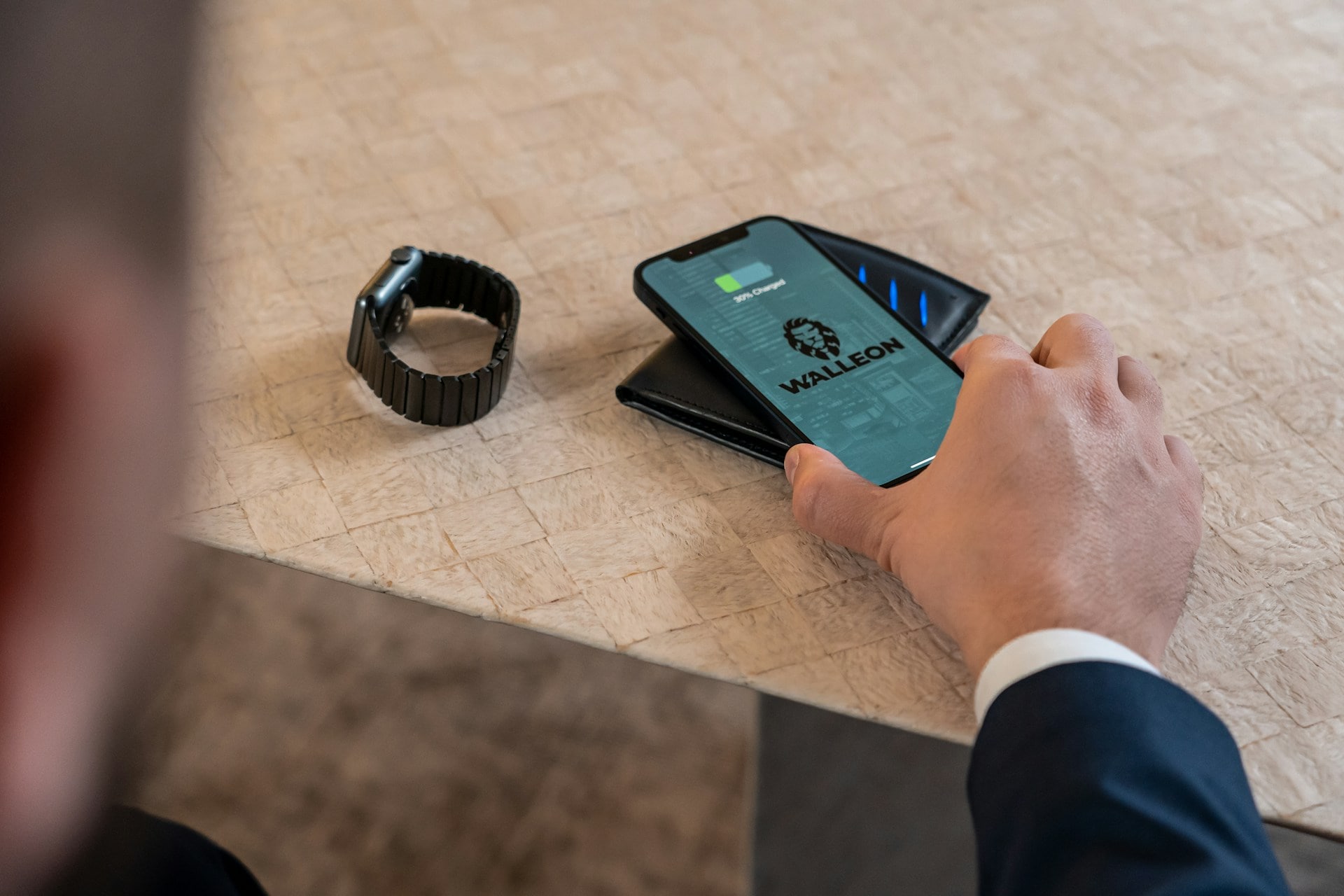
Always consider heat ventilation and management when choosing a wireless charger; Photo Credit: Unsplash
6. Choose Design That Matches Work and Bedroom Aesthetics
A wireless charger stays visible all day. Design matters more than many expect. At work, a clean, professional look blends well with laptops and notebooks. Neutral colours like black, grey, or white feel safe choices.
At bedside, softer designs work better. Fabric finishes or rounded edges feel less harsh under low light. Bright LEDs can feel irritating at night. Chargers with subtle or adjustable indicator lights suit bedrooms better.
Personal style also plays a role. Some enjoy minimal designs. Others enjoy a touch of flair. A charger should feel like part of the space, not an eyesore. Since this small device stays in constant view, choosing one that sparks quiet satisfaction adds to daily comfort.
7. Consider Multi-Device Charging Needs
Life rarely revolves around a single gadget. Phones, earbuds, and smartwatches all demand power. Multi-device wireless chargers simplify this routine. One pad instead of three cables feels liberating.
At work, a dual charger can power a phone and earbuds together. That reduces desk clutter and mental clutter too. At bedside, a single station charging everything overnight feels efficient and calming.
However, multi-device chargers cost more and need more space. Some sacrifice speed when charging multiple devices. Checking output distribution avoids disappointment. Spending ₹3,500 on a multi-charger makes sense if used daily. Otherwise, a single reliable charger may serve better.
8. Portability Matters for Hybrid Work Life
Work no longer stays in one place. Cafés, co-working spaces, and travel blur boundaries. A portable wireless charger fits into this lifestyle. Slim, lightweight chargers slip easily into bags.
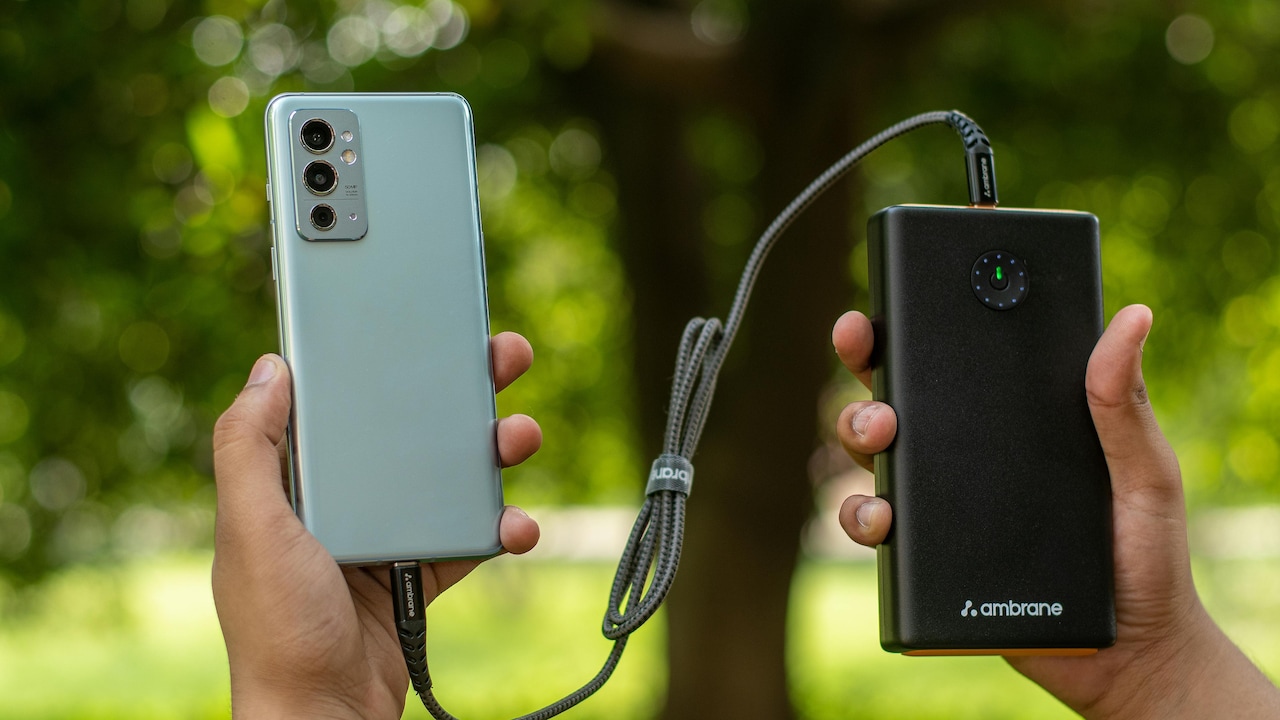
Some wireless chargers double as power banks. These prove useful during travel or power cuts. Place the phone on top and charge without hunting for sockets. That flexibility adds value beyond the desk and bedside.
Durability matters here. A charger tossed into a bag daily needs solid build quality. Rubberised edges and sturdy cables handle wear better. Choosing portability adds freedom, especially for those constantly on the move.
9. Budget Smartly Without Compromising Quality
Wireless chargers range widely in price. Some cost under ₹1,000. Others cross ₹5,000. Price alone does not define quality, but extremely cheap options often cut corners on safety and durability.
Setting a realistic budget helps. For work and bedside use, spending ₹1,500–₹3,000 usually delivers reliable performance. Trusted brands offer warranties and better support. That reassurance matters if something goes wrong.
Avoid chasing gimmicks. Flashy designs or exaggerated speed claims rarely add real value. Focus on essentials: speed, safety, compatibility, and design. A sensible purchase lasts longer and feels better every single day.
10. Read Reviews and Real-Life Experiences
Specifications tell one story. Real-life use tells another. Reviews reveal how chargers perform over time. Look for patterns rather than isolated complaints. Consistent praise or criticism often reflects reality.
Pay attention to comments about heat, alignment issues, and durability. These practical details rarely appear on product pages. Reviews from people using similar phones provide useful insight.
Asking friends or colleagues also helps. Someone using a charger daily at work or bedside offers honest feedback. A recommendation carries weight when it comes from lived experience. Combining research with real stories leads to confident choices.
Products Related To This Article
1. DR VAKU Unity 15W Fast Wireless Charger Qi Certified Charging Stand
2. Ambrane Qi2 Magsafe Wireless 3-in-1 Charger for iPhone
3. 3-in-1 Magnetic Wireless Charger 23W
4. Anker Wireless Charger
5. Eller santé® Wireless Charger 3-in-1 23W Magnetic Mag-Safe for iPhone 17
Choosing the right wireless charger for work and bedside feels simple once priorities become clear. Convenience, safety, speed, and design all play a role in daily satisfaction. A thoughtful choice reduces clutter, protects devices, and adds calm to busy routines.
Wireless charging works best when it blends seamlessly into life. The right wireless charger disappears into the background while doing its job quietly. With a little research and self-awareness, that perfect balance becomes easy to achieve. A well-chosen charger proves that small upgrades can make everyday life noticeably smoother.
(Disclaimer: This article may include references to or features of products and services made available through affiliate marketing campaigns. NDTV Convergence Limited (“NDTV”) strives to maintain editorial independence while participating in such campaigns. NDTV does not assume responsibility for the performance or claims of any featured products or services.)