Best Blenders vs Mixers Comparison: Choose The Right Kitchen Appliance For Smoothies, Cooking And More
Blenders and mixers serve different kitchen needs. This comparison explains key differences in usage, performance, cost and convenience to help choose the right appliance for smoothies, daily cooking and traditional recipes. Make the right choice between a blender and a mixer by learning these key features.

Best Blender vs Mixer Comparison: Uses, Performance and Best Choice for Everyday Cooking.
Every kitchen tells a story. Some speak of rushed weekday breakfasts, others of slow Sunday lunches and festive feasts. In the middle of it all sits an appliance that often works the hardest. The blender or the mixer. Many homes own one, some own both, and many still wonder whether the choice was right. The confusion feels natural. Shops display shiny jars and bold watt numbers. Online reviews shout mixed opinions. Friends swear by one option while neighbours defend the other with equal passion. The result often leads to either overbuying or settling for something that struggles daily.
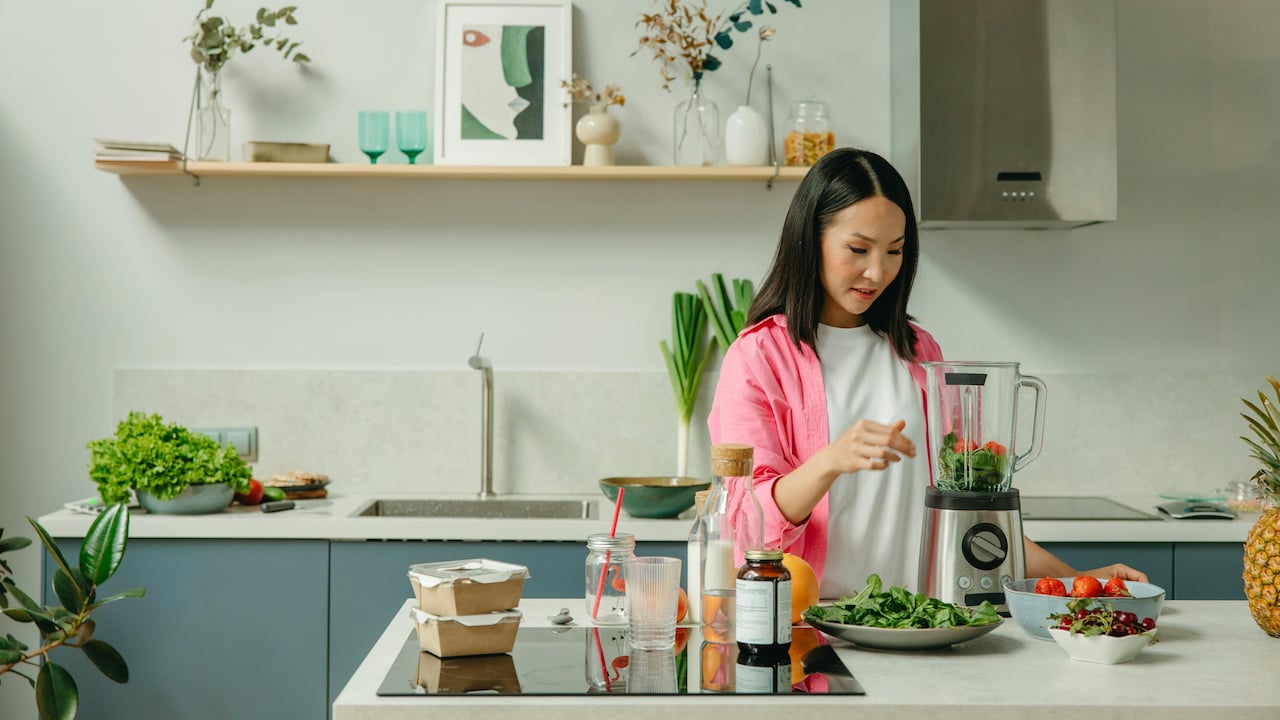
Explore the key differences and features to decide whether your kitchen needs a blender or a mixer; Photo Credit: Pexels
This article simplifies the choice. It compares blenders and mixers across practical, everyday needs. No technical jargon. No sales pitch. Just clear explanations, relatable kitchen moments and honest comparisons rooted in local cooking habits, weather, budgets and routines. By the end, the right choice should feel obvious, not overwhelming.
Also Read: Mixer Grinder Under ₹2000 To Suit Your Daily Needs; Check Out These Top 5 Options
Blenders vs Mixers: Key Differences You Should Know
1. Understanding the Core Difference
At first glance, blenders and mixers appear like cousins. Both spin blades at high speed. Both crush, grind and mix. Yet their core purpose sets them apart. A blender focuses on liquids and soft ingredients. Smoothies, shakes, soups and purees fall under its comfort zone. It thrives when fruits, milk, ice or cooked vegetables fill the jar.
A mixer, often called a mixer grinder, handles tougher tasks. Dry spices, chutneys, masalas and batters sit at its heart. It tackles soaked lentils, roasted seeds and fibrous vegetables without complaint. This strength suits everyday cooking that leans heavily on fresh pastes and powders.
Confusion arises because modern appliances blur lines. Some blenders promise grinding. Some mixers advertise smoothies. Reality still favours specialisation. Using a blender for dry grinding often leaves uneven results. Using a mixer for thin smoothies sometimes leads to splashes and an inconsistent texture.
Understanding this basic difference saves money and counter space. It also prevents frustration during peak cooking hours. Choosing based on primary use rather than features ensures satisfaction long after the warranty card fades.
2. Smoothies, Juices and Health Drinks
Health drinks have become a daily ritual in many homes. Morning fruit blends, protein shakes after walks and cooling buttermilk during summer call for smooth texture and quick results. This is where blenders shine.
A blender creates uniform consistency. Fruits break down evenly. Ice crushes without leaving chunks. Seeds blend smoothly when soaked. The result feels café-like, not grainy. Tall jars and tight lids also reduce spills, a blessing during hurried mornings.
Mixers can make smoothies, but the experience differs. The jars suit thicker mixtures. Liquids sometimes splash upwards. Reaching that silky finish often requires extra water or repeated runs. This may dilute flavour and nutrients.
For households that prioritise health drinks, a blender feels like a reliable companion. It saves time and delivers consistent results. Adding greens, nuts and fruits becomes effortless. Cleaning also feels easier since fewer residues stick to smooth jars.
Those who enjoy experimenting with smoothie bowls, nut milks or cold soups will appreciate the finesse a blender offers. It turns healthy intentions into enjoyable habits rather than daily chores.
3. Everyday Cooking and Traditional Recipes
Daily cooking relies heavily on freshly ground ingredients. Chutneys, masalas, spice powders and batters define flavour. This is where mixers dominate without competition.
Grinding soaked rice for dosa batter demands torque. Crushing coconut with chillies for chutney requires strength. Powdering dry spices needs steady power and sharp blades. A mixer handles these tasks confidently. Multiple jars support different textures, from coarse to fine.
Blenders struggle here. Dry ingredients bounce around. Heat builds quickly. The motor strains. Results often disappoint. Even wet grinding feels inconsistent when ingredients grow thick and sticky.
Cooking routines often involve multitasking. A mixer fits seamlessly into this rhythm. Grinding while tempering feels natural. Switching jars mid-recipe saves time.
Homes that cook traditional meals daily benefit greatly from a mixer. It becomes indispensable rather than optional. The appliance supports flavours that define comfort food and celebrations alike. For such kitchens, a mixer feels less like a gadget and more like an extra pair of hands.
4. Space, Design and Kitchen Practicality
Kitchen space rarely feels generous. Counters fill up fast. Cabinets overflow. Choosing an appliance also means choosing where it lives.
Blenders usually feature tall jars and sleek bases. They look modern and occupy vertical space. Some fit neatly into corners. Desktops benefit from their minimal design. However, tall jars may struggle to fit into low cabinets.
Mixers come in bulkier sizes. Multiple jars require storage planning. Bases weigh more and demand stable surfaces. Once placed, they rarely move. This permanence suits daily use but limits flexibility.
Design preferences also matter. Blenders often arrive in bright colours and transparent jars. Mixers lean towards sturdy metal finishes and functional aesthetics.
Practicality extends to cleaning. Blender jars rinse easily. Smooth surfaces prevent residue build-up. Mixer jars need thorough scrubbing, especially after sticky batters or oily masalas.
Choosing based on kitchen layout avoids daily irritation. A compact blender suits smaller spaces and lighter usage. A mixer rewards kitchens that value power over elegance and have room to spare.
5. Power, Performance and Durability
Power ratings often confuse buyers. Higher watts sound impressive, but real performance depends on design and usage.
Blenders typically range between 300 to 700 watts. This suffices for liquids, fruits and ice. Motors focus on speed rather than torque. They spin fast, creating smooth blends quickly.
Mixers operate between 500 and 1000 watts. Torque matters more than speed here. Grinding hard ingredients demands sustained power. These motors handlethe load without overheating when used correctly.
Durability also differs. Mixers face rougher tasks daily. Good models feature strong couplers and thicker jars. Blenders, while durable, face less stress and often last longer under proper use.
Overloading any appliance shortens its life. Using blenders for dry grinding or mixers for excessive liquid blending strains motors. Respecting intended use ensures longevity.
Investing wisely means matching power to purpose. Paying extra for unused wattage offers little benefit. Choosing reliable brands and using appliances as designed saves repair costs and extends service life over many years.
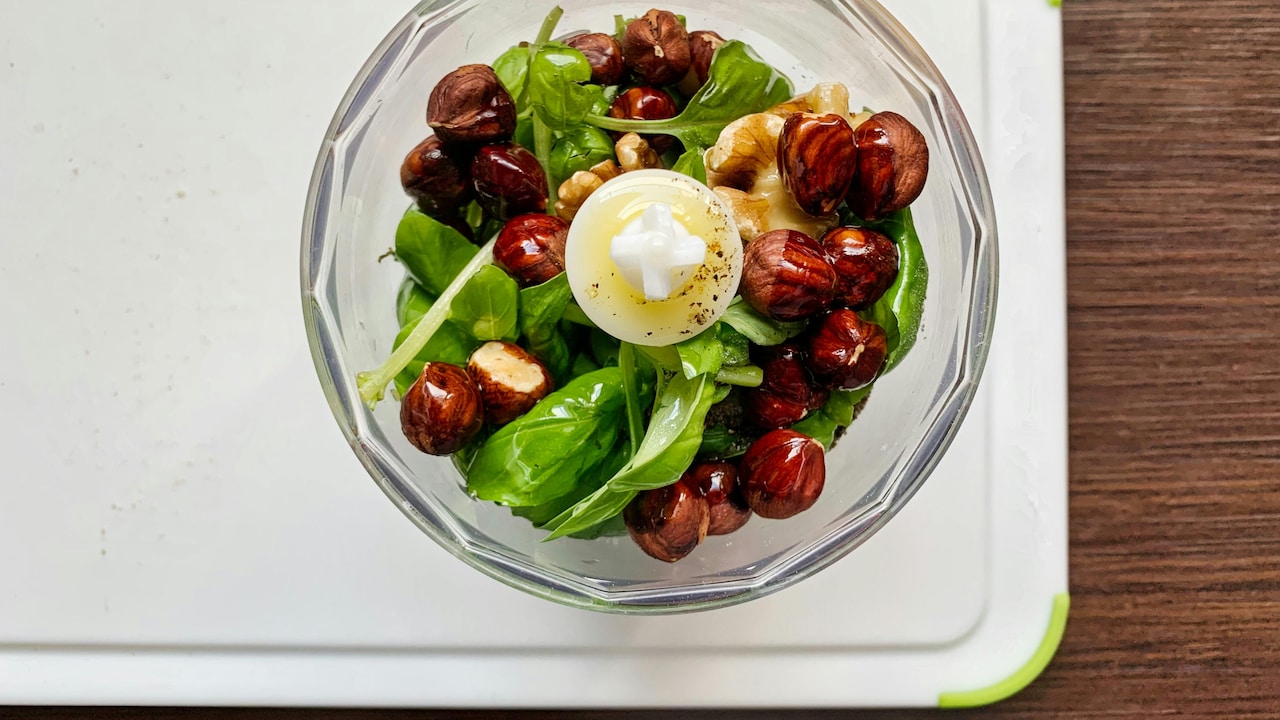
Check the power rating, durability, and overall performance; Photo Credit: Pexels
6. Noise Levels and Comfort
Noise rarely features in purchase decisions until reality hits. Early mornings and shared living spaces make sound an important factor.
Blenders usually run quieter. Their design reduces vibration. Short blending cycles further limit disturbance. Smoothies often finish within seconds, keeping noise brief.
Mixers sound louder. Grinding hard ingredients creates sharp, sustained noise. Long grinding sessions amplify this. During festivals or batch cooking, the sound becomes unavoidable.
Modern models attempt noise reduction, yet differences remain noticeable. Rubber feet and better insulation help, but do not eliminate the gap entirely.
Comfort extends beyond noise. Blenders feel easier to operate. Simple controls suit quick tasks. Mixers require more attention. Changing jars, adjusting consistency and managing heat buildup demands awareness.
Households with elderly members, infants or shared walls may prefer quieter appliances for frequent use. Others accept noise as part of serious cooking. Balancing comfort and necessity helps maintain kitchen harmony without sacrificing flavour or health.
7. Cost and Value for Money
Budget often decides faster than logic. Prices vary widely, but value depends on usage.
Blenders generally cost less. Entry-level models start around ₹2,000. Mid-range options hover near ₹4,000. Premium versions climb higher with added features.
Mixers cost more. Reliable models usually begin near ₹3,000. Higher wattage and better build push prices beyond ₹6,000. Extra jars and safety features add to the cost.
Buying both increases expense but offers versatility. Some households choose combo units, though compromises exist.
Value emerges when appliances serve daily needs without strain. A cheaper blender that handles smoothies daily offers excellent value. An expensive mixer that sits unused wastes money.
Maintenance costs also matter. Mixer parts wear faster due to heavy use. Blenders require fewer replacements.
Choosing based on actual habits rather than aspirational cooking saves money. Honest assessment ensures every rupee spent returns value through convenience, taste and reliability.
8. Ease of Use for Different Age Groups
Kitchens serve everyone. Ease of use matters across age groups.
Blenders feel intuitive. One jar, simple buttons and quick results suit teenagers, seniors and busy adults alike. Minimal setup encourages frequent use. Cleaning feels straightforward, reducing hesitation.
Mixers require familiarity. Multiple jars and lids need proper handling. Understanding grinding times prevents overheating. Seniors may find heavy jars challenging. Younger users may need guidance.
Safety also plays a role. Blenders often include auto shut-off features. Mixers rely more on user judgment. Misuse can cause spills or damage.
For homes where many members share kitchen duties, simplicity matters. Blenders invite participation. Mixers reward experience.
Balancing usability with capability ensures everyone feels comfortable contributing. Appliances should support routines rather than intimidate users. Choosing wisely encourages shared cooking moments rather than kitchen stress.
9. Cleaning, Maintenance and Hygiene
Cleaning often decides whether an appliance sees daily use or gathers dust.
Blenders clean easily. Adding water and a drop of soap, then running briefly, often suffices. Smooth interiors resist residue. Drying feels quick.
Mixers demand effort. Thick batters stick. Oily masalas leave a film. Scrubbing blades requires care. Multiple jars multiply work.
Maintenance follows similar patterns. Blenders need occasional blade checks. Mixers need coupler replacements over time. Heavy use accelerates wear.
Hygiene matters too. Food residue attracts pests and odour. Appliances that clean easily stay fresher.
Busy households appreciate appliances that clean fast. Time saved encourages healthier cooking. Those comfortable with extra effort accept mixer maintenance as part of routine.
Understanding cleaning commitment before buying prevents regret. Choosing an appliance that fits cleaning habits ensures consistent use and better hygiene without frustration.
10. Choosing What Truly Fits the Kitchen
The final choice rests on lifestyle, not trends.
Homes focused on health drinks, quick breakfasts and light cooking benefit from blenders. They support modern routines and busy schedules. Smoothies become daily habits rather than weekend treats.
Homes centred on traditional cooking, fresh masalas and varied meals rely on mixers. They uphold flavours that define comfort and celebration. Their power supports creativity and authenticity.
Some kitchens need both. Space and budget permitting, owning both removes compromise. Each appliance shines in its domain.
Avoid buying based on occasional needs. Choose for daily reality. Consider who uses the kitchen, how often and for what.
A well-chosen appliance fades into routine. It works quietly, reliably and without complaint. That silent efficiency marks the right decision. The kitchen feels smoother, meals taste better and mornings feel calmer.
Products Related To This Article
1. Havells Unity 750W Food Processor
2. Kuvings New 2025 Nutri Blender PRO 2.0 Ferrari Red
3. Philips HL7756/00 Mixer Grinder with 10-year warranty on product registration
4. Nutribullet Pro 900W Champagne Gold
5. Lifelong LLMG23 Power Pro 500-Watt Mixer Grinder with 3 Jars
6. Preethi MiniBlend - Compact Blender & Juicer for Lump Free Purees & Smoothies
7. Bajaj GX-1 Mixer Grinder 500W
Choosing between a blender and a mixer feels confusing only at first glance. Each serves a clear purpose. Understanding daily habits simplifies the decision. Blenders support health-focused routines and quick blends. Mixers power traditional cooking and bold flavours.
There is no universal winner. The right appliance aligns with lifestyle, space, budget and comfort. Thoughtful selection prevents frustration and wasted money.
A kitchen thrives when tools match needs. When appliances work as expected, cooking feels lighter and more enjoyable. The right choice turns routine tasks into small pleasures, one blend or grind at a time.
(Disclaimer: This article may include references to or features of products and services made available through affiliate marketing campaigns. NDTV Convergence Limited (“NDTV”) strives to maintain editorial independence while participating in such campaigns. NDTV does not assume responsibility for the performance or claims of any featured products or services.)