How To Choose A Home BP Monitoring Machine Based On Arm Size And Irregular Heartbeat Detection
Choosing a BP monitor isn't just about price. The right fit depends on arm size and irregular heartbeat detection for accurate readings at home. Here's how to pick a reliable, family-friendly device. Explore top tips to choose a blood pressure machine.
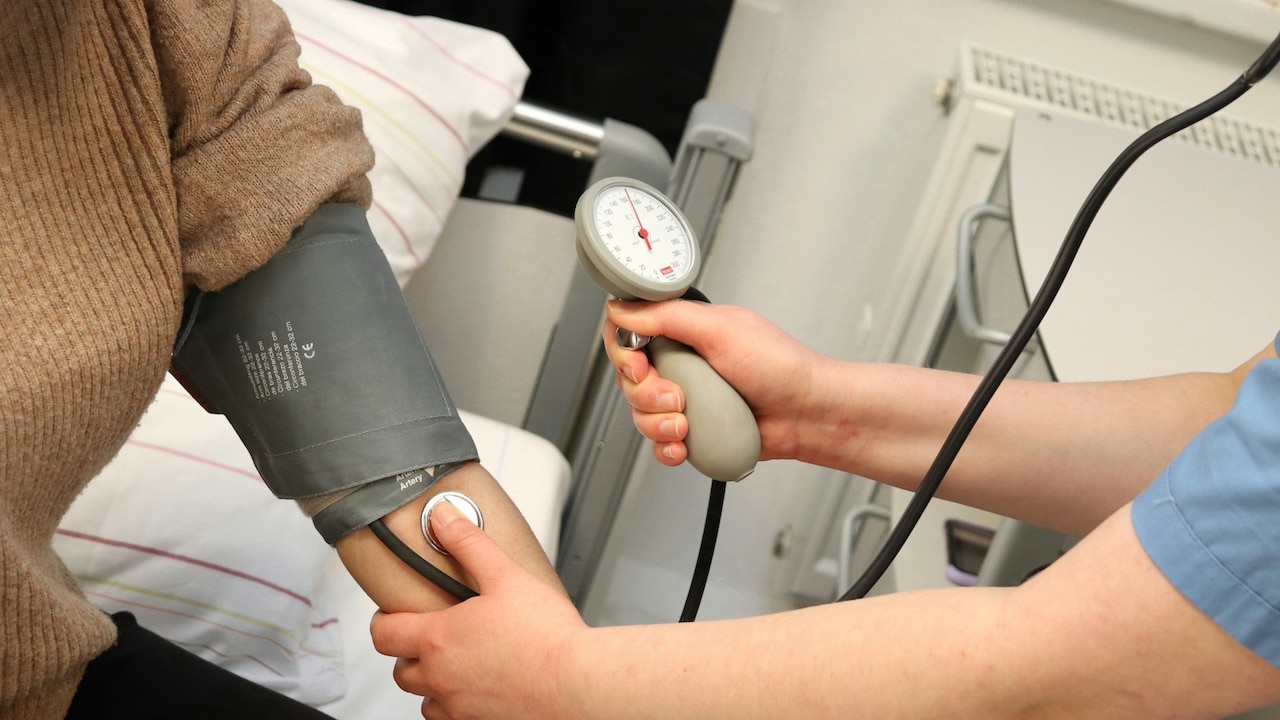
Best Home BP Monitor: How to Choose by Arm Size and Irregular Heartbeat Detection.
More homes now have a blood pressure monitor tucked away in a drawer or placed next to daily medicines. With rising awareness about heart health, a small device once seen only in clinics has become as common as a thermometer. Yet, buying one isn't as simple as picking the first machine sitting on a shelf or selecting the cheapest option online. The arm cuff size matters more than many realise, and irregular heartbeat detection isn't just a fancy extra; it could be a lifesaver. Imagine buying a machine that doesn't fit your arm properly. Its readings could swing wildly, making you panic for no reason or, worse, ignore a real issue. Picking a BP machine needs a bit of homework, but it isn't rocket science. So, here we explain how to choose a home BP monitoring machine for your home.

Use these easy tips to buy blood pressure monitors for your home; Photo Credit: Unsplash
A well-chosen monitor can serve the whole family, offer consistent readings, and bring peace of mind. Let's explore the essential factors that help choose the right device.
Also Read: How To Properly Use A Blood Pressure Machine At Home: A Step-By-Step Guide
What To Look For When Buying A Home BP Monitor
1. Why Correct Arm Size Makes All the Difference
A blood pressure cuff must wrap around the arm snugly, not loosely or too tightly. A poor fit leads to inaccurate readings, sometimes showing figures that make the heart race out of shock. Most home users don't realise that a cuff designed for a smaller arm can read falsely high values, while one too large may show results lower than actual levels. It's a bit like wearing shoes a size too small and then wondering why walking feels strange.
The adult upper arm circumference typically ranges between 22–42 cm, and most home BP monitors cater to this. However, some people need a smaller paediatric cuff or larger plus-size options. A quick measurement using a cloth tape around the upper arm can avoid wrong choices. When buying a monitor for multiple family members, choosing a machine that supports interchangeable cuffs is wise. Spending a little more for the right size or adjustable options can prevent confusion later and keep readings trustworthy. After all, a BP machine is only as reliable as its fit around the arm.
2. Understanding Irregular Heartbeat Detection
Many modern BP monitors now flash a symbol if they detect an unusual rhythm during measurement. This isn't a mere marketing trick. Irregular heartbeat detection helps spot early warning signs of conditions such as arrhythmia. Picture someone at home casually checking their BP after a morning walk, only to see a small icon hinting at an irregular pattern. That tiny alert may push them to consult a doctor before the condition worsens.
Some advanced monitors even track irregular rhythms consistently over time and store them in the device memory. This becomes valuable during consultations, as doctors get a clearer picture of what's happening between clinic visits. A regular machine without this feature can still measure BP, but it won't indicate when the heart's rhythm goes off track. While buying, it helps to check whether the machine merely displays a warning or stores the information. For households with elderly members or people with conditions like diabetes or hypertension, irregular heartbeat detection can act as an early warning system that silently looks out for them.
3. The Importance of Accuracy and Clinical Validation
A BP monitor must be more than convenient; it must be scientifically reliable. Brands often highlight features like a fancy display or smartphone connectivity, but clinical validation is what truly matters. A clinically validated device follows standards recommended by trusted medical bodies and undergoes proper testing to ensure accuracy. Without it, a monitor could show catchy numbers but fail to reflect real blood pressure levels.
Look for validation standards such as AAMI, BHS, or ESH, which indicate that the device meets strict health guidelines. Choosing a validated monitor reduces the risk of false alarms or misleading reassurance. Many budget options may seem tempting, priced around ₹800–₹1000, but often lack proper testing. Spending a bit extra for a validated model, usually in the range of ₹1,500–₹3,500, can save multiple trips to the doctor and provide genuine peace of mind. Think of it as paying for accuracy rather than just a gadget. A monitor should serve as a trustworthy companion to doctor visits, not a source of confusion.
4. Choosing Between Automatic and Manual BP Machines
Manual BP monitors require a stethoscope and some skill to read the pressure changes. For home use, this can feel like trying to learn a musical instrument when all that's needed is a simple tune. Automatic machines make life easier; they require just a tap on a button and display results clearly on a screen. Because they inflate and deflate automatically, they minimise human error.
Automatic models with digital displays are ideal for families, especially when different age groups will use them. They reduce the burden of trying to listen for heart sounds or guessing readings based on moving markers on a dial. Manual machines still have value in clinical settings, where trained professionals rely on them. However, for household use, an automatic BP machine is more practical and user-friendly.
If someone insists on a manual one for nostalgia or perceived accuracy, it's good to remember that without proper training, results might be less accurate than a digital device. Home healthcare works best when ease and precision meet halfway, making automatic machines the sensible choice.
5. Memory Storage and Data Tracking Features
Imagine a family where two or three members regularly check BP. Sorting through scribbled numbers on scraps of paper or mobile notes can become messy. Machines with memory storage simplify this. They can store multiple readings with dates and time stamps. Some advanced models allow separate user profiles, helping each person maintain their own history.
Tracking trends matters more than individual numbers. A single high reading may not mean much, but consistent spikes in the evenings or after meals could reveal patterns influenced by diet, stress, or sleep. Some BP monitors even sync with health apps, showing graphs and averages. While these features add cost, they also add value, especially when sharing details with a doctor.
Even a mid-range model around ₹2,000 can store readings for a couple of users. If the device will serve a household, investing in memory features prevents confusion and helps monitor long-term health. Ultimately, it turns a simple machine into a smart record keeper that understands habits better than hurried notes.

Look for memory storage and data tracking features; Photo Credit: Pexels
6. Checking Power Options and Ease of Use
A BP monitor that suddenly shuts down mid-measurement because of low batteries can be annoyingly disruptive. Machines that use both batteries and a power adapter offer more reliability. When electricity is unavailable or travel is involved, batteries work well. At home, a plug-in option ensures uninterrupted usage. Some low-cost devices run only on batteries, which could add extra cost over time.
In terms of usability, large display screens, simple buttons, and clear inflation indicators make life easier for anyone, especially older adults. Look for models with backlit screens for visibility during early mornings or late evenings. Touchscreen displays may look stylish, but can feel confusing if sensitive to light touches. Simple buttons often work better. The goal isn't to buy something futuristic; it's to choose something friendly. If the machine sits comfortably on a bedside table and feels effortless during use, it's a win.
7. Materials, Durability, and Warranty Factors
BP monitors aren't gadgets used once a month; they are part of daily health routines. Durability matters. A sturdy cuff with breathable fabric ensures comfort, especially when checking BP daily or keeping the cuff wrapped around the arm for a bit longer. Poor-quality cuffs can wear out, crack, or trigger irritation.
A warranty period of at least two to three years offers assurance. Some brands even let users replace the cuff alone, which helps save money when it wears out. Machines with cheap plastic bodies may not survive accidental falls or frequent travel. Spending a little more for robust build quality brings long-term value.
Quality isn't just about a strong outer case. Internal components must also be durable enough to provide consistent readings over time. A good warranty, responsive service centres, and easy access to spare parts make ownership smooth. After all, the machine will sit close to daily lives, better treat it like a reliable long-term friend rather than a disposable visitor.
8. Price Range and Value for Money
Blood pressure monitors come in a wide price range, starting from ₹800 and stretching above ₹5,000 for premium models. Price shouldn't be the first filter; instead, focus on value. A device around ₹1,800–₹3,500 usually offers essential features like irregular heartbeat detection, proper cuff options, memory storage, and clinical validation. Buying the cheapest model may save money today but could cost more in anxiety, wrong decisions, and extra consultations.
Premium models include Bluetooth connectivity, voice instructions, colour display indicators, and multi-user memory. These are useful but not mandatory for basic health monitoring. Paying extra only makes sense when the features serve a real need. The wise approach is to find a balance, something accurate, durable, and comfortable, without paying for bells and whistles that feel fun but add little value.
A good BP machine isn't about the highest cost or the latest design. It's about trust. If a device delivers correct readings consistently, every rupee spent on it becomes worthwhile.
9. Everyday Practicality and Comfort in Use
A BP monitor must slip into daily routines effortlessly. If it feels complicated or uncomfortable, it's likely to stay untouched in a drawer. The arm cuff should not pinch, feel too tight, or take forever to wrap. Quick adjustment straps help in households where multiple users share the same cuff.
For older adults, too much pressure during inflation can cause discomfort. Some machines use gentle inflation technology, reducing that uncomfortable squeeze. Noise level also matters. Loud inflation pumps can feel unsettling during quiet mornings.
Practicality also applies to where the machine will stay. If someone has limited space, a compact design matters. If frequent travel is expected, portability and a good storage pouch help. Comfort isn't just physical, it's emotional too. A device must feel approachable so that even a slightly worried patient can rely on it without hesitation.
10. Training Family Members and Routine Check Practices
Even with the best BP monitor, incorrect habits can mess up readings. Sitting posture, talking during measurement, crossing legs, or checking BP immediately after exercise can alter results. Teaching family members proper measurement habits ensures that readings reflect reality.
Simple routine rules help: sit upright, rest the arm on a table at heart level, avoid caffeine or vigorous activity at least 30 minutes before, and take two readings with a short gap. Keeping a daily time schedule, like measuring after breakfast or before bedtime, gives consistent outcomes. Children or young adults at home might enjoy learning the technique, turning it into a shared health routine rather than a chore.
A home BP monitor becomes valuable when everyone knows how to use it well. It transforms from a gadget into a shared guardian for health, watching silently, always ready with honest numbers.
Products Related To This Article
1. Dr. Morepen Blood Pressure Monitor Model BP-02
2. Omron HEM 7124 Fully Automatic Digital Blood Pressure Monitor
3. AGEasy(Max Group)Fully Automatic Digital Blood Pressure Monitoring Device
4. Control D Homely CPort BP Monitor Automatic Accurate Digital Blood Pressure Checking Machine
5. DR VAKU® BP Monitor Fully Automatic Blood Pressure Machine
Choosing a home BP monitor isn't just a medical decision; it's a step towards building a healthier household. A machine that fits the arm correctly, detects irregular heartbeat, stores data, and offers reliable readings can change how families monitor their health. Simple design, strong build quality, and clinically validated accuracy make all the difference.
A thoughtful purchase ensures the BP monitor sits in the home, not as a cold device, but as a comforting presence, quiet, precise, and always looking out for everyone. The right machine doesn't just measure numbers. It opens doors to early detection, healthier habits, and peace of mind, one reading at a time.
(Disclaimer: This article may include references to or features of products and services made available through affiliate marketing campaigns. NDTV Convergence Limited (“NDTV”) strives to maintain editorial independence while participating in such campaigns. NDTV does not assume responsibility for the performance or claims of any featured products or services.)