How To Choose A Cold Press Juicer Without Overspending
Buying a cold-press juicer doesn't have to be expensive. This guide explains how to choose the right model by focusing on the essentials that matter: performance, durability, and value, so you can enjoy healthy juice without overspending. Also, check the top picks from Atomberg, Agaro, Rico to Solara.

Cold Press Juicer Buying Guide: Here Is All About How To Choose The Right One On A Budget.
Cold-press juicers have moved from gym bags and celebrity kitchens to regular homes. Fresh juice now competes with cutting chai and evening snacks. The appeal makes sense. These juicers extract juice slowly, retain nutrients, and handle everything from hard carrots to leafy greens. The confusion begins at the shop counter or online listing. Prices jump from ₹8,000 to ₹45,000 with little explanation.
Smart buying starts with understanding what truly matters. A family that enjoys weekend juice differs from a household that blends vegetables every morning. Storage space, noise levels, and cleaning effort matter more than flashy features. The goal stays simple: buy a cold-press juicer that works well, lasts long, and leaves money for fruits rather than EMIs. So, here we reveal how to choose a cold press juicer without overspending that will serve you well.
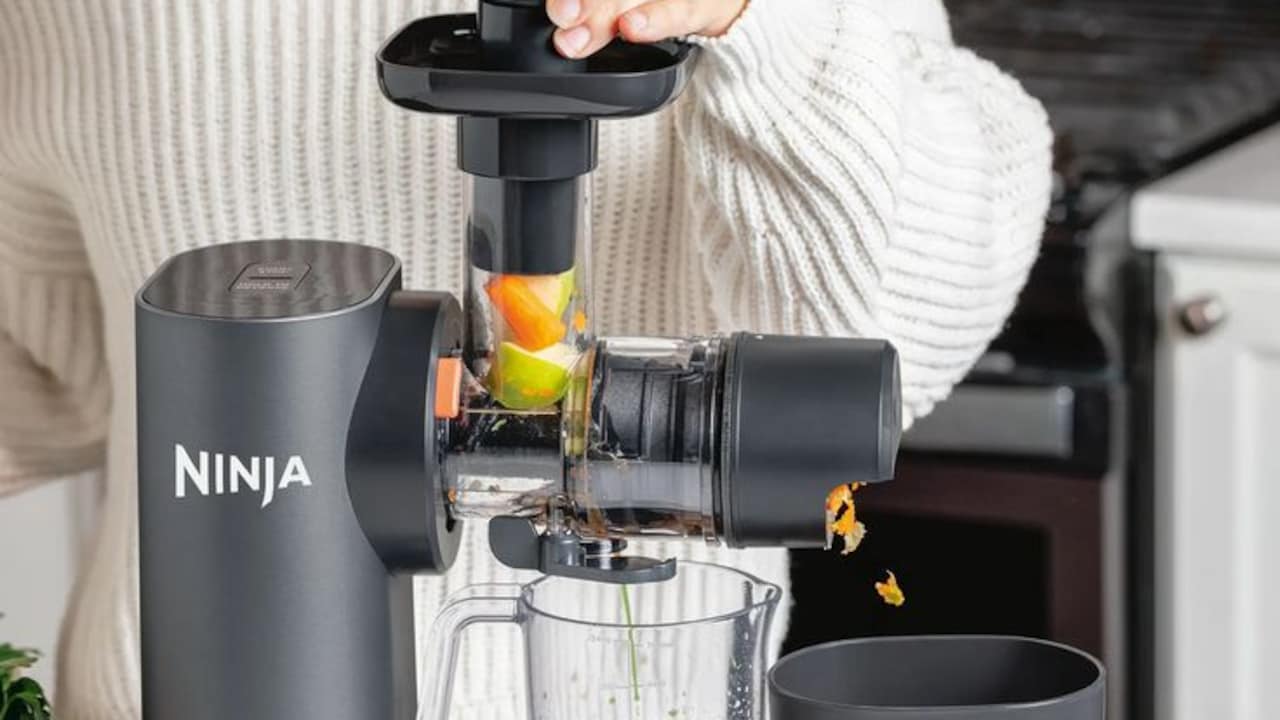
How To Choose A Cold Press Juicer Without Overspending; Photo Credit: Pexels
How To Choose A Cold Press Juicer Without Overspending
1. Understand What “Cold Press” Actually Means
Cold press sounds fancy, but the idea stays simple. These juicers crush fruits and vegetables slowly instead of spinning them fast. This slow action keeps heat low and nutrients intact. Many buyers assume every slow juicer performs the same task. That assumption leads to overspending.
A basic cold-press juicer runs between 40 and 80 RPM. Anything within this range already delivers good quality juice. Brands often push ultra-low RPM models and charge extra. The difference rarely shows up in a morning glass of mosambi or beetroot juice.
Focus on results, not labels. A mid-range model can extract juice efficiently and keep oxidation low. Extra claims like “medical-grade extraction” sound impressive but add little value for daily use.
Understanding this concept builds confidence. With clarity, it becomes easier to ignore marketing noise and stick to practical needs. A cold-press juicer should serve health goals, not become a trophy appliance.
2. Set a Realistic Budget Before Browsing
Browsing without a budget feels like entering a sweet shop while hungry. Everything looks tempting. Cold-press juicers range widely, and many features inflate prices without improving everyday use.
A sensible budget for a good machine usually sits between ₹10,000 and ₹18,000. Within this range, several reliable options offer strong motors, sturdy build, and decent warranties. Spending more often pays for design aesthetics or niche features.
Think about the frequency of use. A household that juices a week does not need a commercial-grade machine. Extra money can buy better produce instead.
Fixing a budget early helps filter choices and reduces impulse decisions. It also keeps sales tactics in check. When a salesperson pushes a ₹30,000 model, the budget acts like a polite but firm boundary. Smart spending begins with discipline, not discounts.
Also Read: Best Cold Press Juicer Buying Guide: Preserve Fibre, Enzymes And Fresh Nutrition
3. Match the Juicer to Daily Juice Habits
Juicing habits vary widely. Some prefer sweet fruit blends. Others enjoy bitter karela shots or leafy green mixes. Not every juicer handles all ingredients equally well.
For fruit-heavy juices, most cold-press models work fine. For leafy greens like spinach or coriander, look for a juicer with a strong auger and proper strainer design. Those features prevent clogging and reduce wastage.
Quantity matters too. A large family benefits from a bigger feeding chute and pulp container. A single user may prefer a compact model that fits neatly on the counter.
Buying without considering habits leads to regret. A bulky juicer feels annoying if used occasionally. A weak model frustrates users who love vegetable juices. Aligning the machine with daily routines ensures satisfaction and avoids unnecessary upgrades later.
4. Pay Attention to Motor Power, Not Just RPM
RPM gets all the attention, but motor power deserves equal respect. A juicer with low RPM but a weak motor struggles with hard vegetables like carrots and amla. That strain reduces lifespan and increases noise.
Motor power between 150 and 250 watts suits most homes well. This range balances efficiency and electricity consumption. Higher wattage does not always mean better juice, but it does help with tougher ingredients.
Manufacturers sometimes hide motor details in fine print. A quick check prevents disappointment later. Strong motors also reduce jamming, which saves time and patience during busy mornings.
Choosing balanced power ensures smooth operation and longer durability. It also protects the investment. A juicer should work effortlessly, not sound like it fights a daily battle with apples.
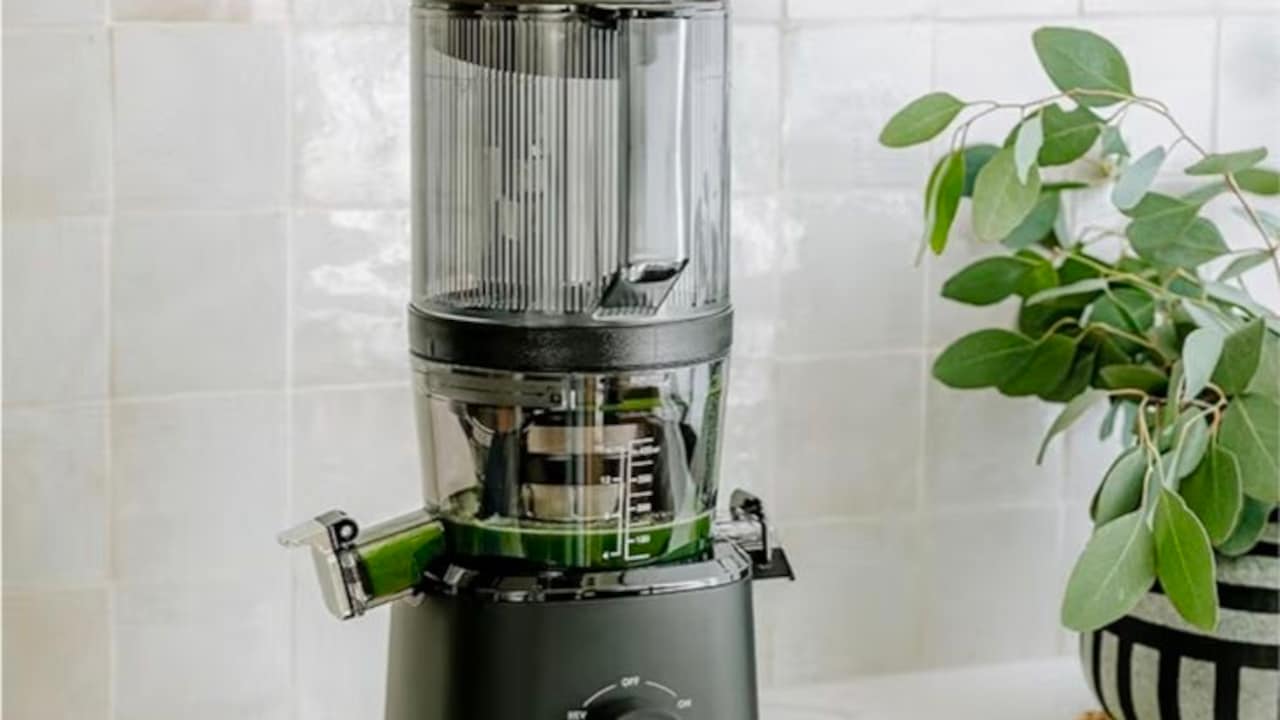
How To Choose A Cold Press Juicer Without Overspending; Photo Credit: Pexels
5. Consider Ease of Cleaning and Assembly
Juicing feels healthy. Cleaning often feels like punishment. Many buyers overlook this part and regret it within a week.
Cold-press juicers usually come with multiple parts. Some designs simplify assembly with fewer components. Others include special cleaning brushes that make a real difference.
Check if parts rinse easily under running water. Fine mesh strainers trap pulp and need gentle scrubbing. Dishwasher-safe parts add convenience, though not everyone uses dishwashers.
A juicer that takes ten minutes to clean often ends up unused. Simpler designs encourage regular use. Practicality matters more than elegance here. After all, health habits thrive on convenience, not guilt.
6. Look for Durable Build Quality
Plastic quality tells a story. Cheap plastic cracks, stains, and absorbs smells. Good-quality food-grade plastic stays sturdy and odour-free even after months of use.
Metal augers sound premium, but do not always improve performance. Many high-quality juicers use reinforced plastic augers that last long and work well. Focus on thickness and finish instead of material alone.
Weight also signals durability. Very light machines tend to wobble during operation. A stable base reduces vibration and noise.
Inspect warranty details too. A longer motor warranty shows brand confidence. Two to five years on the motor feels reasonable. Build quality ensures the juicer becomes a long-term kitchen companion rather than a short-lived experiment.
7. Avoid Paying Extra for Fancy Add-Ons
Some juicers arrive with sorbet makers, pasta attachments, and nut butter tools. These extras look exciting, but rarely see regular use.
Ask a simple question: how often will these attachments get used? For most households, the answer stays close to never. These add-ons increase cost and storage clutter.
Focus instead on core performance. Juice quality, ease of use, and reliability matter more. A machine that does one job well beats one that does five jobs poorly.
Minimalism saves money and space. A clean, efficient juicer keeps mornings smooth and clutter-free. Extra features often serve marketing more than real kitchens.
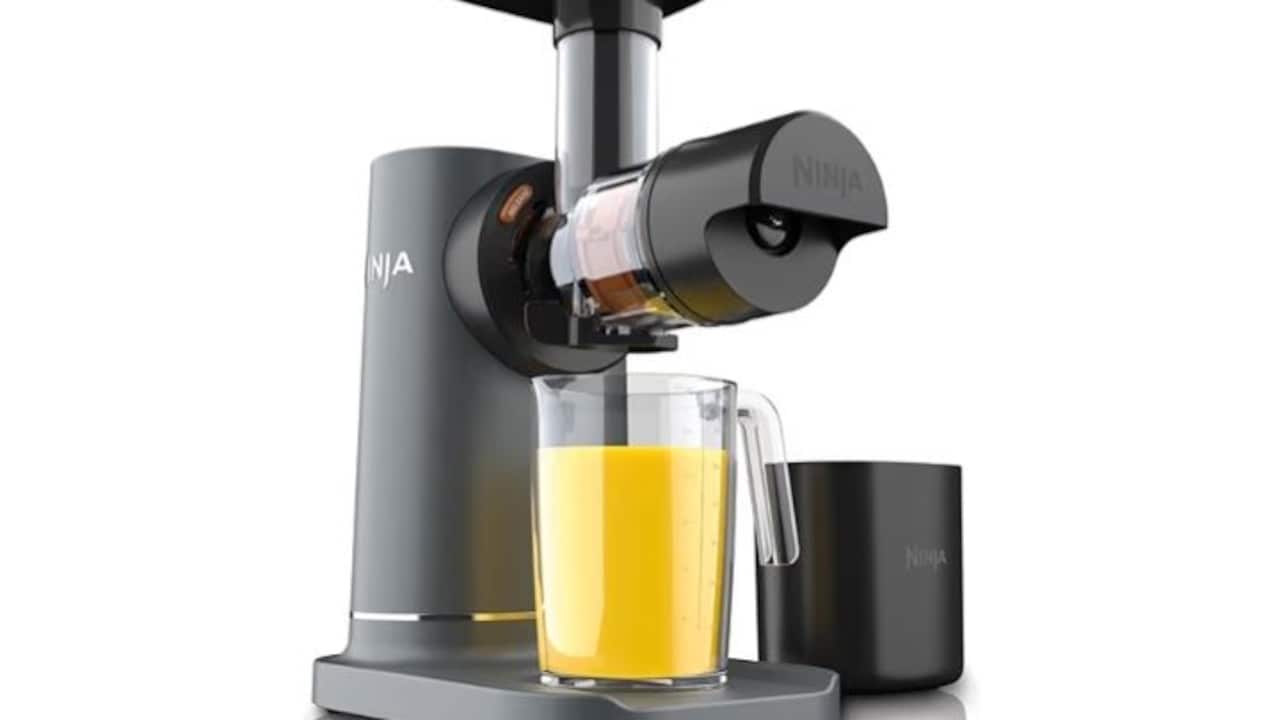
How To Choose A Cold Press Juicer Without Overspending; Photo Credit: Pexels
8. Check Noise Levels for Early Mornings
Cold-press juicers run quieter than centrifugal ones, but noise still varies. A loud motor can disturb sleeping family members, especially during early routines.
Look for models known for low operational noise. Reviews often mention sound levels. Smooth, consistent hum sounds better than rattling vibrations.
Rubber feet and stable bases also reduce noise. Proper design matters as much as motor quality.
Quiet operation adds comfort and encourages regular use. No one wants to negotiate peace treaties before a glass of fresh juice. A calm kitchen sets the tone for the day.
9. Read User Reviews with a Practical Lens
Reviews reveal truths that brochures hide. Look beyond star ratings and read detailed comments. Focus on long-term usage experiences rather than first-day excitement.
Watch for repeated complaints. Frequent mentions of clogging, poor service, or broken parts signal red flags. Praise for customer support and easy maintenance adds confidence.
Ignore overly emotional reviews, both positive and negative. Balanced feedback often sits in the middle.
Local reviews matter more than global ones. Voltage compatibility, service centres, and spare parts availability differ by region. Practical research saves money and frustration in the long run.
10. Balance Brand Trust with Value
Well-known brands inspire confidence, but they also charge premiums. Lesser-known brands sometimes offer excellent value with similar features.
Brand trust matters for service and warranty. A balance between reputation and affordability works best. Avoid unknown names with no service presence. At the same time, do not assume a higher price equals higher quality.
Compare specifications side by side. Often, two machines differ only in branding and design. Choosing wisely can save several thousand rupees without compromising performance.
Value-driven decisions feel satisfying. They reflect thoughtful buying rather than impulse spending. A juicer should feel like a smart choice every time it gets used.
Products Related To This Article
1. Kuvings B1700 Cold Press Whole Slow Juicer
2. Atomberg Althea Cold Press Juicer
3. AGARO Imperial Slow Juicer
4. Rico Cold Press Juicer with Ice Cream Maker
5. Hestia Nutri-Max Cold Press Slow Juicer
6. SOLARA Cold Press Juicer for Home
7. Glen Cold Press Juicer for Home
Choosing a cold-press juicer does not require overspending or overthinking. A good juicer supports healthy routines without adding stress. It fits the kitchen, cleans easily, runs quietly, and handles daily ingredients with ease. Money saved on unnecessary features can go towards better produce or other wellness choices. Smart buying brings long-term satisfaction. With the right approach, every glass of fresh juice tastes better, not just because of nutrients, but because it comes with the comfort of a wise decision.
(Disclaimer: This article may include references to or features of products and services made available through affiliate marketing campaigns. NDTV Convergence Limited (“NDTV”) strives to maintain editorial independence while participating in such campaigns. NDTV does not assume responsibility for the performance or claims of any featured products or services.)