Common Reasons Mixer Grinder Overheats and How to Prevent Motor Damage
Mixer grinders overheat due to overloading, long usage, poor ventilation and power issues. This article explains common causes of motor overheating and offers practical tips to prevent damage and extend appliance life. Prevent your mixer grinder from overheating by learning about the most common causes.

Mixer Grinder Overheating Problems Explained: Causes, Warning Signs, And Prevention Tips.
Every kitchen has that one appliance that feels indispensable. The mixer grinder earns that title without effort. It chops, grinds, blends, and powers through tough ingredients with admirable loyalty. Yet many people push it harder than it can handle, often without realising it. Overheating becomes the machine's silent cry for help. Motor damage rarely happens overnight. It builds up through small habits, overfilling jars, grinding dry spices for too long, or ignoring odd noises. The good news lies in prevention. With a little care and awareness, a mixer grinder can last for years, even with daily use.

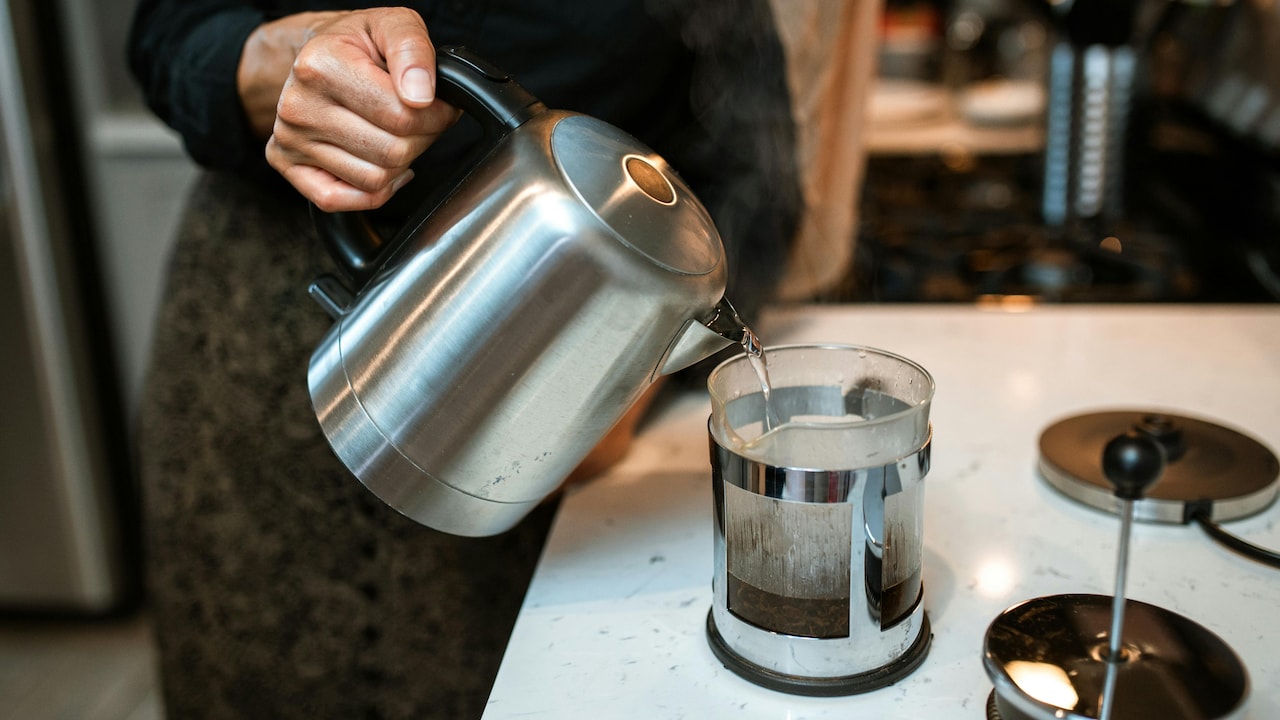
Explore 10 common reasons that can overheat your mixer grinder while using; Photo Credit: Pexels
The sections below explore the most common causes of overheating and offer easy ways to keep the motor healthy and stress-free.
Understanding Why Mixer Grinders Overheat And How To Protect The Motor
1. Overloading the Jar Beyond Its Capacity
A full jar may look efficient, but it often spells trouble. Stuffing vegetables, soaked lentils, or spices beyond the marked limit forces the motor to work harder. The blades struggle to rotate freely, which increases friction and heat. Over time, this extra strain weakens the motor windings.
Many kitchens rush through prep work, especially during festivals or family gatherings. The temptation to grind everything in one go feels strong. Yet the motor pays the price. A mixer grinder works best when ingredients have space to move. Proper circulation keeps grinding smooth and temperature under control.
Prevention starts with respecting capacity lines. Grinding in smaller batches may take a few extra minutes, but it saves repair costs later. For thick pastes, adding small amounts of water helps blades move easily. A relaxed motor stays cooler and lasts longer, making patience a wise investment rather than a delay.
2. Running the Mixer Continuously Without Breaks
Mixer grinders lack the stamina of industrial machines. Continuous operation for several minutes causes heat to build up rapidly. The motor does not get time to cool, and internal components begin to suffer.
Grinding dry masalas or making smooth batters often leads to long, uninterrupted runs. The sound changes subtly, becoming sharper or strained. That noise signals stress. Many overlook it, assuming the appliance can handle more.
Short breaks make a big difference. Running the mixer for 30–60 seconds and then pausing for a minute allows heat to escape. This habit proves especially useful during heavy grinding tasks. A cooled motor works efficiently and avoids thermal overload. Treating the mixer like a sprint runner rather than a marathon athlete keeps it healthy and dependable.
3. Grinding Very Hard or Dry Ingredients Improperly
Dry spices, coffee beans, turmeric roots, and nuts place heavy demands on blades and the motor. Grinding them without preparation causes friction and heat to rise quickly. The motor struggles against resistance, leading to overheating.
Many homes prefer fresh masalas, ground daily for flavour. While this habit improves taste, it needs technique. Dry grinding works best in short bursts rather than long runs. Hard ingredients also benefit from brief roasting or soaking, which softens texture and reduces strain.
Using the correct jar matters too. Dry grinding jars have specific blade designs and a stronger build. Switching jars carelessly can cause imbalance and stress. A little planning ensures flavour without frying the motor. The aroma of fresh spice should fill the kitchen, not the smell of overheating insulation.
4. Dull or Damaged Blades Increasing Resistance
Sharp blades slice and grind with ease. Dull blades tear and resist movement. This resistance forces the motor to exert more power, generating excess heat. Over time, the motor bears the burden of a simple mechanical problem.
Blades lose sharpness gradually, making the issue easy to miss. Grinding takes longer, textures feel uneven, and the motor sounds louder. These signs suggest blade fatigue rather than motor failure.
Regular inspection helps. If blades show rust, chips, or blunt edges, replacement costs far less than motor repair. New blades restore efficiency and reduce load instantly. Treat blades like tyres on a vehicle. Smooth performance depends on their condition, and neglect leads to expensive consequences.
5. Voltage Fluctuations and Unstable Power Supply
Power supply plays a larger role than many realise. Voltage fluctuations stress electrical components and cause motors to overheat. Sudden surges or drops force the motor to compensate, generating extra heat in the process.
Homes in areas with frequent power variations often face this issue. Lights flicker, fans slow down, and appliances feel the impact silently. Mixer grinders suffer because they rely on consistent power for smooth rotation.
Using a good-quality voltage stabiliser protects the motor. Stabilisation ensures steady current flow, even during erratic supply. This small investment saves costly repairs later. Stable power keeps the motor calm, efficient, and cool, turning unpredictable electricity into a manageable factor.
Voltage fluctuations and unstable power supply can also cause overheating issues in your mixer grinder; Photo Credit: Pexels
6. Poor Ventilation Around the Mixer Grinder
Every motor needs airflow to release heat. Blocking ventilation traps warmth inside the appliance, causing the temperature to rise rapidly. Placing the mixer close to walls or running it in enclosed cabinets worsens the problem.
Kitchens often feel crowded. Appliances cluster together, especially in compact spaces. The mixer grinder ends up squeezed between containers, walls, or other devices. Heat has nowhere to go.
Creating space solves this easily. Leaving a few inches around the appliance allows air circulation. After heavy use, letting the mixer rest uncovered helps it cool faster. A well-ventilated motor breathes freely and stays safe, even during demanding tasks.
7. Worn-Out Carbon Brushes in the Motor
Carbon brushes conduct electricity within the motor. Over time, they wear down due to friction. Worn brushes cause poor contact, sparking, and increased heat generation.
Symptoms include intermittent operation, burning smells, or reduced power. Many mistake these signs for complete motor failure. In reality, brushes often need replacement, which costs far less than a new appliance.
Periodic servicing identifies this issue early. Replacing brushes restores smooth current flow and reduces heat. Ignoring them allows damage to spread to other motor parts. Timely attention turns a small fix into a long-term solution, preserving performance and peace of mind.
8. Using the Wrong Speed Setting for the Task
Speed settings exist for a reason. Low speeds suit wet grinding and mixing, while high speeds handle dry grinding and blending. Using high speed unnecessarily strains the motor and increases heat.
Many users default to the highest speed for quick results. This habit stresses the motor, especially during thick or heavy grinding. The appliance works harder than needed, raising internal temperature.
Matching speed to task improves efficiency. Starting slow and increasing gradually gives better control and reduces shock to the motor. This approach also improves texture and consistency. A thoughtful twist of the knob keeps the motor relaxed and responsive.
9. Lack of Regular Cleaning and Maintenance
Food residue, grease, and dust accumulate over time. These deposits restrict ventilation and affect moving parts. Heat builds up faster when the appliance lacks cleanliness.
Spills around the base often go unnoticed. Moisture seeps inside, affecting electrical components. Dust clogs vents, trapping warmth. These small issues combine to create overheating risks.
Regular cleaning prevents trouble. Wiping the base, washing jars thoroughly, and ensuring vents remain clear make a noticeable difference. Occasional professional servicing keeps internal parts in good shape. A clean mixer grinder runs cooler, quieter, and more reliably, proving that care extends beyond the visible surface.
10. Ignoring Early Warning Signs and Smells
A mixer grinder often signals distress before serious damage occurs. Strange smells, unusual noises, or sudden shutdowns serve as warnings. Ignoring them allows minor issues to escalate into major failures.
A burning smell suggests overheated insulation. Loud humming or grinding noises hint at mechanical strain. Automatic cut-offs indicate excessive heat. Each sign deserves attention.
Stopping use immediately prevents further damage. Allowing the appliance to cool and seeking inspection saves money and frustration. Listening to these cues builds a healthier relationship with the appliance. Prompt response turns a potential disaster into a manageable repair, protecting both the motor and daily routines.
Products Related To This Article
1. Havells ESO 750 Watt Mixer Grinder
2. Voltas Beko, A Tata Product Powerfull 500 W Mixer Grinder with Grind
3. Prestige Apex 500 Watt Mixer Grinder with 3 Stainless Steel Jars
4. Lifelong LLMG23 Power Pro 500-Watt Mixer Grinder with 3 Jars
5. NutriPro Juicer Mixer Grinder
6. Philips HL7756/00 Mixer Grinder with 10-year warranty
7. Cadlec MixGenie 4 Jar 750 Watt Mixer Grinder
A mixer grinder works hard behind the scenes, making daily cooking smoother and faster. Overheating occurs not because the appliance fails, but because small habits push it beyond comfort. Overloading, continuous use, poor ventilation, and ignored warning signs all add stress to the motor.
Prevention rests on awareness and care. Simple steps like giving breaks, choosing the correct speeds, and maintaining cleanliness go a long way. These habits cost nothing yet save thousands of rupees in repairs and replacements. A little patience, a little attention, and a sense of respect for the machine ensure that the familiar hum in the kitchen remains steady, reliable, and reassuring for years to come.
(Disclaimer: This article may include references to or features of products and services made available through affiliate marketing campaigns. NDTV Convergence Limited (“NDTV”) strives to maintain editorial independence while participating in such campaigns. NDTV does not assume responsibility for the performance or claims of any featured products or services.)