Electric Toothbrush Tips For Sensitive Gums: What To Do And What To Avoid
Sensitive gums need extra care when using an electric toothbrush. This guide explains the right techniques, settings, and habits to clean effectively without irritation, helping protect gums while maintaining daily oral hygiene.
How To Use An Electric Toothbrush For Sensitive Gums: Here Are The Top 10 Dos And Donts.
Sensitive gums often signal stress, plaque build-up, or brushing habits that need a rethink. Many households switch to electric toothbrushes after hearing dentists praise their efficiency. Still, a common fear lingers: will those rapid movements hurt delicate gums? The truth sits somewhere in between hype and hesitation. Electric toothbrushes can clean thoroughly without harsh scrubbing, but only when used the right way.
Think of it like upgrading from a manual scooter to a smooth electric bike. The power helps, but control matters. This article explores how to use an electric toothbrush safely and effectively for sensitive gums. Expect practical tips, gentle humour, and familiar situations, like rushing through a morning routine or brushing after a spicy dinner. The focus stays on comfort, consistency, and smart habits rather than perfection.
How To Use An Electric Toothbrush For Sensitive Gums: Dos And Donts
Photo Credit: Pexels
What To Keep In Mind When Using An Electric Toothbrush
1. Do Choose a Brush Designed for Sensitive Gums
Not all electric toothbrushes suit sensitive gums. Some models focus on deep cleaning and whitening, which may feel too intense at first. Brushes labelled for sensitive care often come with softer bristles and gentler modes. These features reduce irritation while still removing plaque effectively.
Think about how a soft cotton towel feels kinder than a rough one after a long day. Gums react in a similar way. Soft bristles bend easily and clean along the gum line without scraping. Many people skip this step and use whatever brush sits on the shelf, then wonder why their gums feel sore.
Checking the packaging takes just a minute but saves weeks of discomfort. A good brush does not need to cost a fortune. Reliable options often fall between ₹1,500 and ₹3,000. Comfort and consistency matter more than fancy features. When gums feel calm after brushing, that brush earns its place.
2. Don't Press Harder Than Needed
Pressing harder does not mean cleaner teeth. This old habit comes from years of manual brushing, where effort seemed equal to results. Electric toothbrushes work differently. They rely on motion, not muscle.
Imagine scrubbing burnt food from a pan. Pressing too hard damages the surface. The same happens with gums. Excess pressure causes redness, bleeding, and even gum recession over time. Many electric brushes now include pressure sensors that alert when brushing becomes too forceful. Treat that signal like a traffic light telling you when to slow down.
Let the brush glide gently from tooth to tooth. Hold it like a pen rather than a hammer. This lighter grip feels strange at first, but gums soon respond with less soreness and more comfort. Healthy brushing feels controlled, not aggressive.
3. Do Use the Right Brushing Mode
Electric toothbrushes often come with multiple modes, from whitening to gum care. Sensitive gums respond best to gentle or massage modes. These settings reduce speed and vibration while still cleaning effectively.
Skipping through modes without understanding them leads to discomfort. A high-speed mode may polish enamel but irritate tender gums. A softer mode cleans slowly and encourages blood flow, which supports gum health.
Morning routines often feel rushed, but taking a moment to select the right mode pays off. Over time, gums adapt and strengthen. Some people later move to stronger settings, but there is no rush. Comfort should guide every choice. Brushing should feel like a calm start or end to the day, not a test of endurance.
4. Don't Rush the Brushing Process
Speed causes mistakes, especially with sensitive gums. Electric toothbrushes often include timers to encourage brushing for two minutes. Ignoring this feature defeats its purpose.
Rushing leads to uneven cleaning and missed spots, which allows plaque to settle. Plaque irritates gums and increases sensitivity. Spending a few extra seconds on each quadrant of the mouth makes a big difference.
Think of brushing like brewing tea. Rushing ruins the result. A steady pace allows bristles to reach between teeth and along the gum line gently. Many brushes buzz every 30 seconds to signal a shift to the next section. Treat that buzz as a friendly reminder rather than an interruption. Consistent timing helps gums heal and stay healthy.
5. Do Pay Attention to Brush Head Replacement
A worn-out brush head harms sensitive gums. Bristles fray over time and lose their gentle touch. Using an old brush head feels like sweeping with a broken broom.
Most manufacturers recommend replacing brush heads every three months. For sensitive gums, replacing even sooner helps. Look for faded bristles or uneven edges as warning signs.
Replacing a brush head costs far less than dental treatment later. Prices usually range from ₹300 to ₹600 per head. This small investment protects gums and ensures effective cleaning. Marking replacement dates on a calendar or phone helps build the habit. Fresh bristles feel softer and cleaner from the very first use.
6. Don't Ignore Bleeding Gums
Bleeding during brushing often scares people into brushing less. This reaction makes things worse. Bleeding usually signals inflammation caused by plaque or poor technique.
Gentle brushing with an electric toothbrush helps reduce inflammation over time. Avoid stopping brushing unless pain becomes severe. Switching to a softer mode or brush head often solves the issue.
Think of bleeding gums like a warning light on a scooter. Ignoring it leads to bigger problems. Consistent care usually improves gum health within two weeks. If bleeding continues beyond that, a dental check becomes necessary. Early attention prevents long-term damage and discomfort.
Also Read: Best Oral Care Deals On Toothpaste And Toothbrushes: Top Discounts And Offers This Season
7. Do Combine Brushing with the Right Toothpaste
Toothpaste matters just as much as the toothbrush. For sensitive gums, choose formulas designed to soothe and protect. These pastes often contain ingredients that reduce nerve sensitivity and strengthen enamel.
Using harsh whitening toothpaste alongside an electric brush can irritate gums. Whitening formulas contain abrasives that feel rough on tender tissue. A gentle paste complements the brush's action and supports healing.
A pea-sized amount works best. Too much paste creates excess foam, which tempts quicker brushing. Calm brushing with minimal foam improves control. The goal remains comfort, not dramatic froth. A balanced combination of brush and paste turns brushing into a pleasant routine rather than a dreaded task.
8. Don't Forget the Gum Line
Many people focus only on teeth and neglect the gum line. Plaque loves hiding where teeth meet gums. Ignoring this area leads to inflammation and sensitivity.
Electric toothbrushes excel at cleaning along the gum line when used correctly. Angle the brush head slightly towards the gums and let it hover gently. Avoid digging into the gums.
Think of cleaning a window frame. Dust settles along edges, not the glass centre. The gum line needs attention, too. Gentle movements along this area improve circulation and reduce plaque build-up. Over time, gums feel firmer and less reactive. This simple adjustment transforms results.
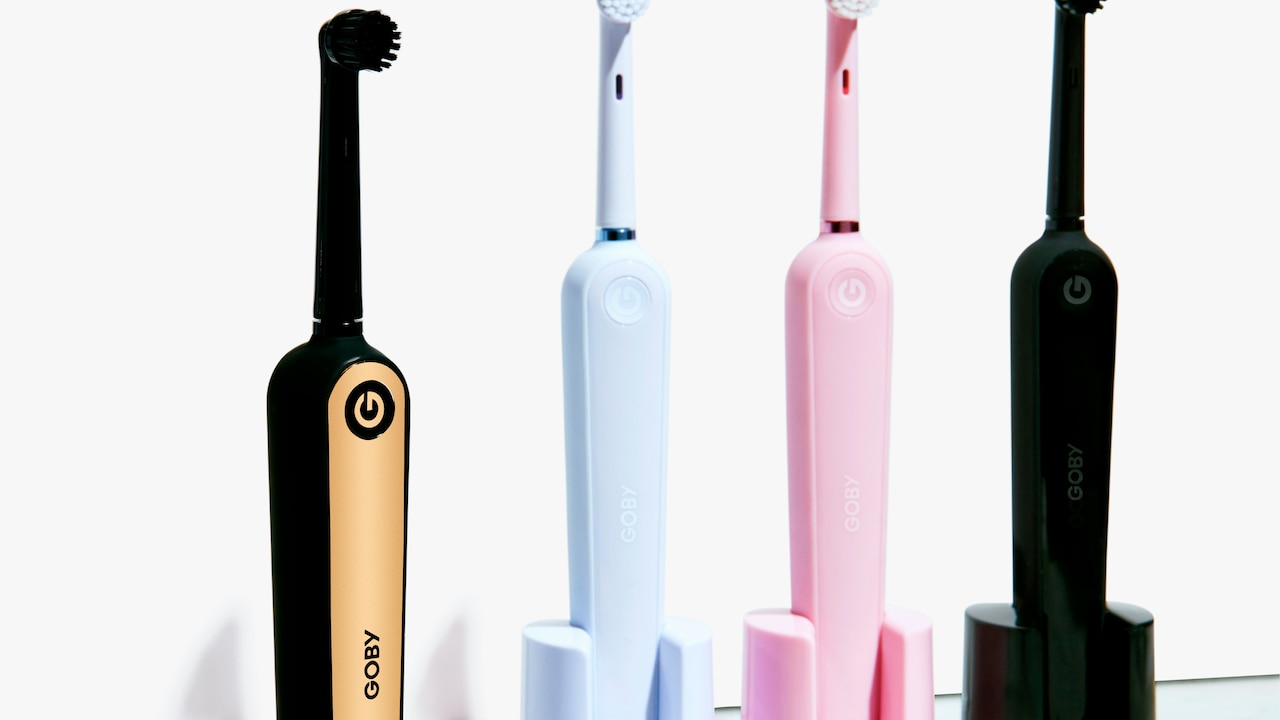
How To Use An Electric Toothbrush For Sensitive Gums: Dos And Donts
Photo Credit: Unsplash
9. Do Clean the Tongue Gently
Sensitive gums often accompany a sensitive mouth overall. The tongue holds bacteria that affect gum health and breath. Many electric toothbrushes include tongue-cleaning features or compatible attachments.
Cleaning the tongue should feel light and careful. Aggressive scraping irritates the mouth and triggers gag reflexes. A few gentle passes remove bacteria without discomfort.
Fresh breath adds confidence, especially before meetings or social gatherings. A clean tongue supports healthier gums by reducing bacterial spread. This small step often gets overlooked but delivers noticeable benefits. Gentle habits always win over forceful ones.
10. Don't Skip Regular Dental Check-Ups
Even the best brushing routine needs professional support. Sensitive gums may indicate underlying issues like tartar build-up or early gum disease. Regular dental visits help catch problems early.
Routine cleanings feel more comfortable when gums stay healthy through proper brushing. Dentists often suggest personalised tips based on gum condition. These insights refine daily habits and prevent guesswork.
Skipping check-ups saves money short-term, but risks higher costs later. Preventive care costs far less than corrective treatment. Healthy gums support overall well-being and confidence. Combining smart brushing with professional advice creates a strong foundation for long-term oral health.
Products Related To This Article
1. Oral-B Pro 3 Rechargeable Rotating Electric Toothbrush for Adults
2. AGARO COSMIC LITE Sonic Electric Tooth Brush For Adults With 5 Modes
3. ORACURA SB200 Grey Electric Toothbrush for Men & Women
4. Perfora PRO Oscillating Electric Toothbrush
5. Colgate Proclinical 150 Charcoal Battery Powered Toothbrush
6. Philips Sonicare 4100 Rechargeable Electric Toothbrush
7. Winston Rechargeable Sonic Electric Toothbrush with Super Soft Bristles for Adults
Sensitive gums demand care, patience, and the right tools. Electric toothbrushes, when used thoughtfully, offer a gentle yet effective solution. The key lies in soft bristles, light pressure, suitable modes, and consistent habits. Small changes, like replacing brush heads on time or slowing down brushing, create big improvements.
Brushing should feel reassuring, not painful. A calm routine, paired with the right toothpaste and regular dental visits, keeps gums comfortable and strong. With these dos and don'ts in mind, electric brushing becomes less intimidating and more rewarding. Healthy gums support brighter smiles and easier mornings, one gentle brush at a time.
(Disclaimer: This article may include references to or features of products and services made available through affiliate marketing campaigns. NDTV Convergence Limited (“NDTV”) strives to maintain editorial independence while participating in such campaigns. NDTV does not assume responsibility for the performance or claims of any featured products or services.)